Best Performing Large Cap Growth Stock: A Verdict for Investors
Determining the single best performing large cap growth stock requires looking past short-term market volatility to evaluate fundamental earnings growth, competitive moats, pricing power, and return on invested capital. This comprehens...
Determining the single best performing large cap growth stock requires looking past short-term market volatility to evaluate fundamental earnings growth, competitive moats, pricing power, and return on invested capital. This comprehensive review examines the criteria, metrics, and structural realities that define elite large-cap equities in today's market environment.
Contents
Evaluating large-cap growth equities is one of the most critical exercises for institutional and retail investors seeking capital appreciation combined with balance-sheet resilience. Large-cap growth companies—typically defined as corporations with market capitalizations exceeding $10 billion that exhibit above-average expansion in revenue and earnings—anchor many global portfolios. However, chasing the single "best performing" stock can expose investors to concentration risk, lofty valuation multiples, and severe drawdown potential if macroeconomic conditions shift. This analysis provides a structured verdict for investors examining high-performing large-cap growth stocks, exploring how to measure true performance, analyzing key sector drivers, and offering a disciplined framework for portfolio allocation.
Defining the Large-Cap Growth Universe
To understand what drives top performance in the large-cap growth space, one must first establish how these assets are categorized and measured. Large-cap growth stocks typically reside in major equity benchmarks such as the Russell 1000 Growth Index or the S&P 500 Growth Index. These companies combine substantial scale with rapid operational expansion, separating them from value stocks (which often trade at lower multiples and pay higher dividends) and small-cap growth stocks (which offer higher potential growth coupled with significantly elevated bankruptcy and liquidity risks).
The defining characteristic of a premier large-cap growth stock is not merely high historical stock price appreciation, but the underlying business engine driving that return. Elite companies in this category display consistent top-line revenue expansion, expanding profit margins, and dominant market shares within secular growth trends such as cloud computing, artificial intelligence, digital payments, advanced semiconductor manufacturing, and specialized biotechnology.
Key Quantitative Metrics for Evaluation
When analysts and portfolio managers screen for the best performing large-cap growth equities, they rely on a rigorous set of quantitative indicators rather than emotional reactions to daily stock movements. These metrics ensure that high stock prices are backed by genuine corporate health.
- Compound Annual Growth Rate (CAGR) of Earnings: Measuring how fast a company grows its net income over a 3- to 5-year period.
- Return on Invested Capital (ROIC): Evaluating how efficiently a company allocates capital to profitable investments. High ROIC indicates a strong competitive moat.
- Free Cash Flow (FCF) Yield: Ensuring that reported accounting profits translate into actual cash available for reinvestment, debt reduction, or share repurchases.
- Price-to-Earnings-to-Growth (PEG) Ratio: Adjusting the traditional P/E multiple for the company's expected earnings growth rate to determine if a stock is overvalued relative to its expansion speed.
Core Drivers of Superior Long-Term Performance
Achieving and sustaining top-tier performance in the large-cap arena demands unique structural advantages. Companies that continuously outperform their peers generally possess specific economic moats that protect their profit margins from inflationary pressures and competitive encroachment.
Pricing Power and Inflation Resilience
The ability to raise prices without losing customer demand is the hallmark of an exceptional large-cap growth stock. During periods of economic tightening or elevated inflation, companies with weak pricing power see their margins compressed as input costs rise. Conversely, dominant technology platforms, software-as-a-service (SaaS) providers, and specialized healthcare giants can pass costs downstream to consumers or enterprise clients. This pricing power preserves operating margins and sustains the cash flow generation that growth investors prize.
Scalability and Operating Leverage
Large-cap growth stocks frequently benefit from high scalability. Once a digital platform, proprietary software ecosystem, or automated manufacturing infrastructure is built, the marginal cost of serving each additional customer approaches zero. This dynamic creates powerful operating leverage: revenue grows at a faster rate than operating expenses, leading to explosive earnings growth that rewards long-term shareholders.
Comparative Analysis of Large-Cap Growth Sectors
Different sectors dominate the large-cap growth landscape depending on the economic cycle. Technology, consumer discretionary, and healthcare consistently produce the highest-performing equities, though their risk profiles vary significantly.
| Sector | Primary Growth Driver | Typical Valuation Risk | Balance Sheet Strength |
|---|---|---|---|
| Information Technology | Software, Cloud Infrastructure, AI | High P/E Multiples | Generally High Cash Reserves |
| Consumer Discretionary | E-Commerce, Branded Goods, EVs | Moderate to High | Variable Debt-to-Equity Ratios |
| Healthcare / Biotech | Innovative Therapeutics, Medical Devices | Moderate | Strong Cash Flows, Steady Demand |
| Communication Services | Digital Advertising, Streaming, Networks | Moderate | High Free Cash Flow Generation |
As illustrated above, while technology offers the most dramatic growth trajectories, it also carries the highest valuation risk. Investors must balance aggressive exposure with defensive sectors to prevent portfolio vulnerability during market corrections.
Risks, Drawdowns, and Common Investor Mistakes
Pursuing the best performing large-cap growth stock introduces specific hazards that can erode portfolio value if managed incorrectly. Understanding these risks is essential for constructing a resilient investment strategy.
Valuation Compression and Interest Rate Sensitivity
Growth stocks are inherently sensitive to shifting interest rates. Because a significant portion of a growth company's projected cash flows lies far in the future, higher discount rates (driven by rising interest rates) reduce the present value of those cash flows. When central banks tighten monetary policy, high-multiple growth stocks frequently experience sharp valuation compression, even if their underlying business operations continue to expand.
Over-Concentration and Recency Bias
A common mistake among retail and institutional investors is recency bias—assuming that the best performing stock of the past three years will automatically remain the leader for the next decade. This mindset leads to dangerous over-concentration in a handful of mega-cap equities, leaving portfolios vulnerable to regulatory scrutiny, antitrust lawsuits, or sudden technological disruption from agile competitors.
Ignoring Balance Sheet Quality
Not all growth is high-quality. Some companies achieve rapid revenue expansion by subsidizing customer acquisition through aggressive debt financing or unsustainable promotional spending. Investors must examine debt maturity schedules, interest coverage ratios, and cash burn rates to ensure that a growth stock can weather a macroeconomic downturn without requiring dilutive equity financing.
Verdict for Investors: Strategy and Portfolio Integration
For investors seeking a definitive verdict on the best performing large-cap growth stock, the reality is nuanced: there is no single permanent champion, but there is a superior methodological approach.
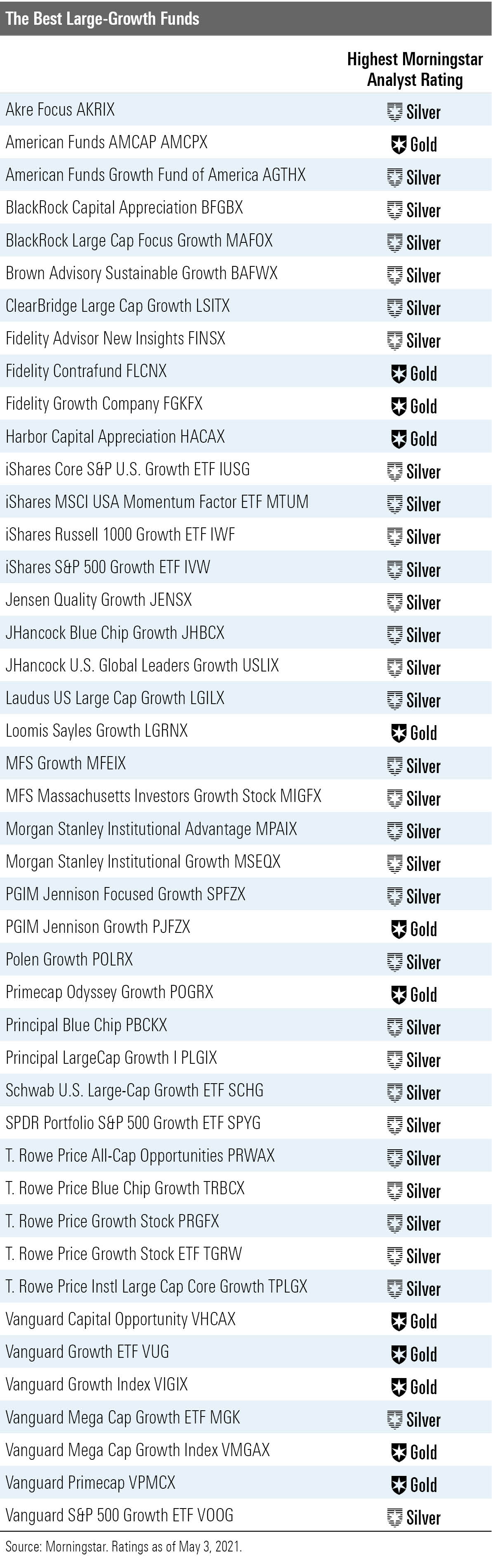
Instead of searching for a solitary stock to hold indefinitely, successful investors utilize a diversified basket of elite large-cap growth businesses or index-based vehicles that systematically capture top performers while pruning laggards.
Actionable Framework for Implementation
- Core-Satellite Allocation: Allocate the majority of your growth portfolio to broad, well-established large-cap growth indexes or exchange-traded funds (ETFs) to capture baseline market returns with lower idiosyncratic risk.
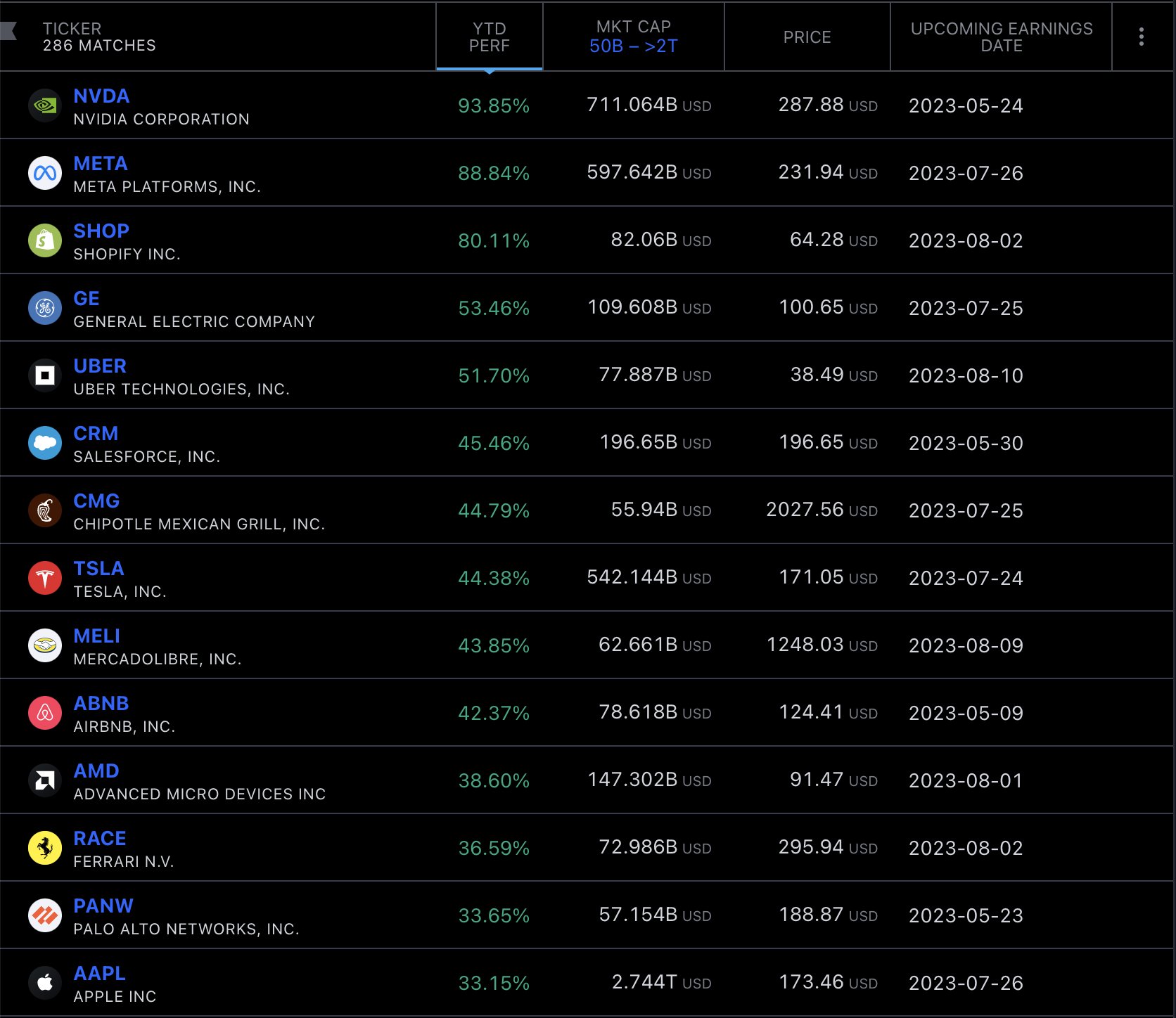
- Selective Stock Picking: Limit individual stock selection to 3 to 5 high-conviction companies that demonstrate durable competitive moats, pristine balance sheets (net cash positions preferred), and high ROIC.
- Regular Rebalancing: Establish rigid portfolio rebalancing rules (e.g., semi-annually or annually) to trim winning positions that have grown to represent an oversized percentage of your total net worth.
- Tax and Cost Efficiency: Evaluate transaction fees, management expense ratios, and capital gains tax implications before restructuring your growth equity holdings.
Disclaimer: This article is for informational and educational purposes only and does not constitute financial, legal, or professional investment advice. Equity investments carry market risk, including the potential loss of principal. Investors should conduct independent research or consult with a qualified financial advisor before making portfolio decisions.
Image Gallery