Water Willow Grass in Smart Home Water Management: Integrating Aquatic Flora into Automated Conservation Systems
Integrating water willow grass into smart home water management systems offers an innovative, bio-digital approach to residential conservation, leveraging the natural nutrient-filtering and moisture-sensing properties of aquatic plants...
Integrating water willow grass into smart home water management systems offers an innovative, bio-digital approach to residential conservation, leveraging the natural nutrient-filtering and moisture-sensing properties of aquatic plants to optimize automated irrigation, graywater recycling, and leak detection protocols.
Contents
Understanding Water Willow Grass and Its Ecological Profile
Water willow grass, scientifically recognized within the Justicia or specific aquatic macro-hydrophyte classifications depending on regional variant mapping, is a robust, perennial semi-aquatic plant. Historically found along stream banks, marsh edges, and shallow wetland zones, this specialized flora thrives in saturated environments where its root systems actively interact with shifting water tables. In modern residential engineering contexts, understanding the biological parameters of water willow grass is the foundational prerequisite for pairing living flora with digital hardware.
The plant possesses a high tolerance for varying nutrient loads, absorbing nitrates, phosphates, and trace organic compounds directly through its submerged and adventitious roots. This biological filtration capacity makes it an exceptional living medium for decentralized residential water management. Unlike traditional decorative houseplants that require precise manual watering routines, water willow grass functions as an active biological indicator. Its transpiration rates fluctuate predictably in response to ambient humidity, root-zone saturation, and water temperature, providing measurable physical cues that advanced environmental sensors can capture and interpret.
Furthermore, the physical architecture of water willow grass—characterized by dense, fibrous root mats and upright, lance-shaped leaves—provides structural stability in constructed wetlands and micro-drainage swales. When deployed within residential boundaries, these physical traits help prevent soil erosion around smart retention basins while creating a self-sustaining microhabitat. Recognizing these biological baselines ensures that homeowners and smart irrigation technicians do not treat the plant as mere decoration, but rather as an active, living node within a broader automated ecosystem.
The Intersection of Living Flora and Smart Home Automation
The convergence of biological botany and home automation architecture represents a paradigm shift from purely mechanical water conservation to bio-integrated infrastructure. Traditional smart home water management relies exclusively on electromagnetic solenoid valves, soil moisture tensiometers, flow meters, and rain sensors to dictate irrigation cycles and shutoff triggers. While effective at reducing waste, these digital systems operate entirely independently of the living biological load they are meant to support.
By introducing water willow grass into managed micro-environments—such as customized terraced rain gardens, greywater polishing beds, or indoor hydroponic utility walls—homeowners bridge the gap between digital data collection and biological response. Smart sensors embedded within the water willow grass root zone monitor changes in electrical conductivity, pH balance, and volumetric water content. When the plant draws down moisture rapidly during peak diurnal transpiration cycles, the automated system logs this biological demand, adjusting downstream irrigation pumps or graywater diversion valves dynamically rather than relying on rigid, clock-based schedules.
- Greywater Source / Rain Collection
- Water Willow Bio-Filter Bed (Root Absorption)
- EC/pH Sensors
- Moisture Tensiometers
- IoT Microcontroller (ESP32 / Raspberry Pi)
- Smart Solenoid Valves (Adjusts Flow / Drainage)
- Mobile App Dashboard (Real-Time Alerts & Diagnostics)
- Water Willow Bio-Filter Bed (Root Absorption)
This bio-digital feedback loop minimizes resource waste. If a smart home's greywater recycling tank experiences a sudden spike in chemical contaminants—such as laundry detergent oversaturation—the stress response of the water willow grass can be detected via leaf temperature monitoring (using thermal micro-sensors) or impedance spectroscopy in the root zone. The IoT (Internet of Things) controller intercepts this biological distress signal, halting the outflow of greywater to delicate garden zones until the bio-filter successfully mitigates the imbalance.
Core Applications in Residential Conservation
Water willow grass serves multiple distinct functions when integrated into a comprehensive smart home water management strategy. Evaluating these applications clarifies where and how to deploy the plant for maximum efficiency.
Graywater Polishing and Nutrient Reclamation
Many modern sustainable homes feature decentralized graywater diversion systems that capture water from washing machines, showers, and bathroom sinks. Before this water can be safely redirected to subsurface irrigation lines, it must undergo particulate removal and biological polishing. Water willow grass excels in engineered wetland cells or baffled surface-flow planters installed along the property's exterior drainage path. Automated aeration pumps, tied to smart timers, oxygenate the water column to support both aerobic microbes and the root respiration of the water willow grass, ensuring rapid breakdown of organic surfactants.
Micro-Climate Irrigation Triggering
Instead of burying generic soil moisture probes that frequently suffer from calibration drift and mineral corrosion, smart landscape architects install bio-sensors directly adjacent to water willow grass root masses. Because these plants have predictable and aggressive water consumption patterns, their localized depletion rate serves as a high-fidelity proxy for actual landscape evapotranspiration (ET). Smart irrigation controllers (such as Rachio or customized Home Assistant hubs) ingest this data to calculate precise watering runtimes, bypassing standard weather-station estimates that often fail to account for micro-climatic variations in backyard micro-topography.
Leak Detection and Retention Basin Monitoring
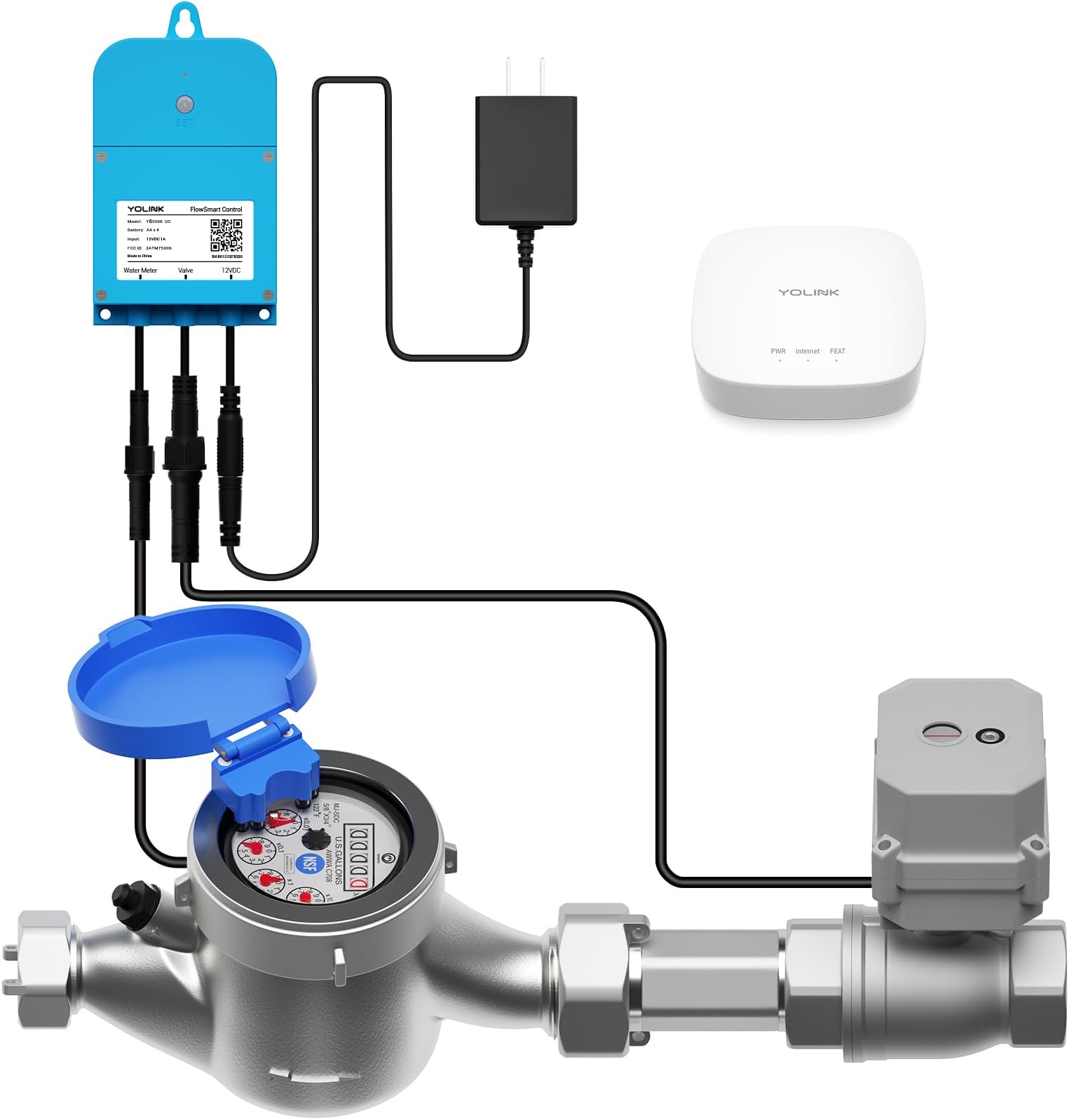
In properties equipped with green roofs, smart retention ponds, or sub-grade graywater storage tanks, water willow grass acts as an organic biosensor for overflow and containment integrity. If an undetected supply-line leak occurs upstream, the sudden, uncharacteristic surge in water volume within the retention basin alters the submergence depth of the water willow roots. Ultrasonic fluid-level sensors paired with optical turbidity meters detect the influx, triggering an immediate shut-off command to the main water supply valve via Zigbee or Z-Wave communication protocols.
| Application Mode | Primary Hardware Required | Biological Role of Water Willow | Smart Home Integration Layer |
|---|---|---|---|
| Graywater Polishing | Aeration pumps, turbidity sensors, automated diverters | Absorbs excess nitrates, phosphates, and surfactants | IoT relay switches control pump cycles based on water quality metrics |
| ET-Based Irrigation | Capacitive soil probes, thermal leaf sensors | Acts as a high-transpiration biological indicator | Smart irrigation controller dynamically adjusts valve runtimes |
| Retention Monitoring | Ultrasonic level sensors, smart solenoid valves | Withstands variable water table fluctuations | Automated emergency shut-off triggered by abnormal volume surges |
Technical Implementation and Hardware Requirements
Deploying water willow grass within an automated smart home environment requires careful coordination between plumbing infrastructure, horticultural setup, and low-voltage electronics. Homeowners must avoid treating this as a simple plug-and-play gardening task; precision engineering is required to ensure both plant health and digital reliability.
Plumbing and Containment Setup
Water willow grass must be housed in dedicated, waterproof containment zones—such as HDPE (High-Density Polyethylene) liner beds, fiberglass filtration vaults, or stainless steel indoor hydroponic troughs—to prevent invasive root spread into primary structural foundations or delicate drip-irrigation emitters. Plumbing lines entering and exiting the bio-filter must include cleanout ports, mesh pre-filters to catch hair and large particulate matter, and check valves to prevent backflow into potable household lines.
Sensor Calibration and Microcontroller Integration
The electronic monitoring stack typically relies on microcontrollers like the ESP32 or Raspberry Pi Pico W, equipped with Wi-Fi and Bluetooth Low Energy (BLE) capabilities.
- Capacitive Moisture Sensors: Installed within the gravel or sand growth medium to track baseline hydration without suffering the rapid galvanic corrosion common in cheap resistive probes.
- pH and EC (Electrical Conductivity) Probes: Placed in the water reservoir beneath the plant roots to ensure nutrient levels remain within a survivable window ($pH\ 6.0\text{--}7.5$).
- Water Flow Meters: Hall-effect sensors integrated into the inlet and outlet pipes to measure exact volumetric throughput, allowing the home automation server to calculate biological filtration efficiency over time.
Data from these sensors is transmitted via MQTT (Message Queuing Telemetry Transport) protocol to local smart home platforms like Home Assistant or openHAB. This ensures that even if external internet connectivity fails, local automation routines continue to monitor water levels, adjust pump speeds, and execute emergency shutoffs if sensor thresholds are breached.
Maintenance, Operational Limitations, and Troubleshooting
While the integration of water willow grass into smart water management systems yields significant ecological and efficiency benefits, it introduces specific maintenance demands and operational constraints that operators must manage.
Biological Maintenance and Seasonal Dormancy
Unlike static digital sensors that require only occasional battery replacements, living plants require active biological husbandry. Water willow grass undergoes seasonal growth cycles. In temperate climates, the plant enters dormancy during late autumn and winter, drastically reducing its transpiration rate and nutrient uptake capacity. Smart automation routines must be manually or automatically updated to account for this seasonal shift; otherwise, winter irrigation algorithms relying on summer transpiration baselines will over-saturate the root beds, leading to root rot and system failure.
Regular pruning is also mandatory. Unchecked root and shoot growth can clog outflow pipes, overwhelm small containment basins, and physically block ultrasonic sensor apertures. Homeowners must schedule quarterly manual trimming of excess biomass to maintain optimal flow dynamics and sensor visibility.
Common Operational Failure Points
- Sensor Bio-Fouling: Algae growth and bacterial biofilm accumulation on pH glass bulbs and EC probe pins will cause signal drift within weeks if not mitigated. Automated ultrasonic cleaning modules or manual monthly cleaning protocols are required.
- Surfactant Shock: Graywater containing high concentrations of harsh chemical disinfectants or concentrated laundry detergents can cause sudden leaf chlorosis and root shock in water willow grass. Implementing a diversion buffer tank that tests water chemistry before it reaches the biological filter prevents plant die-off.
- Hardware-Plant Interface Failures: Mechanical abrasion from rigid sensor mountings can damage tender stems and roots as the plant sways in flowing water. Flexible silicone mounting brackets and marine-grade stainless steel hardware must be utilized throughout the installation.
Frequently Asked Questions
Can water willow grass survive entirely indoors within a smart hydroponic water management system?
Yes, provided that artificial full-spectrum LED grow lights are installed to supply the necessary Photosynthetically Active Radiation (PAR). Indoor setups are particularly effective for localized graywater polishing in multi-story residential buildings where exterior yard space is unavailable, though lighting energy costs must be factored into the overall efficiency equation.
How does the smart home system distinguish between a natural drop in water level and a plant-driven transpiration drop?
Advanced smart controllers use comparative analytics by reading data from a secondary, plant-free reference reservoir or standard evaporation pan placed alongside the bio-filter. If both containers show identical water loss rates, the drop is attributed to ambient climate conditions (temperature and humidity); if the water willow zone shows accelerated depletion, the delta is accurately attributed to biological transpiration.
Is water willow grass considered an invasive species that requires regulatory permits to plant?
Regulatory status varies significantly by jurisdiction. In some regions, native water willow (Justicia americana) is legally protected or encouraged for wetland restoration, while in others, specific non-native aquatic grasses are strictly regulated to prevent waterways from becoming choked. Homeowners must consult local agricultural extension offices or environmental protection agencies before establishing open-system outdoor retention basins.
What happens to the smart water management system if the water willow grass dies?
If biological filtration suddenly ceases due to plant disease or chemical shock, upstream automated valves will detect a sharp rise in unfiltered nutrient levels (via EC and turbidity sensors). The automation platform will instantly trigger an alarm on the user's mobile dashboard, isolate the bio-filter zone by rerouting graywater directly to municipal sewer connections, and halt automated irrigation until the flora is replaced.
Conclusion and Next Actions
Integrating water willow grass into smart home water management bridges the gap between digital automation and living biological infrastructure, providing a resilient method for graywater polishing, micro-climate irrigation tracking, and retention monitoring. To begin implementation, first assess local environmental regulations regarding semi-aquatic plantings and greywater diversion. Next, design a contained, waterproof filtration vessel equipped with pre-filters and accessible sensor ports. Finally, procure industrial-grade capacitive moisture, pH, and flow sensors, and integrate their telemetry feeds into a local IoT automation hub to establish your bio-digital feedback loop.
Image Gallery