Navy Federal vs. USAA Credit Cards: 2026 Comparison and Selection Guide
Navy Federal Credit Union and USAA both offer credit cards designed specifically for service members, veterans, and military families, but they serve different financial strategies. Navy Federal generally leads with higher credit limit...
Navy Federal Credit Union and USAA both offer credit cards designed specifically for service members, veterans, and military families, but they serve different financial strategies. Navy Federal generally leads with higher credit limits, zero balance transfer fees, lower top-end APRs, and competitive flat-rate rewards. USAA excels with specialized rewards, such as 5% cash back on military base spend and gas, paired with active-duty interest rate reductions down to 4% during deployments.
Contents
Financial Advice Disclaimer
Credit card terms, interest rates, rewards programs, and eligibility requirements are subject to change by financial institutions. The following analysis is provided for informational and comparative purposes only and does not constitute formal financial, legal, or investment advice.
Eligibility and Membership Requirements
Before comparing specific credit card products, you must establish membership eligibility with each financial institution. While both cater heavily to the military community, their eligibility criteria differ in key areas.
- Military Affiliation
- Navy Federal Credit Union
- Active Duty / Reserve / Guard
- Military Veterans / Retirees
- DoD Civilian Personnel
- Immediate Family & Household
- USAA Federal Savings Bank
- Active Duty / Reserve / Guard
- Military Veterans / Retirees
- Officer Candidates / Cadets
- Spouses & Children of Members
- Navy Federal Credit Union
Navy Federal Credit Union (NFCU)
Navy Federal is the largest credit union in the United States by asset size. Membership is open to:
- Active duty, National Guard, and Reserve personnel of the U.S. Armed Forces (Army, Navy, Air Force, Marine Corps, Coast Guard, Space Force).
- Veterans, retirees, and annuitants.
- Department of Defense (DoD) civilian employees, contractors, and military retirees.
- Immediate family members of eligible individuals, including parents, spouses, siblings, children, grandchildren, and household members.
USAA Federal Savings Bank
USAA serves a slightly narrower demographic focused primarily on military service members and their direct line of descendants:
- Active duty, National Guard, and Reserve members of the U.S. Armed Forces.
- Veterans who received an Honorable discharge.
- Cadets and midshipmen at U.S. service academies, ROTC scholarship recipients, and officer candidates.
- Spouses and children of current USAA military members. (Note: DoD civilians who do not have military service history are generally ineligible for USAA financial products).
Core Credit Card Lineup Comparison
Both issuers offer cards across four main categories: flat-rate cash back, tiered rewards and travel, low-interest/balance transfer, and credit building.
1. Cash-Back Credit Cards
| Feature | Navy Federal cashRewards / cashRewards Plus | USAA Preferred Cash Rewards | USAA Cashback Rewards Plus |
|---|---|---|---|
| Primary Reward Rate | 1.5% to 2% cash back on all purchases | 1.5% cash back on all purchases | 5% on gas and military base purchases (up to $3,000/yr) |
| Secondary Reward Rate | N/A | N/A | 2% on groceries (up to $3,000/yr), 1% on other purchases |
| Annual Fee | $0 | $0 | $0 |
| Balance Transfer Fee | $0 | 3% to 5% | 3% to 5% |
| Foreign Transaction Fee | $0 | $0 | $0 |
- Navy Federal cashRewards / cashRewards Plus: The standard cashRewards card earns 1.5% cash back on all purchases. However, cardholders who set up qualifying direct deposit or hold a cashRewards Plus account earn an unlimited 2% cash back on every purchase. There are no reward caps, expiration dates, or balance transfer fees.
- USAA Preferred Cash Rewards Visa: Offers a straightforward, flat 1.5% cash back on all net everyday purchases with no limits or annual fee.
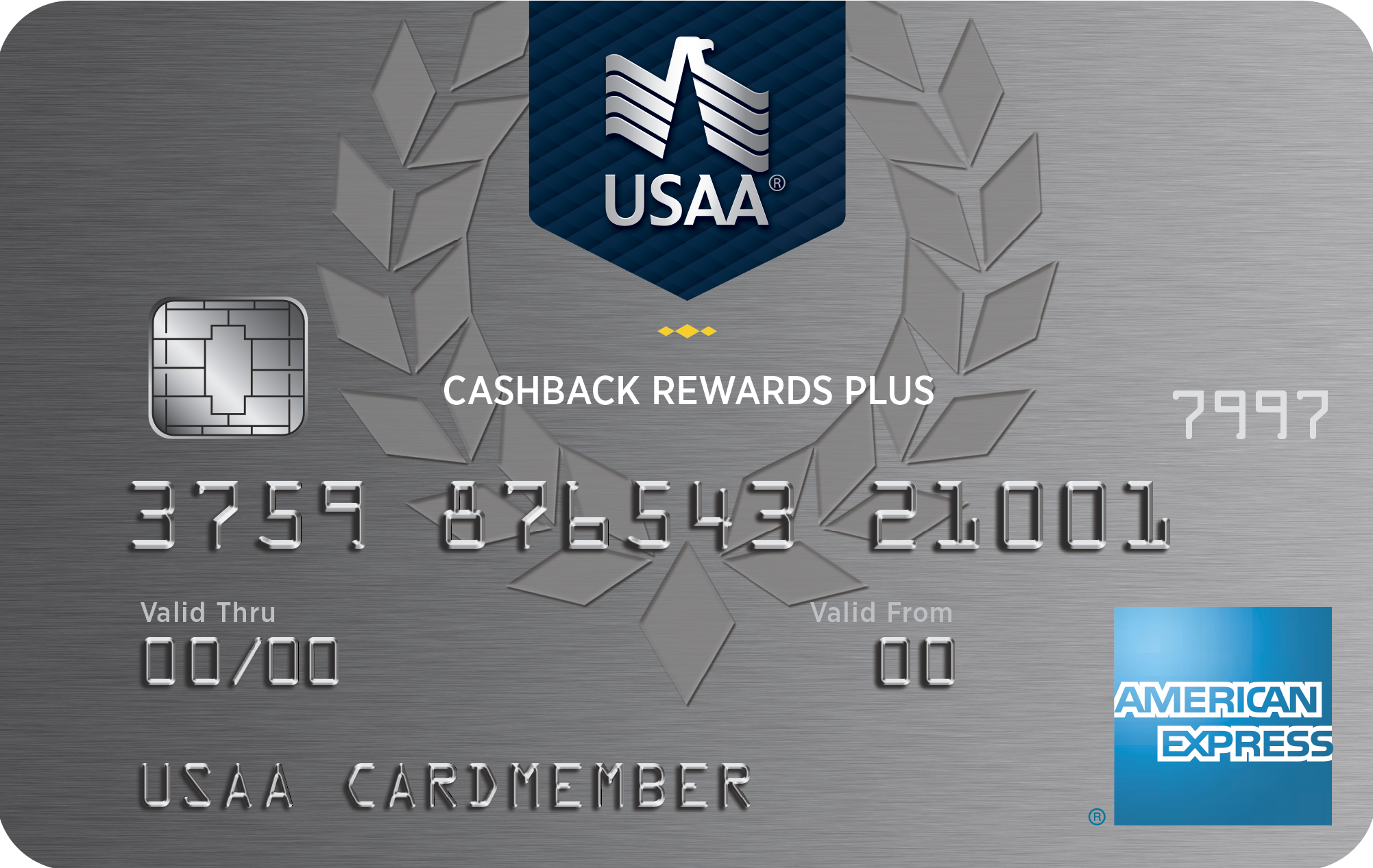
- USAA Cashback Rewards Plus American Express: Designed specifically for active military life. It delivers 5% cash back on combined gas and military base purchases (including Commissary, Exchange, and Shoppette locations) up to $3,000 annually, plus 2% cash back on grocery purchases up to $3,000 per year.
2. Travel and Premium Rewards Cards
Navy Federal Flagship Rewards
- 3x Travel Points ($49 Annual Fee)
- 2x Everyday Points (No Cap)
- $100 Global Entry/TSA PreCheck Credit
USAA Eagle Navigator Visa
- 3x Travel Points ($45 Annual Fee)
- 2x Transit/Other (No Cap)
- $100 Annual Travel Credit Benefit
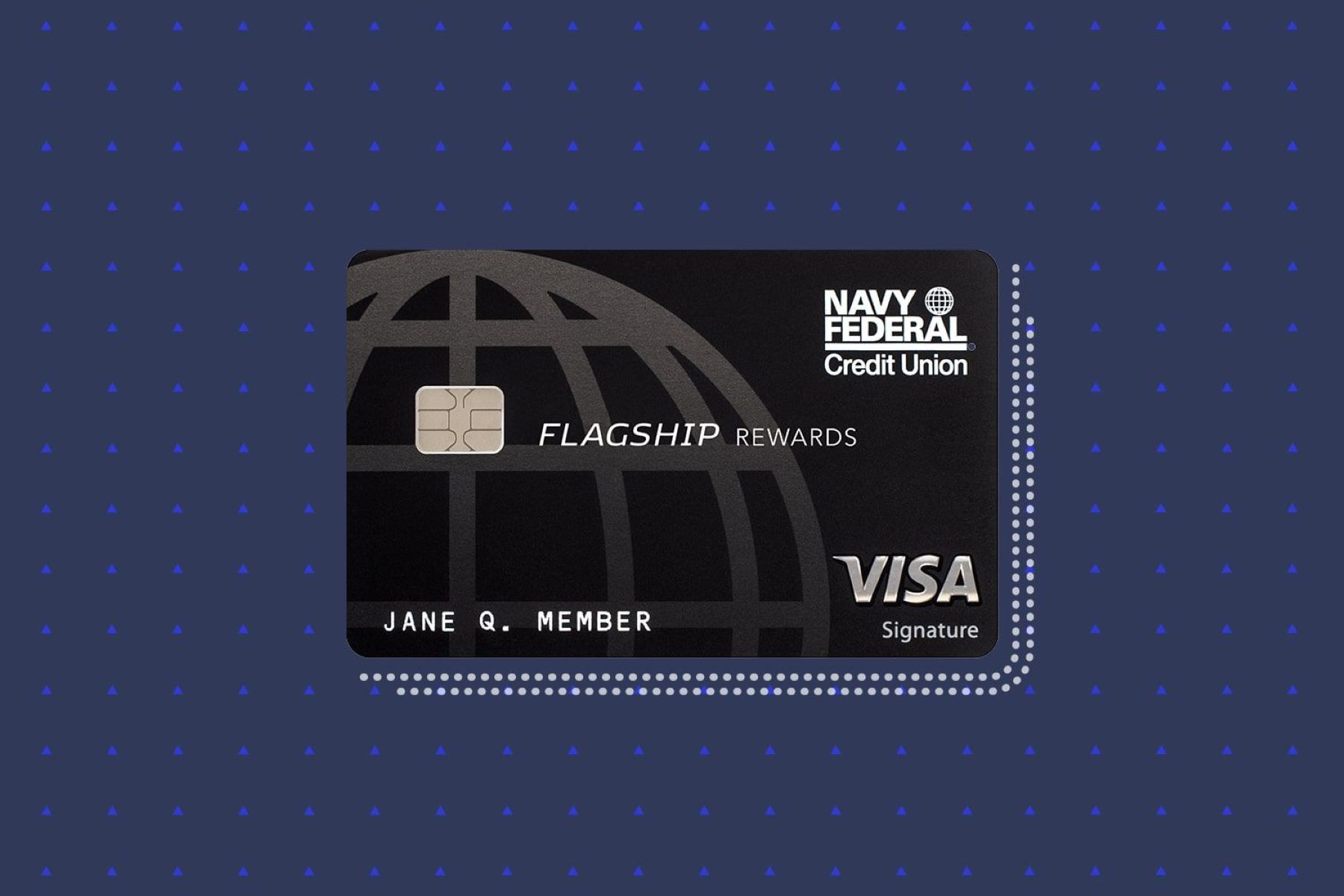
Navy Federal Visa Signature® Flagship Rewards: Charges a modest $49 annual fee. It earns 3x points per dollar spent on travel (including flights, hotels, cruises, and rideshares) and 2x points on all other purchases. Points are worth 1 cent each when redeemed for cash back or travel. It includes up to a $100 statement credit for Global Entry or TSA PreCheck application fees every four years.
USAA Eagle Navigator™ Visa Signature®: Features a $45 annual fee and earns 3x points on travel bookings made through USAA or directly with hotels/airlines, 2x points on transit, and 1x on other categories. It offers an annual travel credit benefit (subject to spending requirements) and access to Visa Signature travel perks.
3. Low-Interest and Balance Transfer Cards
- Navy Federal Platinum Credit Card: Navy Federal’s dedicated low-APR option. Its primary selling point is the total absence of balance transfer fees, cash advance fees, or annual fees, paired with Navy Federal’s lowest variable APR tier. This makes it an effective tool for debt consolidation.
- USAA Rate Advantage Visa: USAA’s lowest interest rate card designed for cardholders who occasionally revolve a balance. While it provides competitive APR tiers, USAA typically charges a balance transfer fee (typically 3% to 5% of the transfer amount), which makes debt transfers slightly more expensive upfront compared to Navy Federal.
4. Credit-Builder (Secured) Cards
- Navy Federal nRewards® Secured: Requires a minimum security deposit (typically $200). Unlike most secured cards, nRewards earns 1x rewards point per dollar spent. Navy Federal reviews accounts starting at 3 months for potential limit increases, and actively evaluates accounts for graduation to an unsecured cashRewards card starting at 6 months of responsible use.
- USAA Secured Cards: USAA offers secured versions of its cards backed by a USAA Certificate of Deposit (CD). The deposit earns interest while serving as your credit line collateral. However, USAA's secured card lineup does not typically offer rewards points on purchases during the secured phase.
Side-by-Side Card Comparison
The table below summarizes the key features across flagship offerings from Navy Federal Credit Union and USAA Federal Savings Bank.
| Card Name | Issuer | Primary Rewards | Annual Fee | Balance Transfer Fee | Foreign Transaction Fee | Best Fit For |
|---|---|---|---|---|---|---|
| cashRewards / Plus | Navy Federal | Up to 2% cash back (with direct deposit) | $0 | $0 | $0 | Unlimited flat-rate cash back without fees |
| Flagship Rewards | Navy Federal | 3x Travel, 2x Everything Else | $49 | $0 | $0 | General travel, elevated daily earnings, TSA PreCheck credit |
| Platinum Card | Navy Federal | None (Low-rate focused) | $0 | $0 | $0 | Low APR debt consolidation and balance transfers |
| nRewards Secured | Navy Federal | 1x Points per $1 spent | $0 | $0 | $0 | Building credit while earning rewards |
| Cashback Rewards Plus | USAA | 5% Gas/On-Base, 2% Groceries | $0 | 3%–5% | $0 | Military members spending heavily on base and at the pump |
| Preferred Cash Rewards | USAA | 1.5% flat cash back | $0 | 3%–5% | $0 | Simple, flat-rate cash back for general usage |
| Eagle Navigator | USAA | 3x Travel, 2x Transit | $45 | 3%–5% | $0 | Frequent travelers preferring USAA integration |
| Rate Advantage | USAA | None (Low-rate focused) | $0 | 3%–5% | $0 | Carrying a balance at low rates within the USAA portal |
Military Protections, Fees, and APR Caps
Both Navy Federal and USAA comply with federal protections including the Servicemembers Civil Relief Act (SCRA) and the Military Lending Act (MLA). However, their execution of voluntary additional benefits differs substantially.
- Servicemembers Civil Relief Act (SCRA)
- Federal Requirement: Max 6% interest rate on debt incurred prior to active duty military service.
- Navy Federal Implementation
- Matches SCRA statutory rules (6% max cap on pre-service debt).
- Waives over-limit and late fees under military relief programs.
- USAA Implementation
- Reduces interest rates down to 4% APR during qualifying military deployment/PCS orders, including debt incurred during active service.
Interest Rate Policies and Deployment Caps
- USAA’s Deployment Rate Reduction: USAA provides a voluntary military benefit that drops credit card interest rates down to 4% APR for qualifying active-duty service members deployed or on PCS (Permanent Change of Station) orders. Crucially, USAA often extends this 4% cap to debt incurred during active duty, whereas federal SCRA mandates only apply to pre-service debt capped at 6%.
- Navy Federal SCRA Benefits: Navy Federal complies fully with SCRA guidelines by capping pre-service APRs at 6% and offering hardship assistance program adjustments for active-duty personnel.
Fee Structure Comparison
- Foreign Transaction Fees: Neither Navy Federal nor USAA charges foreign transaction fees on any of their credit cards. You can use cards from either issuer overseas or at foreign commissaries without incurring exchange surcharges.
- Balance Transfer Fees: This is Navy Federal's strongest advantage. Navy Federal charges $0 in balance transfer fees across its entire card portfolio. In contrast, USAA typically charges a balance transfer fee of 3% to 5% per transaction.
- Cash Advance Fees: Navy Federal does not charge cash advance fees when performed at Navy Federal branches or ATMs (though ATM network fees may apply). USAA charges a cash advance fee (typically 3% or $5 minimum) per transaction.
Strategic Advantages: Navy Federal vs. USAA
Choosing between Navy Federal and USAA depends on how you plan to use your credit cards, whether you carry a monthly balance, and where you perform daily spending.
Why Choose Navy Federal Credit Union?
- Higher Initial Credit Limits: Navy Federal is widely recognized in financial forums for offering larger initial credit lines (often $5,000 to $25,000+ for well-qualified applicants) compared to USAA's more conservative underwriting limits.
- No Balance Transfer Fees: If you need to consolidate high-interest credit card debt from other institutions, transferring a balance to a Navy Federal card (like the Platinum or cashRewards) incurs zero transfer fees.
- Superior Flat-Rate Earnings: The Navy Federal cashRewards Plus card yields 2% unlimited cash back (with direct deposit), outperforming USAA's flat-rate 1.5% option.
- Faster Secured Card Graduation: Navy Federal’s nRewards Secured card offers rewards points and a transparent 3-to-6 month review process for graduating to an unsecured card with a higher credit limit.
Why Choose USAA Federal Savings Bank?
- Niche On-Base Rewards: The USAA Cashback Rewards Plus Amex offers 5% cash back on military base purchases (Exchange, Commissary, Shoppette) and gas up to $3,000/year. Navy Federal does not offer a dedicated 5% base purchase category card.
- Superior Active-Duty Deployment Protections: USAA’s 4% APR reduction during military deployment provides significant interest savings for deployed service members.
- Unified Banking Ecosystem: Service members who already maintain auto insurance, home insurance, checking, and mortgage accounts with USAA often prefer keeping all financial products inside one mobile app dashboard.
How to Choose the Right Card for Your Strategy
To select the card that aligns with your financial objectives, consider these practical scenarios:
- Financial Objective Selection Matrix
- What is your primary goal?
- Maximize Base & Gas Cash Back: Choose USAA Cashback Rewards Plus Amex (5% back)
- Consolidate Debt / Carry a Balance: Choose Navy Federal Platinum Credit Card ($0 Transfer Fee)
- Everyday Uncapped Cash Back: Choose Navy Federal cashRewards Plus (2% back w/ Direct Deposit)
- General Travel Rewards & Perks: Choose Navy Federal Flagship Rewards ($100 Global Entry Credit)
- Build / Rebuild Credit: Choose Navy Federal nRewards Secured (Earns points + fast graduation)
- What is your primary goal?
- For Active-Duty Members Deployed Overseas or Assigned on Base:
- Pick USAA Cashback Rewards Plus Amex to maximize the 5% cash back on military exchange and fuel spending, and leverage USAA’s 4% APR deployment cap.
- For Debt Consolidation and Rebuilding Credit:
- Pick Navy Federal Platinum or nRewards Secured. The zero balance transfer fee saves hundreds upfront compared to USAA’s fee structure, while the secured card provides a clear path to an unsecured credit line.
- For Daily One-Card Simplicity:
- Pick Navy Federal cashRewards / cashRewards Plus. Receiving 2% back on all purchases (with qualifying direct deposit) beats USAA's 1.5% rate over long periods.
Frequently Asked Questions
Which card issuer is easier to get approved for?
Navy Federal Credit Union is generally considered more accessible for members with fair-to-average credit scores (600–680 range), offering robust credit-building pathways. USAA tends to exercise tighter underwriting standards, requiring higher credit scores for its premium tiers.
Can I hold credit cards from both Navy Federal and USAA?
Yes. If you meet the membership eligibility criteria for both institutions, you can hold cards from both. Many service members use USAA for gas and base purchases while using Navy Federal for large everyday spending and balance transfers.
Do Navy Federal or USAA credit cards charge foreign transaction fees?
No. Neither Navy Federal Credit Union nor USAA charges foreign transaction fees on any credit cards in their portfolios, making both issuers suitable for overseas deployments and international travel.
Does Navy Federal limit how many credit cards you can hold?
Yes. Navy Federal limits members to a maximum of three credit cards per primary account holder (with a maximum combined total credit limit across cards capping at $80,000 for most members, excluding the Flagship card which may go higher).
Do USAA credit card points expire?
For active USAA rewards accounts in good standing, rewards points generally do not expire. However, if your account is closed, unredeemed points may be forfeited according to USAA's reward program guidelines.
Next Steps and Application Checklist
Before applying for either a Navy Federal or USAA credit card:
- Verify Eligibility: Confirm active membership or gather required military documentation (such as Form DD-214, Leave and Earnings Statements, or sponsor Military ID) to complete account verification.
- Check Your Credit Profile: Pull your credit scores from the three major credit bureaus (Equifax, Experian, TransUnion) to understand which tier of products you qualify for.
- Evaluate Current Debt Obligations: If you carry balances on higher-rate commercial credit cards, prioritize Navy Federal's 0% balance transfer fee products to minimize interest fees immediately.
- Submit Your Application Online: Apply directly through official portals at navyfederal.org or usaa.com to access current promotional sign-up bonuses and elevated rate offers.
Image Gallery