Why Nike Was Made for Sports: The Athletic Origins and Engineering Heritage
Nike was built specifically for sports performance to solve concrete physical challenges faced by competitive runners. Founded by track coach Bill Bowerman and distance runner Phil Knight, the company originated as a response to heavy,...
Nike was built specifically for sports performance to solve concrete physical challenges faced by competitive runners. Founded by track coach Bill Bowerman and distance runner Phil Knight, the company originated as a response to heavy, inflexible athletic footwear, pioneering custom cushioning, lightweight traction outsoles, and biomechanical design to help athletes run faster and prevent injuries.
Contents
The Oregon Track & Field Roots: Solving Real Athletic Problems
To understand why Nike was made for sports, one must examine its origins at the University of Oregon in the early 1960s. The brand was not conceived in a corporate board room or a fashion design studio. Instead, it grew directly out of the track and field program led by Legendary head coach Bill Bowerman and one of his middle-distance runners, Phil Knight.
At the time, American track athletes relied heavily on imported footwear that was often rigid, heavy, and poorly suited for varying track surfaces. Leather soles and basic metal spikes provided minimal shock absorption, leading to frequent stress fractures, shin splints, and joint fatigue among competitive runners. Bowerman believed that every ounce stripped from a running shoe gave an athlete a measurable advantage over a distance race.
In 1964, Knight and Bowerman established Blue Ribbon Sports (BRS) with an initial investment of $500 each. The business initially operated as an American distributor for Onitsuka Tiger (now ASICS), a Japanese footwear manufacturer. However, Bowerman was never satisfied with off-the-shelf products. He frequently unstitched imported shoes, modified the midsoles with lighter sponge rubber, hand-crafted customized uppers tailored to individual runners' foot shapes, and reassembled them to test on his athletes.
- 1964: Blue Ribbon Sports (BRS) founded as Onitsuka Tiger distributor
- 1968: Bowerman designs the TG-24 (later renamed the Nike Cortez)
- 1971: BRS transitions to Nike, Inc.; Swoosh logo designed
- 1972: Waffle Trainer debuts at U.S. Olympic Track & Field Trials
- 1974: U.S. Patent granted for Bowerman's waffle outsole design
- 1979: Frank Rudy's encapsulated Air technology introduced (Tailwind)
By working directly with high-performance runners, Bowerman established a feedback loop where athletic performance dictated product design. This athlete-first methodology established Nike's core purpose: engineering footwear as technical equipment rather than casual apparel.
Technical Innovations Born on the Track
The early identity of Nike was forged through rapid material experimentation focused entirely on athletic utility. Rather than decorative aesthetics, every structural element of early Nike shoes addressed specific biomechanical requirements.
The Waffle Sole Revolution
In the early 1970s, track and field venues were transitioning from traditional cinder tracks to synthetic all-weather surfaces like Tartan. Standard track spikes tended to chew up synthetic tracks or slip on wet artificial surfaces, while flat rubber outsoles lacked sufficient grip.
In 1971, Bowerman attempted to create an outsole that could grip synthetic tracks without spikes while keeping the shoe lightweight. He poured liquid urethane resin into his wife’s waffle iron, creating a flexible grid of raised, square nubs.
The resulting Waffle Sole provided key functional advantages:
- Multi-directional Traction: The raised rubber pegs gripped artificial surfaces, dirt, and grass without digging into the substrate.
- Impact Absorption: The individual waffle nubs deformed slightly under pressure, absorbing initial footstrike energy before returning to shape.
- Weight Reduction: The recessed grid between the nubs eliminated unnecessary rubber weight across the outsole plate.
Patented in 1974, the waffle pattern established Nike as an independent innovator capable of re-engineering fundamental athletic footwear components.
Dual-Density Midsole Cushioning and the Cortez
Before Nike introduced dedicated long-distance running shoes, asphalt and hard road training caused severe joint impact for road runners. In 1968, Bowerman designed the Cortez (initially manufactured via Onitsuka Tiger before being claimed by Nike upon its formal launch in 1972).
The Cortez featured a pioneering midsole design: a layer of soft sponge rubber sandwiched between two layers of firmer rubber at the heel. This dual-density construction served two vital athletic purposes:
- Absorbing vertical impact forces at heel strike during long-distance training.
- Raising the heel slightly to reduce strain on the Achilles tendon.
This combination of targeted heel elevation and progressive cushioning reduced overuse injuries, allowing distance runners to log higher weekly mileage safely.
The Integration of Encapsulated Air Cushioning
In the late 1970s, former NASA engineer Frank Rudy brought a technology concept to Nike: encapsulating inert gas inside durable polyurethane bags to provide permanent cushioning. While other shoe manufacturers rejected the concept due to manufacturing complexity, Nike saw an opportunity to revolutionize impact protection.
The Nike Air Tailwind, released in limited quantities for the 1978 Honolulu Marathon and broadly in 1979, featured these pressurized air units embedded in the midsole. Unlike traditional EVA (ethylene-vinyl acetate) foam, which degrades and compresses over hundreds of miles, gas-filled chambers maintained their structural volume and energy return throughout the lifespan of the shoe.
The Transition to Nike: Purpose-Built Footwear
As the business relationship with Onitsuka Tiger dissolved in the early 1970s, BRS needed a distinct corporate identity to launch its proprietary line of athletic shoes. In 1971, the company officially rebranded as Nike, Inc., named after the winged Greek goddess of victory.
- Biomechanics (Foot Strike & Motion)
- Materials (EVA, Polyurethane, Encapsulated Air)
- Traction (Waffle Grid, Sport Spikes)
- Center: NSRL
The brand identity was anchored by the Swoosh, a graphic designed by graphic design student Carolyn Davidson. The fluid mark was selected because it visually represented motion, speed, and aerodynamic movement—qualities fundamental to athletic competition.
Transitioning from a distributor to a primary manufacturer allowed Nike to control every step of product development:
- Custom Lasts: Developing anatomical foot forms (lasts) optimized for sprint mechanics, endurance running, and lateral court movement.
- Material Sourcing: Testing lightweight synthetic leathers (such as Nylon and Japanese-made mesh uppers) that dried faster and weighed less than traditional full-grain steer hide.
- Field Testing: Distributing prototype pairs directly to elite university athletes and professional competitors for real-world stress testing.
Athlete-Centric Co-Design and Research Validation
A primary reason Nike was made for sports lies in its validation model: products were co-designed alongside elite athletes who pushed physical equipment to its mechanical limits.
Steve Prefontaine and Track Validation
Middle-distance runner Steve Prefontaine became Nike’s first major endorsed athlete. Prefontaine’s aggressive front-running style provided a harsh testing environment for early Nike spikes and racing flats. His feedback on weight distribution, heel slippage, and spike placement directly influenced design modifications for competition footwear throughout the early 1970s.
Expansion into Court Sports
Recognizing that different sports present distinct biomechanical demands, Nike expanded beyond track and field into tennis and basketball in the early 1970s and 1980s:
- The Nike Blazer (1973): Built for basketball, featuring a high-top leather upper for ankle stability and a vulcanized rubber outsole with a herringbone tread pattern for fast lateral cuts on hardwood courts.
- The Air Force 1 (1982): Designed by Bruce Kilgore, this was the first basketball shoe to incorporate Nike Air technology. It included a circular pivot-point outsole pattern designed specifically for basketball players spinning in the post.
- The Air Jordan Line (1985): Developed for Michael Jordan, integrating tailored ankle support, lightweight flight plates, and targeted cushioning to accommodate extreme jump forces and explosive acceleration.
Formalizing Science: The Nike Sport Research Lab (NSRL)
To validate its design choices scientifically, Nike established the Nike Sport Research Lab (NSRL). Staffed by biomechanists, chemists, exercise physiologists, and materials engineers, the lab uses high-speed 3D motion capture, force plates, environmental chambers, and pressure mapping to study human movement.
Rather than designing shoes based on aesthetic trends, the NSRL gathers quantitative data on foot strike mechanics, metabolic efficiency, heat dissipation, and ground contact forces. This data directly informs structural decisions, ensuring that performance metrics dictate shoe geometry.
Comparative Matrix: Early Nike Innovations vs. Standard Footwear Era
To see how Nike’s sports-focused engineering differed from traditional athletic shoes of the 1960s and 1970s, consider the structural comparisons below:
| Feature / Metric | Traditional 1960s Athletic Shoes | Early Nike Innovations (1968–1979) | Primary Athletic Benefit |
|---|---|---|---|
| Outsole Pattern | Smooth flat rubber or rigid metal track spikes | Molded rubber Waffle grid (1974) | Multi-surface traction without adding weight or damaging tracks |
| Midsole Composition | Single-density hard rubber or felt layers | Dual-density sponge rubber (Cortez) & Encapsulated Air (Tailwind) | Controlled impact absorption and decreased joint stress over long distances |
| Upper Materials | Heavy full-grain leather | Breathable nylon mesh and lightweight synthetic suede | Drastic weight reduction and improved heat/moisture dissipation |
| Outsole Traction Design | Parallel linear grooves | Herringbone cuts & circular pivot points (Blazer/AF1) | Facilitated rapid multi-directional pivots on basketball courts |
| Engineering Focus | Durability and general production efficiency | Athlete feedback, biomechanics, and weight reduction | Enhanced athletic performance and lowered overuse injury rates |
Why Nike Maintains Its Sports-First Engineering Today
While Nike expanded globally into lifestyle fashion, street culture, and athleisure, its core engineering programs remain anchored in elite athletic competition. Advanced performance technologies developed for professional sports frequently migrate into everyday consumer footwear.
Carbon-Fiber Plates and Superfoams
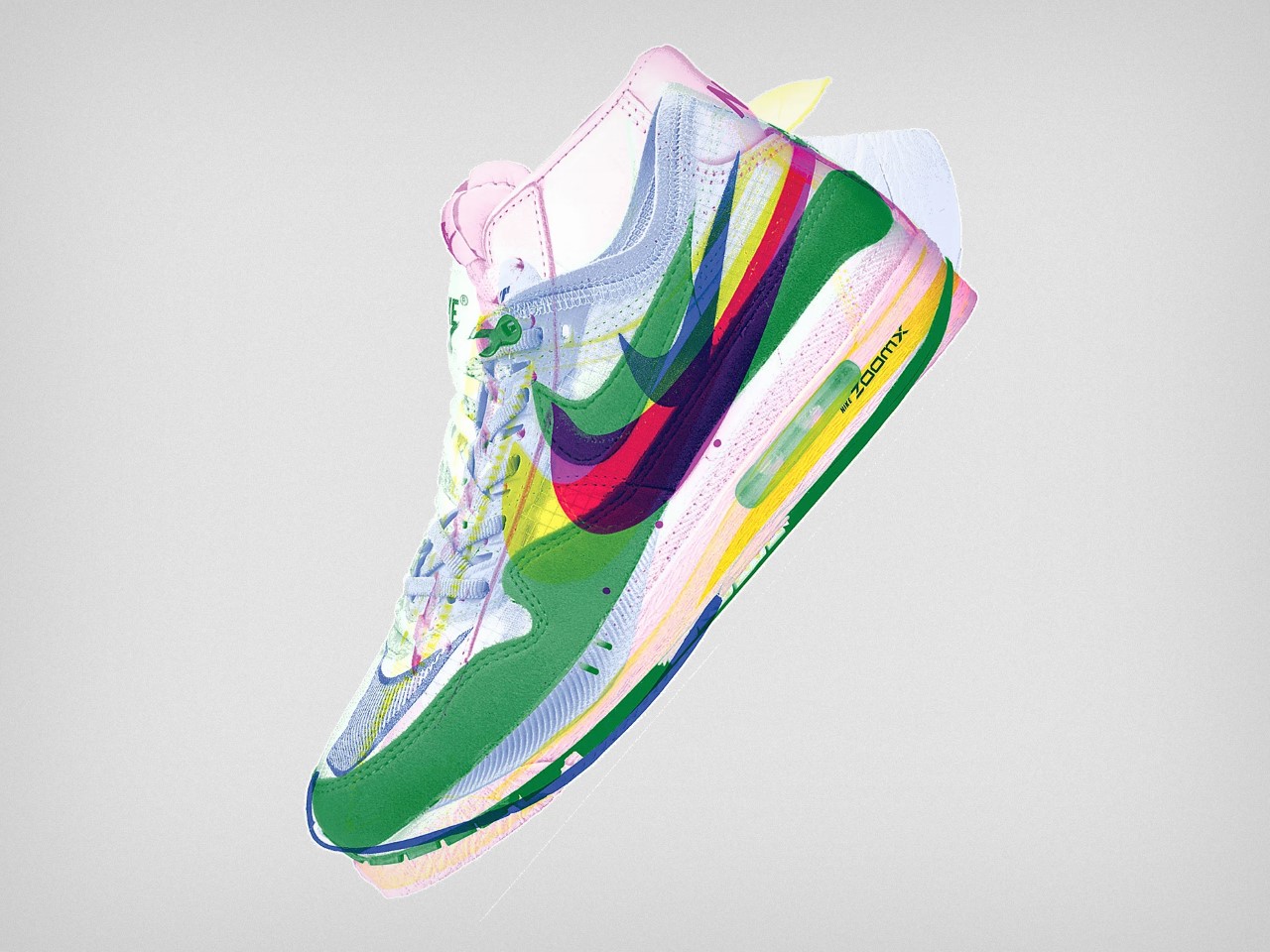
In the late 2010s and leading into the 2020s, Nike introduced the Vaporfly and Alphafly series. Developed under the Breaking2 project (an initiative to break the two-hour marathon barrier), these running shoes combined a full-length, rigid carbon-fiber plate with ultra-resilient Pebax-based foam (ZoomX).
Independent scientific studies, including research published in journals such as Sports Medicine, confirmed that this combination improved running economy by approximately 4%. The design reduced the metabolic energy expenditure of distance runners by acting as a mechanical lever and returning kinetic energy with each step.
Adaptive Fit and Accessibility Engineering
Nike's sports-driven mandate also extends to adaptive footwear designed for disabled athletes. Technologies like FlyEase feature hands-free entry systems, step-in heels, and custom tensioning mechanisms. Originally developed to help para-athletes suit up independently, the technology now serves a broad spectrum of athletes with varying physical abilities.
- ELITE ATHLETE REQUIREMENT (e.g., Sub-2 Hour Marathon / Force Absorption)
- NSRL LAB EXPERIMENTATION & TESTING (3D Motion Capture, Force Plates, Biomechanical Testing)
- ADVANCED EQUIPMENT DEVELOPMENT (Carbon Plates, ZoomX Foams, Flyknit Weaves)
- OLYMPIC & PROFESSIONAL FIELD VALIDATION (Track World Championships, Marathon Majors, NBA)
- CASCADE TO COMMERCIAL ATHLETIC & DAILY PRODUCTS (Mass Consumer Running, Training, & Adaptive Footwear)
Frequently Asked Questions
Why did Bill Bowerman invent the waffle sole?
Bill Bowerman created the waffle sole to solve a specific problem: providing track athletes with lightweight, high-traction footwear that could grip new synthetic running tracks (like Tartan) without requiring heavy metal spikes or damaging the running surface.
What was Nike called before it became Nike?
Nike was originally founded as Blue Ribbon Sports (BRS) in January 1964. The company officially changed its name to Nike, Inc. in May 1971 when it launched its own proprietary line of footwear.
Was Nike created as a fashion brand or a sports brand?
Nike was created exclusively as a sports performance brand. Its founders were a track coach and a competitive distance runner who designed footwear specifically to enhance speed, reduce shoe weight, and prevent athletic injuries.
Who was the first major athlete to wear Nike footwear?
Iconic American distance runner Steve Prefontaine was the first prominent track athlete to wear Nike equipment. As a standout runner at the University of Oregon coached by Bill Bowerman, Prefontaine tested early Nike prototypes and promoted the brand on national and international stages.
How did Nike’s Air technology originate?
Nike Air technology was developed by a former NASA aeronautical engineer named Frank Rudy. Rudy brought his patented concept of encapsulating pressurized gas inside durable, flexible polyurethane cells to Nike after other shoe companies declined it. Nike launched the technology commercially in the 1978 Air Tailwind running shoe.
Key Takeaways and Next Actions
Understanding Nike’s founding purpose highlights why the brand prioritizes athletic function in its product architecture.
If you are selecting athletic footwear for training or competition, apply these practical evaluation steps:
- Identify Your Sport's Biomechanical Needs: Running requires forward energy return and heel-to-toe shock absorption, whereas basketball and court sports demand high ankle stability, heel lockdown, and lateral traction.
- Match Outsole Technology to Your Surface: Choose multi-directional rubber patterns (like modern derivatives of the waffle sole) for soft or outdoor surfaces, and flat, herringbone-patterned outsoles for indoor court stability.
- Evaluate Cushioning Lifespan: Understand that standard EVA foam midsoles compress over 300 to 500 miles of use, whereas encapsulated gas units (Nike Air) and high-grade Pebax foams maintain mechanical cushion properties longer under repeat stress.
- Consult Biomechanical Data: Review technical specifications and independent footwear testing reviews rather than choosing footwear based solely on colorways or lifestyle trends.
Image Gallery