Coty’s $600 Million Stake in Kylie Cosmetics: Deal Structure, Valuation, and Strategic Impact
In November 2019, legacy beauty conglomerate Coty Inc. announced a definitive agreement to acquire a 51% controlling stake in Kylie Jenner’s beauty empire, Kylie Cosmetics, for $600 million. The transaction, which officially closed in...
In November 2019, legacy beauty conglomerate Coty Inc. announced a definitive agreement to acquire a 51% controlling stake in Kylie Jenner’s beauty empire, Kylie Cosmetics, for $600 million. The transaction, which officially closed in January 2020, valued the celebrity-backed brand at $1.2 billion and marked one of the most high-profile influencer mergers and acquisitions (M&A) in corporate history.
Contents
Strategic Context: Why Coty Invested $600 Million
To understand Coty’s willingness to pay $600 million for a controlling interest in Kylie Cosmetics, one must examine the operational pressures facing traditional beauty conglomerates in the late 2010s. Coty Inc., historically dependent on legacy fragrance licenses and traditional drugstore cosmetics (such as CoverGirl and Max Factor), was struggling to connect with Gen Z and millennial consumers.
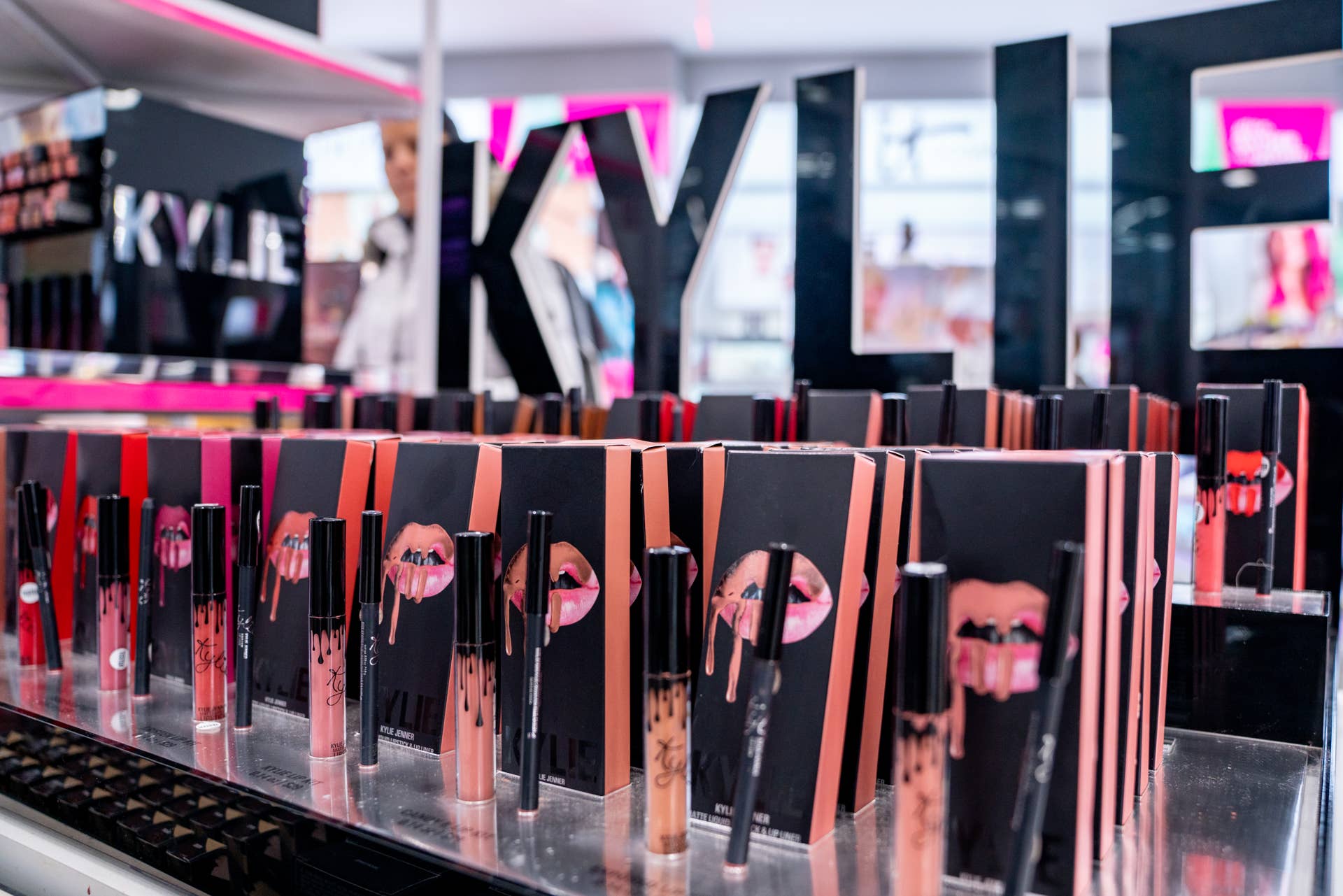
Kylie Cosmetics represented an unprecedented direct-to-consumer (DTC) success story. Launched in 2015 with the "Kylie Lip Kit," the brand relied almost entirely on organic social media marketing driven by Kylie Jenner’s massive personal follower base on Instagram and TikTok. By acquiring a majority stake, Coty aimed to achieve several strategic objectives:
Digital Acceleration: Gaining immediate access to a highly engaged digital audience, bypassing traditional, high-cost customer acquisition channels.
Portfolio Modernization: Balancing Coty’s legacy mass-market retail exposure with a high-margin, prestige cosmetic brand popular among younger demographics.
Global Scalability: Leveraging Coty’s global supply chain, R&D infrastructure, and brick-and-mortar retail relationships to expand Kylie Cosmetics outside the United States.
Omnichannel Integration: Transitioning the brand from a pure-play e-commerce model supplemented by exclusive distribution at Ulta Beauty into a multi-retailer global powerhouse.
Coty Inc. (51% Controlling Stake) + Kylie Jenner (49% Ownership)
- Kylie Cosmetics / Kylie Skin Entity
- Global Supply Chain & R&D (Coty Infrastructure Execution)
- Social Media Reach & Brand Vision (Gen Z / Millennial Audience Engagement)
- Kylie Cosmetics / Kylie Skin Entity
Transaction Structure and Enterprise Valuation
The financial architecture of the transaction reflected both the rapid growth of digital-native beauty brands and the premium prices conglomerates paid for direct consumer access. Coty purchased its 51% stake through a cash infusion, leaving Kylie Jenner and her team with a 49% minority interest.
Under the terms of the deal, Coty assumed overall responsibility for portfolio development, manufacturing, logistics, and global distribution. Jenner retained creative leadership, product development, and primary marketing communications.
| Transaction Parameter | Key Detail / Financial Metric |
|---|---|
| Acquisition Date (Announcement) | November 2018 / Official Signing November 2019 |
| Transaction Closing Date | January 2020 |
| Purchase Price for Stake | $600 Million (Cash) |
| Ownership Acquired | 51% Controlling Interest |
| Implied Total Enterprise Value | $1.2 Billion |
| Target Brand Entities | Kylie Cosmetics, Kylie Skin |
| Operational Split | Coty: Global Distribution, Infrastructure, Supply ChainJenner: Product Concept, Creative Direction, Social Marketing |
| Primary Financial Regulatory Filing | U.S. Securities and Exchange Commission (SEC) Form 8-K |
The implied enterprise value of $1.2 billion generated immediate debate among corporate finance analysts. At the time of announcement, Coty cited trailing 12-month net revenues for Kylie Cosmetics of approximately $177 million, reflecting a significant revenue multiple compared to historical beauty sector transactions.
Revenue Discrepancies, Forbes Controversy, and Market Revaluation
Shortly after the deal closed in early 2020, two major disruptions undermined the initial market thesis for the investment: the onset of the global COVID-19 pandemic and corporate accounting scrutiny regarding historical sales figures.
The Financial Disclosures Controversy
In May 2020, financial publication Forbes published an investigative report questioning the historical revenue figures provided by Kylie Cosmetics’ representatives prior to the Coty acquisition. Public filings submitted by Coty to the U.S. Securities and Exchange Commission (SEC) revealed that the brand’s actual revenues were substantially smaller than the estimates previously circulated in media profiles.
Key findings revealed in regulatory filings and corporate reporting included:
- Revenue Trajectory: While early estimates suggested annual sales exceeding $300 million, Coty’s disclosures showed calendar year 2018 revenues of approximately $125 million and 2019 net revenues of $177 million.
- Product Concentricity: A large percentage of historical sales came from limited-edition drops and core lip kits rather than a broadly diversified line of repeat-purchase skincare and color cosmetics.
- Profitability Margin Adjustments: While the brand maintained healthy gross margins typical of prestige cosmetics, overhead costs, licensing fees, and third-party logistics agreements eroded net margins more than public estimates had suggested.
Macroeconomic Factors and Impairment Charges
The transaction closed right before pandemic-related retail lockdowns disrupted brick-and-mortar storefronts worldwide. Color cosmetic sales globally plummeted as consumers shifted spending toward self-care, wellness, and basic skincare. Coty faced widespread balance sheet pressure, leading to broader strategic restructuring across its prestige and mass divisions.
Strategic Realignment and Brand Relaunch (2021–2026)
Following executive leadership changes at Coty—most notably the appointment of Sue Y. Nabi as Chief Executive Officer in mid-2020—Coty initiated a multi-year effort to restructure Kylie Cosmetics to justify its $600 million investment.
- 2019: Announcement ($600M for 51%)
- 2020: SEC Disclosures & Pandemic Impact
- 2021: Clean Formulation Relaunch
- 2022-2026: Global Retail & Category Expansion
1. Clean and Vegan Reformulation (2021)
In mid-2021, Coty temporarily suspended sales of the original Kylie Cosmetics product line to execute a complete operational pivot. The brand reformulated its entire product catalog to meet strict European Union regulatory standards, eliminating over 1,600 potentially harmful ingredients. The relaunch focused on vegan, cruelty-free, and clean formulations, addressing shifting consumer demand for transparent product ingredients.
2. Omnichannel and International Retail Expansion
Prior to Coty’s involvement, Kylie Cosmetics was largely restricted to direct e-commerce and an exclusive U.S. distribution arrangement with Ulta Beauty. Coty used its existing retail networks to scale the brand into major international markets:
- European Expansion: Entering major retail chains including Sephora Europe, Douglas, and Boots in the United Kingdom.
- Travel Retail: Placing Kylie Cosmetics and Kylie Skin in global airport duty-free corridors, a core driver of Coty’s prestige margin strategy.
- Department Store Integration: Expanding presence across domestic department stores like Macy's and Nordstrom.
3. Category Diversification
To reduce reliance on color cosmetics, Coty expanded the brand’s footprint into complementary categories:
- Kylie Skin: Scaling full-regimen skincare products globally.
- Kylie Baby & Fragrance: Entering non-cosmetics verticals to capture broader consumer life stages and build recurring purchase habits.
Balance Sheet Impact and Strategic M&A Lessons
Coty’s acquisition of a 51% stake in Kylie Cosmetics serves as a landmark case study in corporate finance, luxury brand valuation, and M&A execution.
Key Lessons for Corporate Acquisitions of Influencer Brands
1. Sustainable Demand vs. Product Hype
Direct-to-consumer influencer brands often experience sharp initial revenue spikes driven by audience novelty. Corporate acquirers must differentiate between baseline repeat customer demand and transient promotional volume when setting valuation multiples.
2. Infrastructure Costs of Scaling
Moving a brand from a lean, contract-manufactured DTC model into a global enterprise requires heavy capital expenditure. Supply chain integration, regulatory compliance across international jurisdictions, and inventory management often reduce initial operating margins.
3. Brand Governance and Key-Person Risk
Celebrity-driven consumer brands carry elevated key-person risk. The long-term equity of the business remains tied to the reputation, active participation, and public standing of the celebrity founder. Contractual governance structures must align long-term founder incentives with corporate goals.
Frequently Asked Questions
How much did Coty pay for Kylie Cosmetics?
Coty Inc. paid $600 million in cash for a 51% controlling stake in Kylie Cosmetics and Kylie Skin. The transaction closed in January 2020.
What was Kylie Cosmetics valued at during the Coty purchase?
The $600 million purchase price for a 51% stake established an overall enterprise valuation of $1.2 billion for Kylie Cosmetics at the time of the deal.
Does Kylie Jenner still own part of Kylie Cosmetics?
Yes. Kylie Jenner retained a 49% minority stake in the business. Coty owns the controlling 51% majority interest and manages day-to-day operations, manufacturing, and global distribution.
Why did Coty buy a majority stake in Kylie Cosmetics?
Coty acquired the stake to modernize its brand portfolio, accelerate its digital and direct-to-consumer capabilities, reach Gen Z and millennial consumers, and leverage its global supply chain to expand the brand internationally.
What happened to Kylie Cosmetics' valuation after the acquisition?
Following SEC filings in 2020 and independent financial analysis, public reporting revealed historical annual sales were lower than initial media estimates. Combined with pandemic-related headwinds in the color cosmetics sector, Coty faced market adjustments, prompting a complete product relaunch and clean-formulation repositioning in 2021 to support long-term revenue growth.
Strategic Summary for Investors and Corporate Leaders
For corporate development teams, brand managers, and financial analysts, Coty’s $600 million investment in Kylie Cosmetics provides critical framework lessons for evaluating digital-native assets:
- Conduct Deep Revenue Attribution: Audit sales velocity to separate launch-window spikes from recurring, predictable replenishment revenue before finalizing M&A multiples.
- Plan for Supply Chain Integration Early: Scaling a boutique DTC brand into global omnichannel retail requires significant upfront capital investments in international compliance, R&D, and logistics.
- Structure Governance Contracts Carefully: Ensure transaction terms mandate long-term strategic alignment and operational responsibilities between the corporate parent and founder entities.
Image Gallery