Choosing the Right Two Factor Authentication Solution for 2026
A two factor authentication solution is a security framework requiring users to provide two distinct forms of identification before granting access to a digital account or network. In 2026, these solutions prioritize phishing resistanc...
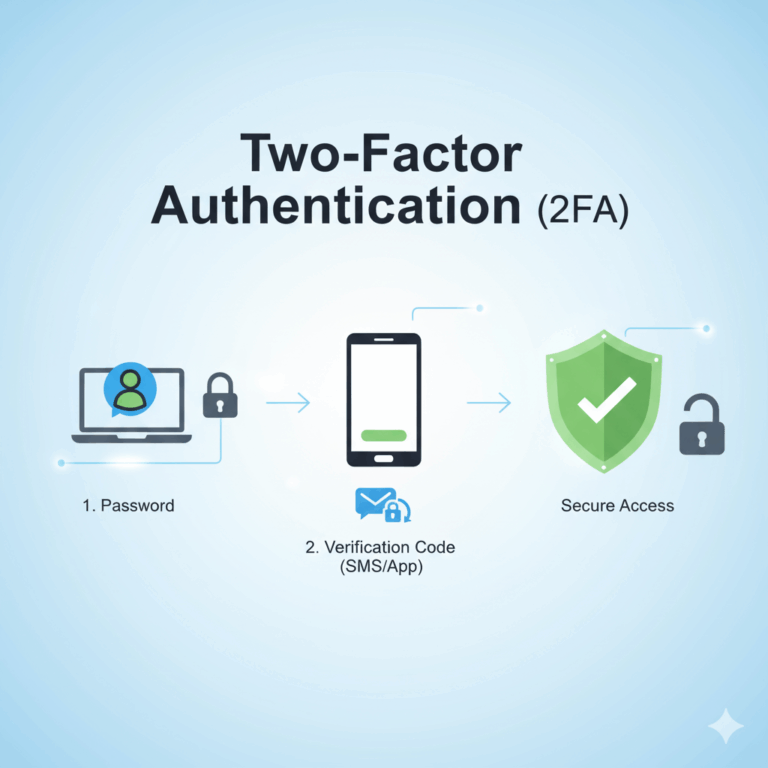
A two factor authentication solution is a security framework requiring users to provide two distinct forms of identification before granting access to a digital account or network. In 2026, these solutions prioritize phishing resistance, utilizing hardware tokens, biometrics, and cryptographic passkeys to eliminate the vulnerabilities associated with traditional passwords and easily intercepted SMS-based codes.
Contents
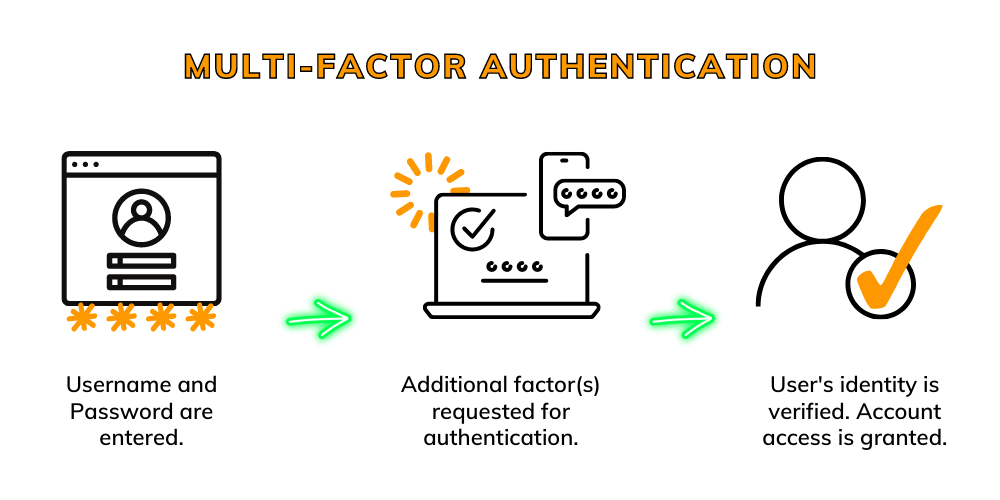
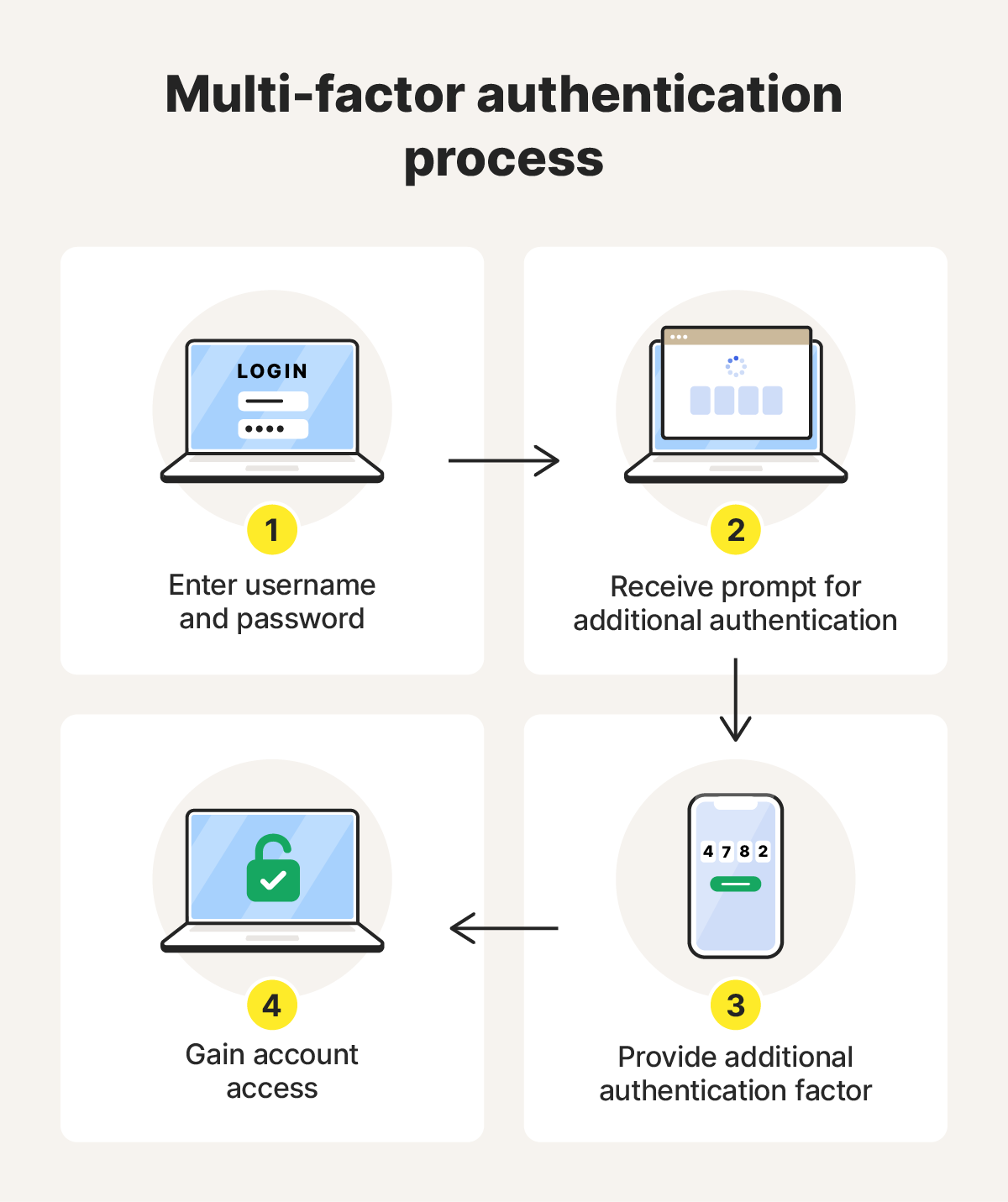
Two-factor authentication (2FA) has evolved from a luxury security feature to a mandatory requirement for both enterprise environments and personal data protection. As of 2026, the landscape of identity and access management (IAM) has shifted significantly toward "phishing-resistant" methods. While the term 2FA is often used interchangeably with Multi-Factor Authentication (MFA), the primary goal remains the same: ensuring that even if a password is compromised, an unauthorized party cannot gain access without the second factor.
The Core Components of 2FA Solutions
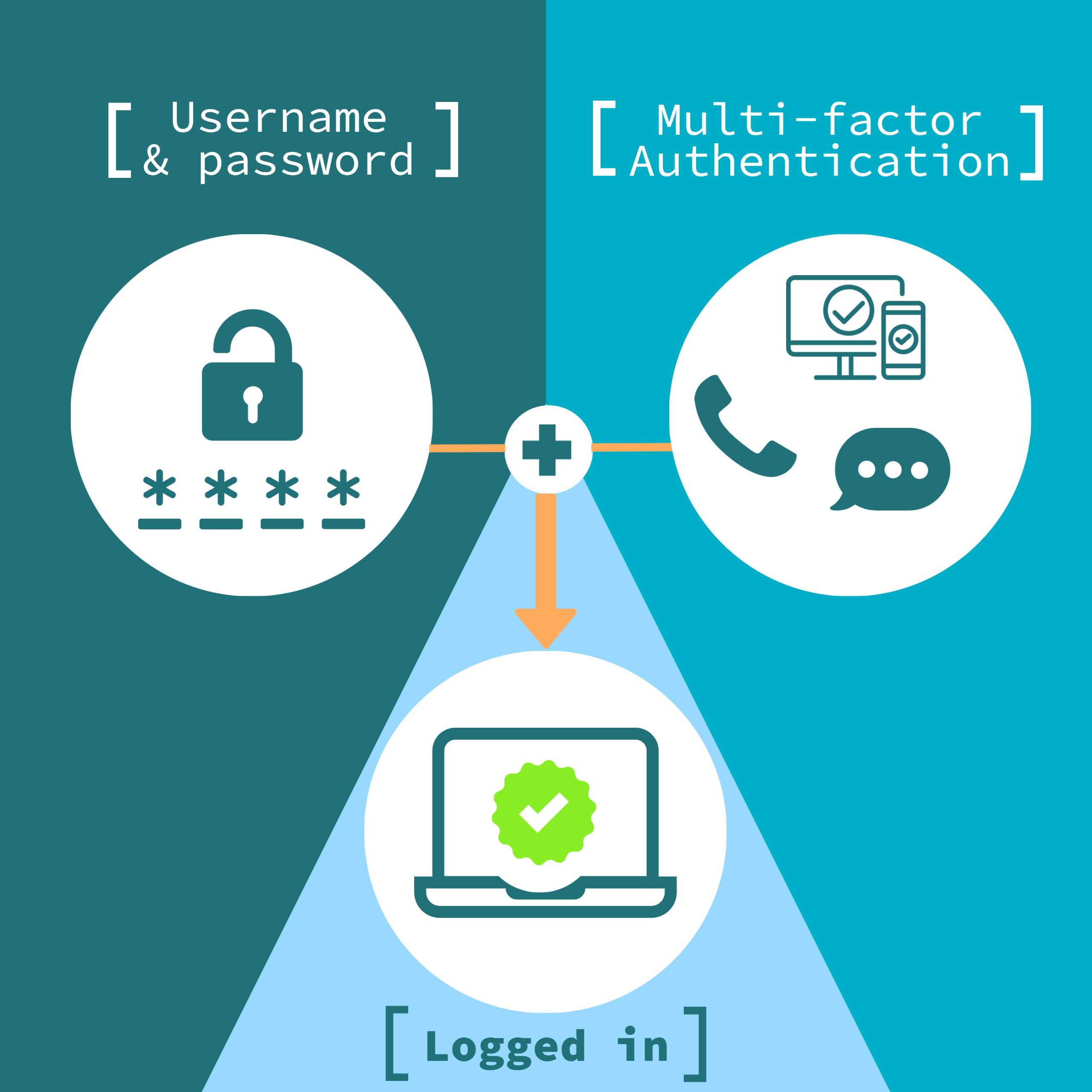
Modern 2FA solutions rely on three fundamental "factors" of authentication. To meet the definition of 2FA, a system must combine any two of these categories:
- Something You Know: This is typically a password, a personal identification number (PIN), or the answer to a secret question. While these are the most common, they are also the most susceptible to social engineering and brute-force attacks.
- Something You Have: This involves physical or digital objects, such as a smartphone running an authenticator app, a USB hardware security key (like a YubiKey), or a smart card.
- Something You Are: These are biometric markers, including fingerprints, facial recognition, or iris scans. In 2026, behavioral biometrics—such as typing rhythm or gait—are increasingly integrated into high-security 2FA solutions as continuous verification layers.
Why 2FA Methods Are No Longer Created Equal
In the early 2020s, many organizations relied heavily on SMS-based 2FA. However, the National Institute of Standards and Technology (NIST) and other global regulatory bodies have since downgraded the perceived security of "out-of-band" SMS and voice-based codes. These methods are vulnerable to SIM swapping and interception via SS7 protocol vulnerabilities.
In 2026, the industry has largely transitioned to FIDO2 and WebAuthn standards. These protocols allow for "passkeys," which use public-key cryptography to verify identity. Unlike a code typed into a website, a passkey involves a digital handshake between the device and the server that cannot be replicated by a phishing site.
The Rise of Phishing-Resistant MFA
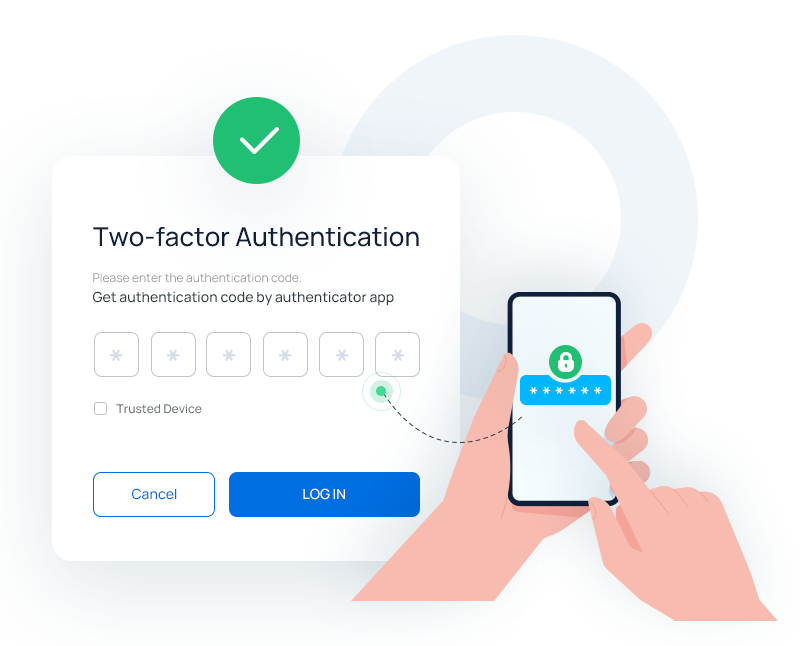
The most significant advancement in 2FA solutions is the move toward phishing resistance. Traditional 2FA, like Time-based One-Time Passwords (TOTP) from apps like Google Authenticator, can still be stolen if a user is tricked into entering the code into a fraudulent website. Phishing-resistant solutions, such as FIDO2 hardware keys, require a direct physical or proximity-based interaction that a remote attacker cannot simulate.
Comparing 2FA Solution Types
When selecting a 2FA solution for enterprise or personal use, it is essential to weigh the balance between security, user friction, and implementation cost.
| 2FA Method | Security Level | User Friction | Vulnerability | Best Use Case |
|---|---|---|---|---|
| SMS / Voice | Low | Very Low | SIM Swapping, Interception | Low-risk consumer apps |
| TOTP Apps | Moderate | Medium | Phishing, Device Theft | Standard personal accounts |
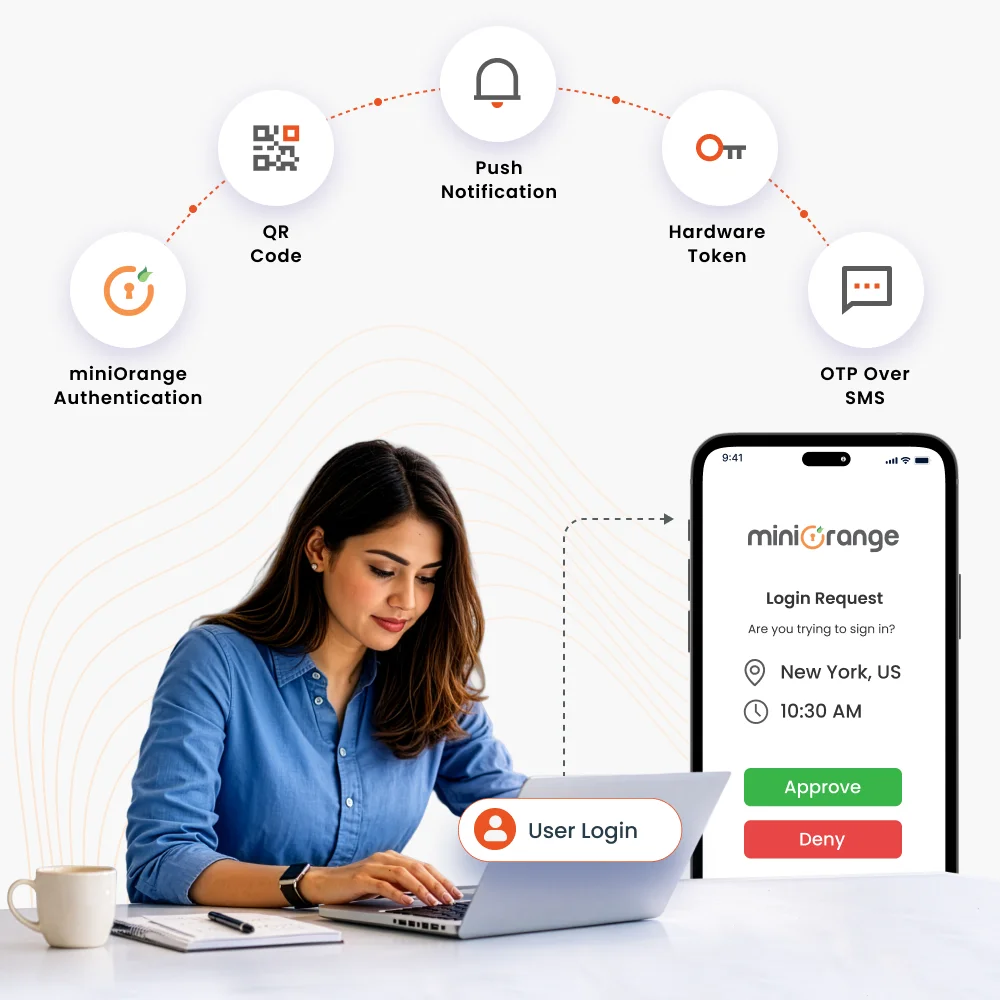
| Push Notification | High | Low | MFA Fatigue Attacks | General corporate access |
| Biometrics | High | Low | False Positives, Privacy | Mobile banking, Device unlock |
| Hardware Keys | Critical | Medium | Physical Loss | System Admins, High-value targets |
| Passkeys | Critical | Low | Cross-platform Syncing | Modern web authentication |
Strategic Implementation for Enterprises
For businesses, deploying a two factor authentication solution is not merely a technical task but a policy-driven initiative. Successful 2FA deployment in 2026 requires several prerequisites and integration steps.
Integration with Identity Providers (IdP)
Most modern 2FA solutions are integrated into broader Identity and Access Management (IAM) platforms such as Okta, Microsoft Entra ID (formerly Azure AD), or Duo Security. These platforms centralize the authentication process, allowing administrators to enforce 2FA across all company applications, whether they are on-premises or in the cloud.
Contextual and Risk-Based Authentication
Advanced solutions now use "adaptive" or "risk-based" authentication. This technology analyzes contextual data points—such as the user's geographic location, the health of the device being used, and the time of day—to determine the level of verification required. If a user logs in from a known office IP on a managed laptop, they might only need a simple push notification. If the login attempt comes from an unfamiliar country on an unmanaged device, the system may require a hardware key and biometric scan, or block the attempt entirely.
Compliance and Regulatory Requirements
In 2026, 2FA is no longer optional for industries governed by strict data protection laws. The General Data Protection Regulation (GDPR) in Europe and the Health Insurance Portability and Accountability Act (HIPAA) in the United States often necessitate multi-factor verification to prove "reasonable" security measures have been taken to protect sensitive data. Failure to implement a robust 2FA solution can lead to significant fines and legal liability in the event of a breach.
Common Challenges and Troubleshooting
Even the best two factor authentication solution can face operational hurdles. Organizations must plan for these common scenarios to ensure business continuity.
1. Lost or Broken Devices: This is the most common issue with 2FA. Organizations must have a secure "account recovery" process. In 2026, this often involves "identity proofing," where a user must present a government ID via a secure video link or use a pre-registered backup hardware key to regain access.
2. MFA Fatigue: Attackers often bombard a user with push notifications in the hope that the user will eventually click "Approve" just to stop the annoyance. Modern 2FA solutions mitigate this by using "number matching," where the user must type a specific digit shown on the login screen into their mobile app to confirm the request is legitimate.
3. Legacy System Compatibility: Older applications may not support modern protocols like OIDC (OpenID Connect) or SAML. In these cases, a 2FA solution might require a "proxy" or "gateway" that intercepts the login attempt and adds a 2FA layer before passing the authenticated credentials to the legacy app.
Selecting the Right Provider
When evaluating 2FA vendors in 2026, look for the following technical specifications:
- Protocol Support: Ensure the solution supports FIDO2/WebAuthn, TOTP, and Push.
- Offline Access: Some hardware-based solutions allow for authentication even when the device is not connected to the internet, which is critical for remote field workers.
- Self-Service Portals: To reduce IT support tickets, the solution should allow users to enroll their own devices and manage backups independently.
- Scalability: For enterprises, the solution must handle thousands of concurrent authentications without latency.
Frequently Asked Questions
Is SMS-based 2FA still safe to use in 2026?
While SMS-based 2FA is better than using a password alone, it is no longer considered secure for high-value accounts. In 2026, cybercriminals frequently use automated tools to intercept SMS codes. It is highly recommended to migrate to an authenticator app or hardware key whenever the service allows it.
What is the difference between 2FA and MFA?
Technically, 2FA is a subset of Multi-Factor Authentication (MFA). 2FA requires exactly two factors, while MFA can require two or more. In practice, most "2FA solutions" sold today are actually MFA platforms that offer the flexibility to add more layers if a high-risk situation is detected.
Do I need a 2FA solution if I use a password manager?
Yes. A password manager helps you use unique, complex passwords, but it does not protect you if your master password is stolen via a keylogger or phishing. A 2FA solution acts as the final gatekeeper that prevents an attacker from using those stolen credentials.
Can 2FA be hacked?
No security measure is 100% invincible. 2FA can be bypassed through sophisticated session hijacking (stealing session cookies), "Man-in-the-Middle" (MitM) attacks, or social engineering targeting the help desk to reset an account. However, using phishing-resistant 2FA (like FIDO2) makes these attacks significantly more difficult and expensive for hackers to execute.
What are Passkeys and are they 2FA?
Passkeys are a passwordless authentication method based on FIDO standards. They are inherently multi-factor because they require a "possession" factor (the device holding the private key) and an "inherence" or "knowledge" factor (biometrics or a screen lock PIN) to unlock the key. By 2026, passkeys have become the primary 2FA solution for most major consumer platforms like Google, Apple, and Microsoft.
Next Steps for Secure Access
To secure your environment, the first step is to perform an audit of all current entry points. For individuals, this means enabling 2FA on your primary email and financial accounts immediately, prioritizing authenticator apps over SMS. For organizations, the next action should be a transition plan toward phishing-resistant hardware keys or passkeys, starting with administrative and privileged accounts. By moving toward a modern two factor authentication solution, you significantly reduce the surface area for identity-based attacks and ensure compliance with 2026 security standards.
Image Gallery