The Best Yoga Gear for Comfort and Performance
Selecting the right yoga gear centers on balancing physical support, moisture management, and durability to ensure your practice remains focused and comfortable. High-quality equipment minimizes distractions caused by slipping, chafing...
Selecting the right yoga gear centers on balancing physical support, moisture management, and durability to ensure your practice remains focused and comfortable. High-quality equipment minimizes distractions caused by slipping, chafing, or inadequate cushioning, allowing practitioners to move through asanas with proper alignment and stability. Whether you are a beginner or a long-time practitioner, investing in gear engineered for specific biomechanical needs is essential for injury prevention and long-term consistency.
Contents
Understanding Core Yoga Gear Essentials
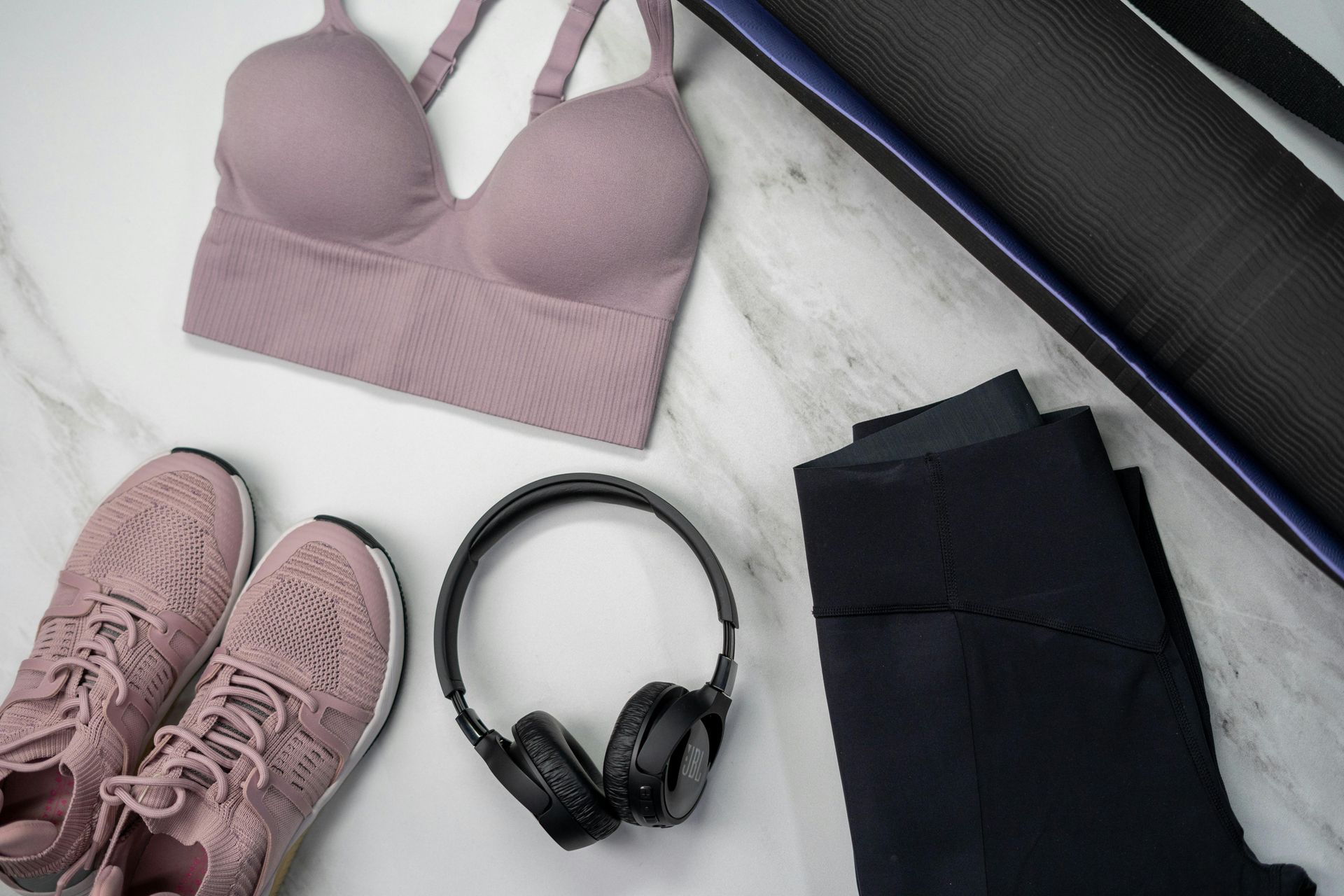
To build a reliable yoga kit, you must differentiate between fundamental equipment and optional accessories. Your primary investments should focus on three categories: the mat, apparel, and supportive props.
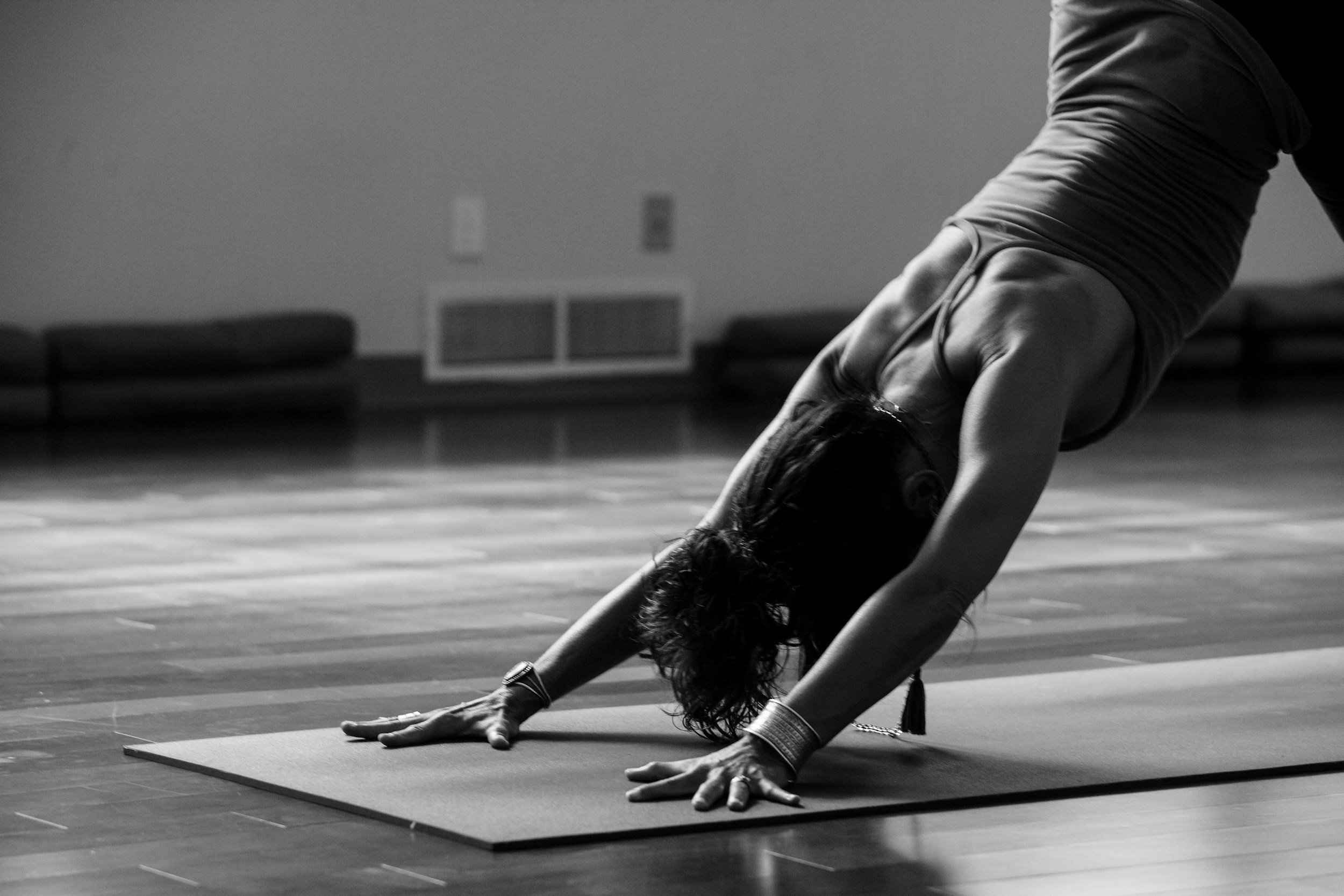
The yoga mat is your foundation. It serves two distinct purposes: providing a non-slip surface for traction and offering sufficient density to protect joints from hard studio or home flooring. Performance is dictated by material composition. Natural rubber mats offer superior grip, even in heated sessions, but may require more frequent cleaning. Synthetic alternatives, such as closed-cell PVC or TPE (Thermoplastic Elastomer), are often chosen for their lighter weight and ease of maintenance, though they may lack the tackiness of rubber.
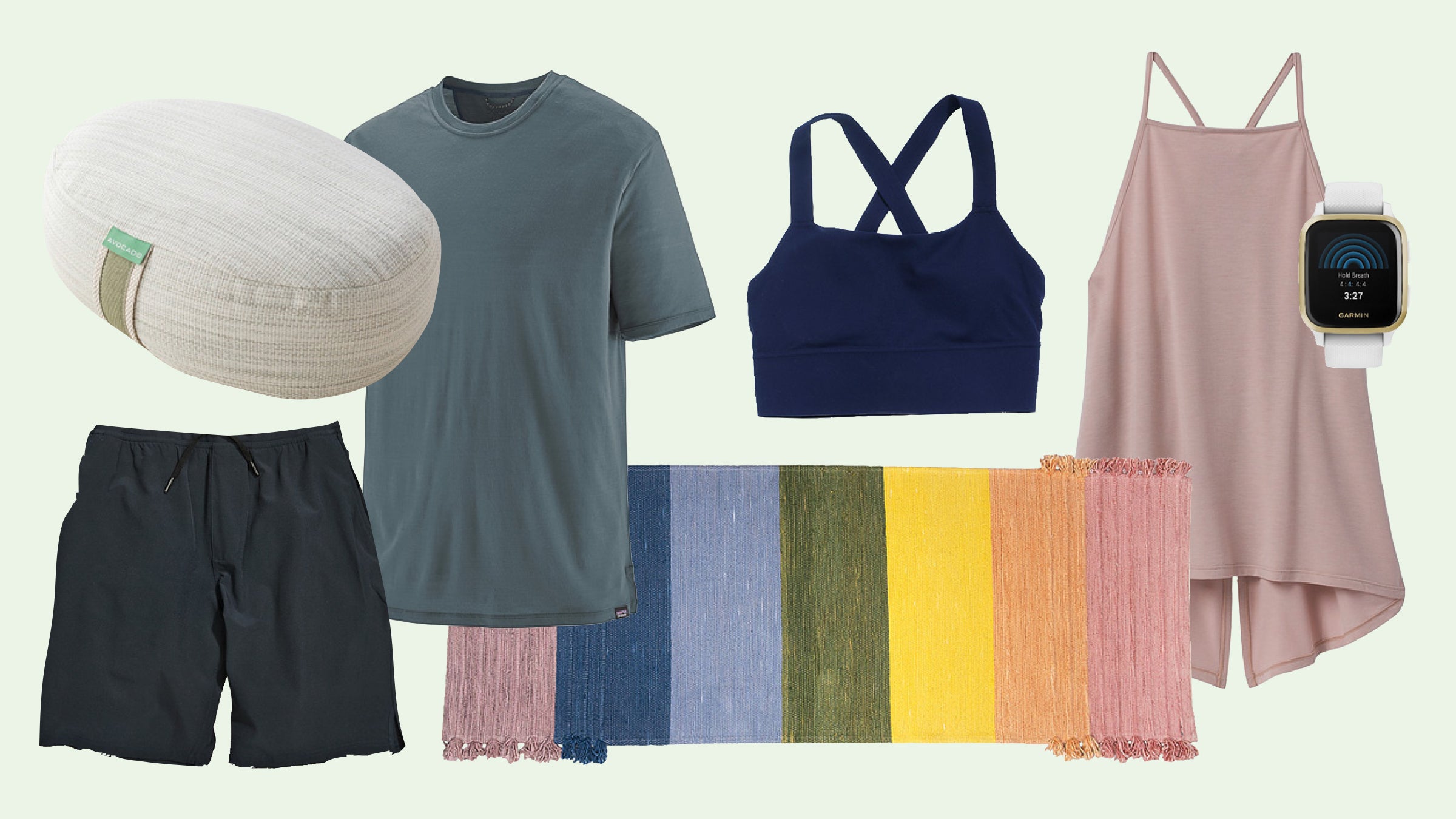
Apparel must balance compression, flexibility, and moisture-wicking properties. While aesthetics are a personal preference, the technical construction—specifically flatlock seams and four-way stretch fabric—is what dictates performance. Clothing that bunches or restricts blood flow inhibits range of motion, whereas fabrics designed for high-intensity activity ensure that sweat is pulled away from the skin, preventing the heavy, damp sensation that occurs during vigorous vinyasa or hot yoga.
Evaluating Mat Specifications for Stability
When comparing mats, evaluate them based on three technical metrics: thickness, texture, and surface energy.
- Thickness: Standard yoga mats are typically 3mm to 5mm. A 3mm mat offers better balance for standing poses, while a 5mm or 6mm mat provides more support for knees and sensitive joints.
- Texture: A textured surface improves grip by increasing the surface area contact between your skin and the mat. However, excessive texture can sometimes cause friction burns during rapid transitions.
- Closed-Cell vs. Open-Cell: Closed-cell mats do not absorb moisture, making them hygienic and easy to clean, but they can become slippery if you sweat heavily. Open-cell mats act like a sponge, drawing moisture away from the surface to maintain grip, but they require more rigorous cleaning to prevent the buildup of bacteria.
Comparing Essential Yoga Gear
| Equipment Type | Primary Benefit | Recommended Material | Best For |
|---|---|---|---|
| Professional Mat | Traction & Cushion | Natural Rubber | Vinyasa, Hot Yoga |
| Yoga Blocks | Alignment Support | High-Density Cork | Restorative, Iyengar |
| Compression Leggings | Muscle Stability | Nylon/Spandex Blend | High-Intensity Flow |
| Microfiber Towel | Moisture Management | Recycled Polyester | Heated Environments |
The Role of Props in Proper Alignment
Yoga blocks, straps, and bolsters are not "crutches" for beginners; they are essential tools for maintaining structural integrity.
Blocks are used to bring the floor closer to you, allowing you to maintain a neutral spine in poses like Trikonasana (Triangle Pose) or Ardha Chandrasana (Half Moon). When selecting blocks, density is the deciding factor. Cork blocks are heavy, stable, and firm, making them ideal for restorative work where you need unwavering support. Foam blocks are lightweight and soft, which provides comfort during long-held poses but may lack the stability required for heavy weight-bearing.
Straps facilitate correct alignment by acting as an extension of the limbs. For individuals with tighter hamstrings or limited shoulder mobility, a strap allows for the completion of a pose without compromising the alignment of the shoulders or pelvis. Always check that the buckle mechanism on a strap is secure and non-slip, as metal D-rings or cinch buckles are far superior to plastic clips for heavy resistance.
Material Science in Yoga Apparel
The shift in 2026 toward high-performance technical fabrics has prioritized "second-skin" technology. Manufacturers are increasingly using synthetic blends that prioritize breathability and longevity. Look for labels indicating "four-way stretch," which ensures the fabric recovers its shape after being stretched in multiple directions.
Avoid 100% cotton garments for active yoga classes. Cotton absorbs moisture, becomes heavy, and takes significantly longer to dry, which can lower body temperature rapidly during the cooling-down phase of a practice. Instead, prioritize garments containing recycled polyester or nylon mixed with spandex or elastane. These materials provide the necessary compression to support muscle engagement while remaining lightweight.
Maintenance and Longevity
The longevity of your gear depends on your maintenance routine. Mats, in particular, are prone to losing their "tackiness" if soap residue or natural oils from the skin are allowed to accumulate.
- Post-Practice: Wipe your mat down with a mild solution of water and a small amount of non-abrasive cleaner. Avoid harsh chemicals like bleach, which can degrade rubber and synthetic foam.
- Drying: Always allow your mat to air dry completely out of direct sunlight. Ultraviolet light can break down the molecular bonds in rubber, causing it to crack and crumble over time.
- Apparel Care: Wash technical fabrics in cold water on a delicate cycle and avoid fabric softeners. Softeners coat the synthetic fibers, effectively neutralizing the moisture-wicking properties that were engineered into the garment.
Frequently Asked Questions
How thick should my yoga mat be for joint comfort? If you have sensitive knees or wrists, a 5mm to 6mm mat is recommended. This extra thickness provides the necessary padding for floor-based poses, though it may slightly reduce your stability during balancing poses compared to a thinner, denser mat.
Do I need a mat towel if I don’t practice hot yoga? A mat towel is primarily used to absorb sweat in high-heat environments. If you do not practice in a heated room, a high-quality mat with sufficient natural grip should suffice. You only need a towel if you notice yourself slipping during standard practice.
Why are cork blocks better than foam blocks? Cork blocks offer higher density and weight. This provides a more stable foundation, especially for arm balances or standing postures where you need to apply significant pressure into the block without it compressing or tilting.
Can I use the same gear for Pilates and yoga? While there is overlap, Pilates gear often requires a slightly thicker, squishier mat to accommodate rolling exercises and floor work. Yoga gear, conversely, prioritizes stability and grip. Using a very soft Pilates mat for yoga may make balancing poses feel unstable.
Next Steps for Your Practice
To optimize your setup, start by assessing your most frequent type of practice. If you find yourself sliding during transitions, prioritize upgrading to a natural rubber mat with an open-cell structure. If you frequently struggle with reach in seated folds or shoulder openers, integrate a 6-to-8-foot cotton strap into your routine. Consistent use of high-quality gear not only improves the physical comfort of your practice but also encourages a safer, more sustainable progression of your skills over time.
Image Gallery