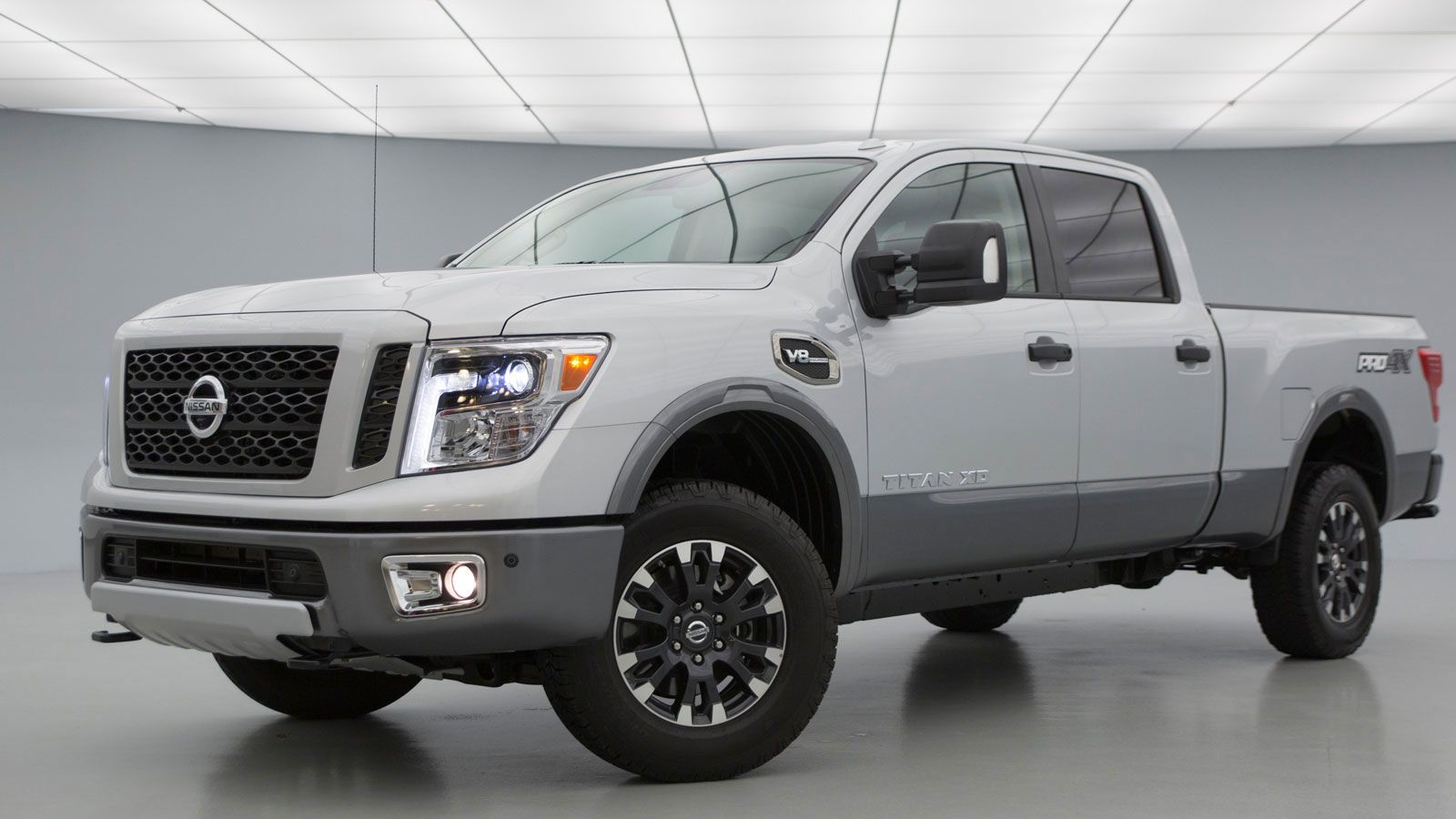
Understanding Why the Nissan Titan XD Diesel Holds 10 Quarts of Oil
The Nissan Titan XD equipped with the 5.0L Cummins V8 Turbo Diesel engine requires a substantial 10-quart oil capacity to manage the extreme thermal loads, high-pressure lubrication requirements, and extended duty cycles inherent to a...
The Nissan Titan XD equipped with the 5.0L Cummins V8 Turbo Diesel engine requires a substantial 10-quart oil capacity to manage the extreme thermal loads, high-pressure lubrication requirements, and extended duty cycles inherent to a heavy-duty diesel platform. This design ensures consistent oil film strength, effective soot management, and prolonged component longevity under the rigorous demands of towing and hauling.
Contents
The Engineering Necessity of Oil Capacity
In automotive engineering, the size of an oil sump is rarely arbitrary. It is a calculated variable influenced by the engine's physical displacement, power output, and intended application. When Nissan partnered with Cummins to integrate the 5.0L V8 Turbo Diesel into the Titan XD, the engine was designed as a "light-heavy-duty" powerhouse.
Diesel engines, by nature, generate significantly more internal cylinder pressure and heat than their gasoline counterparts. This heat must be dissipated efficiently to prevent oil breakdown—a process known as thermal degradation. A larger oil volume allows the lubricant to spend more time cooling in the sump before being recirculated. In the case of the Titan XD, 10 quarts provide a thermal buffer that ensures the oil remains within its optimal viscosity range, even when the vehicle is under heavy load or climbing steep grades in hot weather.
Lubrication and Component Protection
The Cummins 5.0L engine utilizes a high-pressure common-rail fuel injection system and a robust turbocharger. The turbocharger bearings, in particular, rely on pressurized engine oil for both lubrication and cooling. As turbochargers spin at incredibly high RPMs, the heat generated can "coke" the oil—turning it into carbon deposits—if the oil volume is insufficient or the quality is poor.
By maintaining a 10-quart capacity, the lubrication system ensures:
- Extended Additive Life: Oil additives, such as detergents and dispersants, deplete over time. A larger volume of oil contains more of these additives, allowing them to combat soot and contaminants for a longer duration between service intervals.
- Soot Suspension: Diesel combustion naturally creates soot, which can thicken oil and cause internal wear. The larger oil capacity provides a greater medium to dilute and suspend these soot particles, preventing them from coalescing into sludge that could clog oil galleries.
- Pressure Stability: During heavy acceleration or towing, the oil pump must maintain consistent pressure. A deeper sump with a higher volume ensures that the oil pick-up tube remains submerged even during changes in vehicle attitude, such as steep inclines or declines, preventing the engine from ever being starved of lubricant.
Comparison of Oil Capacities in Modern Trucks
To contextualize why 10 quarts is standard for this specific engine, it is helpful to look at how other diesel-powered platforms approach fluid management.
| Engine Platform | Displacement | Oil Capacity (Approx.) | Primary Focus |
|---|---|---|---|
| Cummins 5.0L V8 | 5.0L | 10 Quarts | Heavy-Duty Towing |
| Nissan 5.6L Gas V8 | 5.6L | 7 Quarts | Light-Duty Payload |
| Duramax 6.6L V8 | 6.6L | 10 Quarts | Industrial Performance |
| Ford 6.7L Powerstroke | 6.7L | 13 Quarts | High-Torque Utility |
As shown in the table, the 10-quart requirement for the Nissan Titan XD diesel aligns it with true heavy-duty diesel engines rather than standard gasoline passenger vehicle engines, which typically operate in the 5- to 8-quart range.
Practical Implications for Owners
For owners of the Nissan Titan XD, the 10-quart capacity translates into specific maintenance considerations. Owners must be prepared for higher costs during scheduled oil changes compared to gasoline trucks. Because the engine requires such a significant volume of specialized CJ-4 or CK-4 diesel-rated synthetic oil, the total cost of materials—including the larger-than-average oil filter—is higher.
It is critical to use the exact oil specification recommended by Nissan. Modern diesel engines are highly sensitive to oil viscosity (typically 5W-40 or 15W-40 synthetic) because the oil is used not only for lubrication but also for actuating various internal hydraulic components. Using the wrong oil or failing to provide the full 10 quarts can lead to decreased fuel economy, increased wear on the turbocharger, or potential failure of the emissions control systems, such as the Diesel Particulate Filter (DPF).
Frequent Maintenance Pitfalls
Many owners wonder if they can "stretch" the interval because of the large oil capacity. While 10 quarts do provide a robust buffer, the service interval should never be ignored. Diesel soot accumulation is a constant factor; even with 10 quarts, the chemical breakdown of the oil is accelerated by the chemistry of diesel combustion.
Always check your oil level on level ground after the engine has cooled slightly. Because of the sheer volume of oil, it takes longer for the fluid to drain back into the pan from the upper reaches of the engine after a run. Checking the dipstick immediately after shutting off the engine often results in a false "low" reading. Waiting 10 to 15 minutes allows for an accurate measurement.
Frequently Asked Questions
Does the 10-quart capacity mean I can wait longer between oil changes? While the large capacity helps in managing contaminants, you must follow the manufacturer's specified service intervals. Diesel combustion chemistry is demanding, and the oil’s ability to neutralize acids and suspend soot will eventually reach its limit regardless of the volume.
Can I use a different viscosity if I live in a cold climate? Always adhere to the owner’s manual recommendations. Nissan specifies the viscosity range based on ambient temperature. Using an improper viscosity can prevent the oil from circulating quickly enough during a cold start, potentially causing severe internal damage to the turbocharger.
Why does the oil filter look so large on this truck? The oil filter on the Titan XD diesel is oversized to maintain flow rates and filtration surface area. A smaller filter would reach its "clogging" threshold faster, which would trigger the bypass valve, allowing unfiltered oil to circulate through the engine.
Is it safe to run the engine if the oil is a half-quart low? While the engine will generally operate safely, it is recommended to maintain the full 10-quart capacity. Diesel engines operate under high pressures; maintaining the maximum allowable volume ensures the best cooling efficiency and the highest safety margin against oil aeration.
Final Recommendation
To ensure the longevity of your Nissan Titan XD, strictly follow the oil change intervals outlined in your 2026 service manual. Always use high-quality, diesel-rated synthetic oil and a premium oil filter designed to handle the 10-quart volume. When performing the change yourself, ensure the vehicle is on a perfectly flat surface, allow sufficient time for drainage, and verify the oil level via the dipstick after a brief idle period to confirm no leaks and a correct fill level.
Image Gallery