Choosing the Best Carry-On for Men: A Guide to Durability, Utility, and Compliance
Selecting the best carry-on for men involves balancing strict airline size constraints with the functional demands of business or leisure travel. The ideal bag prioritizes high-quality materials, efficient internal organization, and sm...
Selecting the best carry-on for men involves balancing strict airline size constraints with the functional demands of business or leisure travel. The ideal bag prioritizes high-quality materials, efficient internal organization, and smooth maneuverability, ensuring that your belongings remain protected and accessible throughout your journey while meeting international and domestic overhead bin requirements.
Contents
Understanding Carry-On Regulations and Constraints
Before investing in luggage, it is essential to recognize that there is no universal standard for carry-on dimensions. While many major carriers align with the International Air Transport Association (IATA) recommendation—which suggests a maximum size of 56 x 45 x 25 cm (22 x 18 x 10 inches)—individual airline policies vary significantly.
In the United States, most legacy carriers such as Delta, United, and American Airlines utilize a 22 x 14 x 9-inch (56 x 35 x 23 cm) limit. Budget airlines, however, frequently impose stricter dimensions, particularly if you are flying on a "Basic Economy" ticket, which may only permit a personal item that fits under the seat in front of you. Always verify the specific size and weight limits on your airline’s official website prior to travel to avoid gate-checking fees and the potential damage associated with cargo handling.
Hard-Shell vs. Soft-Side Luggage
The debate between hard-shell and soft-side luggage is central to choosing the right bag. Each material offers distinct trade-offs depending on your travel habits.
Hard-Shell Suitcases
Constructed from materials such as polycarbonate or aluminum, hard-shell cases provide superior protection for fragile items, such as electronics or suits. Polycarbonate is favored for its flexibility and ability to absorb impact, which prevents cracking. Many modern hard-shell cases feature a "clamshell" opening, splitting the storage into two equal halves. This design is excellent for organization but requires more floor space to open fully in a hotel room.
Soft-Side Suitcases
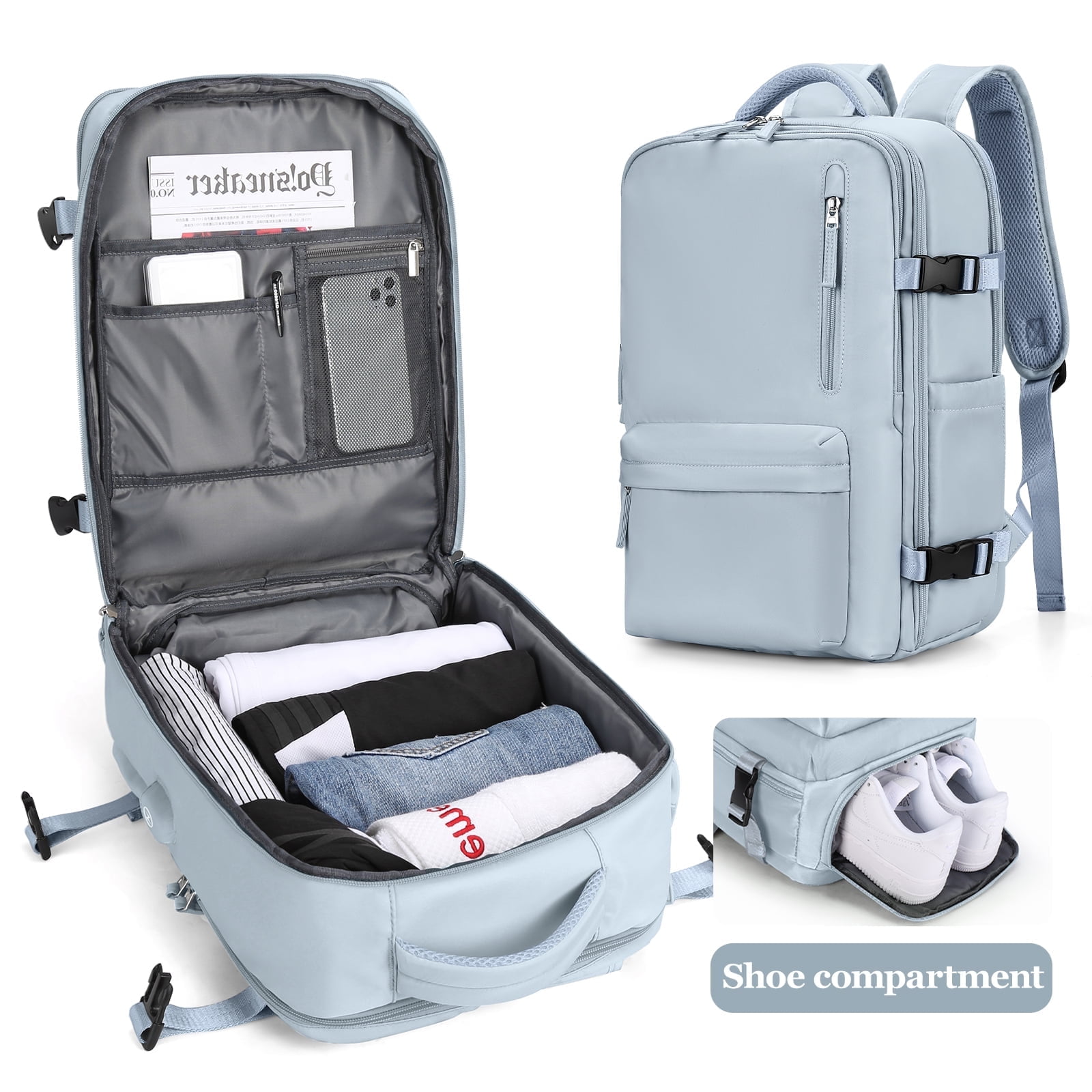
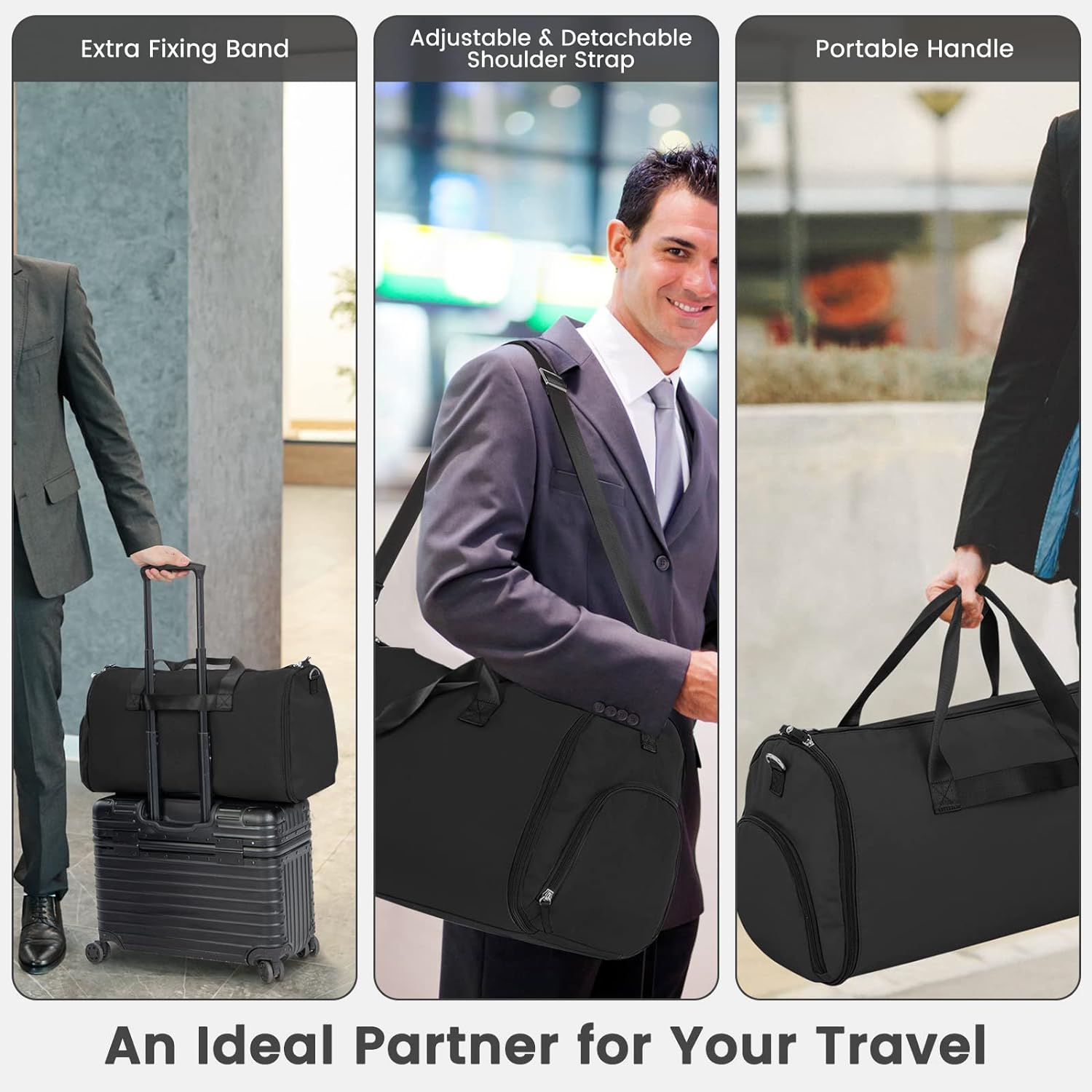
Soft-side bags are typically made from ballistic nylon or polyester. These materials are inherently more resistant to abrasions and tears. The primary advantage of soft-side luggage is the inclusion of external pockets, which allow for quick access to travel documents, laptops, or toiletries without opening the main compartment. Additionally, many soft-side bags feature expandable gussets, providing extra capacity when needed, though this may push the bag beyond airline size limits when fully packed.
Critical Features for Professional Travel
When evaluating carry-ons, focus on features that enhance longevity and ease of transit. These components are frequently subjected to the most wear and tear.
- Wheel Systems: High-quality spinner wheels (360-degree rotation) are essential for navigating terminals, while two-wheeled "rollaboard" models offer better stability on uneven surfaces and generally provide more internal volume. Look for wheels with sealed ball bearings to ensure a smooth, quiet glide.
- Telescoping Handles: The handle should lock securely at multiple heights to accommodate different users. Minimal "wobble" in the handle assembly is a strong indicator of build quality.
- Internal Compression: Look for interior compression straps or padded dividers. These features secure clothing, minimizing wrinkles and preventing the contents from shifting during transit.
- Security Features: Integrated TSA-approved locks are the standard for 2026. These allow security agents to open and inspect your bag without damaging the locking mechanism.
Comparison of Carry-On Luggage Categories
The following table categorizes luggage types based on material composition and intended use cases to help you align a model with your specific travel profile.
| Luggage Type | Primary Material | Best For | Weight Profile |
|---|---|---|---|
| Aluminum Hard-Shell | Aluminum Alloy | Maximum protection, aesthetic | Heavy |
| Polycarbonate Spinner | Polycarbonate | Versatility, balanced protection | Light/Medium |
| Ballistic Nylon Soft-Side | Nylon | Frequent business, extra storage | Medium |
| Hybrid/Weekender | Fabric/Leather | Short trips, versatility | Lightweight |
Packing Strategies to Maximize Limited Space
Even the best carry-on will become inefficient if poorly packed. Maximizing space requires a systematic approach. Utilizing packing cubes is one of the most effective ways to compartmentalize clothing, keeping trousers, shirts, and undergarments separated and compressed.
For business travelers, suit storage is a frequent concern. A garment sleeve or a specialized suiter attachment within the carry-on helps maintain the structure of blazers and dress shirts. If your luggage lacks these, folding your suit jacket inside out and placing it in a dry-cleaning bag can help prevent deep creasing during transport. Always place heavy items, such as footwear or toiletry kits, at the bottom of the bag near the wheels to maintain a low center of gravity, which prevents the suitcase from tipping over.
Maintenance and Longevity
High-quality luggage is a long-term investment. To ensure your carry-on lasts, perform basic maintenance every few trips. Inspect the wheels for debris or hair that can impede rotation; removing this buildup regularly prevents premature wear. For soft-side bags, spot-clean fabric with mild soap and water to prevent dirt from becoming embedded in the weave. If using a polycarbonate bag, scuffs can often be minimized using a melamine foam sponge. If any component—especially the handle or wheel assembly—begins to fail, check the manufacturer’s warranty status immediately; many premium brands offer limited lifetime warranties that cover functional hardware failures.
Frequently Asked Questions
Do I need a four-wheel spinner or a two-wheel rollaboard?
Spinner wheels are easier to maneuver through crowded terminals and narrow airplane aisles, as they can be pushed upright. Two-wheel models offer a more robust frame, larger wheel diameter, and better performance on carpets or uneven outdoor terrain. Choose based on your primary environment.
Can I bring a carry-on and a backpack?
Most airlines permit one carry-on bag (for the overhead bin) and one personal item (such as a laptop backpack or messenger bag) that must fit under the seat. Always ensure your personal item is small enough to meet these dimensions to avoid being forced to check your carry-on at the gate.
Are aluminum suitcases worth the extra cost?
Aluminum cases provide the highest level of protection and have a distinct aesthetic, but they are significantly heavier and more prone to visible dents and scratches than polycarbonate. They are ideal for high-value cargo but less practical if you are concerned about meeting strict airline weight limits.
How do I handle liquids in a carry-on?
Under standard international security protocols, liquids, gels, and aerosols must be in containers of 100ml (3.4 oz) or less and contained within a single, clear, quart-sized resealable bag. Keep this bag in an easily accessible exterior pocket or at the top of your main compartment for efficient security screening.
What should I do if my carry-on is damaged by an airline?
If your bag is damaged while in the airline's possession, you must report it to the baggage service office at the airport before you leave the terminal. Document the damage with photos and keep a copy of the official incident report filed with the airline to facilitate any potential claims.
Recommendation for Selection
When choosing your next carry-on, prioritize the balance between the weight of the empty bag and its internal capacity. For the frequent traveler, a polycarbonate spinner provides the best ratio of protection to weight. If your travel is primarily by car or train, a high-denier ballistic nylon soft-side bag may offer greater durability against rough handling and allow for more flexible packing. Regardless of the brand, prioritize models with replaceable wheels and handles, as these are the parts most likely to fail over years of service. Inspect the warranty terms before purchasing to confirm that the manufacturer supports repairs, as this is the mark of a truly professional-grade travel product.
Image Gallery