Ernie Johnson and His Impact on Major League Baseball
Ernie Johnson Sr. was a versatile Major League Baseball figure who successfully transitioned from a professional pitcher to a long-tenured radio and television broadcaster. His legacy in the sport is defined by his nine-season career a...
Ernie Johnson Sr. was a versatile Major League Baseball figure who successfully transitioned from a professional pitcher to a long-tenured radio and television broadcaster. His legacy in the sport is defined by his nine-season career as a relief pitcher for the Boston/Milwaukee Braves and his subsequent four-decade career as the primary voice of the Atlanta Braves, bridging the gap between the team’s move to the South and its rise to national prominence.
Contents
The Playing Career: A Foundation in Professionalism
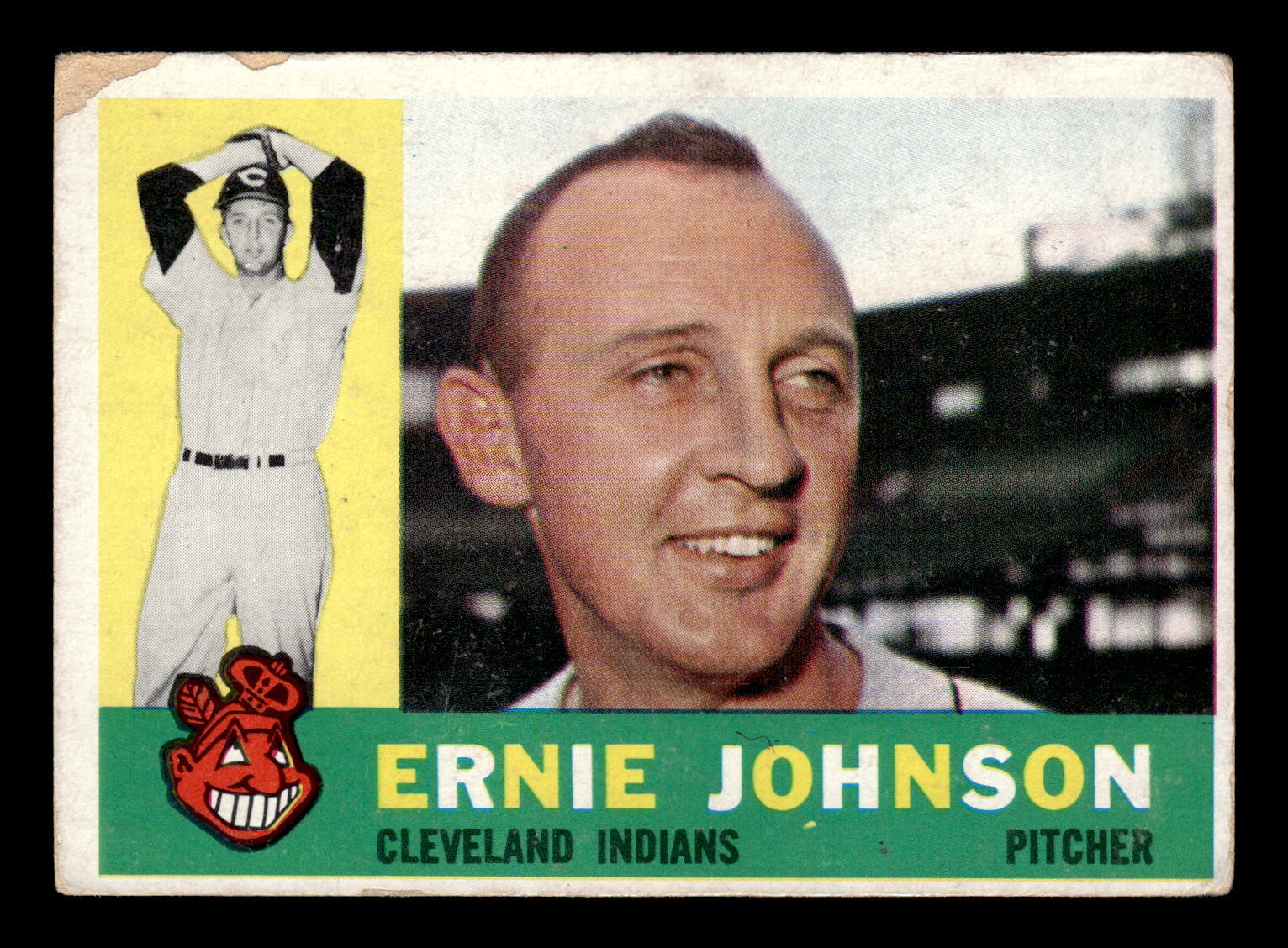
Ernie Johnson, born Ernest Thorwald Johnson in 1924, entered professional baseball during a transitional era for the sport. His career as a major league pitcher spanned from 1950 to 1959. Although his tenure was brief by the standards of modern legendary status, his time on the mound provided him with an intimate understanding of the game's mechanics—a perspective that would later become the cornerstone of his broadcasting identity.
Johnson pitched primarily for the Boston Braves, remaining with the franchise as they relocated to Milwaukee in 1953. As a relief pitcher, he functioned during an era where the role of the "bullpen specialist" was still evolving. His statistics reflect a consistent, albeit role-specific, contributor; he finished his playing career with a 40–23 record and a 4.19 ERA. More importantly, his experience inside the clubhouse—navigating the stresses of pennant races and the camaraderie of the post-war baseball environment—gave him the "insider" credibility that viewers demand of their commentators. When he eventually moved to the broadcast booth, he wasn't just observing the game; he was explaining it through the lens of someone who had faced the hitters he was now describing.
The Transition to the Booth: Building a Broadcast Legacy
The transition from athlete to broadcaster is common, but sustained excellence in that field is rare. Following his retirement from pitching, Johnson joined the Atlanta Braves broadcasting team in 1962, remaining with the organization until his retirement in 1999. His role in MLB evolved from that of a former player sharing anecdotes into the role of a permanent institutional voice.
For many baseball fans in the Deep South, Johnson was synonymous with the Atlanta Braves. During the 1970s and 1980s, when the Braves’ reach was expanded exponentially via Ted Turner’s WTBS "Superstation," Johnson became a household name across the United States. His broadcast style was characterized by a measured, calm delivery—a sharp contrast to the more frenetic, high-octane announcing styles that would emerge in later decades. He served as a steady guide for fans during the team’s lean years, as well as their resurgence in the early 1990s.
Comparing Roles: The Athlete vs. The Broadcaster
To understand Ernie Johnson’s impact, one must look at the duality of his professional life. The following table contrasts his dual roles within the MLB ecosystem.
| Feature | Playing Career (1950–1959) | Broadcasting Career (1962–1999) |
|---|---|---|
| Primary Team | Boston/Milwaukee Braves | Atlanta Braves |
| Role | Relief Pitcher | Play-by-Play / Color Analyst |
| Primary Skill | Command, endurance, situational focus | Storytelling, timing, regional advocacy |
| Influence | Team contributor / Roster depth | Institutional voice / Cultural icon |
| Scope | Local team engagement | National reach (via TBS Superstation) |
The "Superstation" Era and National Reach
A significant component of Ernie Johnson’s role in MLB history is tied to the advent of cable television. In the late 1970s and 1980s, the Atlanta Braves were broadcast nationally on WTBS. While players like Dale Murphy were the face of the team on the field, Ernie Johnson was the face—and voice—of the team in the living rooms of millions of viewers across the country.
This period changed the business model of MLB. Before the Superstation era, baseball coverage was largely localized; local fans watched their local team. Johnson was among the first generation of broadcasters to narrate games for a national audience that had no regional loyalty to the Braves. He had to balance his role as a team advocate with the responsibility of educating a diverse, nationwide audience about the nuances of the game. His ability to explain complex tactical decisions—such as the positioning of infielders or the strategic choice of a relief pitcher—helped cultivate a more sophisticated baseball fanbase.
Technical Expertise and Broadcasting Ethics
Beyond his pleasant demeanor, Johnson was technically proficient. He utilized the broadcast booth to teach the game’s fundamentals. He was rarely prone to hyperbole; instead, he relied on timing and the "space" between calls to let the game’s natural drama dictate the broadcast's energy. This ethical approach to broadcasting—prioritizing the game over the commentator's ego—set a standard for sports journalism in the late 20th century.
His expertise was not merely in calling the play, but in context. He knew how to frame a mid-game pitching change in the context of the entire series, a skill honed by his nine years in the major leagues. He recognized that for the viewer, the game is a narrative. By maintaining that perspective, he ensured that his broadcasts were coherent, informative, and aligned with the professional standards of the era.
FAQ: Understanding Ernie Johnson's Historical Contribution
1. Was Ernie Johnson a Hall of Fame player? No, he was not a Hall of Fame player. His significance to MLB is categorized primarily by his longevity and influence as a broadcaster rather than his statistical achievements as a player, though he remained a highly respected professional during his pitching career.
2. Why is he associated with the Atlanta Braves specifically? He was the team’s primary broadcaster for 37 years. His tenure spanned the team’s most formative years, including the transition to national prominence through the TBS Superstation, making him the definitive voice of the franchise for nearly four decades.
3. What made his broadcast style unique? Johnson was known for his calm, understated delivery. He prioritized providing clear, concise information and context over creating artificial excitement, a style that prioritized the viewer’s ability to understand the game’s complexities.
4. Did Ernie Johnson influence modern MLB broadcasting? Yes. Through his long career and his exposure on the TBS Superstation, he influenced how local broadcasters frame games for national audiences, emphasizing the importance of team history and the technical understanding of on-field strategy.
Next Steps for Students of Baseball History
For those interested in exploring the evolution of sports broadcasting, it is recommended to review archived game footage from the 1980s involving the Atlanta Braves. Observing the cadence and information-density of those broadcasts provides a clear case study in how the "voice of the team" can shape public perception of a franchise. Additionally, looking into the records of the Braves organization during the transition from Milwaukee to Atlanta reveals how essential figures like Johnson were in maintaining continuity for a fan base undergoing massive geographic and cultural change.
By studying the life and career of Ernie Johnson, one gains insight into the professional infrastructure of 20th-century baseball—a system where the relationship between the athlete, the broadcaster, and the fan was defined by consistency, technical mastery, and long-term organizational loyalty.
Image Gallery