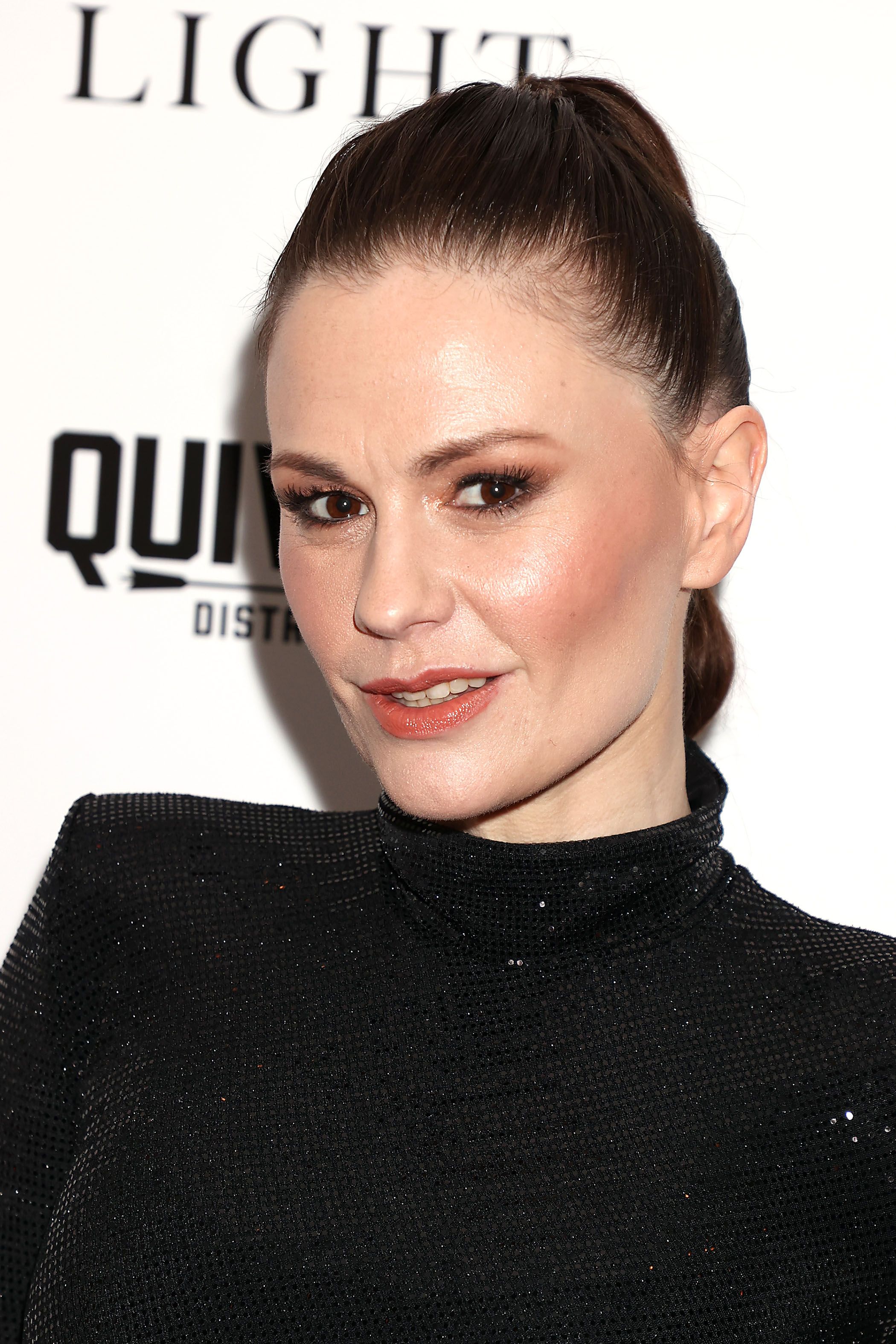
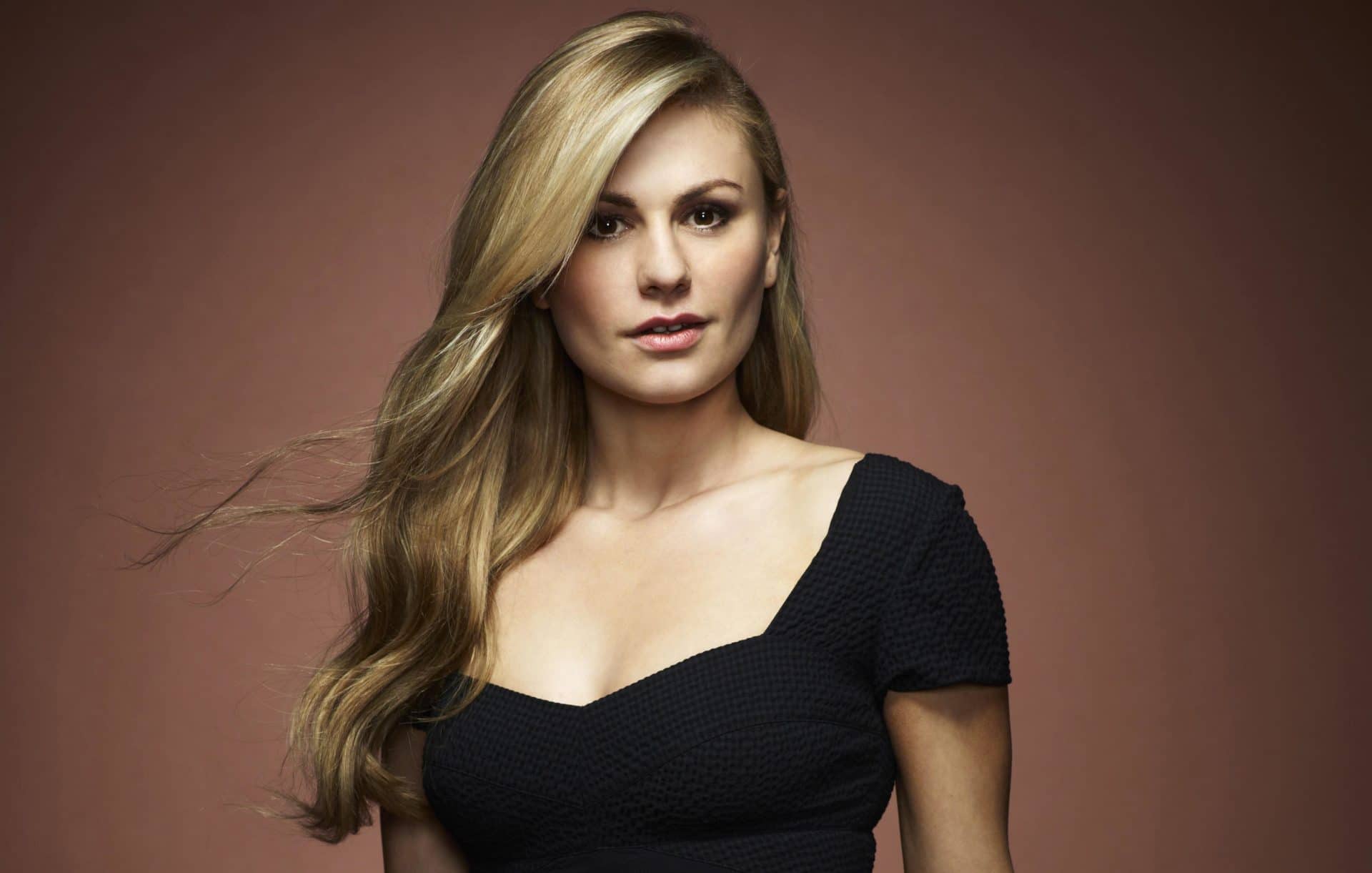
The Significance of Anna Paquin’s Appearance in The Irishman
In Martin Scorsese’s 2019 epic The Irishman, Anna Paquin portrays the adult Peggy Sheeran, the daughter of the protagonist Frank Sheeran. Despite the film’s three-and-a-half-hour runtime, Paquin speaks only seven words of dialogue: "Wh...
In Martin Scorsese’s 2019 epic The Irishman, Anna Paquin portrays the adult Peggy Sheeran, the daughter of the protagonist Frank Sheeran. Despite the film’s three-and-a-half-hour runtime, Paquin speaks only seven words of dialogue: "Why? Why haven't you called Jimmy?" This creative choice serves as a powerful thematic device, representing Peggy’s silent moral judgment and permanent estrangement from her father following his betrayal of Jimmy Hoffa.
Contents
The Role of Peggy Sheeran: A Moral Compass in Silence
Anna Paquin’s appearance as Peggy Sheeran is one of the most debated casting and directorial decisions in modern cinema. To understand why her role was structured this way, one must look at the character's trajectory from childhood to adulthood. For much of the film, Peggy is played by Lucy Gallina, who portrays the character as a perceptive child witnessing her father’s casual brutality.
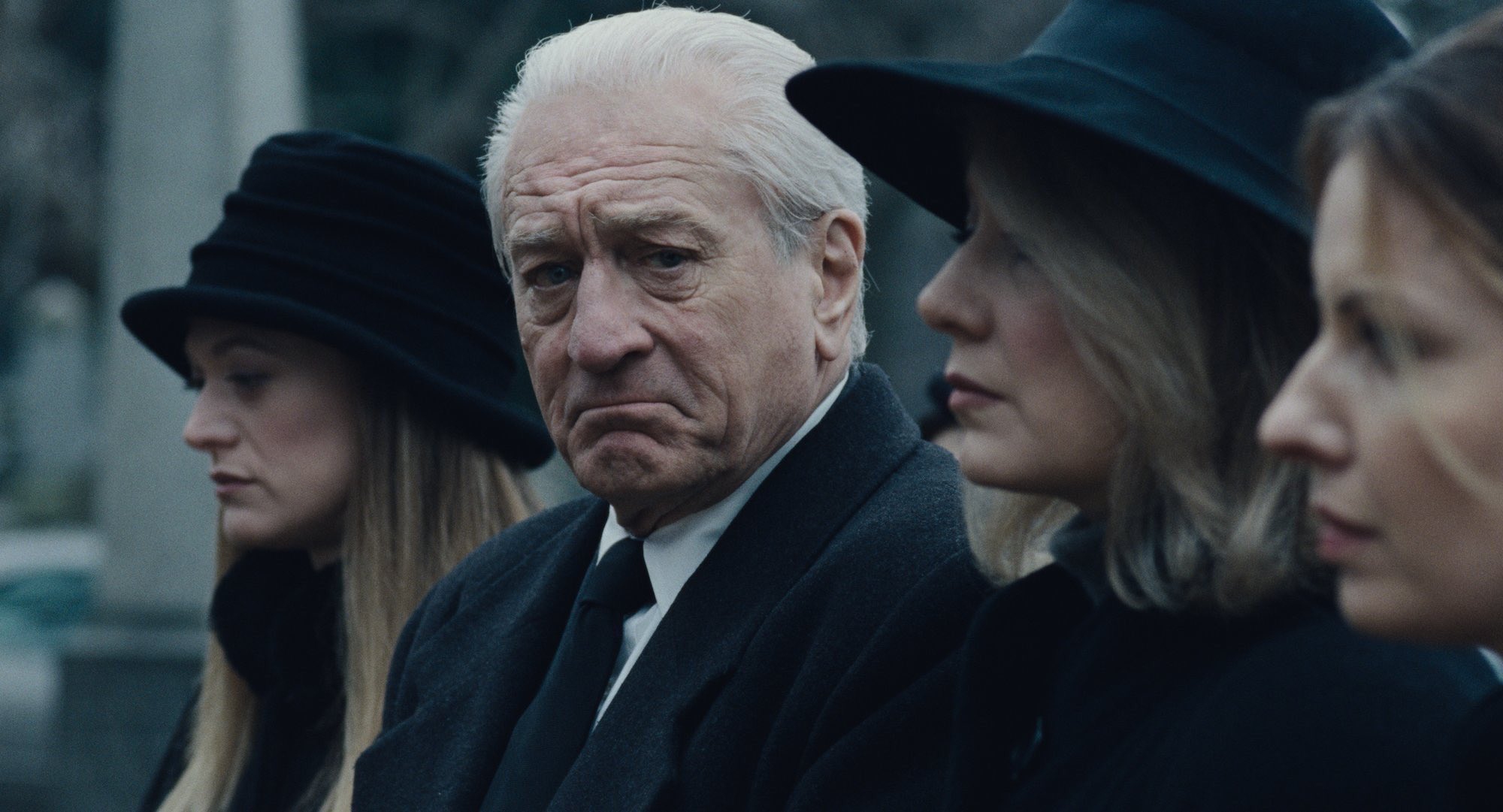
As the story progresses into the 1970s and beyond, Paquin takes over the role. Her presence is felt primarily through her eyes and her physical withdrawal from her father, played by Robert De Niro. In a film dominated by the loud, boastful, and often deceptive dialogue of mobsters, Peggy’s silence functions as a "moral anchor." She is the only person in Frank’s life who truly sees him for what he is—not a "house painter" or a loyal soldier, but a cold-blooded killer.
The Contrast Between Young and Adult Peggy
The transition from Lucy Gallina to Anna Paquin is seamless because both actresses focus on the act of "watching." Young Peggy sees Frank beat a shopkeeper for shoving her; she sees the dynamic between Frank and the charismatic Jimmy Hoffa (Al Pacino); and she sees the dark influence of Russell Bufalino (Joe Pesci). By the time Paquin appears on screen, the character has already concluded that her father is beyond redemption.
Analyzing the Seven Words: "Why Haven't You Called Jimmy?"
The specific moment Anna Paquin speaks is the emotional climax of the film’s third act. After Jimmy Hoffa disappears, the Sheeran family gathers in front of the television, watching news reports. Frank, knowing exactly what happened to Jimmy because he was the one who pulled the trigger, attempts to comfort his family with feigned ignorance.
Peggy, however, knows her father’s patterns. She knows that Frank and Jimmy were inseparable. Her seven words—"Why? Why haven't you called Jimmy?"—are not just a question; they are an indictment. She realizes in that moment that her father is responsible for the death of the only man in that circle she actually liked and trusted.
After this scene, Peggy never speaks to Frank again. She moves out, changes her life, and eventually refuses to see him even as he nears death in a nursing home. The silence that follows those seven words lasts for the remainder of her life, symbolizing a total and irrevocable break in the father-daughter bond.
The Directorial Intent Behind the Limited Dialogue
Director Martin Scorsese and screenwriter Steven Zaillian faced significant criticism upon the film's release, with some commentators suggesting that casting an Academy Award winner like Anna Paquin and giving her almost no lines was a "waste of talent." However, Scorsese has been vocal in defending the choice, stating that the character’s power comes from what she does not say.
In interviews, Scorsese explained that Peggy didn't need to argue with her father. A verbal confrontation would have brought her down to his level, engaging in the same manipulative rhetoric used by the men in the film. By remaining silent, she remains untouchable. She denies Frank the "absolution" he desperately seeks at the end of his life.
Robert De Niro also defended the performance, noting that Paquin’s presence was "powerful" and "vibrant" precisely because of its stillness. The weight of her gaze in scenes where she simply watches Frank from across a room conveys more than a monologue ever could.
Comparing the Iterations of Peggy Sheeran
To better understand how the role was divided and the impact of Paquin’s performance, the following table breaks down the character’s evolution:
| Feature | Young Peggy (Lucy Gallina) | Adult Peggy (Anna Paquin) |
|---|---|---|
| Time Period | 1950s - 1960s | 1970s - 2000s |
| Key Interaction | Watching Frank beat the grocer. | Questioning Frank about Jimmy Hoffa. |
| Relationship with Frank | Fear and growing suspicion. | Absolute rejection and silence. |
| Relationship with Hoffa | Genuine affection; views him as a "good" uncle. | Grief and realization of his murder. |
| Dialogue Density | Moderate for a child role. | Seven words (minimalist). |
| Thematic Function | The witness to the crime. | The judge and the executioner of the relationship. |
Critical Reception and Public Debate
The discussion surrounding "the Irishman Anna Paquin appearance" became a flashpoint for broader conversations about the depiction of women in Scorsese’s films. Critics like The Guardian and the New York Times analyzed whether the silence was a silencing of a female voice or a sophisticated narrative tool.
Arguments for the Artistic Choice:
- Subversion of Tropes: Typically, in mob movies, daughters are either oblivious or hysterical. Peggy is neither; she is calculated and resolute.
- Visual Storytelling: Scorsese is a master of visual cinema. Paquin’s performance relies on "Kuleshov Effect" principles, where her expression colors the meaning of the scenes around her.
- The Cost of the Lifestyle: Her silence is the ultimate price Frank pays. He kept his "family" safe by killing for the mob, but in doing so, he lost the actual love of his family.
Arguments Against the Choice:
- Underutilization: Some fans of Paquin felt that her range was not fully explored.
- Gender Dynamics: Critics questioned if a male character would have been relegated to silence in a similar emotional position.
For her part, Anna Paquin addressed the controversy on social media, stating she was "incredibly proud" to be part of the film and that she didn't feel the need to speak to make an impact. She viewed the script as a masterpiece where every silence was scripted and intentional.
Technical Execution: De-aging and Presence
A significant part of The Irishman's production involved expensive CGI de-aging technology. While much of the focus was on De Niro, Pesci, and Pacino, the timeline required Paquin to play Peggy over several decades.
Her appearance is marked by a deliberate drabness as she ages. Unlike the "molls" and wives of other mobsters who wear flashy jewelry and furs, Peggy is often seen in work clothes or simple attire. This visual distinction further separates her from the "world of the fathers." Her appearance is that of an ordinary woman who has successfully extracted herself from the poisonous atmosphere of organized crime.
Frequently Asked Questions
Why does Anna Paquin have so little dialogue in The Irishman?
The lack of dialogue was a deliberate creative choice by Martin Scorsese to represent Peggy Sheeran’s moral rejection of her father. By not speaking to him, she denies him the opportunity to explain or justify his violent actions, making her silence a more powerful punishment than any verbal argument.
What are the exact words Anna Paquin says in the movie?
Anna Paquin’s only lines are: "Why? Why haven't you called Jimmy?" She says this to her father, Frank Sheeran, after she realizes he is being suspiciously quiet following the disappearance of Jimmy Hoffa.
Did Anna Paquin win any awards for her role in The Irishman?
While she did not win major individual awards for the role, she shared in several "Best Ensemble" nominations and wins from various critics' circles (such as the Critics' Choice Movie Awards and the Screen Actors Guild Awards) alongside her co-stars.
How long is Anna Paquin actually on screen?
Although her dialogue is minimal, Paquin appears in several key sequences during the final hour of the film. Her "screen time" in terms of physical presence is roughly 10 to 12 minutes, but her character (including the younger version) is a constant hovering presence throughout the narrative.
Was Anna Paquin's role shortened in the final edit?
There is no public evidence or statement from the production suggesting that a significant amount of Paquin's dialogue was cut. The screenplay by Steven Zaillian reportedly always intended for the adult Peggy to be a largely silent figure to emphasize the "death" of her relationship with Frank.
Final Perspective on the Performance
In the years since the film’s release, and looking back from 2026, the performance of Anna Paquin in The Irishman has aged as a masterclass in minimalist acting. It challenges the audience to pay attention to subtext rather than exposition. Peggy Sheeran remains one of the most haunting characters in the Scorsese canon because she is the only one who "wins" against the mob—not by outshooting them, but by outliving them in total, dignified silence.
For viewers revisiting the film, focusing on Paquin’s eyes during the scenes at the Sheeran household provides a completely different experience of the movie. She is the audience's surrogate, the one person who refuses to be charmed by the legendary figures on screen, reminding us of the human cost hidden behind the "painting" of houses.
Image Gallery