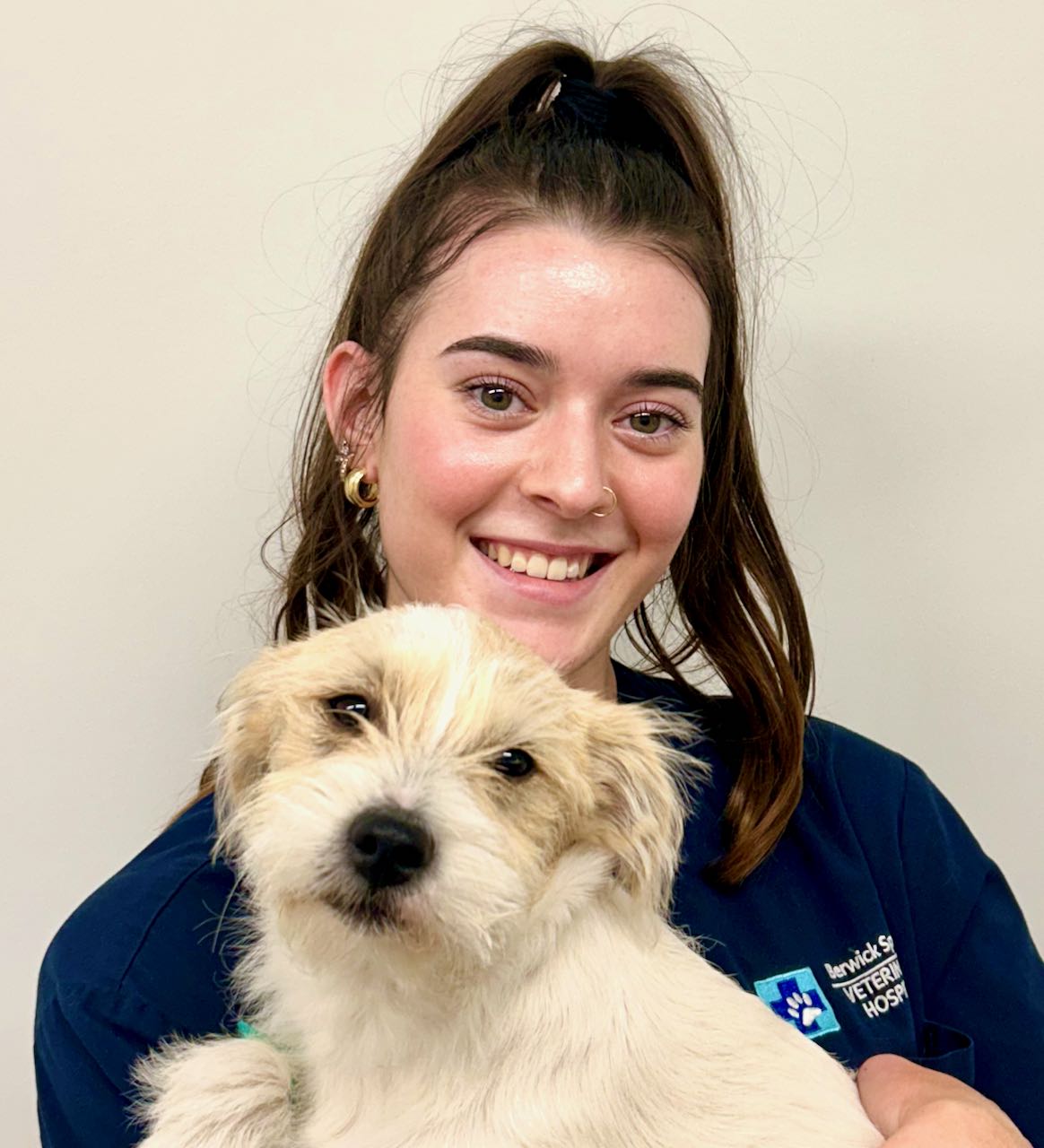
Understanding Veterinary Care Services in Bonita Springs: A Comprehensive Guide for Pet Owners
Selecting a veterinary practice in Bonita Springs, Florida, requires balancing convenience, specialized medical capabilities, and the specific health needs of your pet. Residents and visitors in this region have access to a range of cl...
Selecting a veterinary practice in Bonita Springs, Florida, requires balancing convenience, specialized medical capabilities, and the specific health needs of your pet. Residents and visitors in this region have access to a range of clinics, from general wellness practices to emergency facilities, all operating under Florida’s state-mandated veterinary practice standards.
Contents
The Landscape of Veterinary Services in Bonita Springs
Bonita Springs is a rapidly growing area that serves both permanent residents and a seasonal influx of pet owners. The veterinary landscape is categorized primarily into two tiers: primary care (general practice) and emergency or specialty care. Because Bonita Springs is situated between major metropolitan hubs like Naples and Fort Myers, residents often benefit from a high density of veterinary clinics, though this can make choosing the right facility feel overwhelming.
When evaluating a clinic in 2026, the primary considerations remain the same: proximity, the scope of diagnostic equipment available on-site, and the clinic’s ability to handle long-term chronic conditions versus acute injuries. It is essential to recognize that while most general practices provide routine vaccinations, dental cleanings, and blood work, not every facility is equipped with surgical suites for orthopedic procedures or 24-hour monitoring.
Determining Your Pet’s Specific Needs
Before selecting a provider, analyze the life stage and health history of your animal. A young, healthy puppy requires a different cadence of care compared to a senior pet dealing with mobility issues or organ decline.
- Routine Preventive Care: Look for practices that prioritize wellness exams, parasite prevention, and age-appropriate screenings.
- Chronic Condition Management: If your pet has been diagnosed with diabetes, thyroid issues, or cardiac conditions, verify that the veterinarian has experience managing long-term internal medicine cases.
- Urgent Care vs. Emergency: Understanding the difference is vital. An "urgent care" clinic typically functions during standard daytime or evening hours for non-life-threatening issues, while an "emergency" hospital operates 24/7 with a critical care staff. In Lee County, these facilities are distinct, and traveling to the wrong type of clinic can cause life-saving delays.
Evaluating Veterinary Facilities and Staff
When researching a potential vet, rely on objective criteria rather than subjective social media reviews. Start by checking the provider’s credentials through the Florida Department of Business and Professional Regulation (DBPR). All veterinarians practicing in Florida must hold an active license, which can be verified through the official online lookup portal.
Consider the following technical aspects during your initial consultation or phone inquiry:
- Diagnostic Capabilities: Ask if they have digital radiography (X-rays), ultrasound, or in-house blood chemistry analyzers. Immediate results are often necessary for accurate triaging.
- Surgical Support: Does the clinic monitor blood pressure, EKG, and blood oxygen saturation during anesthesia? These are standard safety protocols in 2026.
- Referral Networks: A high-quality general practitioner will have an established relationship with local veterinary specialists, such as cardiologists, oncologists, or surgeons, and will facilitate a referral when a case exceeds their facility's scope.
Comparison Table: Types of Veterinary Care
| Feature | General Practice Clinic | Emergency & Specialty Hospital |
|---|---|---|
| Availability | Scheduled daytime hours | 24/7/365 availability |
| Primary Focus | Wellness, vaccines, routine surgery | Acute trauma, surgery, critical care |
| Appointments | Required (or limited walk-ins) | No appointment needed |
| Diagnostics | Basic labs, digital X-ray | Advanced MRI, CT, surgical suites |
| Continuity | High (same doctor for life) | Variable (rotation of specialists) |
Practical Steps for New Residents
If you are moving to Bonita Springs, the most critical administrative task is transferring your pet’s medical records. Do not rely on verbal histories; contact your previous veterinarian and request a full PDF package containing vaccination records, recent blood work, and, most importantly, any previous diagnostic imaging (DICOM files).
Once you have your records, register with a primary care clinic as soon as possible. Waiting until your pet is sick to register can lead to difficulty in scheduling, as many clinics prioritize established clients. In 2026, many practices utilize digital portals for appointment scheduling and medication refills, which can significantly streamline your experience.
Costs and Insurance Considerations
Veterinary costs in the Southwest Florida market are influenced by the regional cost of living. Costs for services like dental cleanings or senior blood panels are generally consistent across the Bonita Springs and North Naples area, but they can vary based on the clinic’s overhead.
Pet insurance is an increasingly common strategy to manage these expenses. Before signing a policy, ensure it covers hereditary or breed-specific conditions that may develop as your pet ages. If you are choosing not to carry insurance, set aside a dedicated emergency fund specifically for veterinary care to avoid making difficult financial decisions during a medical crisis.
Frequently Asked Questions
1. How do I verify if a veterinarian in Bonita Springs is licensed? You can verify a veterinarian’s license status by visiting the Florida Department of Business and Professional Regulation (DBPR) website. Use their "License Search" function and filter by profession (Veterinary Medicine) and location (Bonita Springs).
2. What should I do if I have an emergency outside of normal business hours? Do not wait for your primary vet to open. Search for "24-hour veterinary emergency hospitals" in Lee or Collier County. Most of these facilities do not require an appointment, but calling ahead while you are in transit allows them to prepare for your pet’s specific condition.
3. Do I need to provide medical records for a routine visit? Yes. Having complete medical records prevents redundant testing and ensures that your new veterinarian is aware of past reactions to vaccinations, ongoing medications, or chronic health history that might affect future treatment plans.
4. How often should my senior pet visit the veterinarian? While young pets may visit annually, pets over the age of seven are generally recommended to have biannual examinations. These visits allow for the early detection of age-related issues like arthritis or kidney disease, which are much easier to manage when identified early.
5. Are there mobile veterinary services in Bonita Springs? Yes, there are several mobile veterinary practices serving the area. These are often an excellent choice for pets that experience high levels of stress during travel or for owners with multiple pets, though they may have limitations regarding complex surgeries or emergency equipment.
Recommendation for Success
The most effective way to ensure long-term health for your pet is to establish a relationship with a local primary care veterinarian well before an emergency arises. Perform your due diligence by verifying licensure, reviewing the clinic’s diagnostic capabilities, and ensuring their communication style aligns with your expectations. Keep a digital and physical folder of your pet’s health history, and schedule your first wellness exam immediately upon moving or adopting to build your continuity of care.
Image Gallery