Understanding What Happens When You Take Money From a Cash Value Life Insurance Policy
When you withdraw or borrow money from a cash value life insurance policy—such as Whole Life or Universal Life—you are accessing the accumulated savings component of your insurance contract. The specific consequences depend on whether...
When you withdraw or borrow money from a cash value life insurance policy—such as Whole Life or Universal Life—you are accessing the accumulated savings component of your insurance contract. The specific consequences depend on whether you structure the transaction as a formal policy loan or a direct withdrawal, with the former typically offering tax advantages that the latter may lack.
Contents
The Mechanics of Cash Value Accumulation
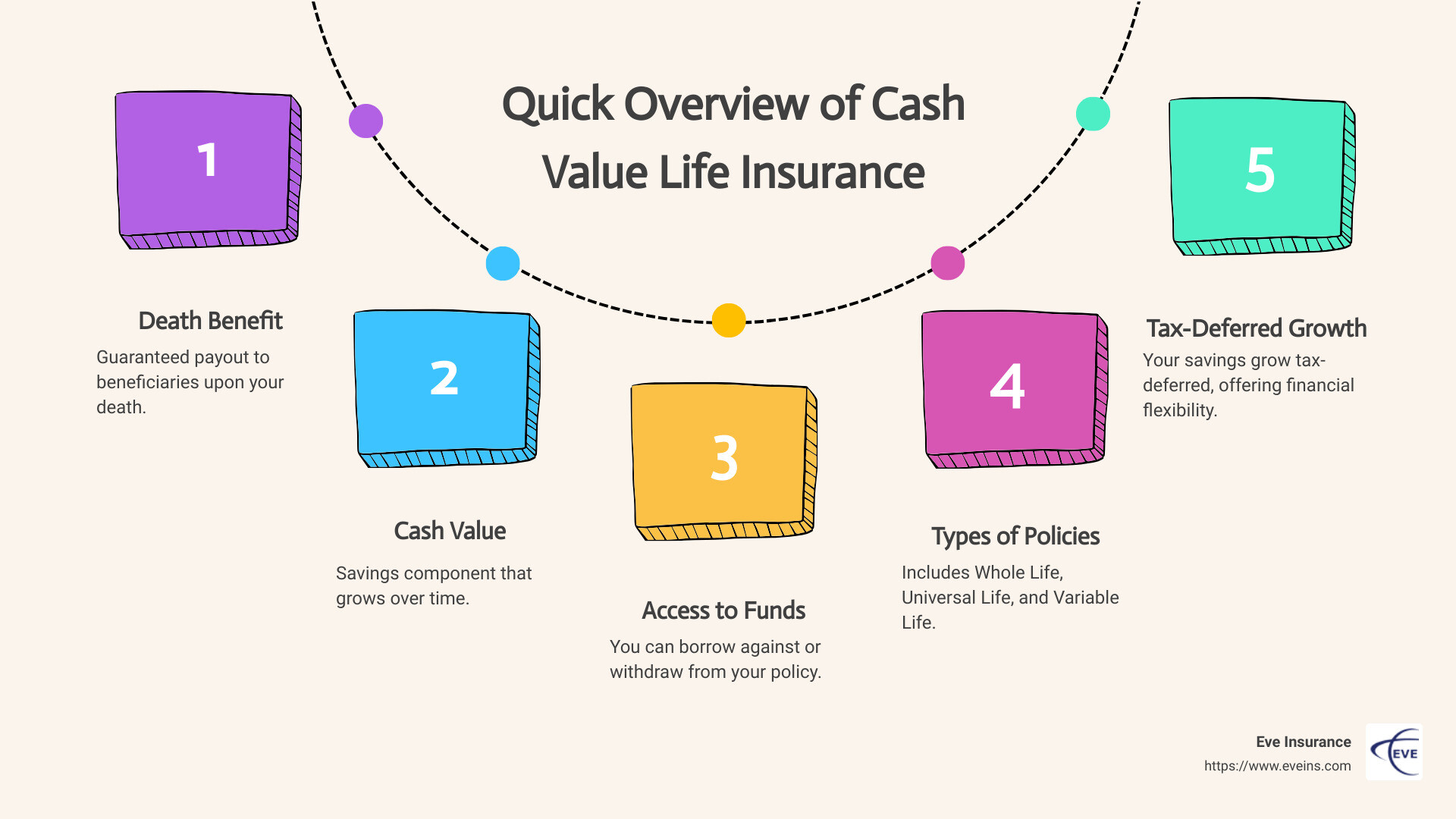
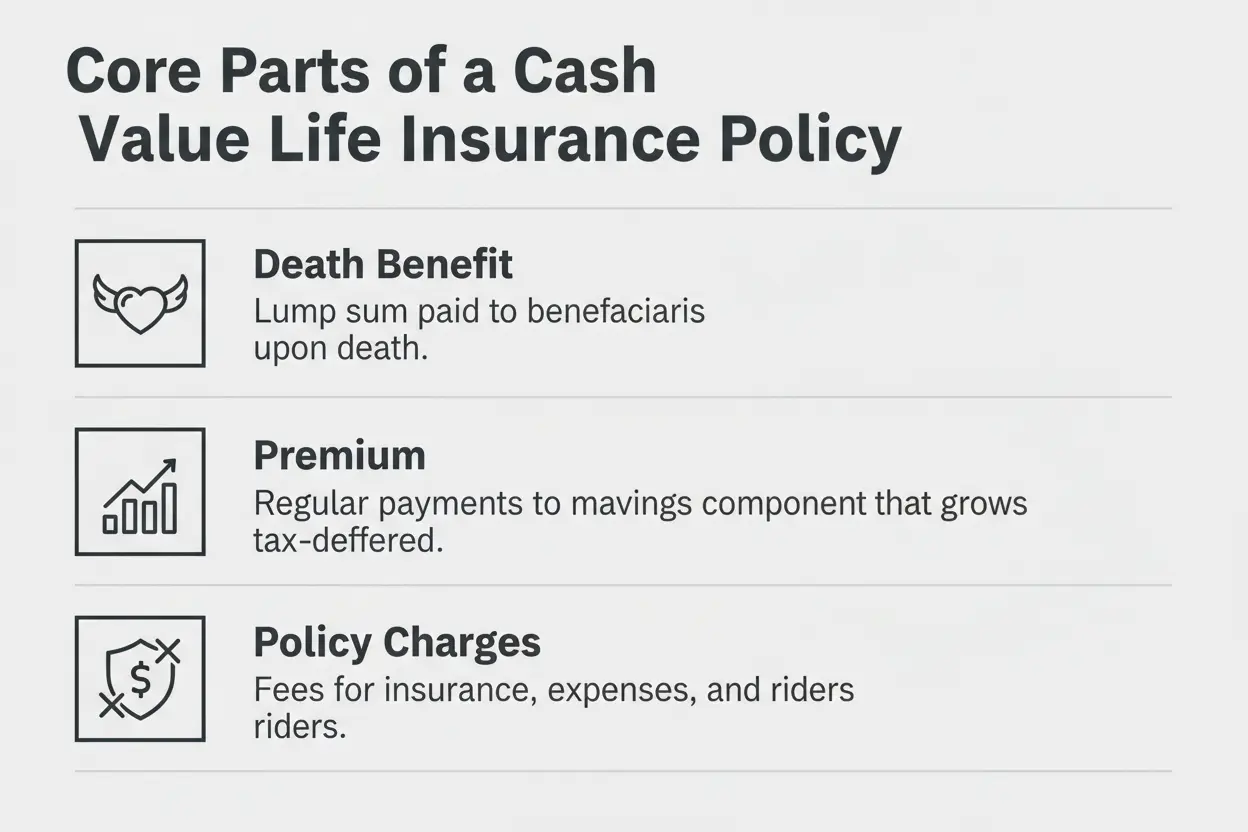
Cash value life insurance policies function differently than term life insurance. While term insurance provides coverage for a specific period without an investment component, permanent policies include a "cash value" account. A portion of your premium payments is directed toward this account, which grows over time, often through interest credits or dividends depending on the policy type and the insurance carrier’s performance.
This cash value serves two primary purposes: it acts as a collateral reserve for the policy and provides a source of liquidity for the policyholder. As of 2026, insurance carriers remain bound by the terms defined in the original contract issued at the policy’s inception. Accessing these funds effectively reduces the policy’s "net amount at risk" for the insurance company, which is why these transactions are subject to specific regulatory and contractual guidelines.
Distinguishing Policy Loans from Withdrawals
The most critical distinction for any policyholder is the difference between a loan and a withdrawal. These two methods of accessing cash value have drastically different tax and contractual implications.
1. Policy Loans
When you take a loan, you are borrowing against the cash value of the policy. The insurance company holds your cash value as collateral.
- Taxation: Generally, policy loans are not considered taxable income because they are classified as debt rather than a distribution of profit.
- Interest: The insurance company will charge interest on the loan. If the interest is not paid back, it is added to the loan balance, which is then deducted from the final death benefit if the policyholder dies before the loan is repaid.
- Risk: If the loan balance grows to exceed the cash value of the policy, the policy may lapse. This can result in significant tax consequences, as the IRS may treat the entire amount of the gain in the policy as taxable income in the year of the lapse.
2. Withdrawals (Surrenders)
A withdrawal is a permanent removal of funds from the policy’s cash value account.
- Cost Basis: Withdrawals are generally treated on a "first-in, first-out" (FIFO) basis. You can typically withdraw up to your "cost basis" (the total amount of premiums you have paid) tax-free.
- Taxation: Any amount withdrawn that exceeds your cost basis is considered taxable income, taxed at ordinary income rates.
- Death Benefit Impact: Unlike a loan, a withdrawal permanently reduces the death benefit. You cannot "pay back" a withdrawal to restore the original coverage amount.
Comparison of Cash Value Access Methods
| Feature | Policy Loan | Policy Withdrawal |
|---|---|---|
| Tax Impact | Typically tax-free if policy stays in force | Taxed on amounts exceeding cost basis |
| Repayment | Optional (but recommended) | Not possible |
| Death Benefit | Reduced only if loan is unpaid at death | Permanently reduced upon withdrawal |
| Interest Charged | Yes, by the insurance company | No |
| Policy Status | Policy remains active | Policy value and death benefit decrease |
The Impact on the Death Benefit
The death benefit is the primary reason for holding a life insurance policy. Taking money out of the policy creates an inverse relationship between your liquidity and your family’s financial protection.
If you take a loan and pass away without repaying it, the insurance company will subtract the outstanding loan balance plus any accrued interest from the payout sent to your beneficiaries. In the case of a withdrawal, the reduction is immediate and permanent. Policyholders must carefully model these scenarios to ensure that the remaining death benefit still meets the original protection goals for their dependents or estate planning needs.
Operational Risks: Policy Lapse
The most significant danger when accessing cash value is the risk of policy lapse. A lapse occurs when the policy’s cash value is insufficient to cover the cost of insurance and associated fees.
In a "Universal Life" policy, for instance, the costs of insurance increase as the policyholder ages. If you have withdrawn significant funds or if the policy’s internal interest credits have performed poorly, you may be required to pay significantly higher premiums to keep the policy in force. If you cannot meet these premiums and the cash value is depleted, the policy will terminate. If a policy lapses while a loan is outstanding, the IRS may treat the outstanding loan balance as a taxable distribution, leading to a "tax bomb" where you owe taxes on gains you have already spent.
Best Practices and Professional Guidance
Before accessing cash value, conduct a formal review with your insurance carrier. Request a "loan illustration" or a "withdrawal illustration" that shows the projected impact on your policy’s performance over the next 10 to 20 years.
- Verify the Basis: Contact your insurer to determine your current cost basis. Knowing how much you can withdraw before triggering a tax event is vital for planning.
- Monitor Loan Interest: If you choose a loan, maintain a repayment schedule. Even if the policy does not mandate monthly payments, paying the interest annually prevents the debt from compounding and eroding the death benefit.
- Coordinate with Tax Planning: Consult with a tax professional or financial advisor before making large withdrawals. They can help you determine whether the withdrawal will push you into a higher tax bracket or trigger secondary tax issues.
- Understand Surrender Charges: Check your policy documents for "surrender charges." Some policies apply fees for withdrawals made within the first 10 to 15 years of the contract.
Frequently Asked Questions
Does taking a loan from my life insurance affect my credit score? No. Policy loans are not reported to credit bureaus because they are transactions against your own assets held by the insurance company, not traditional debt extended by a lender.
Can I pay back a policy loan at any time? Yes. Most carriers allow you to repay policy loans at your own pace. However, failing to repay the interest will cause the loan balance to grow, increasing the risk that the policy may lapse later in life.
Is there a minimum amount I must withdraw? This varies by carrier. Most insurance companies have a minimum withdrawal amount (often $500 or $1,000) and may also require that a minimum amount of cash value remains in the account to keep the policy active.
Will the IRS know I took a withdrawal from my policy? Yes. Insurance companies are required to issue IRS Form 1099-R if the distribution is taxable. You must report this information on your annual tax return.
What happens if I forget to pay back a loan? If you do not repay the loan, the balance remains against your policy. Upon your death, the company deducts the balance from the death benefit. If you live a long time and the interest accrues to the point that the cash value hits zero, the policy will lapse, and you may face significant tax liabilities.
Recommendation
If you require immediate liquidity, prioritize a policy loan over a withdrawal. It preserves the death benefit and avoids immediate tax consequences. Before initiating the transaction, request an updated in-force illustration from your insurer. This document provides a mathematical projection of how your specific policy will perform after the transaction, allowing you to see the exact impact on your future death benefit and premium obligations.
Image Gallery