Does the Plague Have a Cure? Modern Treatments and Survival Outlook
Yes, the plague is curable with modern medical intervention. When diagnosed promptly, infections caused by the bacterium Yersinia pestis are highly responsive to several classes of antibiotics, including aminoglycosides, fluoroquinolon...
Yes, the plague is curable with modern medical intervention. When diagnosed promptly, infections caused by the bacterium Yersinia pestis are highly responsive to several classes of antibiotics, including aminoglycosides, fluoroquinolones, and tetracyclines. Early treatment is critical, as survival rates significantly increase when therapy begins within 24 hours of symptom onset.
Contents
The Evolution of Plague Treatment and Germ Theory
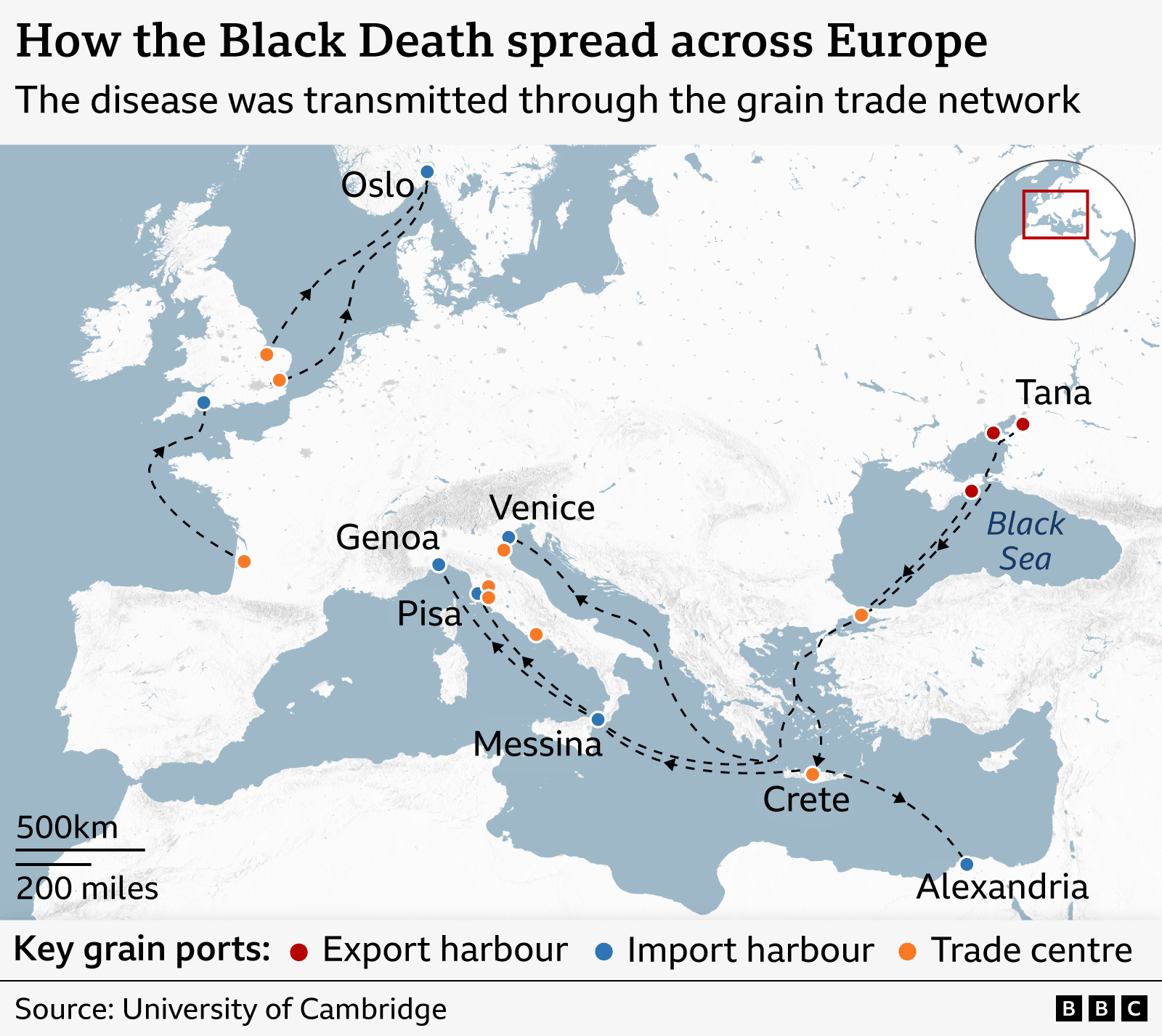
To understand why the plague is no longer the existential threat it was during the Middle Ages, one must look at the shift from miasma theory to modern microbiology. Historically, the "Black Death" decimated populations because the cause—a bacterium transmitted by fleas—was unknown. Without the ability to target the biological source of the infection, historical treatments focused on lancing boils, aromatic herbs, or religious penance, none of which affected the bacterial load.
As of 2026, the medical community approaches the plague as a manageable, albeit severe, bacterial infection. The discovery of streptomycin in the 1940s marked the first definitive cure, transforming a disease with a near-total mortality rate into a survivable condition. Today, healthcare providers utilize advanced diagnostic tools to identify Yersinia pestis through blood cultures, lymph node aspirates, or sputum samples. Once identified, the goal is to stabilize the patient and aggressively reduce the bacterial colony count using intravenous or oral medications.
The persistence of the plague in certain regions—such as parts of Madagascar, the Democratic Republic of the Congo, and the Southwestern United States—serves as a reminder that while a cure exists, the disease has not been eradicated. It remains a zoonotic disease, meaning it circulates among wild rodents and their fleas, making permanent elimination difficult.
Primary Antibiotic Cures and Mechanisms
The primary cure for all forms of the plague involves a course of potent antibiotics. Because Yersinia pestis is a Gram-negative bacterium, physicians select drugs that specifically disrupt the pathogen's ability to synthesize proteins or replicate its DNA.
Aminoglycosides: The Gold Standard
Streptomycin has historically been the first-line treatment for the plague. However, because streptomycin is not always readily available in all clinical settings, Gentamicin is frequently used as a highly effective alternative. These drugs work by binding to the 30S subunit of the bacterial ribosome, causing the bacteria to produce "nonsense" proteins that lead to cell death. In clinical settings, Gentamicin is often administered intravenously or intramuscularly for 10 days or until the patient’s fever subsides.
Fluoroquinolones: Modern Alternatives
In more recent years, fluoroquinolones like Ciprofloxacin and Levofloxacin have gained FDA approval for treating both bubonic and pneumonic plague. These are often preferred in mass-outbreak scenarios because they can be administered orally and have a broad safety profile. They function by inhibiting DNA gyrase, an enzyme the bacteria need to untangle their DNA during replication. By halting this process, the medication prevents the infection from spreading further through the bloodstream or lungs.
Tetracyclines and Sulfonamides
Doxycycline is commonly used as a secondary treatment or as a prophylactic measure for individuals who have been exposed to infected animals or humans but have not yet developed symptoms. While generally bacteriostatic (meaning it inhibits growth rather than killing the bacteria outright), it is a vital tool in the medical arsenal, especially for patients who may have allergies to other drug classes.
Treatment Protocols for Different Clinical Forms
The "cure" for the plague is not a one-size-fits-all approach; the delivery method and intensity of care depend heavily on which form of the disease the patient has contracted.
Bubonic Plague
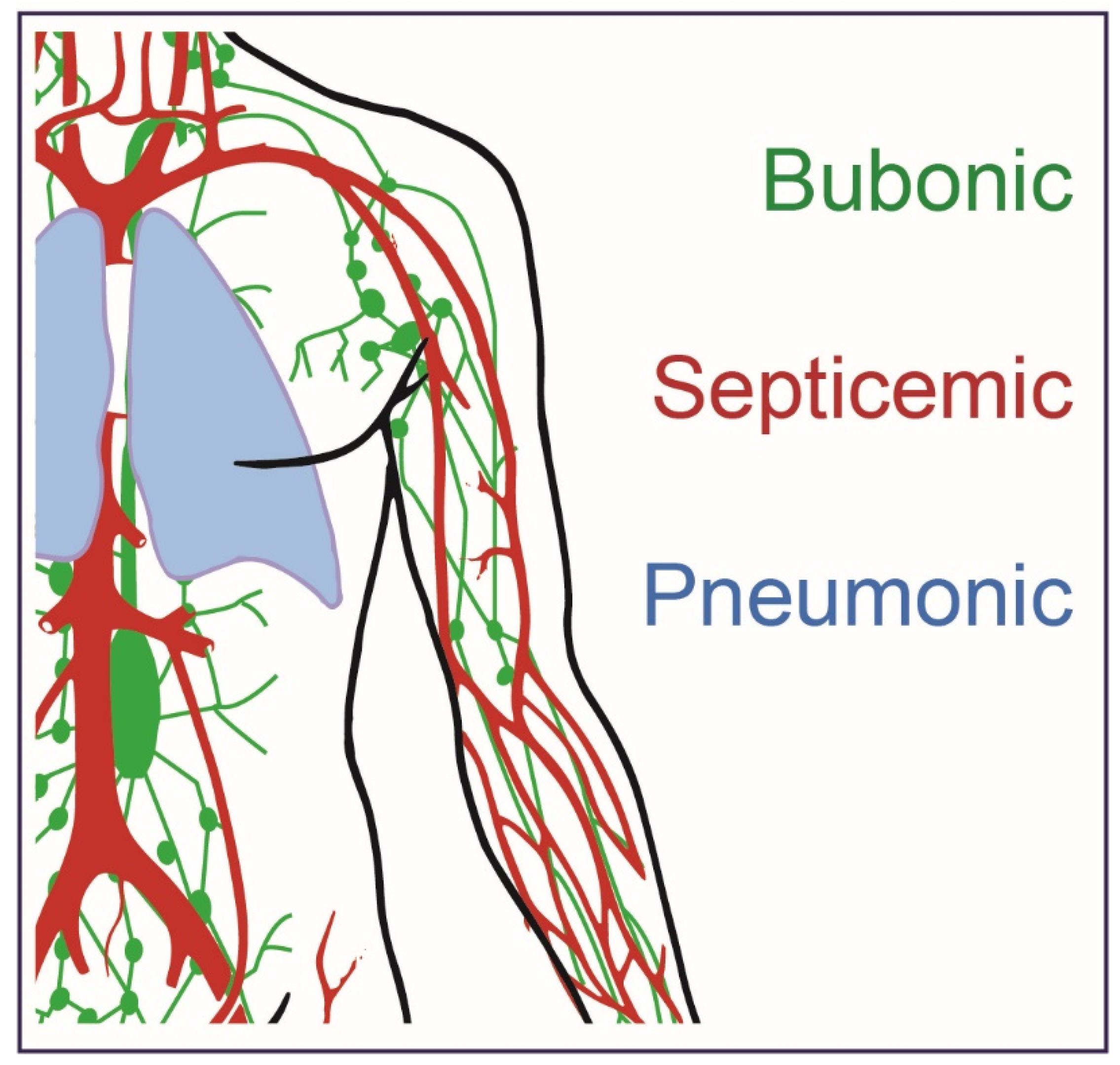
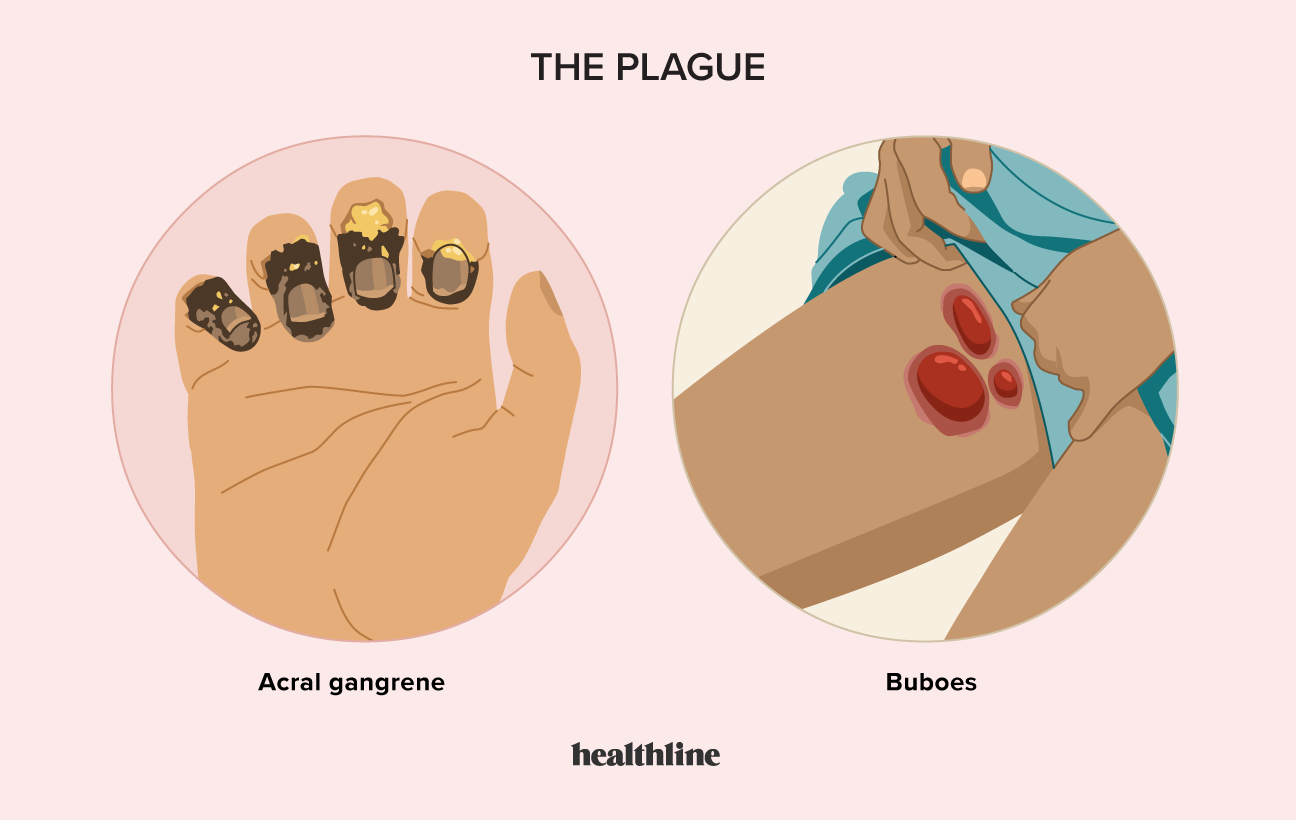
The most common form, bubonic plague, is characterized by the infection of the lymphatic system. The hallmark symptom is the "bubo"—a painful, swollen lymph node usually found in the groin, armpit, or neck. Because the bacteria are somewhat localized in the lymph nodes initially, the survival rate with antibiotics is very high (exceeding 90%). Treatment focuses on systemic antibiotics to prevent the bacteria from escaping the lymph system and entering the blood.
Septicemic Plague
Septicemic plague occurs when Yersinia pestis enters and multiplies within the bloodstream. This is a much more dangerous condition that can lead to disseminated intravascular coagulation (clotting issues) and necrosis of the extremities, often turning fingers and toes black. The cure requires immediate hospitalization and high-dose intravenous antibiotics. Supportive care, including blood pressure management and oxygen therapy, is usually necessary to prevent organ failure.
Pneumonic Plague
Pneumonic plague is the only form that can spread from person to person via respiratory droplets. It is nearly 100% fatal if not treated within the first 24 hours of symptoms. The cure involves not only aggressive antibiotic therapy but also strict isolation to prevent further transmission. Patients often require mechanical ventilation as the bacteria cause severe, rapidly progressing pneumonia.
Comparison of Plague Types and Treatment Outcomes
The following table summarizes the differences in how the plague manifests and the impact of modern medical intervention on survival rates.
| Plague Type | Primary Mode of Transmission | Major Symptoms | Untreated Mortality Rate | Mortality Rate with Cure |
|---|---|---|---|---|
| Bubonic | Flea bites; contact with infected tissues | Buboes, fever, headache, chills | 50%–60% | Less than 10% |
| Septicemic | Flea bites; secondary from bubonic | Abdominal pain, internal bleeding, necrosis | Near 100% | 4%–15% (with early care) |
| Pneumonic | Respiratory droplets; secondary from septicemic | Cough, chest pain, bloody sputum | Near 100% | Variable; high if delayed |
The Role of Post-Exposure Prophylaxis (PEP)
A critical component of "curing" the threat of the plague is preventing the onset of the disease in the first place. If an individual has been in close contact with a patient suffering from pneumonic plague or has been bitten by fleas in an endemic area, doctors prescribe Post-Exposure Prophylaxis (PEP).
Typically, this involves a seven-day course of Doxycycline or Ciprofloxacin. This preemptive strike ensures that any bacterial cells introduced into the body are neutralized before they can establish a colony in the lymph nodes or lungs. In 2026, public health protocols emphasize the rapid distribution of these "preventative cures" to contain potential outbreaks in high-risk zones.
Diagnostic Requirements for a Successful Cure
A cure is only effective if it is administered based on an accurate diagnosis. Because early plague symptoms—fever, malaise, and muscle aches—resemble the flu or other common infections, clinicians in endemic areas must maintain a high index of suspicion.
- Sample Collection: Doctors collect fluid from buboes (aspirates), blood samples, or sputum.
- Rapid Diagnostic Tests (RDTs): In areas like Madagascar, RDTs are used to detect Y. pestis antigens in minutes, allowing treatment to begin immediately.
- Molecular Testing: Polymerase Chain Reaction (PCR) tests are used in laboratory settings to confirm the genetic signature of the bacteria, providing a definitive diagnosis that guides the specific choice of antibiotic.
- Sensitivity Testing: In rare cases where antibiotic resistance is suspected, the lab will grow the bacteria in the presence of different drugs to see which one is most effective at killing the specific strain.
Barriers to Successful Treatment
While the biological cure (antibiotics) is well-established, several factors can prevent a successful outcome. The most significant barrier is time. In cases of pneumonic plague, the window for effective treatment is incredibly narrow. If a patient waits more than 24 hours after the start of a cough to seek help, the damage to the lungs and the level of systemic toxins may be too great for antibiotics to reverse.
Another challenge is geographic isolation. Plague is often found in remote, rural areas where access to advanced medical facilities or even basic antibiotic stocks may be limited. Public health organizations like the World Health Organization (WHO) and the Centers for Disease Control and Prevention (CDC) work to maintain emergency stockpiles of medication in these regions to ensure a cure is always within reach.
Finally, while extremely rare, antibiotic resistance is a concern for scientists. A multi-drug-resistant strain was identified in Madagascar in the 1990s. While it did not spread, it serves as a warning that the "cure" must be protected through responsible antibiotic use and continued research into new treatment modalities, such as bacteriophage therapy or new-generation antimicrobials.
FAQs About Plague Treatment
Can you survive the plague without treatment?
While it is biologically possible for a human immune system to fight off bubonic plague, the chances are low, with a historical mortality rate of 50% to 60%. For the septicemic and pneumonic forms, survival without antibiotics is extremely rare, with mortality rates approaching 100%.
Is there a plague vaccine available in 2026?
As of 2026, a plague vaccine is not typically available to the general public. Historically, killed-cell vaccines were used, but they were only effective against the bubonic form and had significant side effects. Current research focuses on live-attenuated and recombinant subunit vaccines, which are primarily reserved for high-risk laboratory workers and military personnel.
Is the plague still contagious today?
Bubonic plague is not generally contagious between humans; it requires a flea vector. However, pneumonic plague is highly contagious via respiratory droplets. If a person with pneumonic plague coughs, they can transmit the bacteria to anyone within close proximity, making rapid isolation a necessary part of the "cure" protocol.
Where is the plague found most commonly now?
The plague is endemic in several parts of the world. Madagascar reports the highest number of cases annually. In the United States, cases are mostly confined to the "Four Corners" region (Arizona, New Mexico, Colorado, and Utah), where the bacteria circulate among prairie dogs and other rodents.
How long does it take to recover from the plague?
With proper antibiotic treatment, most patients begin to show improvement within 48 to 72 hours. However, a full course of antibiotics usually lasts 10 to 14 days. Severe cases involving organ failure or necrosis may require weeks or months of hospital-based rehabilitative care.
Recommended Actions for Prevention and Care
If you live in or are traveling to an area where the plague is endemic, the best way to ensure you never need a cure is through prevention. Use insect repellent containing DEET to prevent flea bites and avoid handling sick or dead animals.
In the event of a suspected exposure or the sudden onset of high fever and swollen lymph nodes, seek emergency medical care immediately. Inform the healthcare provider of your recent travel history or contact with wildlife. Early notification allows the medical team to start the appropriate antibiotic regimen before the infection reaches the bloodstream or lungs, ensuring the highest possible chance of a full recovery.
Image Gallery