Does Sugar Help Migraines? Analyzing the Impact of Glucose on Headache Relief and Prevention
For most individuals, sugar does not help migraines and is frequently identified as a significant dietary trigger. However, if a migraine is specifically caused by hypoglycemia (low blood sugar), consuming a small amount of glucose can...
For most individuals, sugar does not help migraines and is frequently identified as a significant dietary trigger. However, if a migraine is specifically caused by hypoglycemia (low blood sugar), consuming a small amount of glucose can provide immediate relief. Managing sugar intake is more about maintaining metabolic stability than using it as a cure.
Contents
The Metabolic Connection: Why Blood Sugar Matters to the Migraine Brain
To understand whether sugar helps or hurts a migraine, it is essential to recognize the metabolic nature of the "migraine brain." As of 2026, neurological research increasingly views the migraine brain as being in a state of hyperexcitability and energy deficiency. The brain requires a constant, stable supply of glucose to function; it consumes roughly 20% of the body's total energy despite making up only 2% of its weight.
When blood sugar levels fluctuate rapidly, the brain interprets this as a physiological crisis. For a person with a migraine disorder, this instability can trigger the trigeminal nerve system, leading to the release of inflammatory neuropeptides like Calcitonin Gene-Related Peptide (CGRP). This is why the relationship between sugar and migraines is often described as a "double-edged sword."
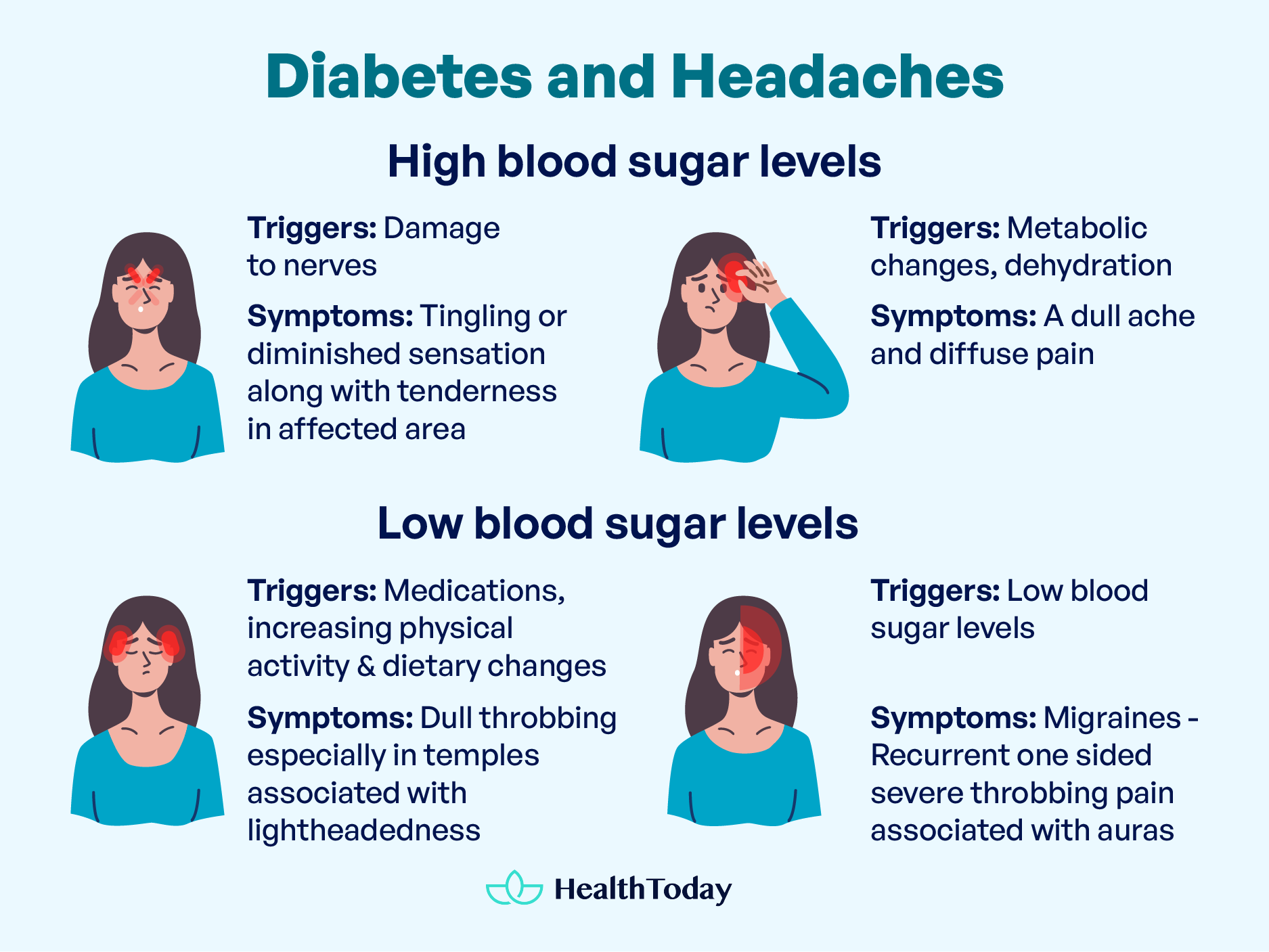
Hypoglycemia (low blood sugar) is a well-documented migraine trigger. If you skip a meal or engage in intense exercise without adequate fueling, your blood glucose levels may drop. In this specific scenario, a quick dose of sugar can "rescue" the brain from an impending attack by restoring its primary fuel source. However, the relief is often temporary if not followed by a balanced meal containing protein and complex carbohydrates.
Can Sugar Provide Immediate Relief During an Attack?
There is a long-standing anecdotal "home remedy" involving the consumption of a full-sugar cola or a sugary snack at the first sign of a migraine aura or pain. This practice is not entirely without scientific merit, but it depends heavily on the timing and the accompanying ingredients.
The Synergy of Sugar and Caffeine
Many people report that a sugary soda helps abort a migraine. This is typically due to the combination of sugar and caffeine. Caffeine is a vasoconstrictor, meaning it narrows blood vessels that may be dilated during a migraine, and it also enhances the absorption of over-the-counter pain relievers like ibuprofen or acetaminophen. The sugar provides a rapid energy boost to a brain that may be struggling with "cortical spreading depression"—the wave of electrical activity associated with migraine auras.
The "Rescue" Sugar Mechanism
If the migraine is triggered by fasting or delayed meals, a fast-acting carbohydrate (like a piece of fruit or a glucose tablet) can stop the "starvation" signal to the brain. In these instances, sugar acts as a corrective measure for a metabolic deficit. However, if the migraine was triggered by light, sound, or hormones, adding sugar to the system may actually worsen the situation by increasing systemic inflammation.
When Sugar Becomes the Trigger: The Spike and Crash Cycle
While sugar can occasionally act as a rescue agent, its primary role in the lives of migraineurs is often that of a trigger. The problem lies in reactive hypoglycemia. When you consume a high amount of refined sugar or "naked" carbohydrates (carbohydrates eaten without fat or protein), your blood sugar spikes rapidly.
In response to this spike, the pancreas releases a large surge of insulin to bring glucose levels down. Often, the body overcorrects, causing blood sugar levels to plummet below baseline. This "sugar crash" is a high-stress event for the nervous system. The rapid decline in glucose availability can trigger a migraine attack hours after the initial sugar consumption.
Inflammation and Oxidative Stress
High sugar intake is inherently pro-inflammatory. Chronic consumption of refined sugars leads to the production of advanced glycation end-products (AGEs) and increases oxidative stress within the body. Since migraine is increasingly understood as a neuro-inflammatory condition, a diet high in sugar keeps the body in a "primed" state, lowering the threshold for other triggers—like stress or weather changes—to spark an attack.
The Role of Insulin Sensitivity and Migraine Frequency
Recent studies updated for 2026 highlight a strong correlation between insulin resistance and migraine frequency. Patients with metabolic syndrome or pre-diabetes often report more frequent and severe attacks. This is because insulin resistance impairs the brain's ability to utilize glucose efficiently, even when blood sugar levels appear "normal" on a standard test.
When the brain cannot effectively process its fuel, it remains in a state of metabolic "thirst." This makes the individual highly sensitive to any further fluctuations in diet. Improving insulin sensitivity through regular exercise and a lower-glycemic diet has been shown in clinical trials to reduce the number of "migraine days" per month.
Artificial Sweeteners vs. Natural Sugars
When attempting to reduce sugar intake to help migraines, many people turn to artificial sweeteners. However, this can be counterproductive. Several common sugar substitutes are recognized as potent migraine triggers in their own right.
- Aspartame: Frequently cited as a major trigger, aspartame may affect the synthesis of neurotransmitters like dopamine and serotonin, which play critical roles in migraine pathophysiology.
- Sucralose: While less commonly reported than aspartame, some patients find that sucralose triggers "cluster-like" headache symptoms.
- Sugar Alcohols (Erythritol, Xylitol): These are generally safer for migraineurs regarding blood sugar stability, but in high amounts, they can cause gastrointestinal distress, which can indirectly trigger a migraine in sensitive individuals.
| Sweetener Type | Glycemic Index (GI) | Migraine Trigger Potential | Metabolic Impact |
|---|---|---|---|
| Glucose | 100 | Low (if used for rescue) | Immediate energy; high crash risk. |
| Sucrose (Table Sugar) | 65 | High | Significant insulin spike and crash. |
| Fructose | 15-23 | Moderate | Low GI but linked to liver-based inflammation. |
| Aspartame | 0 | Very High | Potential neurochemical disruption. |
| Stevia / Monk Fruit | 0 | Low | Negligible impact on blood sugar/insulin. |
| Honey | 50-60 | Moderate | Contains antioxidants but still spikes insulin. |
Dietary Strategies for Long-term Migraine Management
If you are looking to manage migraines through diet in 2026, the goal is glycemic variability reduction. This means keeping the "peaks" and "valleys" of your blood sugar levels as shallow as possible.
- The "Pairing" Rule: Never eat sugar or simple carbohydrates alone. Always pair them with a source of protein, healthy fat, or fiber. For example, if you eat an apple (sugar), pair it with almond butter (fat/protein). This slows the absorption of glucose and prevents the insulin spike.
- Focus on Low-Glycemic Foods: Base your diet on whole grains, legumes, and non-starchy vegetables. These provide a slow, steady "trickle" of glucose to the brain.
- The Ketogenic Diet: For some chronic migraineurs, the ketogenic diet—which is very low in sugar and carbohydrates—has shown remarkable results. By switching the brain’s fuel source from glucose to ketones, the metabolic instability associated with sugar is bypassed entirely.
- Hydration is Key: Sugar requires water to be processed by the kidneys. High sugar intake can lead to mild dehydration, which is a standalone migraine trigger. Always increase water intake if you have consumed sugary foods.
Frequently Asked Questions
Does a "sugar headache" always mean I have a migraine?
Not necessarily. A sugar headache can be a "tension-type" headache caused by dehydration or a minor inflammatory response. However, if the pain is throbbing, unilateral (on one side), or accompanied by light sensitivity or nausea, it is likely a migraine triggered by blood sugar fluctuations.
Why do I crave sugar during a migraine attack?
Sugar cravings are a common symptom of the "prodrome" phase of a migraine—the period 24 to 48 hours before the pain hits. Your brain is anticipating an energy crisis and is signaling for quick-access fuel (glucose). In this case, the sugar craving is a symptom of the migraine process, not necessarily the cause.
Can chocolate help migraines because of the sugar?
Chocolate is a complex trigger. It contains sugar (energy), caffeine (vasoconstrictor), and magnesium (which can help migraines). However, it also contains beta-phenylethylamine, which can trigger headaches in some. If chocolate helps you, it is likely the combination of magnesium and the small amount of caffeine rather than the sugar alone.
Is fruit sugar (fructose) safer than white sugar for migraines?
While fruit has a lower glycemic index because of its fiber content, high amounts of isolated fructose can still lead to metabolic issues. It is best to eat whole fruits rather than fruit juices, as the fiber in whole fruit significantly slows down the sugar's entry into your bloodstream.
How long after eating sugar will a migraine start?
If sugar is the trigger, a "reactive hypoglycemia" migraine typically begins 2 to 4 hours after consumption, coinciding with the blood sugar crash. However, if the trigger is related to systemic inflammation, the headache might not manifest until the following morning.
Practical Recommendation
If you suspect sugar is impacting your migraines, keep a "headache and food diary" for 30 days. Note exactly what you ate and how many hours later a migraine occurred. If you find that sweets are a trigger, do not switch to artificial sweeteners immediately; instead, focus on reducing total sugar and ensuring all carbohydrates are eaten with protein or fat. For immediate "rescue" during an attack, a small amount of sugar combined with caffeine may help, but this should be used sparingly to avoid "rebound" headaches or worsening the cycle of blood sugar instability. Always consult with a healthcare provider or a registered dietitian before making significant changes to your therapeutic diet.
More information on managing dietary triggers can be found via the American Migraine Foundation and clinical guidelines provided by the Mayo Clinic.
Image Gallery