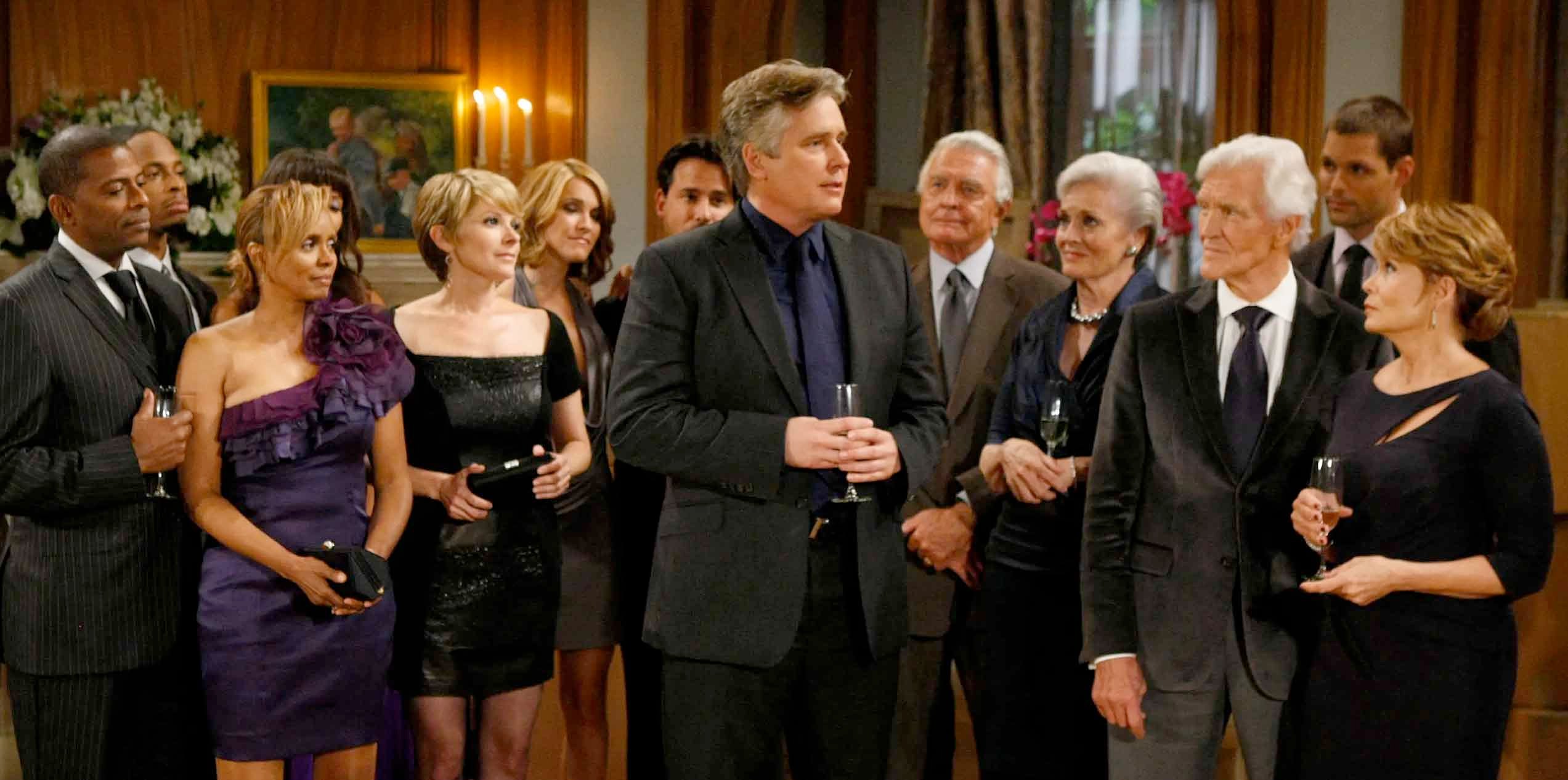
All My Children the TV Show Explained: A Cultural and Narrative Legacy
All My Children is a landmark American television soap opera that aired on ABC from January 5, 1970, to September 23, 2011, before a brief online revival in 2013. Created by Agnes Nixon, the show is defined by its progressive storytell...
All My Children is a landmark American television soap opera that aired on ABC from January 5, 1970, to September 23, 2011, before a brief online revival in 2013. Created by Agnes Nixon, the show is defined by its progressive storytelling, focus on the fictional town of Pine Valley, and the iconic character Erica Kane, who became a cultural touchstone for domestic drama and character-driven narratives.
Contents
The Origins and Vision of Agnes Nixon
To understand the significance of All My Children, one must first examine the vision of its creator, Agnes Nixon. Before launching the series, Nixon was a writer and producer for other daytime dramas like The Guiding Light and Another World. She wanted to create a show that mirrored the social realities of the era, moving away from purely domestic or gothic tropes to include topical issues such as the Vietnam War, civil rights, and women’s liberation.
The show premiered during a period of transition for daytime television. By anchoring the narrative in the multi-generational dynamics of the families in Pine Valley, Pennsylvania, Nixon established a "storytelling engine" that allowed for decades of growth. Unlike other soaps that relied on singular mysteries, All My Children thrived on the complex, often volatile, relationships between its core families: the Kanes, the Tylers, and the Martins.
Central Narrative Focus: Erica Kane and Pine Valley
The bedrock of the series was Erica Kane, portrayed by Susan Lucci. Erica remains one of the most significant characters in the history of television. Her trajectory from a manipulative, fashion-obsessed teenager to a powerful, albeit deeply flawed, mogul provided the show with its moral complexity.
The narrative device of "Pine Valley" served as a microcosm of suburban America. The show utilized this setting to explore social hierarchies. The Martins, representing the traditional, moral center of the community, were often pitted against the wealthier and more ambitious Kane family. This juxtaposition of values provided the necessary conflict to sustain daily episodes for over four decades. As the series progressed, the writers introduced themes that were daring for daytime, including addiction, mental health, and the complexities of human identity.
Structural Evolution of the Series
All My Children did not remain static throughout its forty-one-year run on network television. Its history can be categorized into distinct eras based on writing style, casting changes, and production trends:
- The Formative Years (1970s): Establishment of the character archetypes and the focus on "issue-oriented" storytelling.
- The Golden Age (1980s–1990s): High-stakes romantic arcs, elaborate set pieces, and the solidification of Erica Kane as a pop-culture icon.
- The Modernization Era (2000s): Transitioning toward faster-paced narratives and responding to the decline of traditional daytime viewing habits.
| Feature | Description |
|---|---|
| Network | ABC (1970–2011) |
| Creator | Agnes Nixon |
| Setting | Pine Valley, Pennsylvania |
| Primary Icon | Erica Kane (Susan Lucci) |
| Status | Concluded (Original run), Legacy streaming |
Progressive Storytelling and Social Impact
One of the most notable aspects of All My Children was its willingness to tackle taboo subjects. In 1973, the show featured a storyline regarding abortion, which was a subject rarely addressed on network television at the time. By embedding these social issues within the personal lives of well-loved characters, the show influenced public discourse.
The production team balanced this advocacy with standard soap tropes—amnesia, paternity reveals, and miraculous recoveries. This combination created a "sticky" viewing experience that demanded daily engagement. The characters were not mere archetypes; they were written with enough interiority that audiences grew to feel a sense of ownership over their life choices, leading to intense fan loyalty that persisted long after the final broadcast.
Challenges and the Digital Transition
As the media landscape shifted in the late 2000s, All My Children faced mounting production costs and declining advertising revenue, which affected nearly every long-running daytime drama. The viewing audience was increasingly moving toward on-demand digital content, making the "daily appointment" model of soap operas less sustainable.
In 2011, ABC announced the cancellation of the show. This led to a significant public outcry, reflecting the deep emotional investment of its long-term audience. The property was subsequently licensed to Prospect Park, which attempted a revival via the online streaming service The Online Network (TOLN) in 2013. While this effort highlighted the appetite for legacy content, it also demonstrated the difficulties of migrating traditional daytime television formats to a digital-first, low-budget distribution model.
Key Considerations for Modern Viewers
For viewers looking to revisit or understand the historical impact of the show in 2026, it is helpful to recognize the limitations of the format. All My Children was designed for linear consumption—meaning episodes were meant to be consumed sequentially over years.
- Pacing: The narrative pacing is deliberately slow compared to modern streaming dramas.
- Production Quality: The sets and recording technologies reflect the specific budgetary constraints of 1970s and 1980s television.
- Cultural Context: Many plot lines were written specifically to address the social anxieties of the exact year they aired, which may require historical context to be fully appreciated.
Frequently Asked Questions
Who was the most important character in All My Children? Erica Kane is widely regarded as the most significant character. Her role, played by Susan Lucci, became the face of the series. Her character development served as the primary driver for the show’s longevity and cultural recognition.
What defined the "Pine Valley" setting? Pine Valley was a fictional suburban town that functioned as a stage for the show's intricate social and family dramas. It was designed to contrast traditional suburban morality with the volatile ambitions of the town’s wealthiest residents.
Why did the show get canceled in 2011? The cancellation was primarily due to a decline in traditional daytime television viewership, which resulted in reduced advertising revenue. By 2011, the demographic shifts and the rise of digital entertainment made the high-cost production model of a daily, one-hour drama increasingly difficult for networks to justify.
Did the 2013 revival successfully continue the series? The 2013 revival was a limited effort to bring the franchise to a digital platform. While it gathered a core audience and brought back legacy characters, it was hampered by legal and financial hurdles, leading to a cessation of production shortly after its launch.
Recommendation for Further Engagement
If you are interested in the historical importance of this series, the best approach is to research the "Agnes Nixon era" writing archives or retrospective documentaries regarding the golden age of soap operas. Because of the sheer volume of episodes (over 10,000), attempting to watch the show in its entirety is an immense undertaking. Instead, focus on specific "super-couples" or character-arc compilations that cover high-impact storylines from the 1980s, which is generally considered the peak period for both ratings and critical acclaim.
Image Gallery