Why the Choice of Electric Cable Wire Matters for Safety and Performance
Selecting the correct electric cable wire is a foundational requirement for any electrical installation, serving as the literal lifeline of power delivery and safety for building systems. An improper choice can lead to significant volt...
Selecting the correct electric cable wire is a foundational requirement for any electrical installation, serving as the literal lifeline of power delivery and safety for building systems. An improper choice can lead to significant voltage drops, inefficient energy consumption, catastrophic overheating, or fire hazards, as the wire acts as the conduit for current and the first line of defense against electrical failure.
Contents
The Role of Conductivity and Material Composition
At the heart of every electrical circuit is the conductor, which is responsible for the flow of electrons. Copper and aluminum are the two primary materials used in modern wiring, and they are not interchangeable without careful engineering consideration.
Copper remains the gold standard for residential and commercial interior wiring due to its high conductivity and ductility. Because copper can carry more current per cross-sectional area than aluminum, it allows for smaller diameter wires in tight spaces. Aluminum, conversely, is lighter and less expensive, often used in large-scale feeders or service entrance conductors. However, aluminum requires specialized connectors and anti-oxidant compounds to prevent galvanic corrosion at connection points—a process where dissimilar metals react, potentially leading to high-resistance joints and localized heating.
Understanding Gauge (AWG) and Capacity
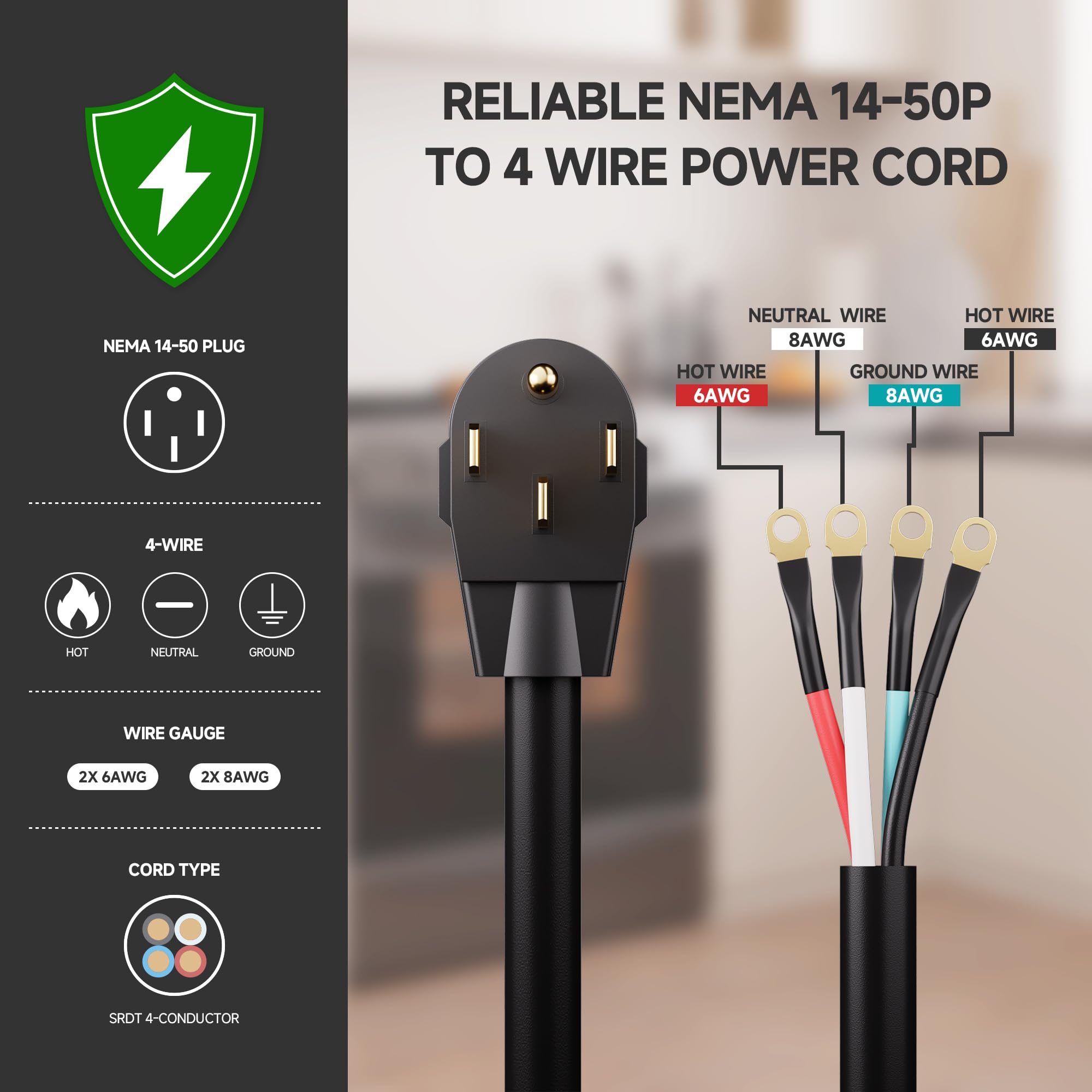
The American Wire Gauge (AWG) system measures the diameter of the electrical conductor. The critical relationship to understand is that as the numerical gauge decreases, the actual diameter of the wire increases, which in turn increases the wire's ampacity—the maximum amount of electrical current the conductor can carry before sustaining immediate or long-term damage.
Selecting a wire that is too small for the intended load—a condition known as undersizing—creates excessive resistance. According to Joule’s Law, heat production is proportional to the square of the current and the resistance of the wire. If a wire is undersized, the resistance causes it to run hot, degrading the insulation over time and creating a high risk of electrical fire. Conversely, while using a wire that is larger than necessary is generally safe, it increases installation costs and can make termination into standard breaker panels or outlets physically difficult.
Insulation Ratings and Environmental Suitability
The insulation surrounding the metal conductor is just as critical as the wire itself. Insulation ratings, such as THHN, THWN, or NM-B (Non-Metallic Sheathed Cable), indicate the environment in which the wire is rated to operate.
- Heat Resistance: Insulation materials are rated for specific temperature thresholds, typically 60°C, 75°C, or 90°C. Using a wire rated for a lower temperature than the environment or the current load will cause the insulation to become brittle and crack.
- Moisture and Chemical Exposure: Conductors installed outdoors, underground, or in conduits subject to water exposure must be rated for wet conditions (often denoted by a 'W' in the cable designation, such as THWN). Installing dry-rated wire in a wet environment will lead to rapid oxidation of the copper and catastrophic insulation failure.
- Physical Protection: Sheathing provides the mechanical protection necessary to prevent nicks and abrasions during installation through wall studs or conduits.
Comparing Common Electrical Cable Types
The following table summarizes common cable types used in current construction and renovation projects, highlighting their primary use cases and characteristics.
| Cable Type | Typical Use | Insulation Type | Notable Characteristics |
|---|---|---|---|
| NM-B (Romex) | Residential interior | PVC (Polyvinyl Chloride) | Easy to pull; dry locations only; common for outlets/lights. |
| THHN/THWN | Conduits | Nylon/Thermoplastic | Single conductor; heat and moisture resistant; flexible. |
| UF-B | Underground feeder | Solid thermoplastic | Direct burial rated; fully encased in water-resistant plastic. |
| MC Cable | Commercial interiors | Metal Clad | Steel or aluminum armor provides superior physical protection. |
The Impact of Voltage Drop
One often overlooked aspect of cable selection is voltage drop. Even if a wire is rated for the amperage of a circuit, a long run of wire will inherently possess enough resistance to drop the voltage before it reaches the appliance. If the voltage drop exceeds acceptable limits (typically 3% for branch circuits and 5% for combined feeder and branch circuits), motors may stall, sensitive electronics may fail to boot, and lights may flicker.
Engineers calculate this by looking at the load current, the distance of the run, and the conductor gauge. If the distance is significant, the solution is almost always to increase the gauge of the wire (using a thicker conductor) to reduce the total resistance of the path, regardless of the current rating of the protective circuit breaker.
Compliance with the National Electrical Code (NEC)
In 2026, all electrical installations must adhere to the latest iterations of the National Electrical Code (NEC). The code is not merely a suggestion; it is the legal standard for safety. It dictates:
- Overcurrent Protection: The circuit breaker must be sized specifically to protect the weakest link in the circuit—the wire. You can never pair a 30-amp breaker with 14-gauge wire, as the wire would reach dangerous temperatures before the breaker ever tripped.
- Derating Factors: When multiple cables are bundled together or run through areas with high ambient temperatures (like an attic in summer), the NEC requires "derating" the wire's capacity. This means you must assume the wire can carry less current than its nameplate rating to account for restricted heat dissipation.
Troubleshooting Potential Wiring Failures
When evaluating an existing system, certain symptoms indicate a failure to match the wire to the load:
- Warmth at Outlets: If an outlet or switch feels warm to the touch, it is an immediate sign of a high-resistance connection, often caused by loose terminals or an overloaded wire.
- Dimming Lights: If lights dim when a large appliance (like a refrigerator or microwave) kicks on, it may indicate excessive voltage drop due to undersized supply wiring.
- Nuisance Tripping: If a circuit breaker trips repeatedly even when the load seems well below the limit, the wire may be damaged, causing a ground fault, or the wire length may be causing significant impedance.
Expert Guidance and Professional Limitations
While the information provided herein follows established engineering principles, electrical work is inherently dangerous and subject to local building codes that may be more stringent than national standards. Always verify your specific requirements with a licensed electrician or your local building department before beginning any installation. In many jurisdictions, electrical permits and inspections are a legal requirement for any permanent wiring modification. If you are uncertain about the load requirements or the appropriate wire gauge for your project, consult a professional rather than guessing. Making an error in cable selection does not just result in a system that doesn't work; it creates a long-term fire hazard that may not be apparent until a failure occurs.
Image Gallery