How to Reach Boise, Idaho: Comprehensive Travel and Transportation Guide
Reaching Boise, Idaho, involves navigating flights into Boise Airport, driving along major interstate corridors like I-84, or utilizing regional bus and rail-bus connections, depending on your starting point and preferred mode of trans...
Reaching Boise, Idaho, involves navigating flights into Boise Airport, driving along major interstate corridors like I-84, or utilizing regional bus and rail-bus connections, depending on your starting point and preferred mode of transit.
Contents
Introduction to Traveling to Boise, Idaho
Boise, Idaho, serves as the economic, cultural, and governmental hub of the state, nestled in the Treasure Valley along the Boise River. Whether you are traveling for outdoor recreation, business, or relocation, understanding how to reach Boise efficiently requires evaluating the city's primary transportation infrastructure. As the most populous city in the state, Boise is well-connected by air, highway networks, and regional transit systems, though its geographic isolation in the Pacific Northwest means long-distance planning is essential.
Planning a trip to Boise demands a close look at seasonal weather patterns, regional geography, and the logistical advantages of each travel mode. While air travel offers the speediest entry via Boise Airport (BOI), driving along Interstate 84 provides scenic access through the Mountain West. Understanding the nuances of each option ensures a smooth journey regardless of whether you originate from a domestic hub on the West Coast or an international location.
Air Travel: Arriving via Boise Airport (BOI)
For the vast majority of visitors, flying is the most efficient method for reaching Boise. Boise Airport (BOI) is a commercial service airport located approximately three miles south of downtown Boise. It handles millions of passengers annually and acts as a primary gateway for southwestern Idaho and eastern Oregon.
Major Airlines and Direct Routes
Boise Airport is served by several major domestic carriers, providing direct flights to key regional and national hubs. Airlines operating out of BOI include:
- Alaska Airlines
- American Airlines
- Delta Air Lines
- Southwest Airlines
- United Airlines
- Avelo Airlines
- Allegiant Air
Direct flights frequently connect Boise to major cities such as Seattle, Portland, San Francisco, Los Angeles, Salt Lake City, Denver, Minneapolis, Chicago, and Dallas-Fort Worth. Travelers originating from outside these hub cities will typically require at least one layover, most commonly in Salt Lake City or Denver.
Ground Transportation from the Airport
Upon landing at Boise Airport, transitioning to downtown Boise or surrounding areas is straightforward.
- Rental Cars: The rental car center is located on the ground floor of the parking garage adjacent to the main terminal, featuring major national brands.
- Taxis and Rideshares: Designated pick-up zones for app-based ride services like Uber and Lyft, as well as traditional taxi cabs, are situated outside the baggage claim area.
- Public Transit: Valley Regional Transit (VRT) operates bus service connecting the airport to the broader regional transit network, though schedules should be verified in advance as headways vary.
Driving and Highway Access
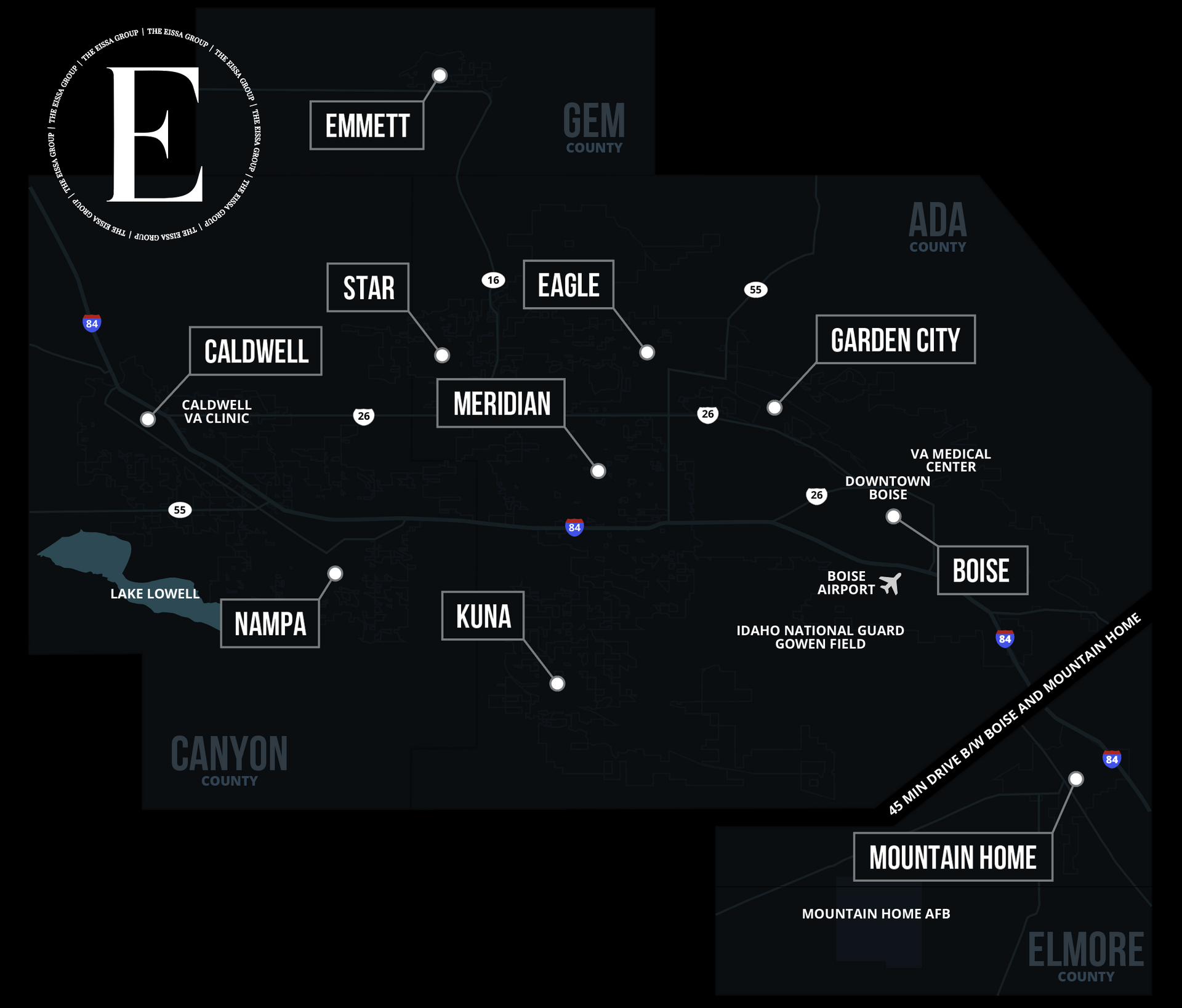
Driving to Boise offers scenic views of the American West and flexibility for travelers carrying outdoor gear, luggage, or family members. The city's primary interstate highway artery is Interstate 84 (I-84), which bisects the Treasure Valley and connects Boise directly to the Pacific Northwest and the Intermountain West.
Major Driving Corridors
- From the West (Portland / Seattle): Travelers from the Pacific Northwest typically take I-84 East out of Portland, tracking down the Columbia River Gorge through Oregon and directly into southwestern Idaho. Those starting in Seattle generally head south via I-5 to connect with I-84 in Oregon.
- From the East (Salt Lake City / Denver): Drivers arriving from Utah or Colorado utilize I-84 West out of Salt Lake City, crossing the Utah-Idaho border near Malad City and continuing northwest toward Boise.
- From the North (McCall / Lewiston): Regional travelers coming from northern Idaho or central mountain towns rely heavily on US Highway 95 and State Highway 55 (known locally as the Route of the Payette River), which provide dramatic mountain vistas but require cautious driving during winter months.
Winter Driving Considerations
Reaching Boise by road between November and March requires adherence to Idaho Transportation Department (ITD) winter driving guidelines. Mountain passes along I-84, Highway 55, and other arterial routes frequently experience snow, ice, and reduced visibility. Carrying tire chains, monitoring road condition reports via the ITD 511 system, and ensuring vehicles are equipped with adequate tread or winter tires are essential safety prerequisites.
Intercity Bus and Alternative Transit
While Boise lacks passenger rail service via Amtrak—the closest active Amtrak stations are located in Utah or Nevada—intercity bus networks provide surface transit options for travelers who prefer not to drive or fly.
Bus Services
- FlixBus and Greyhound: These national carriers operate routes connecting Boise to regional hubs such as Salt Lake City, Portland, and Spokane. Buses typically arrive and depart from designated downtown transfer points or partnering transit stations.
- Salt Lake Express: This regional carrier offers frequent daily shuttle and bus service connecting Boise to Salt Lake City International Airport, eastern Idaho communities, and other regional destinations, serving as a vital link for travelers utilizing connecting flights out of Utah.
Mode Comparison for Reaching Boise
| Transportation Mode | Primary Advantages | Potential Limitations | Best Suited For |
|---|---|---|---|
| Air Travel (BOI) | Fastest transit time; numerous daily direct flights from major Western hubs. | Higher cost during peak seasons; parking or rental car expenses. | Business travelers, long-distance visitors, time-sensitive trips. |
| Driving (I-84 / Highways) | Vehicle flexibility; scenic routes; cost-effective for groups or families. | Long transit hours; winter weather hazards on mountain passes. | Regional travelers, road-trip enthusiasts, those needing a car locally. |
| Intercity Bus / Shuttle | Budget-friendly; relaxing alternative to driving. | Longer travel durations; limited schedule flexibility compared to driving. | Budget-conscious travelers, students, non-drivers connecting from regional hubs. |
Frequently Asked Questions
What is the closest major airport to Boise?
The primary and closest commercial airport is Boise Airport (BOI), situated just three miles from the downtown core. There are no other large commercial airports within a two-hour driving radius, making BOI the definitive aviation entry point for the region.
Can I reach Boise by train?
There is no direct passenger rail service to Boise. Amtrak does not operate routes through the city. Travelers wishing to travel via ground public transit must rely on intercity bus networks like Salt Lake Express or Greyhound.
What is the best time of year to drive to Boise?
Late spring through early autumn (May through September) offers the most reliable driving conditions with minimal risk of snowstorms on mountain passes. Winter driving is manageable but requires careful monitoring of weather reports and mountain pass restrictions.
How far is Salt Lake City from Boise by car?
Salt Lake City is approximately 340 miles southeast of Boise, translating to a drive of roughly 5 to 5.5 hours under normal conditions along Interstate 84. This makes Salt Lake City a common alternative entry point for international travelers or those finding cheaper long-haul flights.
Are rental cars readily available at Boise Airport?
Yes, Boise Airport hosts several major on-site rental car agencies. It is strongly recommended to reserve a vehicle in advance, particularly during peak summer tourism months and winter ski seasons when demand spikes.
Practical Next Actions
To successfully execute your trip to Boise, begin by auditing your starting location and comparing flight schedules into Boise Airport against the cost and time commitment of driving along I-84. If flying, book your tickets and rental car well in advance to secure optimal rates. If driving, check the Idaho Transportation Department 511 traveler information portal for real-time construction updates and weather advisories. Ensure your lodging is secured near your primary destination—whether that is downtown Boise for cultural events or the North End for immediate access to foothill trailheads.
Image Gallery