Who is Matthew in 4 Weddings and a Funeral?
In the landmark 1994 British romantic comedy Four Weddings and a Funeral, Matthew is one of the film's most memorable and emotionally resonant secondary characters. Portrayed by the acclaimed actor John Hannah, Matthew is the long-term...
In the landmark 1994 British romantic comedy Four Weddings and a Funeral, Matthew is one of the film's most memorable and emotionally resonant secondary characters. Portrayed by the acclaimed actor John Hannah, Matthew is the long-term romantic partner of Gareth, played by Simon Callow. Together, Matthew and Gareth anchor a central emotional subplot of the movie that moves from boisterous comedic high jinks to profound, devastating grief, culminating in one of the most famous poetry readings in modern cinematic history. Understanding Matthew’s role in the film requires examining his dynamic with Gareth, his pivotal contribution to the narrative arc, and the broader cultural impact of his characterization during a significant era for LGBTQ+ cinematic representation.
Contents
Cinematic Context and Narrative Function
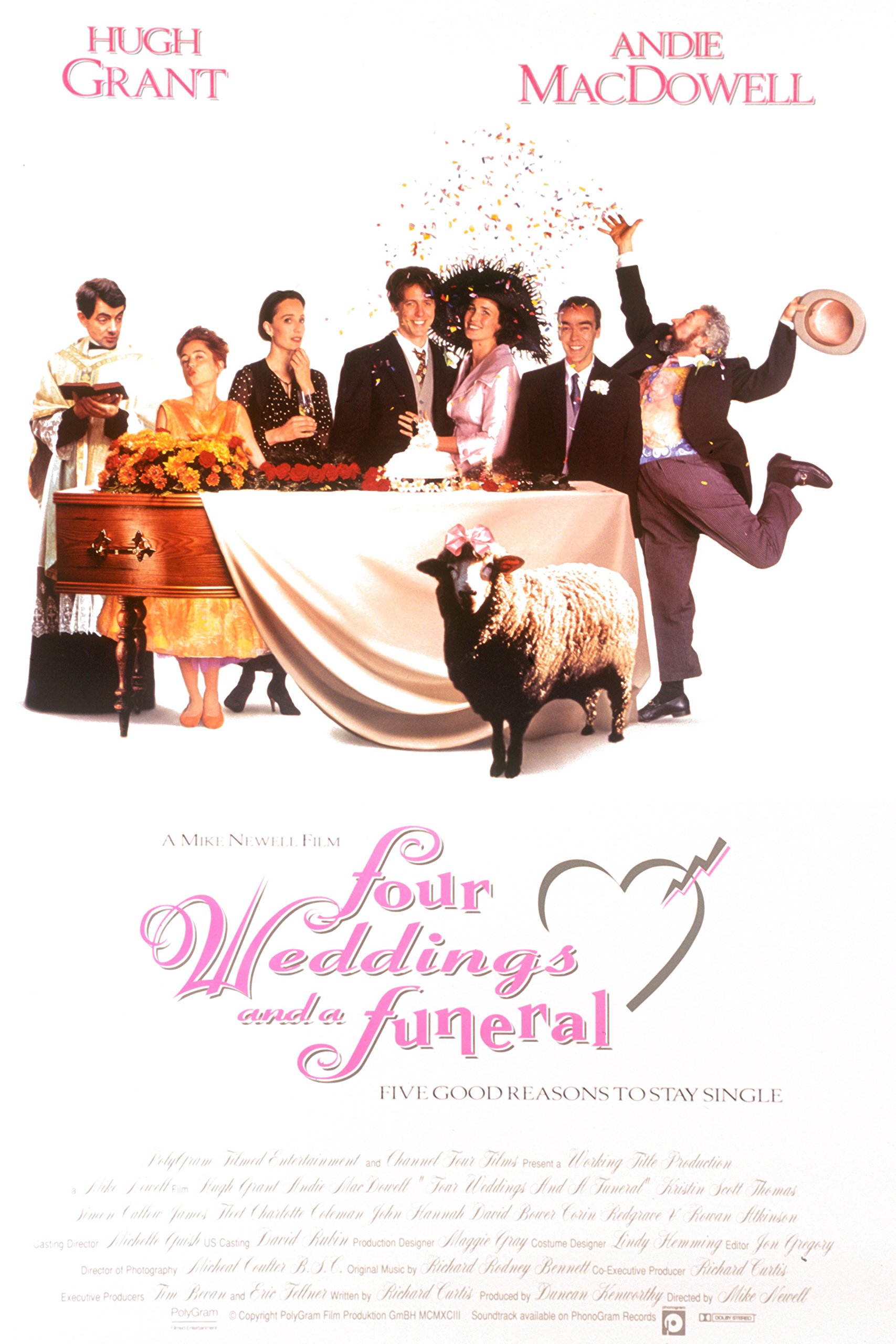
Directed by Mike Newell and written by Richard Curtis, Four Weddings and a Funeral follows a close-knit circle of British friends as they navigate romance, commitment, and tragedy over the course of several social gatherings. Within this ensemble, Matthew and Gareth represent a stable, fiercely loyal, and deeply affectionate couple whose relationship serves as an anchor for the broader group of friends led by Charles (Hugh Grant).
Matthew is introduced early in the film as Gareth's partner. Gareth is a larger-than-life, flamboyant, and boisterous character who loves hosting dinner parties, organizing social events, and dominating conversations with theatrical flair. By contrast, Matthew is initially presented as somewhat quieter, more reserved, and deeply devoted to Gareth. Their domestic partnership provides a domestic warmth and continuity that contrasts sharply with the romantic neuroses and commitment phobia exhibited by the main protagonist, Charles.
The narrative function of Matthew and Gareth shifts drastically during the film's second act, specifically at the reception following the second wedding. It is here that Gareth suddenly suffers a fatal heart attack while dancing energetically to Gloria Gaynor's "I Will Survive." This tragic turning point transforms the film's tone from a lighthearted farce into a meditation on genuine love and loss. Matthew becomes the emotional epicenter of this transition, thrusting the audience and the surrounding characters into the stark reality of grief.
The Relationship Between Matthew and Gareth
The romance between Matthew and Gareth is depicted with an authenticity and normalcy that was relatively rare for mainstream studio comedies in the mid-1990s. While their relationship is peppered with humorous bickering and affectionate teasing typical of long-term couples, the underlying foundation is one of absolute devotion.
Gareth's sudden death strips away the comedic veneer of the film, highlighting the depth of Matthew's attachment. When Gareth passes away, Matthew does not merely experience sadness; his entire world is upended. The film portrays his grief not as a punchline or a peripheral background detail, but as a devastating, authentic human experience. This portrayal challenged conventional cinematic tropes of the era, which frequently relegated LGBTQ+ characters to comic relief, tragic victims, or stereotyped caricatures without emotional depth.
| Character | Actor | Primary Role in the Film | Key Narrative Arc |
|---|---|---|---|
| Matthew | John Hannah | Gareth’s domestic partner / mourner | Transitions from background ensemble member to emotional anchor through his eulogy. |
| Gareth | Simon Callow | Boisterous event planner / host | Provides early comedic energy and establishes the stakes of long-term commitment before his sudden death. |
| Charles | Hugh Grant | Central protagonist / best man | Learns the true meaning of commitment by observing the genuine bond shared by Matthew and Gareth. |
The Funeral and W.H. Auden's "Funeral Blues"
Matthew's most defining moment in Four Weddings and a Funeral occurs during the titular funeral service, which serves as the film's emotional crucible. Standing before the mourners gathered in the church, Matthew delivers a eulogy for Gareth that remains one of the most celebrated scenes in British cinema.
Instead of composing his own words, Matthew recites the famous poem "Funeral Blues" (often known by its opening line, "Stop all the clocks") written by W.H. Auden. John Hannah's raw, unvarnished delivery captures the agonizing dimensions of public grief. The recitation begins with stark, sweeping commands to halt the daily mechanics of the universe:
Stop all the clocks, cut off the telephone, Prevent the dog from barking with a juicy bone, Silence the pianos and with muffled drum Bring out the coffin, let the mourners come.
As the poem progresses, the scale narrows from universal mourning to deeply personal devastation. Matthew’s voice breaks as he describes Gareth as his "north, my south, my east and west, / My working week and my Sunday rest, / My noon, my midnight, my talk, my song."
This scene accomplishes two crucial storytelling goals. First, it validates the profound nature of same-sex love within a mainstream cinematic narrative, presenting it with the exact same gravity, heartbreak, and dignity historically reserved for heterosexual romantic tragedies. Second, it alters Charles's perspective on life and love, acting as a catalyst for Charles to reevaluate his own romantic fears.
Cultural Impact and Legacy of John Hannah's Performance
When Four Weddings and a Funeral was released in 1994, it became an international blockbuster, revitalizing the British film industry and propelling Hugh Grant to global stardom. Amidst the romantic comedy conventions of mistaken identities and wedding mishaps, the subplot involving Matthew and Gareth provided an essential grounding emotional reality.
For actor John Hannah, the role was a career-defining breakthrough. Prior to the film, Hannah was primarily known for stage work and television guest roles. His sensitive, understated portrayal of Matthew earned widespread critical praise and demonstrated his range as an actor capable of handling both light comedic timing and heavy dramatic pathos.
Furthermore, the inclusion of an openly gay couple whose relationship was treated with complete acceptance by their peer group was a notable milestone for commercial cinema in the 1990s. While queer cinema existed firmly within independent and art-house circuits, mainstream Hollywood and British studio films rarely depicted a same-sex partnership integrated so naturally into a standard social fabric without being the singular "issue" of the plot. Matthew and Gareth simply existed as friends, partners, and human beings experiencing the universal pain of mortality.
Frequently Asked Questions
Who played the character of Matthew in Four Weddings and a Funeral?
The character of Matthew was played by Scottish actor John Hannah. The role served as his international breakout performance, establishing his career in both film and television.
What poem does Matthew read at Gareth's funeral?
Matthew recites "Funeral Blues" by the twentieth-century poet W.H. Auden. The reading begins with the famous line "Stop all the clocks, cut off the telephone" and serves as the emotional peak of the film.
Why does Gareth's death happen in the movie?
Gareth’s sudden heart attack at the second wedding reception introduces genuine stakes and emotional gravity into a narrative that otherwise relies on comedic romantic tropes. His death forces the protagonist and the audience to confront the fragility of life and the true depth of commitment.
Is Matthew's relationship with Gareth portrayed positively?
Yes. Despite Gareth's loud and theatrical personality, their long-term partnership is depicted with warmth, humor, and deep mutual affection, culminating in Matthew's devastating grief after Gareth passes away.
How did the role impact John Hannah's career?
The role brought John Hannah widespread critical acclaim for his emotional depth, particularly during the funeral scene. It opened doors for major subsequent film roles, including Sliding Doors and The Mummy franchise.
Practical Recommendations for Viewers
For those revisiting Four Weddings and a Funeral or encountering it for the first time, paying attention to the peripheral character arcs—particularly the domestic stability of Matthew and Gareth—offers a richer appreciation of Richard Curtis's script. While the central will-they-won't-they romance between Charles and Carrie drives the plot mechanics, the film's enduring resonance stems directly from the courage it displays in shifting from romantic farce to authentic tragedy through Matthew's storyline. When examining the history of 1990s cinema, Matthew stands out as a quietly revolutionary character who proved that deep, enduring love stories transcend traditional formulas.
Image Gallery