Understanding the Difference Between Mold Removal and Mold Remediation
Mold removal is the physical act of wiping, scrubbing, or throwing away mold-infested materials, whereas mold remediation is a comprehensive, multi-step process designed to find the underlying moisture source, contain the affected area...
Mold removal is the physical act of wiping, scrubbing, or throwing away mold-infested materials, whereas mold remediation is a comprehensive, multi-step process designed to find the underlying moisture source, contain the affected area, clean the mold, and restore indoor air quality to pre-damage levels.
Contents
When property owners discover fungal growth in a home or commercial building, panic often sets in. The immediate reaction is usually a desperate search for "mold removal" services, or a quick run to the hardware store for bleach and a sponge. However, professional restoration experts and indoor environmental professionals (IEPs) draw a sharp, critical line between merely removing mold and fully remediating a mold problem. Understanding this distinction is essential for protecting structural integrity, preventing recurring infestations, and safeguarding human health.
The Core Concept: Surface Clean-Up Versus Environmental Restoration
To understand the difference between mold removal and mold remediation, one must look at how mold behaves biologically. Mold is not merely a surface stain; it is a living organism that spreads via microscopic spores circulating through the air and settling on organic surfaces such as drywall, wood framing, insulation, and carpeting.
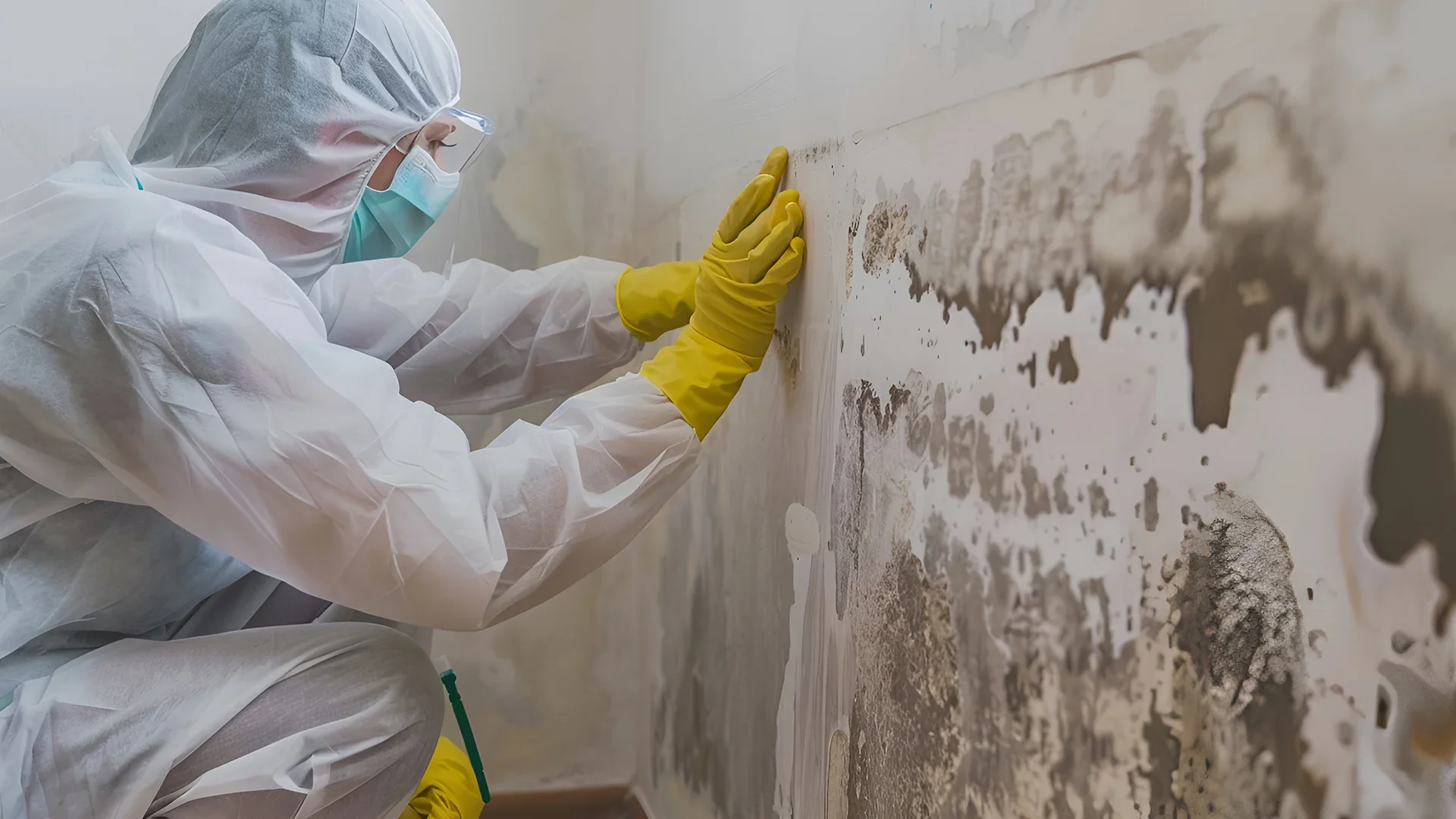
Mold removal focuses strictly on the visible symptom: the discoloration and fuzzy growth on a specific material. If a homeowner sprays a patch of mold on a bathroom ceiling with a fungicidal cleaner and wipes it away, that is mold removal. The physical presence of the mold has been addressed on that exact spot. However, this narrow approach almost always fails to resolve the broader issue.
Mold remediation, by contrast, is a systematic, scientifically grounded protocol. It recognizes that visible mold is merely the tip of the iceberg. Remediation treats the entire ecosystem of the affected indoor environment. It accounts for hidden mold colonies inside wall cavities, airborne spores circulating through the HVAC system, and—most importantly—the moisture intrusion that allowed the mold to colonize in the first place. Without addressing the root cause, any attempt at removal is merely a temporary cosmetic fix.
Detailed Comparison of Mold Removal and Mold Remediation
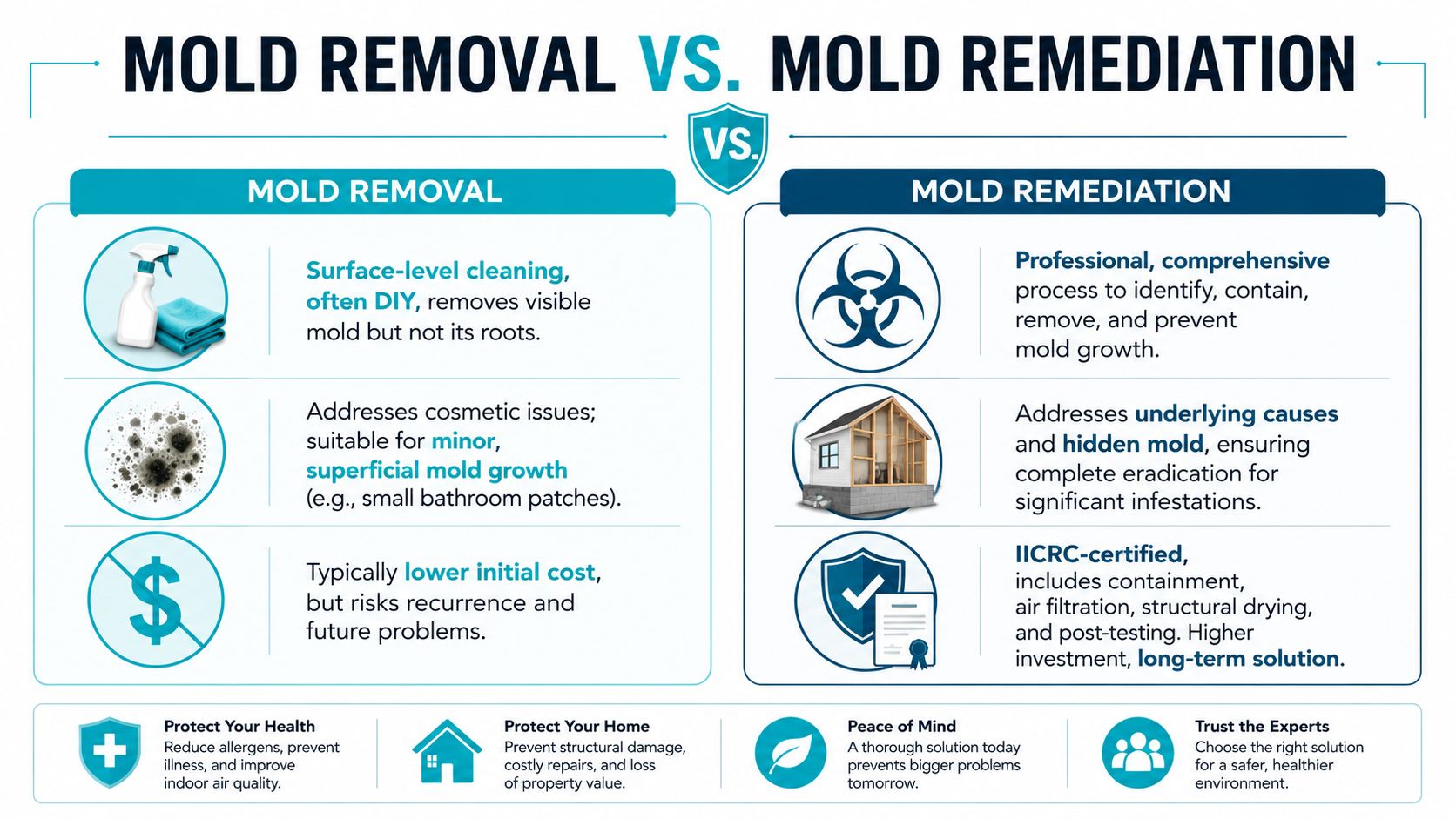
A side-by-side comparison highlights the operational differences in scope, technique, and long-term effectiveness between these two approaches.
| Feature | Mold Removal | Mold Remediation |
|---|---|---|
| Primary Goal | Eliminate visible mold growth from a surface. | Restore indoor air quality and eliminate the moisture source. |
| Scope of Work | Surface-level cleaning, scrubbing, or discarding of specific items. | Comprehensive assessment, containment, air filtration, cleaning, and prevention. |
| Moisture Control | Rarely addresses the underlying moisture source. | Identifies and repairs the root cause of water intrusion. |
| Containment | None; spores can spread during the cleaning process. | Strict containment using physical barriers and negative air pressure. |
| Equipment Used | Household cleaners, rags, basic PPE, or bleach solutions. | HEPA vacuums, negative air machines, moisture meters, and antimicrobial agents. |
| Long-Term Success | Low; mold frequently returns if moisture persists. | High; treats the environment to prevent future growth. |
The Multi-Step Process of Mold Remediation
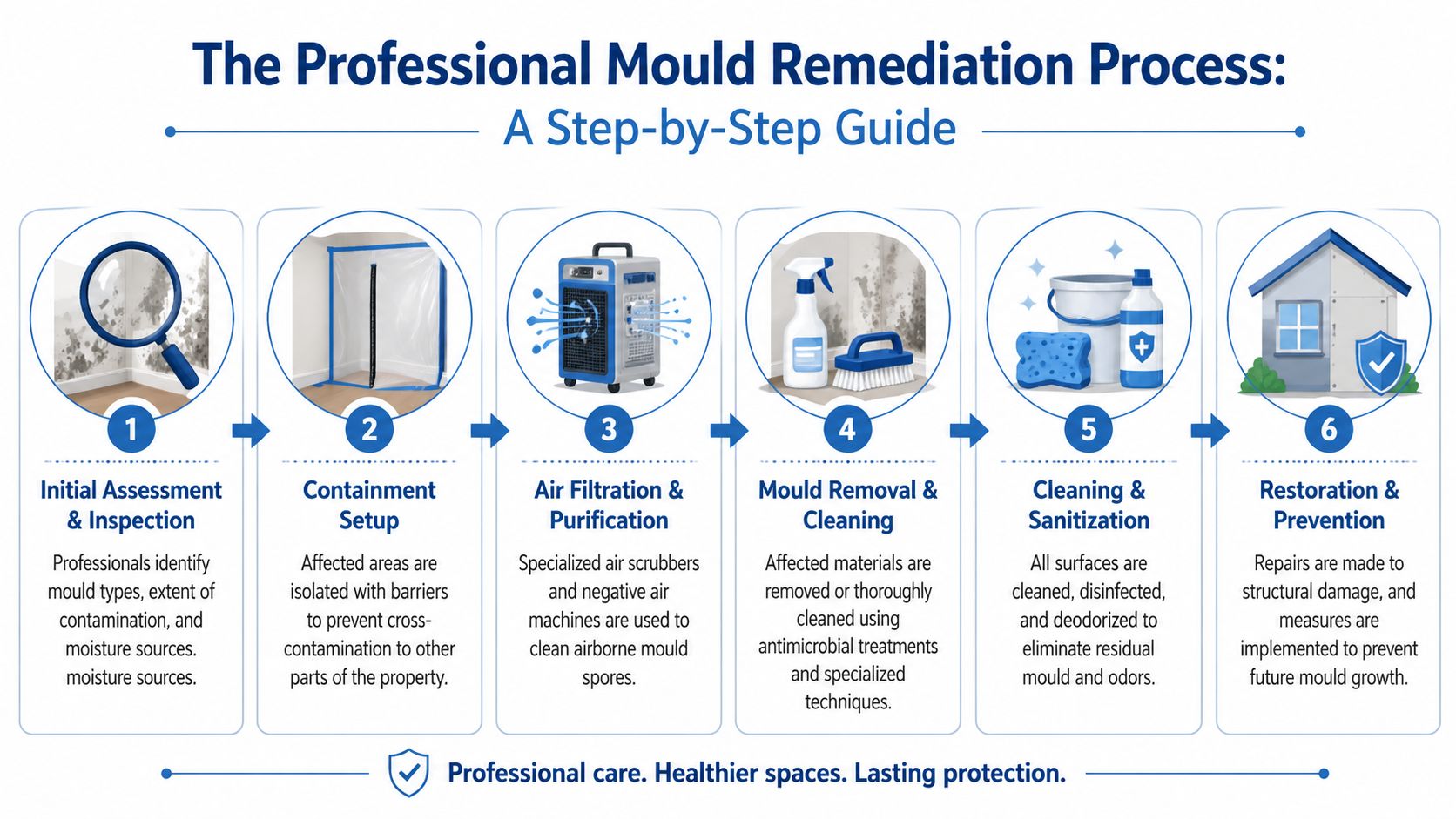
Professional mold remediation follows rigorous industry standards, such as those established by the Institute of Inspection Cleaning and Restoration Certification (IICRC S520). Executing a proper remediation project requires a structured sequence of operational phases.
1. Comprehensive Assessment and Testing
Before any physical work begins, a certified mold inspector or remediator assesses the property. This phase involves locating all affected areas—including hidden zones behind wallpaper, under flooring, and inside ductwork—using thermal imaging cameras and moisture meters. In many cases, air quality testing is performed to measure spore concentrations and identify specific toxic mold genera, such as Stachybotrys chartarum (often referred to as black mold).
2. Isolation and Containment
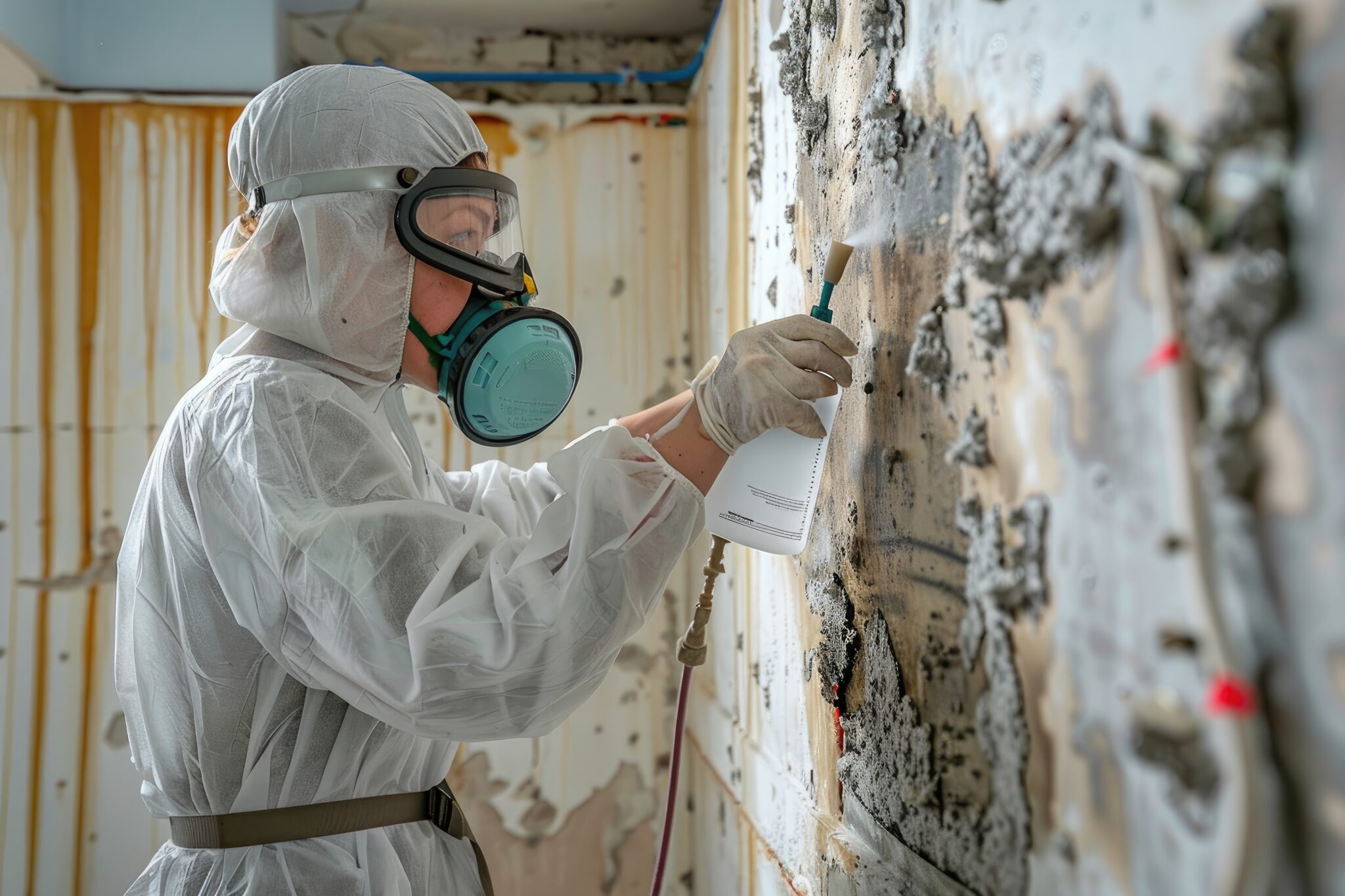
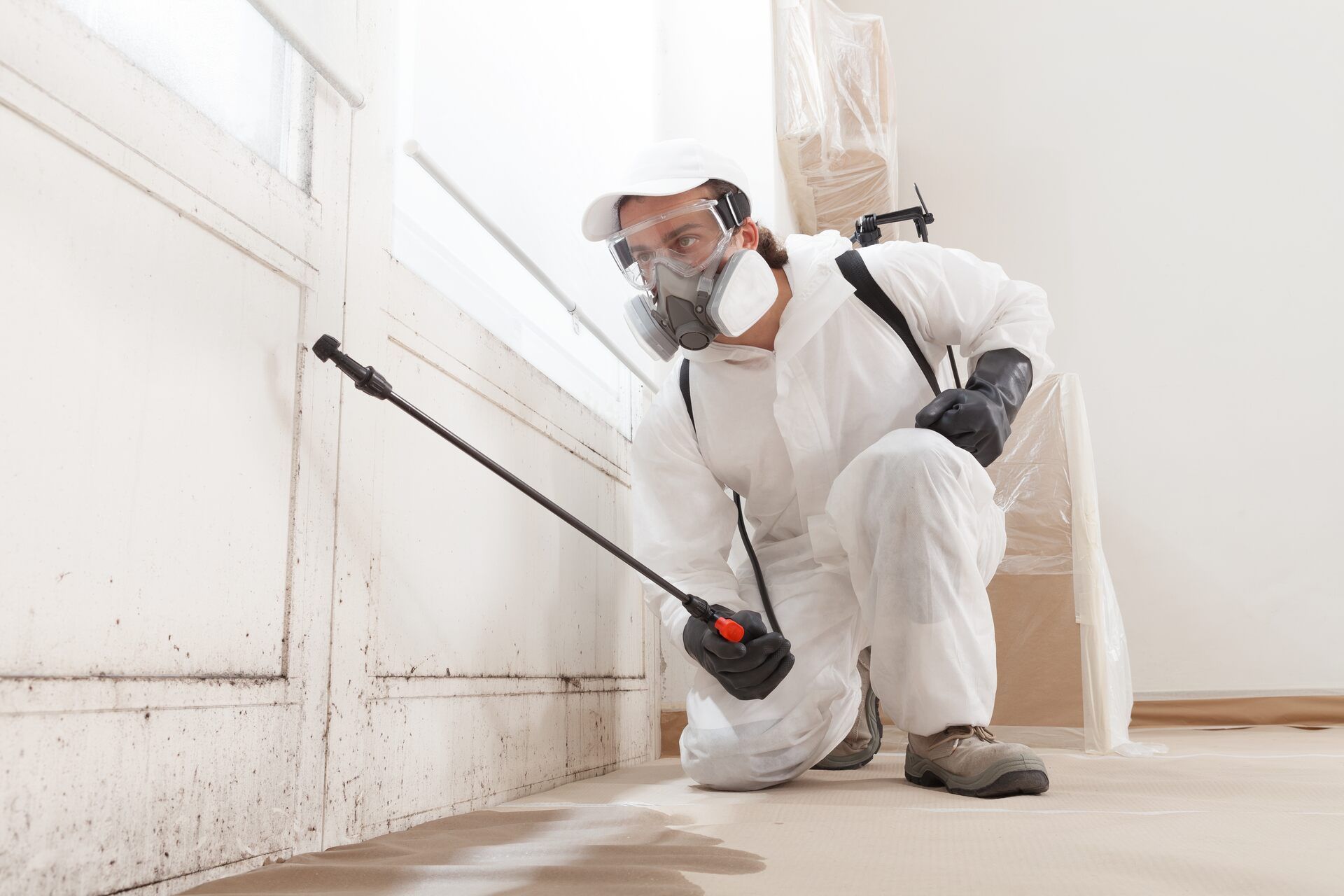
Disturbing dry mold colonies without precautions causes millions of microscopic spores to become airborne and migrate to clean areas of the building. To prevent cross-contamination, technicians erect physical barriers using heavy-duty polyethylene sheeting. They seal doorways and HVAC vents, and they install negative air machines equipped with High-Efficiency Particulate Air (HEPA) filters to maintain negative pressure within the work zone, ensuring air flows inward rather than outward.
3. Air Filtration and Scrubbing
Throughout the remediation process, commercial-grade air scrubbers run continuously. These devices draw in indoor air, trap microscopic mold spores and particulate matter through multi-stage HEPA filtration, and exhaust clean air back into the containment zone. This step is vital for lowering overall airborne spore counts before workers dismantle containment barriers.
4. Removal, Cleaning, and Disinfection
Once containment and air scrubbing are established, technicians address the contaminated materials. Porous materials deeply penetrated by hyphae—such as drywall, insulation, and carpeting—must be carefully bagged, sealed, and discarded. Semi-porous and non-porous materials like framing lumber, concrete, and metal can often be cleaned. Technicians use HEPA vacuums, wire brushing, and specialized antimicrobial solutions or EPA-registered biocide washes to neutralize remaining mold roots.
5. Drying and Moisture Mitigation
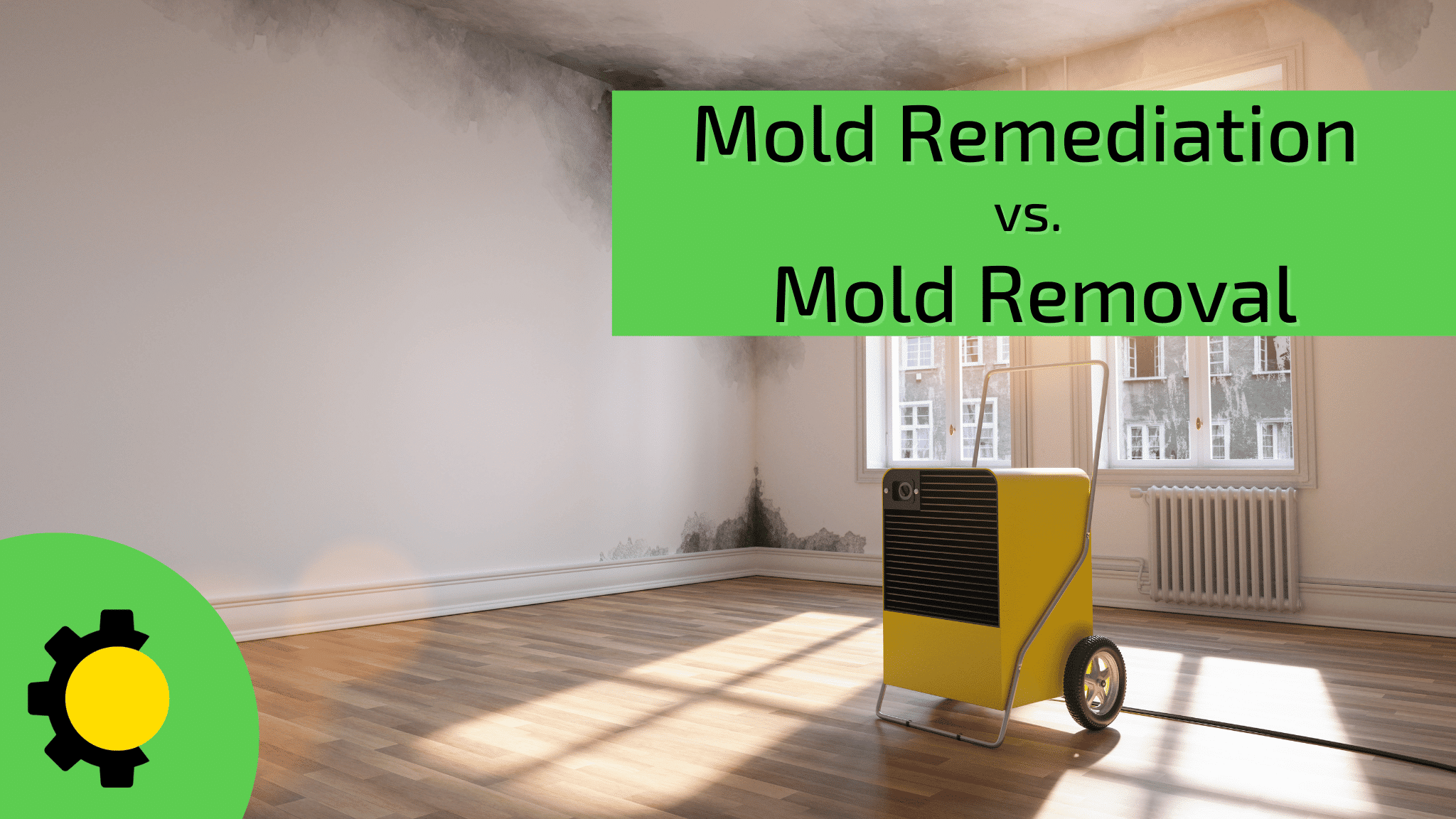
Because mold requires moisture to germinate and grow, remediation is incomplete without drying the structure. Industrial dehumidifiers and high-velocity air movers are deployed to reduce relative humidity and dry structural cavities. Furthermore, the underlying cause of moisture—whether a leaking roof, a burst pipe, foundation seepage, or chronic high humidity—must be repaired to prevent recurrence.
6. Post-Remediation Verification and Reconstruction
After cleaning and drying are complete, a final inspection—often conducted by an independent third-party industrial hygienist—verifies that spore counts have returned to normal baseline levels. Once clearance is granted, containment is dismantled, and reconstruction begins. This phase involves hanging new drywall, laying new flooring, painting, and restoring the property to its pre-loss condition.
When to DIY Mold Removal Versus Hiring Professionals
Deciding whether to tackle a mold problem yourself or hire a professional depends heavily on the scale of the infestation and safety risks. According to the United States Environmental Protection Agency (EPA), property owners can generally clean minor mold growth themselves if the affected area is less than 10 square feet (roughly the size of a 3-foot by 3-foot patch).
However, professional mold remediation is required under specific conditions:
- Large-Scale Infestations: When mold covers more than 10 square feet of surface area.
- HVAC Contamination: If mold is growing inside heating, ventilation, and air conditioning ducts or units, running the system will broadcast spores throughout the entire building.
- Toxic or Pathogenic Species: Finding suspected Stachybotrys or extensive mold following sewage backups or flooding requires specialized hazardous material protocols.
- Health Vulnerabilities: Occupants with compromised immune systems, chronic respiratory conditions, severe allergies, asthma, or infants and elderly individuals should never participate in or remain near active mold cleaning.
- Hidden Sources: If musty odors persist but no visible mold can be found, professional diagnostic tools are necessary to uncover hidden reservoirs.
Common Mistakes in Mold Management
Property owners frequently compromise their indoor environment by making critical errors during mold clean-up.
- Using Bleach on Porous Surfaces: A widespread misconception is that chlorine bleach kills mold everywhere. While bleach works effectively on non-porous surfaces like tile or glass, it fails on porous materials like wood and drywall. Because bleach is water-based, the water soaks into the material while the chlorine stays on the surface, leaving the deep-seated roots intact and providing fresh moisture for future growth.
- Failing to Establish Containment: Scrubbing moldy drywall without plastic barriers or negative air machines sends millions of spores airborne, contaminating previously clean rooms and worsening indoor air quality.
- Ignoring the Humidity Level: Simply wiping away mold without dropping indoor relative humidity below 60% ensures that spores landing on nearby surfaces will quickly germinate and start a new colony.
Frequently Asked Questions
Can I paint over mold to hide it?
No. Painting over mold is a counterproductive and temporary masking tactic. Paint traps moisture and nutrients beneath the film, providing an ideal microenvironment for mold to continue eating away at the underlying material while pushing through the paint layer later. The infestation must be fully cleaned and the moisture source resolved before any painting or refinishing takes place.
Is mold removal covered by standard homeowners insurance?
Coverage depends entirely on the root cause of the moisture intrusion. If mold results from a sudden, accidental plumbing failure (such as a burst pipe covered under the policy), insurance may cover remediation costs. However, mold resulting from long-term maintenance neglect, slow hidden leaks over months, or rising ground water is typically excluded from standard homeowners policies.
How long does mold remediation take?
The timeline varies widely based on the severity of the damage. A small localized remediation project in a single bathroom may take one to three days. Conversely, extensive structural remediation involving multi-room containment, structural drying, and reconstruction can take anywhere from one to several weeks.
How can I prevent mold from returning after remediation?
Prevention centers on strict moisture management. Keep indoor relative humidity between 30% and 50% using air conditioners and dehumidifiers, ensure proper ventilation in moisture-prone areas like kitchens and bathrooms, immediately repair plumbing leaks, and inspect roofs and gutters regularly for water infiltration.
Conclusion
Distinguishing between mold removal and mold remediation goes far beyond semantics; it represents the difference between a superficial cosmetic fix and a permanent environmental solution. While wiping down a small patch of surface mold is a straightforward DIY task, true mold remediation requires rigorous containment, professional air scrubbing, structural drying, and permanent moisture correction. Investing in proper, comprehensive remediation protects both the structural health of a building and the respiratory well-being of its occupants.
Image Gallery