The First Golden Buzzer on AGT Explained: History, Impact, and Evolution
The first Golden Buzzer on America's Got Talent (AGT) was introduced during Season 9 in 2014, allowing judges to save a contestant from elimination regardless of majority opinion. The feature fundamentally shifted the competition's dyn...
The first Golden Buzzer on America's Got Talent (AGT) was introduced during Season 9 in 2014, allowing judges to save a contestant from elimination regardless of majority opinion. The feature fundamentally shifted the competition's dynamics by giving acts an immediate, guaranteed path forward to the live shows.
Contents
Understanding the Genesis of the Golden Buzzer on America's Got Talent
Reality television competitions constantly seek mechanical innovations to drive audience engagement, elevate dramatic stakes, and give judges direct power over fan-favorite performers. When NBC's America's Got Talent prepared for its ninth season in 2014, producers and network executives evaluated ways to alter the standard voting structure. Up to that point, judges Howard Stern, Heidi Klum, Mel B, and Howie Mandel possessed standard red X buttons to buzz acts off the stage. However, they lacked a mechanism to champion an act unanimously or override a deadlock without waiting for audience or producer votes.
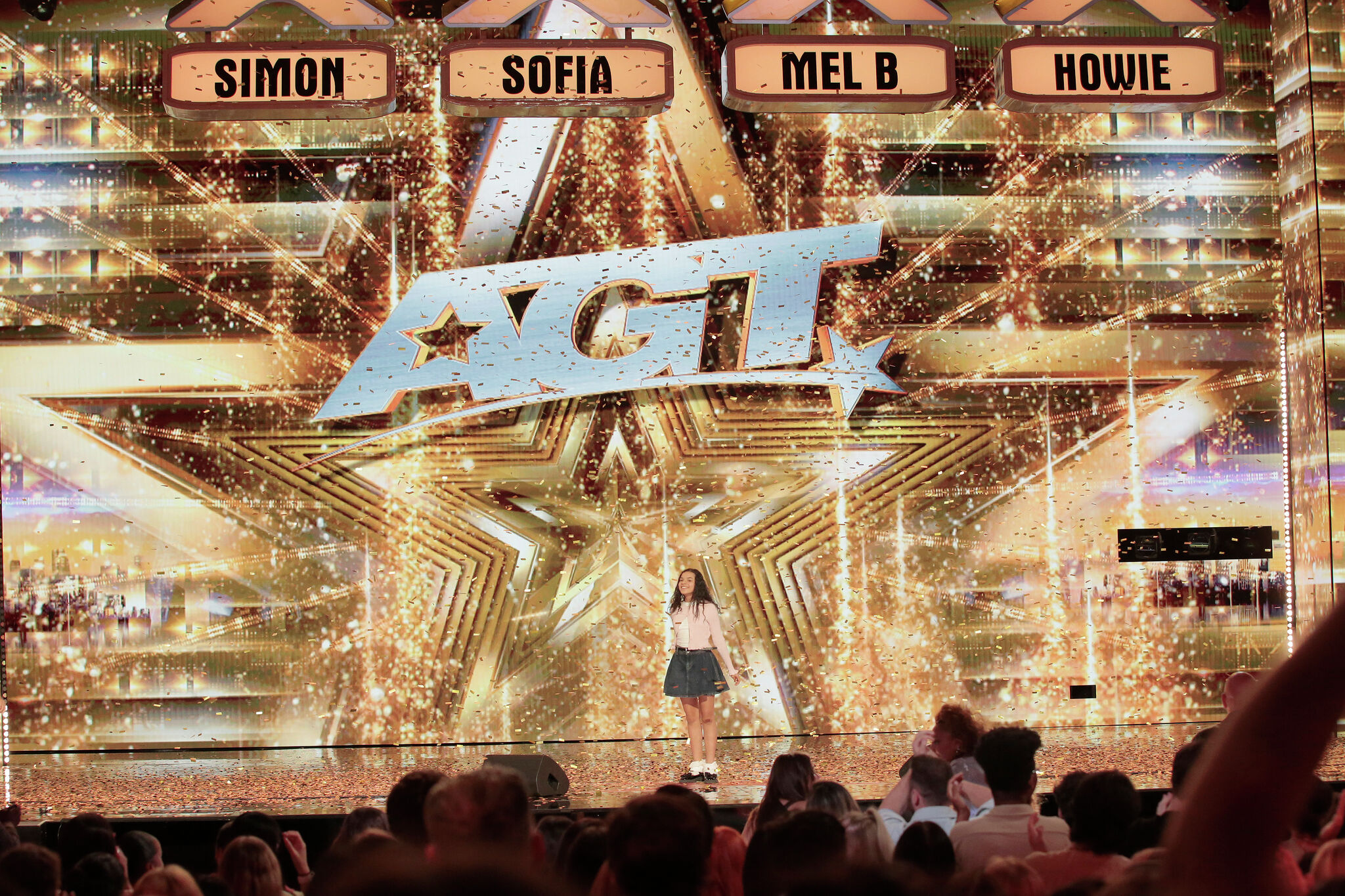
The introduction of the Golden Buzzer solved this structural problem by inverting the function of the traditional buzzer. Instead of signaling rejection, a press of the buzzer illuminated a large golden light, showered the stage in golden confetti, and guaranteed the performing act safe passage to the next round of the competition.
The Evolution from Season 9 to the Modern Era
When the Golden Buzzer made its debut in Season 9, its implementation differed significantly from the rules governing the show today. Initially, the mechanism served as a collective tool rather than an individual power.
- Season 9 (2014): The four judges shared a single, centralized Golden Buzzer during the judge auditions. To use it, all four judges had to reach a consensus and press the button together, acting as a unified veto against standard elimination rules.
- Seasons 10–13 (2015–2018): Producers expanded the feature, granting each individual judge their own dedicated Golden Buzzer to use independently once per season. Host Nick Cannon, and later Tyra Banks and Terry Crews, also received a Golden Buzzer during their respective tenures to use for acts during regular auditions or special compilation episodes.
- Seasons 14–Present (2019–2026): The rules continued to evolve with the introduction of "Group Golden Buzzers" and variations across international franchises and spin-offs like AGT: The Champions and AGT: Fantasy League, allowing judges to save acts multiple times or push contestants straight to the live semi-finals.
Who Received the Very First Golden Buzzer?
The historic milestone of receiving the first-ever Golden Buzzer on America's Got Talent belongs to Siro-A, a Japanese performance art, visual mapping, and dance troupe. The group specialized in blending high-tech laser projections, precise timing, and multimedia visual effects with energetic choreography, creating a hypnotic stage spectacle that captivated both the live audience and the judging panel.
During their Season 9 audition, Siro-A delivered a meticulously synchronized routine that fused digital animation with physical movement. Impressed by the originality and technical execution of the performance, the judges—Howard Stern, Heidi Klum, Mel B, and Howie Mandel—joined forces at the judges' desk. They pressed the centralized buzzer together, marking the first time in television history that a talent show contestant was granted automatic immunity through a judge-controlled feature.
Impact on Siro-A's Career and Trajectory
Receiving the first Golden Buzzer immediately elevated Siro-A from an international indie troupe to global viral sensations. The exposure propelled them deep into the Season 9 competition, where they consistently pushed the boundaries of technology-based variety acts. Following their appearance on the show, the group secured high-profile residency contracts, international tour dates, and corporate performances that cemented visual mapping as a staple genre of modern variety television.
Comparative Analysis: Golden Buzzer Evolution Across Eras
To understand how the first Golden Buzzer changed the format of America's Got Talent, it is helpful to examine the operational rules of the feature across different phases of the show's history.
| Season Range | Rule Structure | Who Controlled It | Destination After Pressing |
|---|---|---|---|
| Season 9 (2014) | Collective Consensus | All four judges must press together | Judgement/Vegas Round or Live Shows |
| Seasons 10–13 | Individual Allocation | Each judge + Host (one use each) | Live Quarter-Finals |
| Seasons 14–20 | Expanded & Spinoff Rules | Judges, Host, and Golden Guest Judges | Direct to Live Semi-Finals or Finals |
| Special Editions | Super-Sized Formats | Mentors, Superfans, and Panelists | Advanced Championship Rounds |
The Mechanics and Criteria of the Golden Buzzer
While the Golden Buzzer is ostensibly designed to reward extraordinary talent, its utilization involves a blend of artistic merit, emotional resonance, and television production strategy. Understanding how the feature operates requires examining the behind-the-scenes parameters that govern its use.
Production Guidelines and Restrictions
- Quota Limitations: Each judge and the host are strictly limited to pressing the Golden Buzzer a designated number of times per season—typically once during the initial audition tour.
- Post-Audition Immunity: Acts that receive the Golden Buzzer bypass the grueling deliberation rounds, where producers and judges narrow down hundreds of successful auditionees to a select group of live performers.
- Genre Diversity: Production teams often encourage judges to distribute golden buzzers across varied genres—balancing singers, magicians, danger acts, comedians, and dance troupes—to maintain a balanced lineup for the live shows.
Why the Feature Resonates with Viewers
The psychological appeal of the Golden Buzzer lies in its immediacy and emotional release. In a standard competition format, contestants face days or weeks of agonizing waiting while judges deliberate behind closed doors. The Golden Buzzer short-circuits this bureaucratic process, offering an instant validation of an artist's hard work. For viewers at home, the explosion of gold confetti acts as a visual cue of a transcendent television moment, turning a routine audition into an unforgettable milestone.
Frequently Asked Questions
Can an act be eliminated after receiving the first Golden Buzzer?
No. Once a judge or panel presses the Golden Buzzer, the act is mathematically safe from elimination for that specific round of the competition and advances directly to the subsequent stage of the show, regardless of what happens later in the auditions.
Did Siro-A win Season 9 of America's Got Talent?
No. While Siro-A reached the later stages of the competition and enjoyed a highly successful run, magician Matt Franco won Season 9 of America's Got Talent, marking the first time a magician won the entire competition.
Who invented the Golden Buzzer concept?
The Golden Buzzer concept was originally introduced by the Got Talent franchise creators as a way to inject high drama into the audition episodes. It was first deployed internationally on French television (La Incroyable Talent) before being adapted by Britain's Got Talent and subsequently brought to the American version in Season 9.
Do judges get to choose when they use the Golden Buzzer?
Yes, but within production constraints. Judges decide independently when an act moves them enough to warrant the honor, though producers coordinate the schedule to ensure that all golden buzzers are not exhausted during the first few episodes of a multi-week audition tour.
Conclusion and Next Steps
The debut of the Golden Buzzer in Season 9 of America's Got Talent permanently altered how talent competitions discover and elevate extraordinary performers. By honoring Siro-A with television's first golden confetti drop, the show established a new standard for instant recognition. For viewers wishing to explore this history further, revisiting Season 9 audition archives provides a clear view of how high-tech variety acts paved the way for the modern era of reality television.
Image Gallery