Understanding Raynor Winn, Her Husband Moth, and the Context of Their Memoir Journey
Raynor Winn’s husband, Moth Winn, did not die; rather, the central narrative of their life and literature is defined by his terminal diagnosis of a rare degenerative brain condition, which sparked their transformative journey along the...
Raynor Winn’s husband, Moth Winn, did not die; rather, the central narrative of their life and literature is defined by his terminal diagnosis of a rare degenerative brain condition, which sparked their transformative journey along the South West Coast Path. Misconceptions regarding his death often stem from confusion over the profound terminal nature of his illness, corticobasal degeneration, and the emotional resonance of their acclaimed memoir, The Salt Path.
Contents
The Reality of Moth Winn’s Health Status and Misconceptions
When readers encounter memoirs dealing with terminal illness, aging, and extreme physical hardship, questions regarding the survival and current status of the subjects naturally arise. In the case of Raynor Winn and her husband, Moth, internet queries regarding his death are widespread. However, these searches rest on a misunderstanding of his medical condition rather than an actual bereavement.
Moth Winn was diagnosed with corticobasal degeneration (CBD), a rare, progressive neurodegenerative disease that affects both cognitive functions and physical movement. At the time of his diagnosis, medical professionals offered a bleak prognosis, suggesting that the condition had no cure and would rapidly deteriorate his quality of life, ultimately leading to total physical and mental incapacitation. This terminal outlook is what drives readers to search for details regarding his passing.
Despite the severe diagnosis given years prior, Moth is alive. The physical exertion, engagement with nature, and sheer resilience documented in The Salt Path and its sequels paradoxically counterbalanced the rapid decline medical experts anticipated. While living with a chronic, life-limiting condition brings daily hurdles, his survival serves as a testament to the unpredictable trajectory of neurodegenerative illnesses and the human capacity to adapt to adversity.
Context of The Salt Path: The Catalyst for Their Journey
To understand why the public frequently inquires about Moth’s mortality, one must examine the devastating context that preceded their 630-mile walk along the South West Coast Path. The couple’s journey was not undertaken as a leisure hike or a publicity stunt; it was an act born out of total destitution and despair.
Within a short span, Raynor and Moth lost their home of twenty years due to a misguided business investment and a legal dispute that stripped them of their livelihood, savings, and property. Almost simultaneously, Moth received his terminal corticobasal degeneration diagnosis. Facing homelessness, extreme poverty, and a death sentence wrapped inside a medical report, they found themselves sleeping in a tent with virtually no financial resources or safety net.
| Challenge Faced | Description | Impact on the Couple |
|---|---|---|
| Financial Ruin | Loss of farm and home through a legal dispute | Rendered homeless and unemployed |
| Terminal Diagnosis | Corticobasal degeneration (CBD) | Facing progressive physical and cognitive decline |
| Social Isolation | Stigma of homelessness and severe poverty | Loss of community support and institutional safety nets |
| Physical Hardship | Living outdoors in variable UK weather | Daily struggle for food, shelter, and warmth |
With nowhere to go and nothing left to lose, they made the radical decision to pack a tent and walk the entire coastline of the South West Coast Path, stretching from Minehead in Somerset through Devon and Cornwall to Poole in Dorset. This desperate venture became the narrative framework for The Salt Path, published in 2018, which went on to become a Sunday Times bestseller and deeply resonated with millions of readers worldwide.
Medical Background: Understanding Corticobasal Degeneration
Corticobasal degeneration is an atypical Parkinsonian disorder characterized by cell loss and atrophy in multiple areas of the brain, including the cerebral cortex and the basal ganglia. Because public curiosity often conflates degenerative brain diseases with immediate mortality, examining the clinical realities of CBD clarifies why Moth’s prognosis was initially treated as a terminal sentence.
The condition typically manifests in mid-to-late life and presents with symptoms such as asymmetric rigidity, apraxia (the inability to perform purposeful movements), dystonia, and cognitive impairment. Unlike more common forms of dementia, the physical motor symptoms can be profoundly disabling early in the progression.
- Asymmetric Motor Deficits: Symptoms usually affect one side of the body more severely than the other.
- Cognitive and Language Changes: Difficulties with speech, spatial orientation, and executive functioning often accompany motor decline.
- Prognosis and Management: There is currently no disease-modifying treatment or cure for CBD. Management focuses entirely on palliative care, physical therapy, and maintaining comfort.
Given these severe clinical parameters, the medical community's expectation that Moth would quickly succumb to the illness was standard based on historical data. However, individual disease trajectories vary significantly, and the rigorous physical activity the couple maintained during their coastal walk introduced variables that standard clinical environments rarely capture.
Subsequent Memoirs and Continued Survival
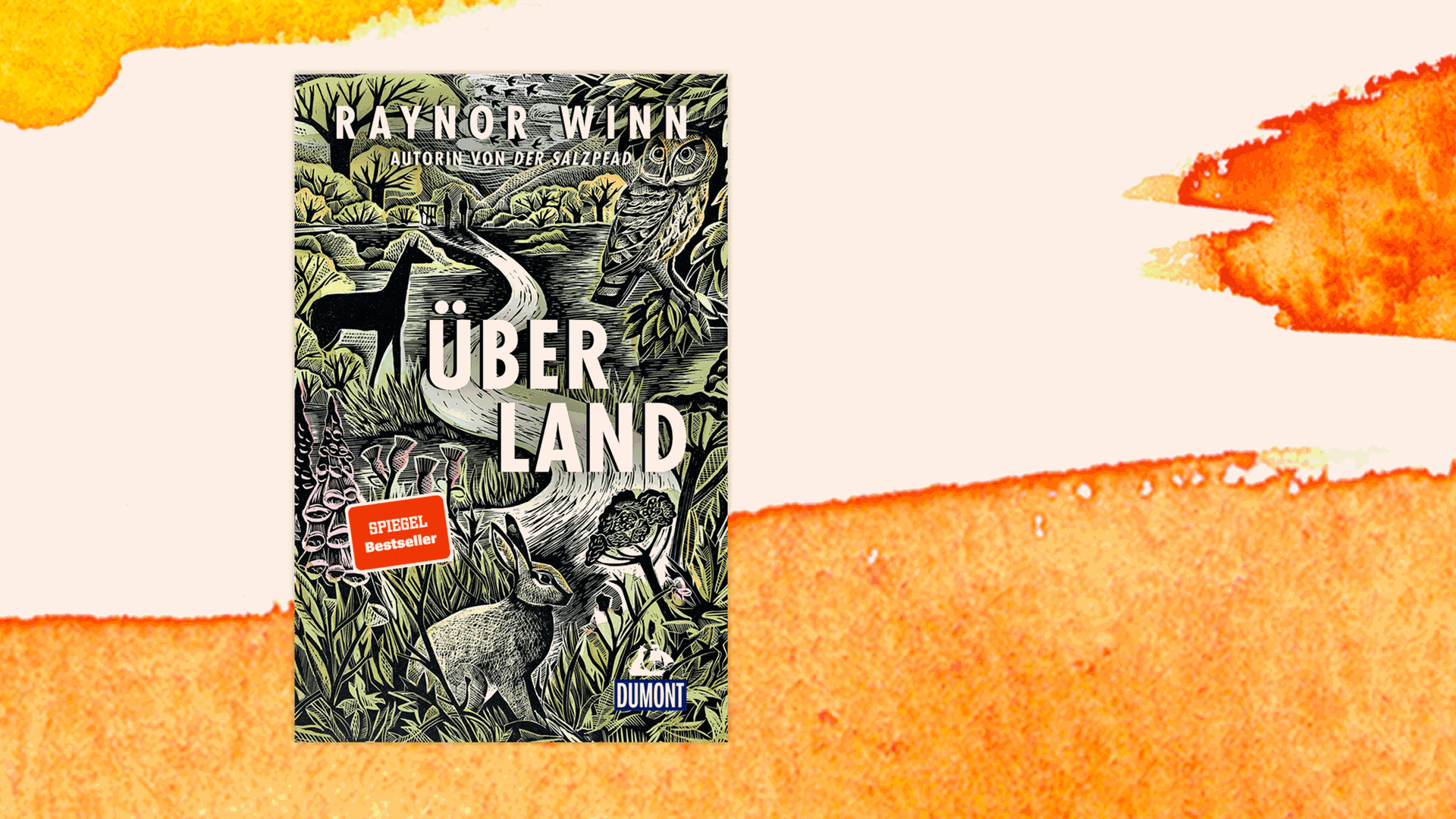
The narrative did not end with the completion of the 630-mile trek. As Raynor Winn documented in her subsequent books—The Wild Silence and Landlines—the aftermath of their coastal journey brought new trials, including the temporary reprieve of finding a permanent home followed by the looming threat of displacement once again, as well as Moth’s ongoing, fluctuating health status.
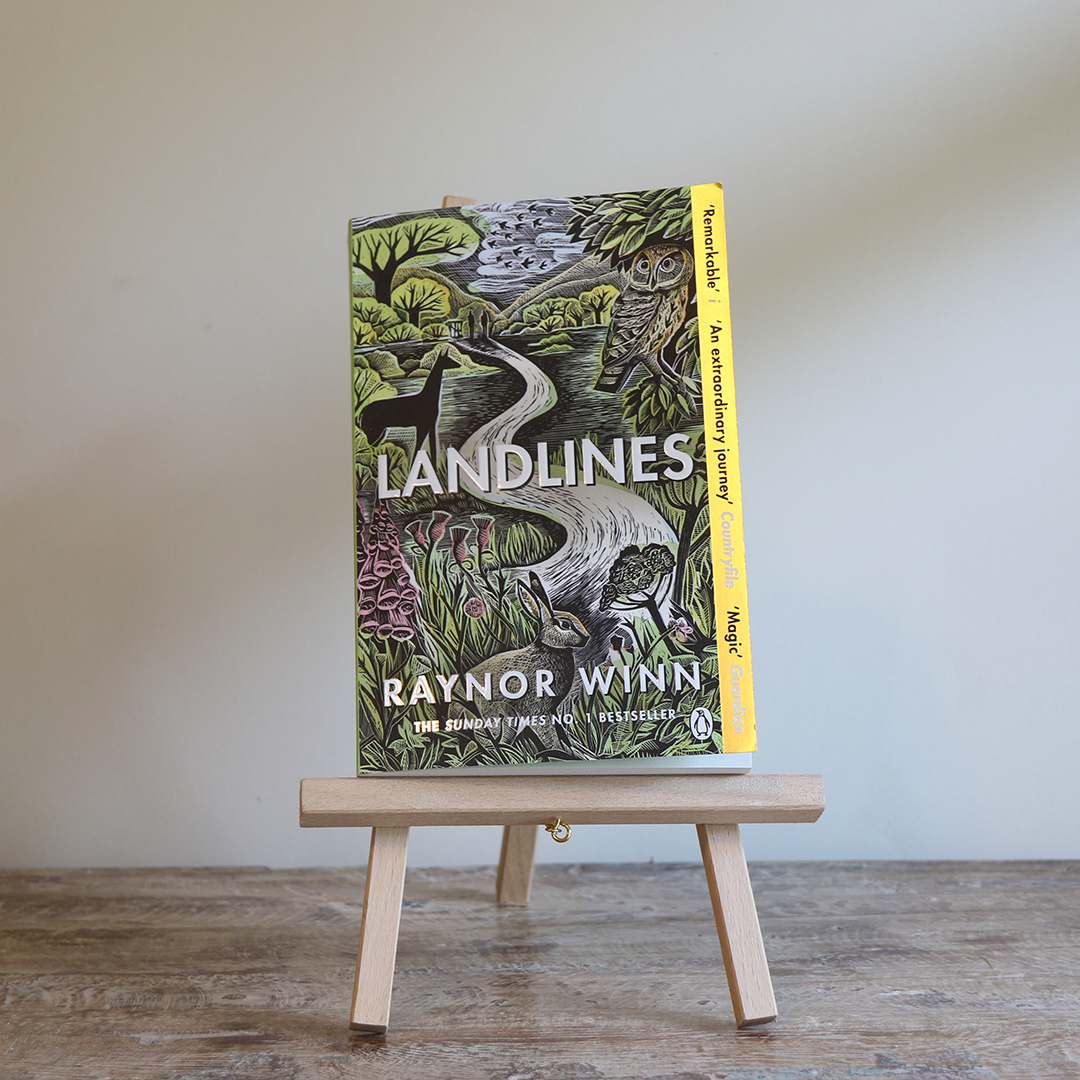
The Wild Silence explores the difficult transition from living exposed to the elements in a tent to re-entering bricks-and-mortar housing, a shift that proved psychologically and physically jarring for Moth, whose body had adapted to the constant movement of the path. Meanwhile, Landlines details a subsequent 1,000-mile walk across Great Britain from Cape Wrath to the south coast, undertaken while Moth's medical condition continued to cast a long shadow over their lives.
These works demonstrate that while Moth lives with a terminal condition, his timeline has defied conventional clinical expectations. The books emphasize that living with a life-limiting illness is a dynamic process rather than a static decline, heavily influenced by environment, psychological determination, and the sustaining power of the natural world.
Frequently Asked Questions
Did Moth Winn pass away?
No, Moth Winn is not dead. Although he was diagnosed with a terminal neurodegenerative condition called corticobasal degeneration prior to walking The Salt Path, he continues to live, and he has participated in subsequent long-distance walking projects with his wife, Raynor Winn.
What is corticobasal degeneration?
Corticobasal degeneration (CBD) is a rare, progressive neurodegenerative disease that impacts brain cells, causing cognitive difficulties and severe motor impairments such as stiffness, muscle spasms, and loss of coordination. It currently has no cure.
Why do people think Moth Winn died?
The confusion arises from the terminal nature of his medical diagnosis, as featured in The Salt Path. Because readers frequently search for updates on memoirs involving terminal illnesses, rumors or misunderstandings regarding his mortality often circulate online.
How long have Raynor and Moth Winn been married?
Raynor and Moth Winn have been married for decades, sharing a deep partnership that has endured severe financial hardship, homelessness, and the emotional weight of a life-altering medical prognosis.
What are Raynor Winn’s other books?
Following the success of The Salt Path (2018), Raynor Winn wrote The Wild Silence (2020), which explores their reintegration into society and early life, and Landlines (2022), chronicling a subsequent 1,000-mile walk across Britain.
Image Gallery