Engineering Excellence: The Reality of the Formula 1 Bicycle
The "Formula 1 bicycle" is not a single production model but a classification representing high-performance cycling equipment developed using aerodynamic research, materials science, and computational fluid dynamics (CFD) pioneered wit...
The "Formula 1 bicycle" is not a single production model but a classification representing high-performance cycling equipment developed using aerodynamic research, materials science, and computational fluid dynamics (CFD) pioneered within Formula 1 racing. These bicycles utilize carbon fiber composites, wind-tunnel-validated tube shaping, and data-driven ergonomic design to maximize power transfer and minimize drag for elite competitive cycling.
Contents
The Convergence of Automotive Engineering and Cycling
The intersection of Formula 1 (F1) and professional cycling began in earnest during the 2010s as teams sought marginal gains. Companies such as McLaren Applied Technologies began collaborating with bicycle manufacturers to apply aerospace-grade simulation tools to bicycle frames. The core objective is identical to F1 car design: maintaining high structural rigidity while minimizing the frontal surface area to reduce the coefficient of drag (Cd).
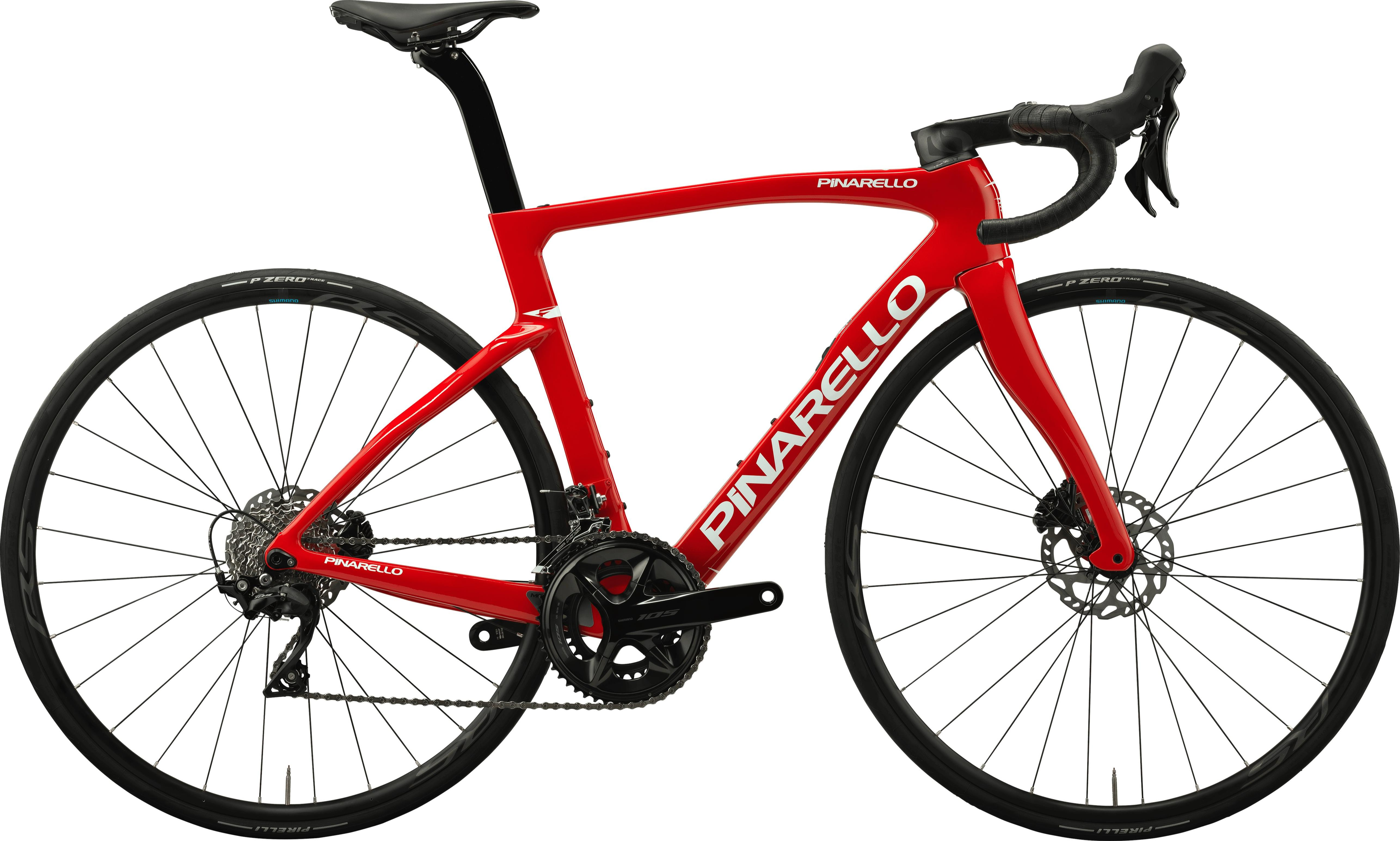
In the context of 2026, the term "Formula 1 bicycle" generally refers to top-tier time trial (TT) or triathlon bikes. Unlike road bikes designed for versatility and climbing, these machines are strictly optimized for speed. Engineers utilize CFD software—the same programs used to design front wings and sidepods on F1 cars—to model airflow around the rider and frame. This ensures that the bike remains aerodynamically stable even in crosswinds, a critical factor when riders are maintaining speeds exceeding 50 kilometers per hour.
Material Science and Manufacturing Processes
The performance of an F1-inspired bicycle relies heavily on carbon fiber layup patterns. Just as an F1 chassis must withstand immense downforce and torsional stress without compromising weight, a racing bicycle frame must be stiff at the bottom bracket to ensure efficient power transfer from the pedals while remaining compliant enough to handle road vibration.
- Carbon Fiber Pre-Preg: High-modulus carbon sheets, pre-impregnated with resin, are cut via automated CNC machines to specific orientations. This allows engineers to reinforce specific vectors where pedaling force is concentrated.
- Autoclave Curing: To remove micro-voids in the resin that could lead to structural failure, frames are cured in high-pressure autoclaves. This is a standard practice in both high-end motorsports and professional cycling.
- Additive Manufacturing: 3D printing is now utilized for complex components like handlebars and custom armrests. This allows for near-instant prototyping, a cornerstone of the iterative development cycles found in the F1 paddock.
The Role of Wind Tunnel Testing
Validation of aerodynamic claims is impossible without wind tunnel testing. Modern cycling brands partner with specialized facilities—often the same wind tunnels utilized by motorsport teams—to refine the interaction between the rider's body and the bike.
Data captured during these sessions focus on the "yaw angle," or the direction of the wind relative to the rider. A "Formula 1 bicycle" is designed to perform not just in a static headwind, but to act like an airfoil, potentially creating a "sail effect" in specific crosswind conditions, which can decrease the total drag force.
Technical Comparison: Performance Bicycles vs. Standard Models
| Feature | Standard Carbon Road Bike | Formula 1 Inspired Racing Bike |
|---|---|---|
| Drag Reduction | Moderate; balanced for handling | High; optimized for speed |
| Frame Geometry | Endurance or lightweight focused | Aggressive, aero-dynamic tube profiles |
| Component Integration | Modular and accessible | Fully integrated (cables hidden) |
| Primary Material | Standard carbon composite | High-modulus aerospace carbon |
| Development Cycle | Market-driven, 2-3 years | Data-driven, constant iteration |
Practical Considerations for Athletes
For an athlete looking to purchase or build an F1-grade bicycle, there are critical trade-offs. The high level of integration—where cables are routed internally through the headtube and specific components are proprietary—makes field maintenance significantly more difficult than on standard bicycles.
- Customization: Because these bikes are designed for maximum aerodynamic efficiency, they often require professional bike fitting. If the rider’s position does not match the bike’s aerodynamic profile, the performance gains are negated.
- Safety and Compliance: Elite racing bikes must comply with regulations set by the Union Cycliste Internationale (UCI). Manufacturers often produce two versions: one that adheres to these rules and one that pushes the limits of engineering for individual time trials or non-UCI sanctioned triathlons.
- Cost of Ownership: Due to the specialized manufacturing techniques, parts availability, and the need for proprietary tools, the cost of ownership is substantially higher than standard cycling equipment.
Common Misconceptions
A recurring question among enthusiasts is whether owning an F1-inspired bike will automatically increase speed by a specific percentage. It is vital to note that while the equipment is faster in a vacuum, the rider is responsible for approximately 80% of the total aerodynamic drag of the cyclist-bike system. A top-tier frame will show marginal gains at high speeds, but it cannot compensate for poor positioning, lack of training, or improper pacing strategies.
Frequently Asked Questions
Does a "Formula 1 bicycle" feature a motor? No. In the context of competitive cycling, F1-inspired refers strictly to the engineering, aerodynamics, and materials science. Electric motors are strictly prohibited in professional cycling competitions under UCI regulations.
Can I use an F1-inspired bike for everyday riding? While technically possible, these bikes are often uncomfortable for casual riding. The aggressive geometry puts significant strain on the lower back and neck, and the frames are tuned for stiffness rather than road dampening, making them harsh on uneven surfaces.
How often does the technology in these bikes update? Professional cycling teams update their aerodynamic equipment annually, though full frame redesigns typically follow a 3-year cycle. However, iterative updates to components like wheels, tires, and cockpits happen throughout the racing season.
Is carbon fiber the only material used in these bikes? Carbon fiber is the industry standard for its strength-to-weight ratio. However, titanium and aerospace-grade aluminum are sometimes used in specific mechanical components, such as derailleur hangers or bolt hardware, to shave off minor weight or improve durability.
Are these bikes fragile? They are engineered to be lightweight, which makes them susceptible to damage from impacts or improper clamping in work stands. They are not designed for the wear and tear of daily commuting or storage in high-traffic areas.
Recommendations for Further Action
If you are considering investing in high-performance cycling equipment, do not prioritize the brand name or the "F1" marketing labels alone. First, obtain a professional biometric fit session to determine your ideal geometry. Second, prioritize aerodynamic wheels and tires, as these offer the most significant performance per dollar compared to replacing an entire frame. Finally, verify that any proprietary parts on the bike you choose are readily available in your region, as supply chain delays for specialized components can render a high-end bike unusable for weeks.
Image Gallery