Understanding the "Don't Let Me Down" Country Song Phenomenon
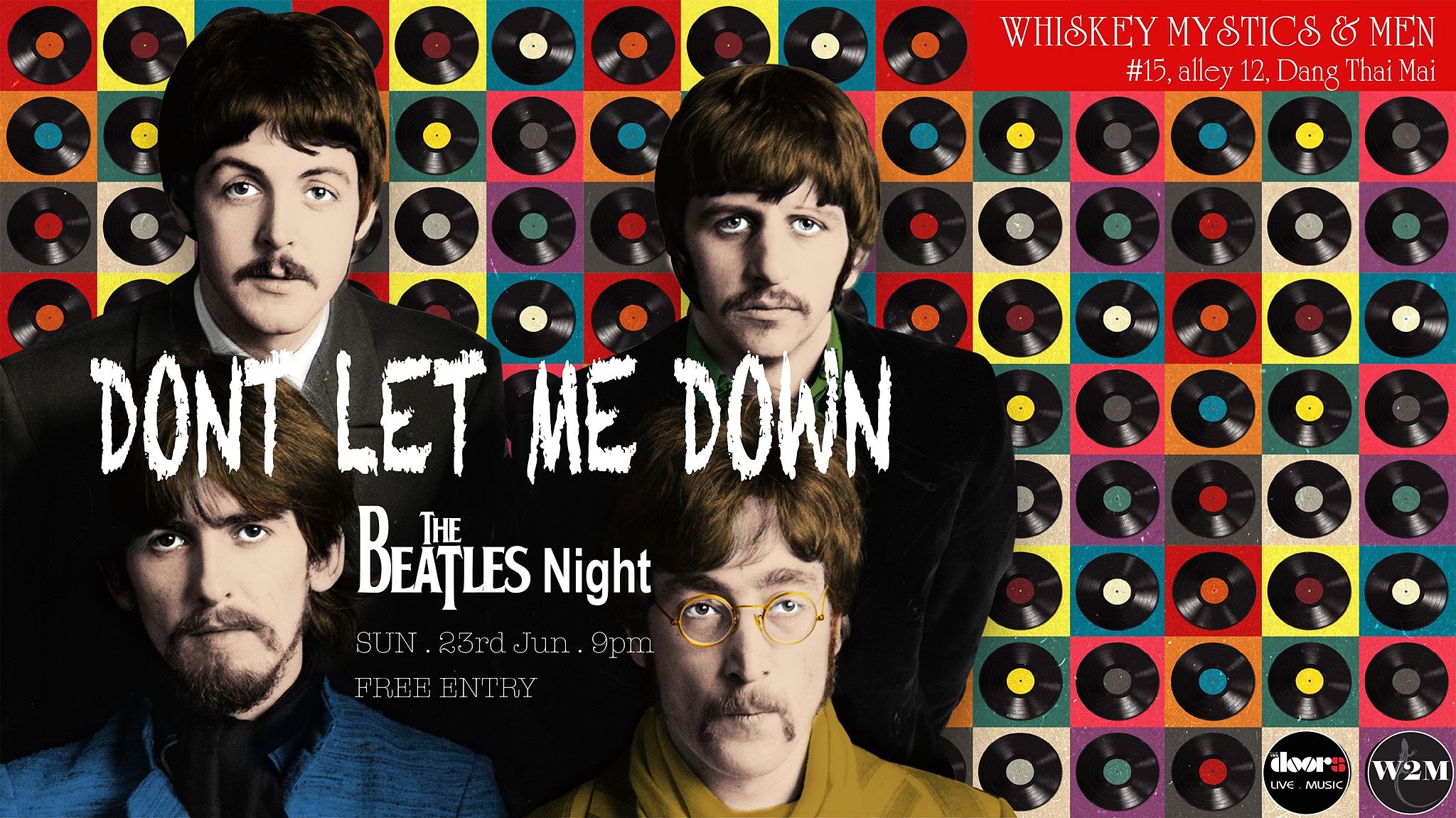
While "Don't Let Me Down" is a phrase common in songwriting, the primary association within the country music genre is the 1969 track by The Beatles—frequently covered by country artists—and various standalone tracks by country perform...
While "Don't Let Me Down" is a phrase common in songwriting, the primary association within the country music genre is the 1969 track by The Beatles—frequently covered by country artists—and various standalone tracks by country performers sharing the same title. Identifying the correct version requires looking at the artist's discography and the specific lyrical themes, as the sentiment of heartbreak and plea for loyalty is a staple trope in country music.
Contents
Disambiguating the Song Title in Country Music
The phrase "Don't Let Me Down" is deceptively common. In the context of the country genre, listeners often encounter three distinct categories of songs under this name. First, there are direct country-style covers of the Lennon-McCartney composition. Given the adaptability of that song’s bluesy, gospel-tinged progression, it has found a home in the repertoires of various Americana and country-folk artists who emphasize acoustic instrumentation and pedal steel accompaniment.
Second, the title appears in the discographies of several independent and mainstream country songwriters. Because "Don't Let Me Down" functions as a quintessential expression of romantic vulnerability, artists often write original material using this title to anchor themes of trust, infidelity, or the fear of abandonment. When searching for a specific song, one must verify the songwriter’s credit and the release date to avoid confusion with the myriad of pop or rock tracks that utilize identical nomenclature.
Third, the song title is frequently confused with similar phrases in country classics, such as "Don't Let Me Cross Over" or "Don't Let the Stars Get in Your Eyes." Distinguishing these requires careful attention to the chorus melody. In country music production, a song titled "Don't Let Me Down" generally prioritizes a traditional structural narrative: the protagonist is usually at a crossroads, asking a partner for affirmation or seeking to prevent a looming relationship failure.
Thematic Elements of "Don't Let Me Down" in Country Lyrics
Country music relies heavily on shared archetypes, and a song titled "Don't Let Me Down" almost invariably maps onto the "plea for sincerity" archetype. Unlike rock, where such a title might imply a demand for support in a professional or personal crisis, country songwriters often frame this plea within the context of rural domestic life, the fear of losing a spouse, or the consequences of previous heartbreaks.
Common Lyrical Markers
- The Power Dynamic: The narrator often occupies a position of relative insecurity. The song acts as a verbal contract or a request for reassurance.
- Narrative Setting: Lyrics often reference specific physical locations—porches, trucks, or small-town venues—to ground the emotional plea in a relatable reality.
- Instrumental Weight: In country arrangements, these songs typically feature slow-tempo fiddle lines or subtle dobro swells that underscore the desperation in the vocalist's delivery.
When analyzing why this specific title remains popular among songwriters, the answer lies in its universality. It is a phrase that demands little explanation, making it an excellent "hook" that allows the artist to focus on vocal performance and emotive storytelling rather than complex wordplay.
Locating and Identifying Your Version
To effectively find the specific country version of "Don't Let Me Down" you are searching for, you must go beyond the title. Streaming platforms and digital music databases often aggregate songs with the same name, leading to accidental discovery of incorrect tracks.
Verification Workflow
- Note the Vocalist’s Timbre: Country artists frequently employ specific regional accents or vocal styles. If the version sounds highly produced or features a distinct rock-and-roll drum beat, it is likely not a traditional country recording.
- Check the Songwriter Credits: If you know the song is from a specific era, consult the liner notes or official databases like the Harry Fox Agency or ASCAP/BMI portals. This remains the most reliable way to distinguish between songs that share a title.
- Search by Lyric Fragment: Instead of searching only the title, include a unique phrase from the verses. For example, "Don't Let Me Down [Artist Name] lyrics" will filter out unrelated pop tracks.
- Audio Fingerprinting: Use music recognition software like Shazam or SoundHound. Because these tools identify the specific recording (the ISRC code) rather than just the title, they are the most effective technical solution for resolving ambiguity.
Comparison of Song Characteristics
The following table provides a breakdown of how to identify the version of the song you are seeking based on production and genre characteristics.
| Feature | Classic Country Version | Contemporary Americana/Country | Non-Country Pop/Rock |
|---|---|---|---|
| Instrumentation | Acoustic guitar, fiddle, upright bass | Electric guitar, piano, pedal steel | Synthesizers, heavy percussion |
| Tempo | Usually slow (Ballad) | Mid-tempo (Groove) | Varied |
| Emotional Tone | Desperate, mournful | Reflective, sincere | Assertive, energetic |
| Common Themes | Domestic fidelity, regret | Personal growth, relationship drift | Universal connection |
Frequently Asked Questions
Why do so many country songs have the same title?
Country music is heavily grounded in "formula" songwriting, where themes of love, loss, and redemption are constant. Songwriters often use common conversational phrases as titles because they create an immediate emotional connection with the listener, making the song feel familiar even upon the first listen.
Can I assume a song is country because the title sounds like a country trope?
No. Many pop and rock songs utilize similar emotional appeals. Always check the instrumentation—specifically the presence of country-staple instruments like the banjo, mandolin, or pedal steel—before confirming the genre classification of an unknown track.
Is there a famous country artist who recorded a version of The Beatles' "Don't Let Me Down"?
Yes, several country and bluegrass artists have covered the track. Because the song has a strong R&B/gospel influence, it translates well to acoustic arrangements. If you are hearing a version with a pronounced southern vocal style, check for covers by artists in the outlaw country or folk-rock scenes.
How do I report a metadata error on a streaming service?
If a streaming platform has misattributed a song, use the "Report an Issue" or "Feedback" tool typically found on the song's context menu. Provide the correct artist name and, if possible, the release year or album title to help their database moderators correct the entry.
Are there copyright issues with using common song titles?
Titles cannot be copyrighted. This is the primary reason why hundreds of songs exist with the same name. Songwriters are free to use any phrase as a title, which is why verifying the artist and release date is the only way to distinguish one work from another.
Final Recommendation for Collectors
If you are trying to build a collection or a playlist featuring a specific country version of "Don't Let Me Down," focus your search on the album's release date and the label. Often, high-quality audio recordings can be found on independent label releases that focus on traditional instrumentation. If you are struggling to find a specific recording, look for "Live" or "Acoustic" versions on major video-hosting platforms, as these are frequently the recordings people associate with the "country" sound of the song. Always verify the songwriter credit—if the credit belongs to John Lennon and Paul McCartney, you are listening to a cover of the 1969 hit, not an original country composition.
Image Gallery