Fashion Designing for Beginners in the Modern Era
Fashion designing in 2026 is a multidisciplinary pursuit that blends traditional craftsmanship with advanced digital workflows. For beginners, the journey involves mastering foundational elements like color theory, textiles, and patter...
Fashion designing in 2026 is a multidisciplinary pursuit that blends traditional craftsmanship with advanced digital workflows. For beginners, the journey involves mastering foundational elements like color theory, textiles, and pattern drafting while simultaneously adopting modern tools such as 3D fashion simulation software and sustainable, data-driven design practices to remain relevant in a competitive industry.
Contents
Establishing the Foundation: Essential Skillsets
Before venturing into the creative aspects of garment construction, aspiring designers must establish a core technical competency. The modern era has not replaced the need for manual dexterity; rather, it has augmented it. Understanding the behavior of fabrics—how they drape, stretch, and react to heat—remains the baseline requirement for any professional.
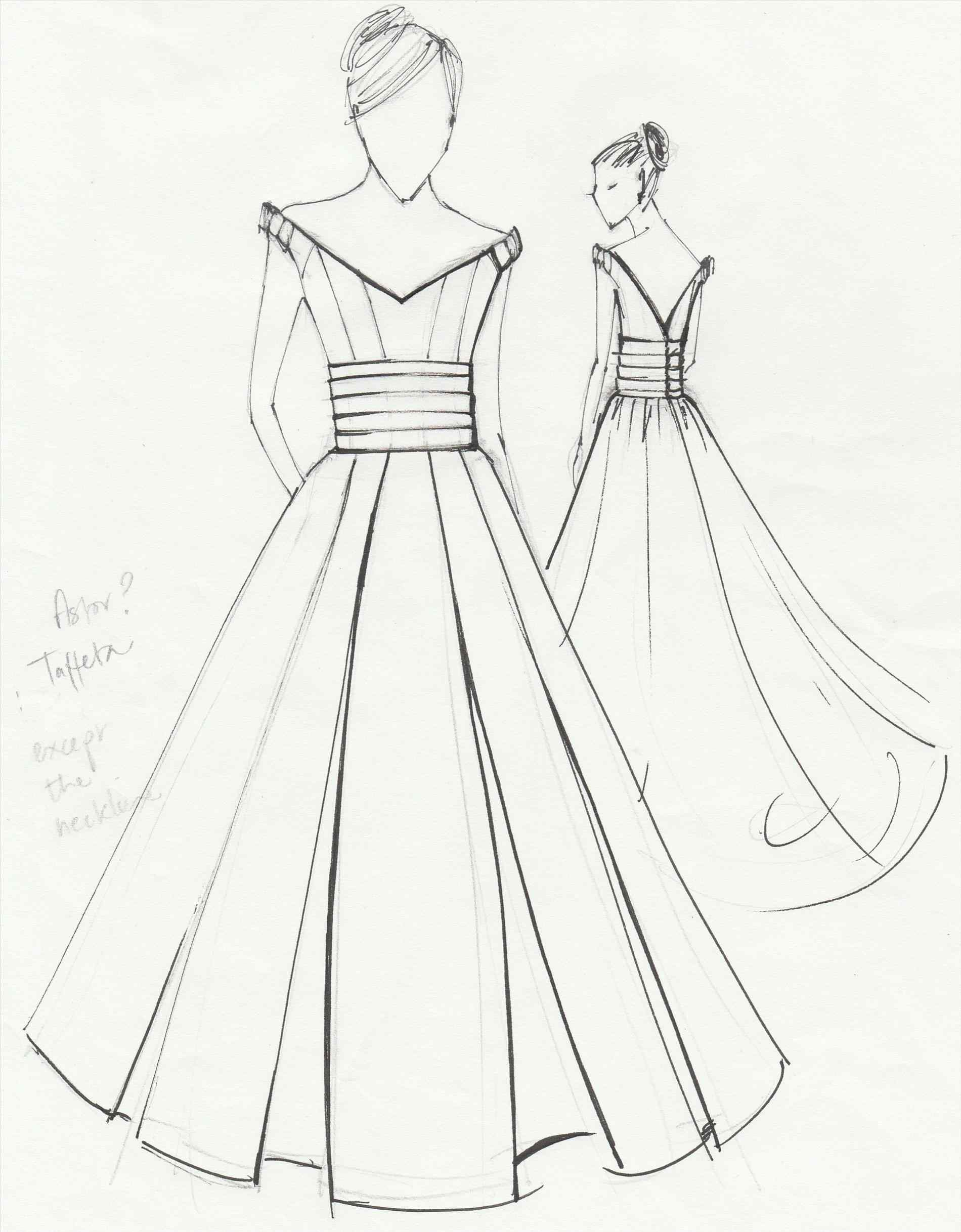
A significant portion of early development involves "manual literacy." This includes sketching, which remains the primary method for translating conceptual ideas into visual form. While digital tablets are common, the ability to communicate a silhouette or a complex seam detail on paper is a fundamental skill that enables designers to brainstorm rapidly without being tethered to hardware. Furthermore, color theory and material science constitute the language of fashion. You must understand the color wheel, the psychological impact of tones, and the chemical composition of fibers to predict how a garment will perform under different lighting conditions or after multiple wash cycles.
Integrating Technology into the Design Workflow
In 2026, the barrier to entry has shifted from physical manufacturing to digital visualization. Beginners are now expected to be familiar with Computer-Aided Design (CAD) software. These platforms allow for the creation of precise technical specifications (tech packs), which are crucial for communicating with manufacturers.
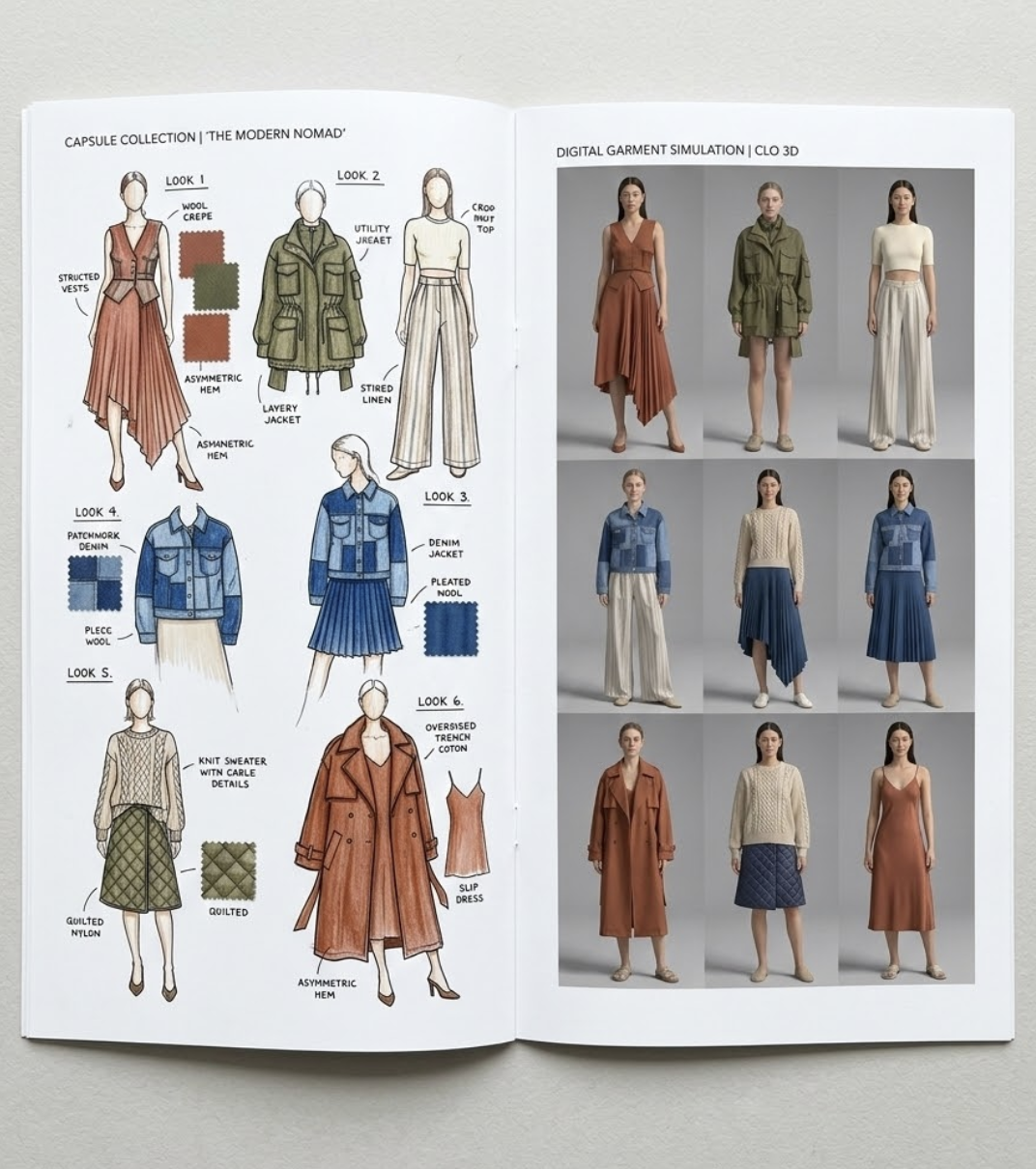
Beyond 2D drafting, 3D fashion design software—such as CLO or Browzwear—has become a standard requirement. These tools allow designers to create a "digital twin" of a garment. By importing physical fabric properties into the software, the program simulates how a piece of clothing will fit on a virtual body, accounting for gravity, fabric tension, and movement. This technology is critical for modern sustainability efforts, as it significantly reduces the need for physical prototypes, thereby minimizing waste in the development stage.
Understanding the Manufacturing Lifecycle
Fashion design is not merely about aesthetic creation; it is about engineering a wearable product that can be reproduced at scale. The transition from an idea to a finished garment involves several rigorous phases that every beginner must master:
- Conceptualization: Mood boards and trend forecasting research.
- Drafting: Creating the flat pattern, which serves as the blueprint for the garment.
- Prototyping: Constructing a "muslin" (a test garment) to identify structural errors.
- Grading: Scaling a single design pattern to fit different size ranges.
- Production: Selecting the factory, sourcing ethical raw materials, and overseeing quality control.
Comparative Overview of Design Methods
The following table outlines the differences between traditional methods and modern digital workflows in 2026.
| Feature | Traditional Approach | Modern Digital Approach |
|---|---|---|
| Drafting | Paper patterns and manual rulers | CAD software (Adobe Illustrator, Optitex) |
| Prototyping | Physical muslin samples | 3D virtual simulation |
| Communication | Physical tech packs mailed to factories | Cloud-based PLM (Product Lifecycle Management) |
| Material Testing | Physical draping and wear tests | Digital fabric property simulation |
| Sustainability | High waste due to physical trials | Low waste via virtual optimization |
Navigating Sustainability and Ethical Standards
Modern fashion is increasingly governed by regulatory transparency and consumer demand for ethical sourcing. As a beginner, you must be aware of the "Circular Economy" model. This approach moves away from the traditional "take-make-dispose" cycle toward a system of design that prioritizes durability, recyclability, and the use of upcycled materials.
In 2026, regulations regarding supply chain transparency have tightened in several global markets. Designers are now expected to document the origin of their raw materials and ensure that their production partners adhere to fair labor practices. Failing to incorporate these standards early in your career can lead to reputational damage and legal hurdles as enforcement of environmental and ethical labor standards continues to evolve.
Common Mistakes for Beginners
The path to becoming a designer is fraught with technical pitfalls. One of the most common errors is prioritizing the "look" of a garment over its "wearability." A design may appear stunning on a static mannequin but fail to account for the range of motion required by a human body. Beginners often overlook the importance of "seam allowance" and "ease," which are the technical tolerances that make a garment comfortable.
Another common mistake is neglecting the financial aspects of design. Fashion is a business that relies on thin margins. Beginners frequently fail to calculate the "cost of goods sold" (COGS) accurately, including hidden costs like labor, shipping, duties, and overhead. Without a firm grasp of your profit margins, even the most creative designs will fail to sustain a professional career.
Frequently Asked Questions
Do I need a formal degree to become a fashion designer? While a formal degree provides structured learning and networking opportunities, the industry is increasingly skills-based. Mastery of 3D software, pattern making, and a strong professional portfolio are often more influential in securing opportunities than a specific degree title.
What is the most important piece of equipment for a beginner? A reliable sewing machine is the cornerstone of any studio. While high-end industrial machines are preferred for production, a sturdy, computerized home sewing machine with a wide range of stitches and speed control is the best starting point for learning construction techniques.
How do I find my target audience? Begin by analyzing the market gap. Don't try to design for everyone. Identify a specific niche—such as sustainable activewear or bespoke professional attire—and research the specific problems those consumers face, then design products that offer a distinct solution.
Is sketching by hand still relevant? Yes. Hand-sketching is the fastest way to record an idea during the initial creative phase. It allows for a tactile connection to the garment that digital tools cannot replicate, and it is an essential skill for articulating concepts quickly during team meetings.
How does 3D simulation help with cost? 3D simulation reduces the need for expensive physical fabric samples and shipping costs associated with sending prototypes between the design studio and the factory. It allows for instantaneous adjustments to the pattern, saving significant time and material costs during development.
Strategic Next Actions
To begin your career in fashion design today, focus on building a "living" portfolio. Do not wait for a formal collection; start by digitizing your current work. Select a piece of clothing you find structurally interesting and attempt to recreate its pattern. Document the process, including your material choices and the technical hurdles you overcame.
Once your physical construction skills are established, invest time in learning one industry-standard 3D software package. By combining traditional craftsmanship with the ability to navigate digital supply chains, you position yourself to address the needs of the 2026 market, which demands both creative vision and technical efficiency.
Image Gallery