Why Endometriosis Period Blood Clots Matter for Your Health
Endometriosis period blood clots matter because they often signal abnormal, heavy menstrual bleeding and deep pelvic inflammation driven by endometrial-like tissue growing outside the uterus. While passing small blood clots during mens...
Endometriosis period blood clots matter because they often signal abnormal, heavy menstrual bleeding and deep pelvic inflammation driven by endometrial-like tissue growing outside the uterus. While passing small blood clots during menstruation can be normal, frequent, unusually large clots—especially when accompanied by severe pain, fatigue, and structural pelvic changes—serve as a critical clinical indicator that warrants professional medical evaluation.
Contents
Understanding Endometriosis and Menstrual Dynamics
Endometriosis is a chronic, estrogen-dependent inflammatory condition where tissue similar to the lining of the uterus (the endometrium) implants outside the uterine cavity. Most commonly, these lesions appear on the ovaries, fallopian tubes, and the outer surface of other pelvic organs. During a standard menstrual cycle, the body thickens the uterine lining and then sheds it if pregnancy does not occur. In individuals with endometriosis, however, the misplaced tissue also responds to hormonal signals, thickening and bleeding. Because this internal blood and tissue have no natural exit route from the pelvic cavity, it becomes trapped, leading to localized inflammation, scarring, adhesions, and altered local blood flow.
When the actual uterus sheds its lining during menstruation, the process is normally regulated by chemical substances called prostaglandins. These chemicals control uterine contractions and blood clotting. In people with endometriosis, local inflammation and elevated prostaglandin levels can disrupt normal hemostasis—the body's mechanism for stopping bleeding. This disruption often results in heavier menstrual flow (menorrhagia) and the formation of larger, more frequent blood clots. Recognizing that these clots are not merely an aesthetic inconvenience, but rather a physical manifestation of underlying pelvic pathology, is the first step toward effective management.
The Physiological Link Between Endometriosis and Heavy Clotting
Menstrual blood typically does not clot easily because the body releases natural anticoagulants as the endometrium breaks down. However, when the volume of bleeding exceeds the body's local capacity to deploy these anticoagulants, blood pools in the uterine cavity and forms clots before it can exit the body. Endometriosis contributes to this mechanism through several interconnected pathways:
- Uterine Adenomyosis Comorbidity: Adenomyosis frequently coexists with endometriosis. This condition occurs when endometrial tissue invades the muscular wall of the uterus (myometrium), enlarging the organ and preventing it from contracting efficiently during menstruation. Without firm uterine contractions to close off blood vessels, bleeding becomes heavier and pooling leads to clotting.
- Hormonal Imbalances: Elevated estrogen levels relative to progesterone stimulate excessive proliferation of the uterine lining (endometrial hyperplasia). A thicker lining naturally yields a greater volume of shed tissue and blood during menses.
- Inflammatory Mediators: Chronic pelvic inflammation alters vascular permeability and platelet aggregation in the pelvic region, influencing systemic and local clotting profiles.
Evaluating these physiological factors helps clinicians determine whether a patient's heavy clotting stems from primary uterine architectural changes or broader systemic and pelvic inflammatory processes associated with endometriosis.
Evaluating Menstrual Clots: What Is Normal Versus Concerning?
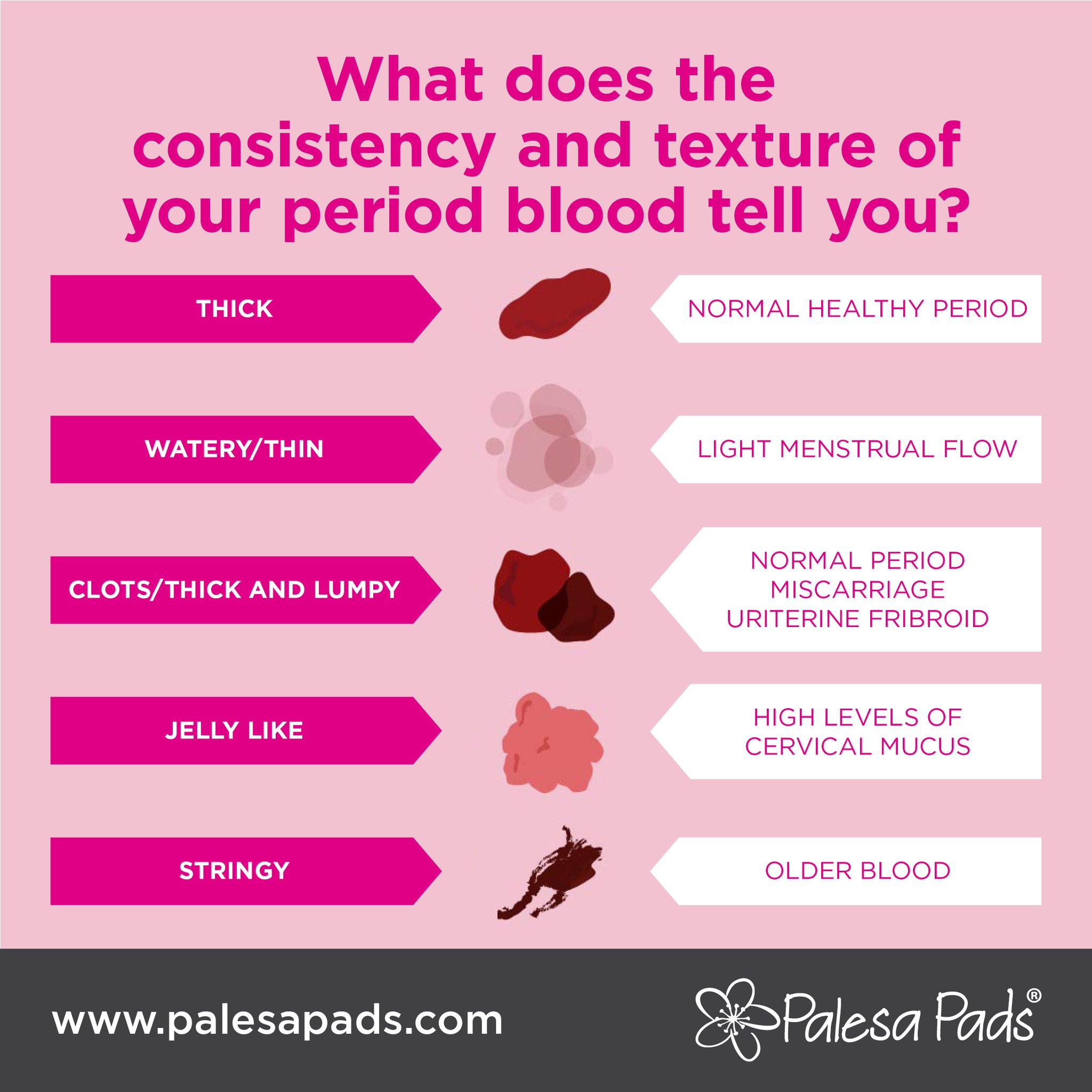
Differentiating between typical menstruation and pathological clotting requires concrete parameters. Patients and healthcare providers look at size, frequency, and associated symptoms to gauge clinical severity.
| Clot Characteristic | Typically Normal Findings | Clinically Concerning Findings |
|---|---|---|
| Size | Smaller than a coin (typically under the size of a quarter or 1 inch in diameter). | Larger than a quarter (exceeding 1 inch or golf-ball sized). |
| Frequency | Occasional appearance on the heaviest day of the cycle. | Passing multiple large clots consistently throughout most or all of the bleeding days. |
| Associated Pain | Mild to moderate cramping that responds to over-the-counter anti-inflammatories. | Debilitating pelvic pain, dyschezia (painful bowel movements), or dyspareunia (pain during intercourse) unresponsive to standard care. |
| Systemic Impact | Stable energy levels; minor fatigue on heavy days. | Chronic, profound fatigue, dizziness, shortness of breath, and signs of iron-deficiency anemia. |
When large clots appear alongside the concerning clinical markers listed above, they transition from a benign variation of normal menses into a symptom requiring formal diagnostic workup.
Health Implications of Endometriosis-Related Clotting
Ignoring heavy menstrual bleeding and large clots associated with endometriosis carries significant long-term health consequences. The most immediate and frequent complication is iron-deficiency anemia. Chronic blood loss depletes the body's iron stores faster than dietary intake can replenish them. Anemia manifests as persistent fatigue, weakness, pale skin, brain fog, and reduced exercise tolerance, severely impacting daily quality of life and occupational productivity.
Beyond anemia, persistent heavy bleeding and clotting point to an advanced disease burden within the pelvis. Unchecked inflammation can accelerate the formation of dense pelvic adhesions—fibrous bands of scar tissue that bind pelvic organs together. These adhesions can distort pelvic anatomy, tether the ovaries or bowel, and contribute significantly to chronic pelvic pain syndromes. Furthermore, if endometriosis lesions infiltrate the muscular walls of reproductive structures or cause severe anatomical distortion, it can directly impact fertility and complicate future family planning efforts.
Diagnostic Pathways and Clinical Assessment
When a patient presents with symptoms suggestive of endometriosis, including abnormal clotting and heavy menses, physicians employ a multi-step diagnostic approach to confirm the diagnosis and rule out other causes of abnormal uterine bleeding, such as fibroids, polyps, or bleeding disorders.
- Comprehensive Medical History: The clinician reviews menstrual patterns, pain timelines, family history of gynecological conditions, and the exact size and frequency of blood clots.
- Pelvic Examination: A physical exam checks for tenderness, fixed pelvic structures, nodules along the uterosacral ligaments, or an enlarged, boggy uterus indicative of adenomyosis.
- Pelvic Imaging: Transvaginal ultrasound and specialized magnetic resonance imaging (MRI) help visualize endometriomas (chocolate cysts on the ovaries), deep infiltrating endometriosis nodules, and uterine myometrial changes.
- Surgical Visualization and Biopsy: While imaging is highly effective, definitive diagnosis often relies on diagnostic laparoscopy—a minimally invasive surgical procedure allowing direct visualization and histological confirmation of endometrial implants.
Management Strategies and Treatment Options
Addressing endometriosis-related blood clots requires managing the underlying disease process and controlling heavy bleeding. Treatment is highly individualized based on the patient's age, symptom severity, and reproductive goals.
Medical management typically focuses on hormonal suppression to halt the proliferation of ectopic tissue. Combined hormonal contraceptives (pills, patches, or rings), progestin-only therapies, and gonadotropin-releasing hormone (GnRH) agonists or antagonists help reduce menstrual volume and alleviate inflammation. For managing heavy bleeding directly without hormones, non-hormonal agents such as tranexamic acid may be prescribed during menses to promote blood clotting where appropriate, though clinicians must carefully balance this against individual thrombosis risks.
Surgical intervention becomes necessary when medical therapies fail, when severe adhesions threaten adjacent organ function, or when deep infiltrating lesions cause bowel or urinary tract obstructions. Laparoscopic excision surgery, performed by a trained endometriosis specialist, involves meticulously cutting out the lesions rather than merely burning them off the surface. This approach provides more durable pain relief and lowers recurrence rates compared to ablation.
Disclaimer: This article is for informational and educational purposes only and does not constitute medical advice, diagnosis, or treatment. Always consult a qualified healthcare provider regarding any gynecological symptoms or chronic pain conditions.
Frequently Asked Questions
Why do period clots happen with endometriosis?
Period clots happen with endometriosis because the condition causes chronic inflammation and elevated prostaglandin levels, which disrupt the body's normal blood-clotting regulation during menstruation. Additionally, heavy bleeding caused by a thicker endometrial lining or coexisting conditions like adenomyosis causes blood to pool in the uterine cavity and form clots before exiting.
Are large blood clots during a period always a sign of endometriosis?
No, large blood clots are not exclusively caused by endometriosis. They can also result from uterine fibroids, uterine polyps, adenomyosis, hormonal imbalances, certain bleeding disorders, or early, unrecognized miscarriages. A thorough medical evaluation is required to determine the exact underlying cause.
How big is considered a concerning blood clot during menstruation?
Healthcare providers generally consider blood clots larger than a quarter (approximately 1 inch in diameter) to be clinically concerning, especially if they are passed frequently throughout the menstrual cycle. Passing clots of this size often correlates with heavy menstrual bleeding and potential iron-deficiency anemia.
Can endometriosis-related heavy bleeding cause fatigue?
Yes, chronic and heavy menstrual bleeding directly depletes the body's iron stores, leading to iron-deficiency anemia. This condition deprives tissues of adequate oxygen, resulting in profound fatigue, weakness, dizziness, and cognitive sluggishness.
What is the most effective way to treat endometriosis-related heavy bleeding?
Treatment depends on individual health goals and disease severity. It often involves a combination of hormonal medications to suppress endometrial growth, non-steroidal anti-inflammatory drugs (NSAIDs) to manage prostaglandins and pain, and, in cases of severe disease or structural complications, specialized laparoscopic excision surgery.
Image Gallery