Are Reward Credit Cards Worth It for You?
Reward credit cards are worth it if you can pay your full statement balance every month to avoid interest charges and if your spending habits align with the card's specific bonus categories. However, they are generally not worth it if...
Reward credit cards are worth it if you can pay your full statement balance every month to avoid interest charges and if your spending habits align with the card's specific bonus categories. However, they are generally not worth it if you carry a balance, as the high interest rates will quickly negate any cash-back or points earned through rewards.
Contents
The Economics of Reward Programs
At their core, reward credit cards function as an exchange of services between the cardholder, the merchant, and the issuing bank. When you swipe a card, merchants pay an "interchange fee" to process the transaction. A portion of this fee is used by the credit card issuer to fund your rewards—whether that takes the form of cash back, airline miles, or points toward luxury merchandise.
For the bank, the goal is to incentivize high-volume spending and secure long-term loyalty. For the cardholder, the goal is to capture a percentage of that spending as a rebate. In 2026, the market for these products remains highly competitive, with issuers offering tiered reward structures that favor specific lifestyles—such as frequent travelers, high-frequency grocery shoppers, or small business owners.
Prerequisites for Success
Before applying for a reward card, you must assess whether your financial foundation supports the additional complexity of a reward-based strategy. Reward cards are almost exclusively designed for individuals who have mastered basic credit management.
- Full Statement Payment: This is the most critical requirement. If you carry a revolving balance from month to month, you will be subject to an Annual Percentage Rate (APR), which often exceeds 20–25%. The interest costs will almost always dwarf the 1% to 5% return you might earn in rewards.
- Spending Alignment: A card that offers 5% back on travel is useless if your primary expenses are utilities and groceries. You must audit your past three months of spending to ensure the card’s "bonus categories" overlap with your actual habits.
- Annual Fee Awareness: Some premium cards charge annual fees ranging from $95 to over $600. Before committing, calculate if your annual reward yield will realistically exceed the cost of the fee. If the "net value" is negative, the card is not worth it, regardless of the flashy benefits.
Evaluating Reward Structures
Not all rewards are created equal. Understanding the nuance between types of rewards can help you determine the genuine utility of a card.
- Cash Back: These are the most straightforward rewards. You receive a statement credit or a direct deposit. Their value is fixed and easy to calculate.
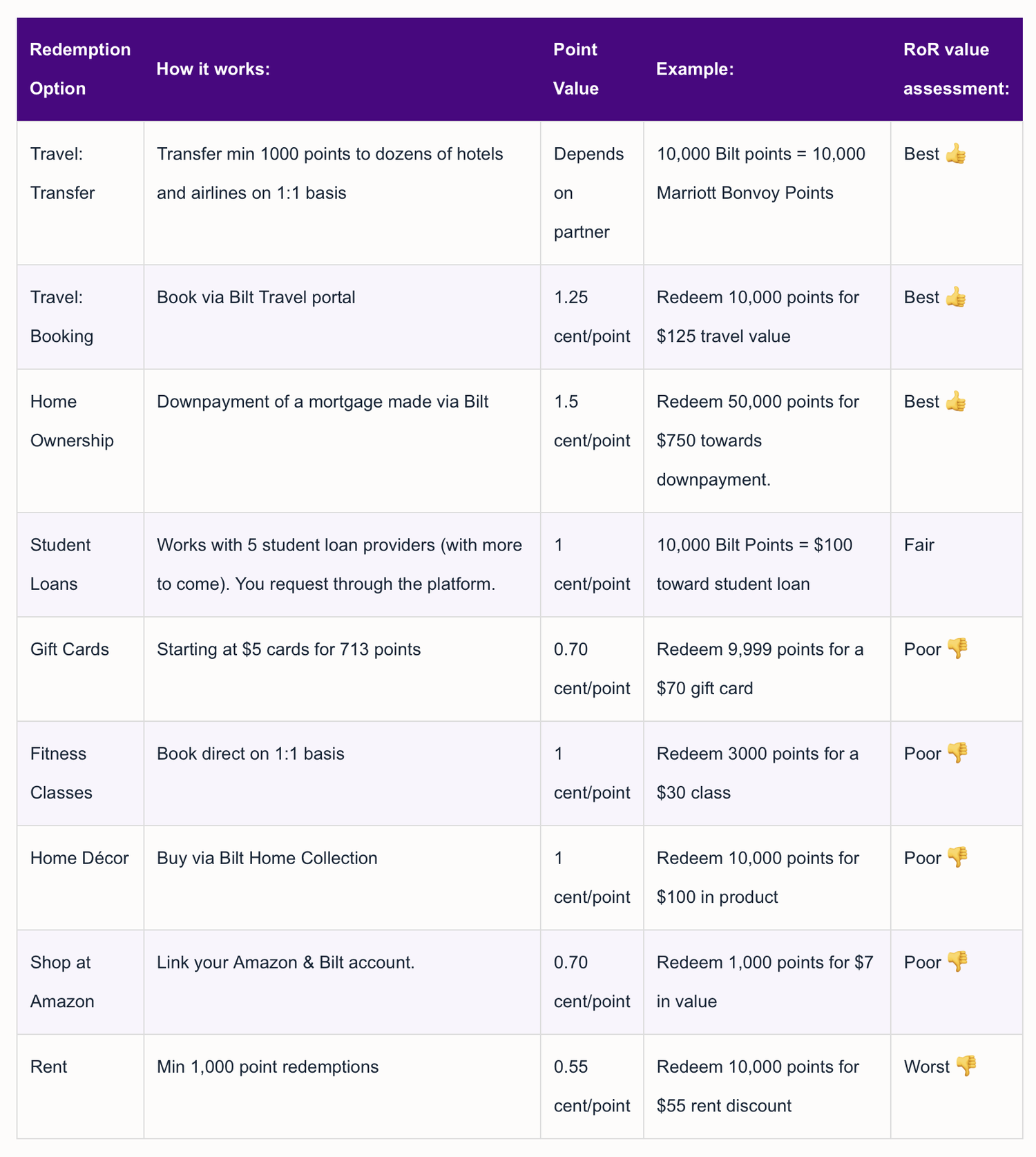
- Travel Points and Miles: These offer the highest potential value, but they are volatile. A mile could be worth 0.5 cents if redeemed poorly or 2.0 cents if redeemed for a high-value international business-class flight. This path requires a significant investment of time to master transfer partners and redemption portals.
- Retail/Store Points: These are often limited to specific ecosystems. While they provide value for loyal customers of a specific brand, they lack the flexibility of general-purpose cards.
| Reward Type | Flexibility | Complexity | Best For |
|---|---|---|---|
| Flat-Rate Cash Back | High | Low | Users seeking simplicity |
| Tiered Category Cards | Moderate | Medium | Budgeters tracking expenses |
| Premium Travel Cards | High | High | Frequent flyers and status seekers |
| Retail/Store Cards | Low | Low | Brand-loyal shoppers |
Operational Risks and Hidden Costs
The primary pitfall of reward cards is the phenomenon of "overspending to earn." If a reward card encourages you to make purchases you wouldn't otherwise make just to hit a bonus tier, you are losing money. Retailers and card issuers rely on behavioral psychology to increase transaction volume.
Furthermore, keep an eye on foreign transaction fees, which can be as high as 3% on some cards, or the expiration policies on certain types of points. In 2026, the regulatory landscape regarding credit reporting remains stable, but remember that opening too many credit cards in a short period can lower your average account age and result in multiple "hard inquiries" on your credit report, which may negatively impact your credit score.
When to Walk Away
There are specific scenarios where reward cards are objectively detrimental to your financial health:
- You struggle with impulse control: If the visibility of a high credit limit leads you to purchase items you cannot afford, the risk of debt outweighs the value of the rewards.
- You have a low credit score: Many high-reward cards require "Excellent" credit (typically a FICO score of 740 or higher). Applying for these while your score is low leads to rejections, which further hampers your credit profile.
- You prefer simplicity: Managing points, tracking expiration dates, and navigating reward portals requires significant cognitive effort. If you prefer to "set it and forget it," a simple, no-fee flat-rate card is often the better choice.
Frequently Asked Questions
Does using a reward card hurt my credit score? Using a reward card does not hurt your score as long as you pay your balance in full and on time. However, the initial application triggers a "hard pull" that may temporarily lower your score by a few points. Maintaining a low credit utilization ratio—keeping your balance well below your total credit limit—is the most effective way to protect your score.
Are introductory bonuses worth the effort? Yes, if you can meet the minimum spending requirement through your natural monthly expenses. Most "sign-up bonuses" provide more value in the first few months than the card's ongoing rewards might provide in a full year. Never increase your spending just to hit a bonus target.
What happens if I forget to redeem my points? Policies vary by issuer. Some points expire after a period of inactivity, while others remain indefinitely as long as your account is open. Always read the "terms and conditions" document associated with your specific card to understand the expiration and forfeiture rules.
Is it better to have one card or many? For most people, one or two cards are sufficient. While "credit card churning" (opening many cards to stack bonuses) is a common strategy among advanced hobbyists, it requires meticulous organization and can lead to financial mismanagement if not tracked perfectly. A consolidated strategy is safer for the average consumer.
Recommended Next Steps
If you decide that a reward card fits your financial profile, start by reviewing your credit report to ensure your score is in the range required by the cards you are considering. Next, categorize your last six months of spending—identify your largest expense areas (e.g., groceries, fuel, dining) and look for cards that specifically offer high multipliers for those categories. Once you have a shortlist, compare the annual fees against the projected rewards based on your spending volume. If the math leads to a net profit, proceed with an application for one card at a time.
Image Gallery