Daymond John and the Debate Over the Most Successful Shark on Shark Tank
While evaluating who holds the title of the most successful shark on ABC’s reality television series Shark Tank depends heavily on the financial metric being analyzed—such as total net worth, overall deal closing rate, or massive unico...
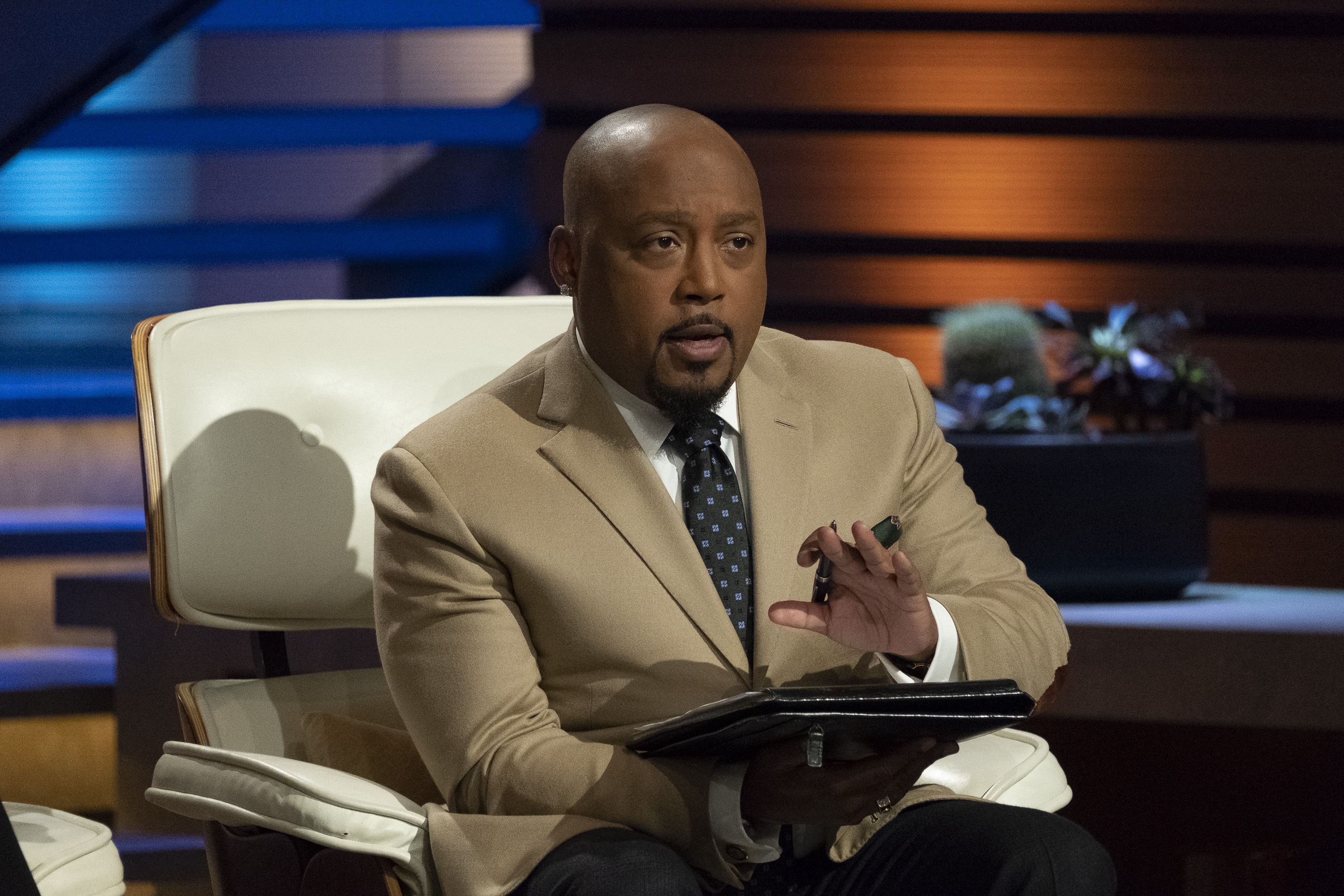
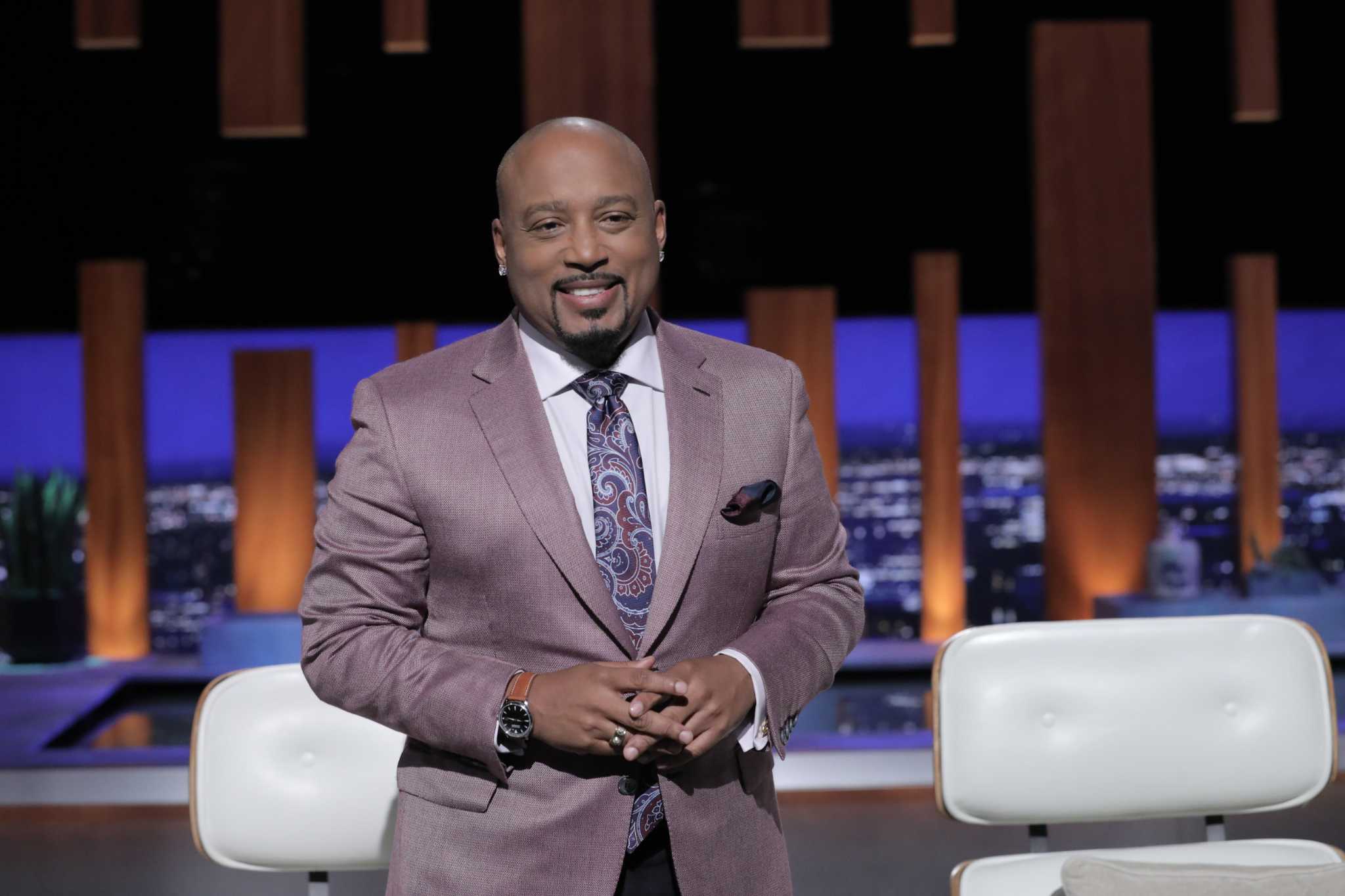
While evaluating who holds the title of the most successful shark on ABC’s reality television series Shark Tank depends heavily on the financial metric being analyzed—such as total net worth, overall deal closing rate, or massive unicorn exits—Daymond John consistently ranks among the most impactful and financially formidable investors on the panel. As the founder and chief executive officer of the global apparel brand FUBU, John brought a unique street-smart entrepreneurship and operational blueprint to the tank when the show premiered in 2009. Resolving the ongoing debate requires looking past simple on-screen handshake counts to examine verifiable portfolio evaluations, long-term brand equity, and the mechanics of his investment thesis.
Contents
Examining Daymond John's standing requires a deep dive into his entrepreneurial history, his performance metrics inside the tank, his standout portfolio companies, and how he compares to fellow sharks like Mark Cuban, Kevin O'Leary, and Barbara Corcoran.
The Origins of FUBU and Investment Philosophy
Before evaluating his performance on television, it is essential to understand the foundation of Daymond John’s business acumen. In 1992, John mortgaged his mother's house in Hollis, Queens, for $100,000 to start FUBU (For Us, By Us) out of the basement. By blending hip-hop culture with sportswear, John scaled the company into a global phenomenon that generated billions of dollars in global retail sales at its peak. This background deeply informed his investment strategy on Shark Tank.
Unlike venture capitalists who rely purely on spreadsheets and complex financial modeling, John focuses heavily on branding, marketing potential, and the psychological drive of the founder. He often states that he invests in the entrepreneur first and the product second. If a founder displays relentless grit, resourcefulness, and a deep understanding of their target consumer, John is willing to overlook early-stage financial deficits.
This philosophy shapes how he structures his deals, frequently utilizing royalty agreements, convertible debt, or heavy equity stakes paired with hands-on mentorship. His background in apparel and licensing also makes him uniquely qualified to scale consumer packaged goods (CPG), fashion lines, and lifestyle brands.
Evaluating Success on Shark Tank: Metrics and Misconceptions
Determining the "most successful" shark is complicated because different investors track success through different lenses:
- Net Worth: Mark Cuban generally holds the highest estimated net worth among all sharks, driven primarily by his massive technology exits, such as Broadcast.com.
- Deal Volume and Capital Deployed: Kevin O'Leary and Lori Greiner frequently compete for the highest number of closed deals and total capital invested across multiple seasons.
- Cultural Impact and Mentorship: Daymond John and Barbara Corcoran excel in scaling grassroots businesses into household names through direct operational guidance.
When examining Daymond John specifically, his success is measured by his ability to spot scalable consumer trends and leverage his extensive network of licensing partners, manufacturers, and retail buyers. While some sharks write a check and take a passive role, John operates more like a strategic partner who integrates portfolio companies into his existing operational infrastructure.
Summary of Major Shark Investment Profiles
| Shark | Primary Industry Focus | Key Investment Style | Notable Massive Exit / Success |
|---|---|---|---|
| Daymond John | Apparel, CPG, Licensing, Lifestyle | Brand-centric, operational scaling, hustle-driven | Bombas, Bubba’s-Q, The Lip Bar |
| Mark Cuban | Technology, Internet, Sports, Consumer | High-capital, aggressive, direct advisory | Ring (acquired by Amazon), Ten Thirty-One Productions |
| Kevin O'Leary | Software, Food, Licensing, Traditional Goods | Royalty structures, debt-equity hybrids, strict margins | Plated (acquired by Albertsons) |
| Lori Greiner | Retail, Inventions, CPG, As-Seen-On-TV | QVC integration, fast prototyping, mass market | Scrub Daddy |
Standout Portfolio Companies and Major Wins
Daymond John’s portfolio contains several notable breakout companies that cemented his reputation as a premier shark. Chief among them is Bombas, the comfort-focused sock company founded by Randy Goldberg and David Heath.
When Bombas entered the tank, they had a strong social mission—donating one pair of socks for every pair purchased—but struggled with inventory costs and customer acquisition economics. John recognized the potential of the high-retention, consumable nature of the product and partnered with them. Bombas went on to become one of the single most financially lucrative investments in the history of Shark Tank, generating hundreds of millions of dollars in annual revenue and donating tens of millions of items to homeless shelters.
Another significant success in John's portfolio is Bubba’s-Q Boneless Ribs, founded by former professional football player Al "Bubba" Baker. John helped transition the business from a regional restaurant and catering service into a nationwide supermarket and food service product, scaling manufacturing and distribution exponentially. Similarly, The Lip Bar, an inclusive vegan beauty brand founded by Melissa Butler, faced initial skepticism from other sharks who doubted its ability to compete with legacy cosmetics giants. John championed the brand, utilizing his retail expertise to help secure shelf space in major national retailers like Target.
Challenges and Failed Investments
No investor maintains a flawless portfolio, and Daymond John has experienced his share of deals that failed to launch or collapsed after the cameras stopped rolling. The high-pressure environment of television negotiations occasionally leads to deals falling apart during due diligence.
Many businesses that secure a handshake deal on air ultimately fail to close during the legal and financial vetting process due to:
- Undisclosed liabilities or tax issues.
- Founders overvaluing their intellectual property.
- Inability to scale manufacturing to meet nationwide retail demand.
- Disagreements over equity distribution and operational control.
John has frequently spoken candidly about deals that dissolved off-camera, emphasizing that a handshake on television is merely the beginning of a rigorous negotiation. His ability to walk away from deals that fail due diligence protects his capital and preserves his time for high-potential enterprises.
The Operational Advantage: The Shark Tank Effect
Beyond direct financial returns, Daymond John utilizes his platform to educate minority and underserved entrepreneurs through initiatives like the Sharkpreneur program and his bestselling books, such as The Power of Broke. This philosophy argues that a lack of financial capital can actually be an advantage, forcing founders to rely on creativity, sweat equity, and resourcefulness.
The "Shark Tank Effect"—the massive surge in web traffic, brand awareness, and sales a company experiences immediately after its episode airs—acts as an immediate accelerator for John's portfolio companies. Because John specializes in retail distribution, his team helps founders navigate the complex hurdles of supply chain management, EDI compliance for big-box retailers, and international trademark protection.
Frequently Asked Questions
Is Daymond John the richest shark on Shark Tank?
No. While Daymond John is a multi-millionaire with an estimated net worth in the hundreds of millions derived from FUBU, investments, speaking engagements, and consulting, Mark Cuban generally maintains the highest net worth among the panel due to his major technology exits.
What is Daymond John's most successful Shark Tank investment?
Bombas is widely regarded as Daymond John’s most financially successful investment from the show. The comfort sock brand has generated hundreds of millions of dollars in lifetime sales and expanded into a dominant market presence.
How many deals does Daymond John typically close?
While John does not close every deal he negotiates on camera, he maintains a selective portfolio strategy, focusing heavily on businesses where his specific expertise in branding, apparel, and licensing can add immediate operational value.
What does Daymond John look for in an entrepreneur?
John consistently prioritizes the character and drive of the founder over initial financial metrics. He looks for individuals who possess deep knowledge of their industry, absolute dedication to their product, and the resilience to survive severe economic setbacks.
How does the Shark Tank due diligence process work?
After a segment finishes filming and a handshake deal is struck on stage, the entrepreneur and the shark enter a period of legal, financial, and operational auditing. Many handshake deals are modified or canceled entirely during this phase if financials do not match initial pitches.
Next Steps and Strategic Takeaways
For aspiring entrepreneurs studying Daymond John's methodology, the primary lesson centers on mastering brand identity and understanding unit economics long before stepping in front of an investor. Whether pursuing venture capital, angel investment, or bootstrapping via the "power of broke," founders must focus relentlessly on customer retention, product-market fit, and scalable distribution channels. Aspiring business owners should audit their operational readiness, secure their intellectual property, and develop a clear path to profitability to attract high-tier strategic partners.
Image Gallery