Why Some Fans Dislike Bad Bunny at a Halftime Show
Criticism regarding Bad Bunny’s potential or past involvement in high-profile events like halftime shows often centers on the intersection of cultural gatekeeping, musical preferences, and the specific demands of a major broadcast perf...
Criticism regarding Bad Bunny’s potential or past involvement in high-profile events like halftime shows often centers on the intersection of cultural gatekeeping, musical preferences, and the specific demands of a major broadcast performance. Dislike typically stems from a misalignment between his reggaeton-heavy discography and the traditional, broad-appeal expectations of global viewers who prioritize pop-centric or rock-oriented halftime spectacles.
Contents
The Evolution of the Halftime Show and Audience Expectations
The Super Bowl halftime show, and similar major sporting event performances, has evolved into a global cultural touchstone. Originally focused on marching bands and collegiate performances, the format shifted in the 1990s to prioritize massive pop and rock spectacles—acts like Michael Jackson, Aerosmith, and U2. This history established a specific "halftime template": high-octane pop production, universally recognizable anthems, and crossover appeal that spans multiple generations and demographics.
When an artist like Bad Bunny—whose primary medium is Spanish-language reggaeton, trap, and Latin urban music—is discussed as a potential headliner, it disrupts the traditional expectations of domestic audiences who grew up with the standardized "American" pop-rock format. Some listeners find his style repetitive, citing the rhythmic structure of reggaeton as less dynamic compared to the theatrical complexity seen in previous shows. This critique is often less about the artist’s individual talent and more about a listener’s unfamiliarity with the genre, leading to a perceived lack of "theatricality" or "musical variety" in his live sets compared to acts that rely on rock-and-roll instrumentation.
Linguistic and Cultural Barriers
A significant portion of the tension regarding Latin artists in massive American broadcast events relates to the language barrier. While Spanish is the second most spoken language in the United States, a segment of the domestic audience still views the halftime show as a vessel for English-language pop dominance.
Critics who dislike the prospect of a Bad Bunny performance often point to the language barrier as an accessibility issue. In the context of a live stadium show, these fans argue that the lack of English-language lyrics makes the spectacle "alienating." This viewpoint prioritizes the idea that a halftime show should be a communal experience where every viewer can sing along to the chorus. When an artist performs primarily in Spanish, those who do not speak the language may feel excluded from the cultural narrative of the performance. This is frequently exacerbated by the fast-paced, slang-heavy nature of Bad Bunny's lyrics, which can be difficult for non-fluent speakers to follow, leading to a feeling of disconnect that does not exist with performers using a more standard, pop-radio-friendly English repertoire.
Performance Style and Genre Perceptions
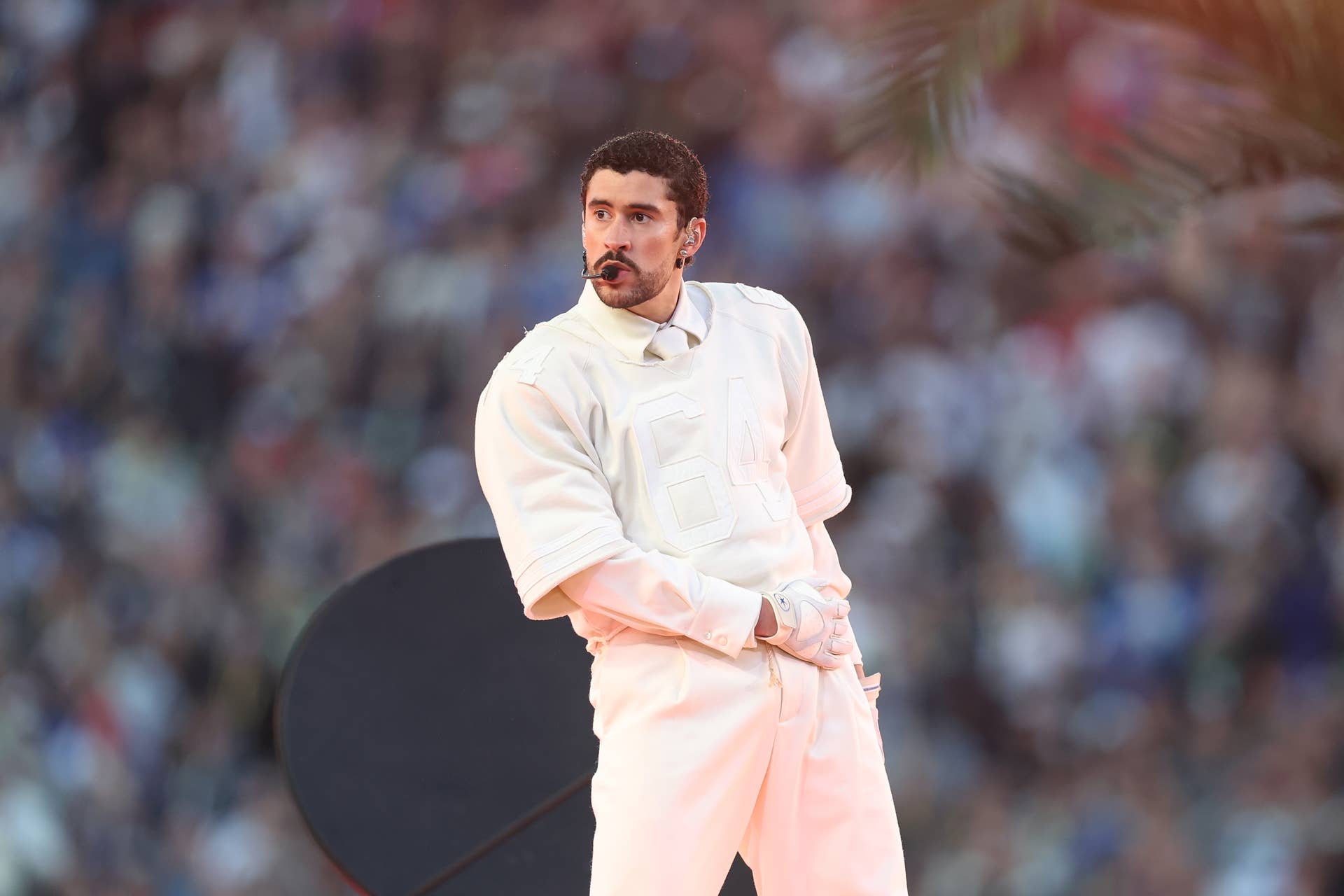
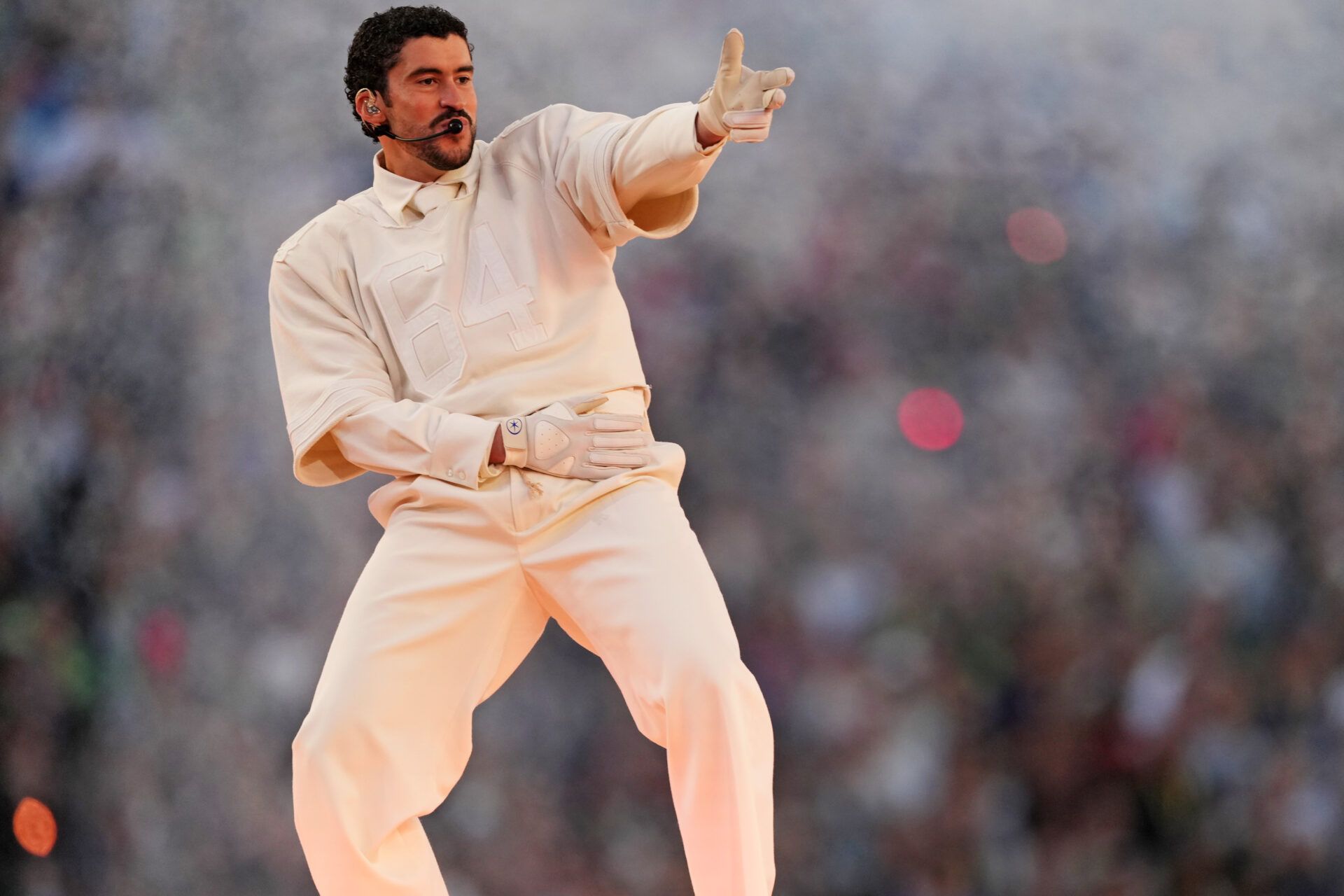
Bad Bunny’s performance style is distinct from the choreographed, high-precision dance spectacles popularized by performers like Beyoncé or Janet Jackson. His stage presence often leans toward a more relaxed, "cool" aesthetic, characterized by spontaneous movement, audience interaction, and a focus on the "vibe" rather than tight, military-grade choreography.
To fans accustomed to the precise production values of American pop icons, this can appear "low energy" or "unpolished." Furthermore, there is a recurring criticism of live reggaeton performances regarding the reliance on backing tracks. Because reggaeton relies heavily on synthesized production and specific beat patterns, live versions often feature a significant amount of pre-recorded vocal elements to match the studio quality. Purists who value live instrumentation—such as guitars, drums, and keyboards—often find this transition to a digital-heavy soundscape disappointing. They may argue that it lacks the "human element" of a live band, viewing the performance as more of a glorified karaoke session than a complex musical arrangement.
Comparative Analysis of Performance Expectations
To understand why some fans prefer one style of performance over another, it is helpful to look at the differences in how these artists construct their sets for large audiences.
| Feature | Traditional Pop/Rock Headliner | Modern Latin Urban/Reggaeton Headliner |
|---|---|---|
| Vocal Style | Melodic, often operatic or pop-ballad | Rhythmic, percussive, melodic rap |
| Instrumentation | Live bands (guitars, drums, bass) | Heavy use of backing tracks and loops |
| Performance Focus | Complex choreography and staging | Audience energy and "vibe" |
| Target Demographic | Broad multi-generational appeal | High engagement with younger, digital-native audiences |
| Language | Primary English | Primary Spanish |
The table above illustrates that the divide is often rooted in the requirements of the listener. Fans who favor the left column prioritize technical musicality and traditional showmanship, while fans who favor the right column prioritize the cultural relevance and rhythmic energy that define modern urban music.
Generational Shifts in Musical Consumption
There is an undeniable generational divide at play. Younger fans, who largely consume music through streaming platforms and social media, view Bad Bunny as a legitimate global titan, irrespective of language or traditional performance norms. They value authenticity and the specific cultural movement he represents.
Conversely, older demographics—who are historically the most vocal critics of halftime show selections—often measure "stardom" against the benchmarks of the 1980s, 1990s, and early 2000s. To this group, a performer who does not fit the mold of a global, English-language rock or pop star may be dismissed as a "niche" artist, even if their streaming numbers and cultural impact suggest otherwise. This creates a friction point where "dislike" is a reaction to a changing musical landscape rather than a critique of the artist's specific discography.
Frequently Asked Questions
Is the dislike of Bad Bunny at a halftime show primarily due to language? Not exclusively, but it is a major factor. While many critics cite musical style, the language barrier is a common underlying concern for viewers who desire a universally singable performance in their native language.
Why do some fans claim his performance style is "low energy"? This is often a subjective comparison. Fans accustomed to high-intensity, choreographed dance routines may perceive Bad Bunny’s more laid-back, "party-centric" stage presence as a lack of effort or professional polish compared to traditional American pop standards.
Does reggaeton music work well in a large stadium setting? Yes, but it presents technical challenges. The heavy bass and percussive nature of reggaeton require high-end audio engineering to translate correctly in an open-air stadium. When the sound mix is poor, it can contribute to a negative impression, making the performance sound muddy or repetitive to the audience.
Is the controversy unique to Bad Bunny? No. Throughout history, almost every artist selected for a major halftime show has faced scrutiny. Whether it was the rock-leaning fans objecting to pop stars, or older generations objecting to younger musical trends, halftime show selections rarely please every segment of the audience simultaneously.
What is the role of backing tracks in these performances? Most modern major-event performances use backing tracks to some extent to maintain production quality. The criticism directed at Bad Bunny is often a broader critique of the modern industry standard, which prioritizes a high-fidelity studio sound over the raw, organic sound of live instrumentation.
Moving Beyond the Controversy
The discourse surrounding artists like Bad Bunny in the context of major sporting events highlights a broader transition in what defines a "mainstream" superstar. For those who remain critical, the key is to shift the lens from comparing the artist to a legacy standard and instead viewing the performance as a representation of current global music consumption. Whether an individual enjoys the set often depends on their willingness to embrace a departure from the traditional pop-rock formula that has dominated television for the past thirty years.
Image Gallery