The Truth About Errors and Omissions Liability Insurance
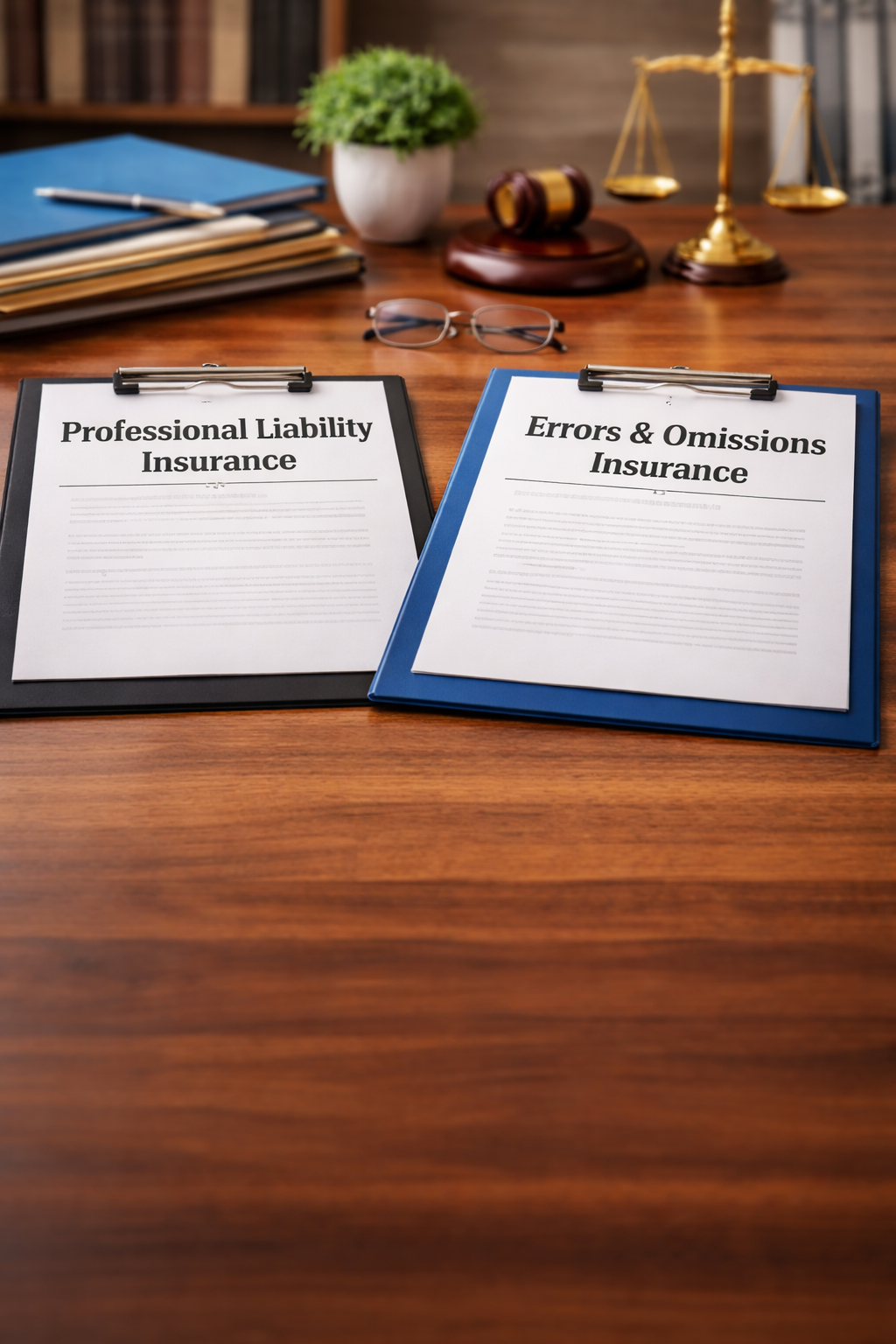
Errors and Omissions (E&O) insurance, often categorized as professional liability insurance, is designed to protect businesses and professionals from claims of negligence, mistakes, or failure to perform professional duties. Unlike gen...
Errors and Omissions (E&O) insurance, often categorized as professional liability insurance, is designed to protect businesses and professionals from claims of negligence, mistakes, or failure to perform professional duties. Unlike general liability insurance, which covers bodily injury or property damage, E&O specifically addresses financial losses suffered by clients due to your professional services or advice.
Contents
Understanding the Core Function of E&O Insurance
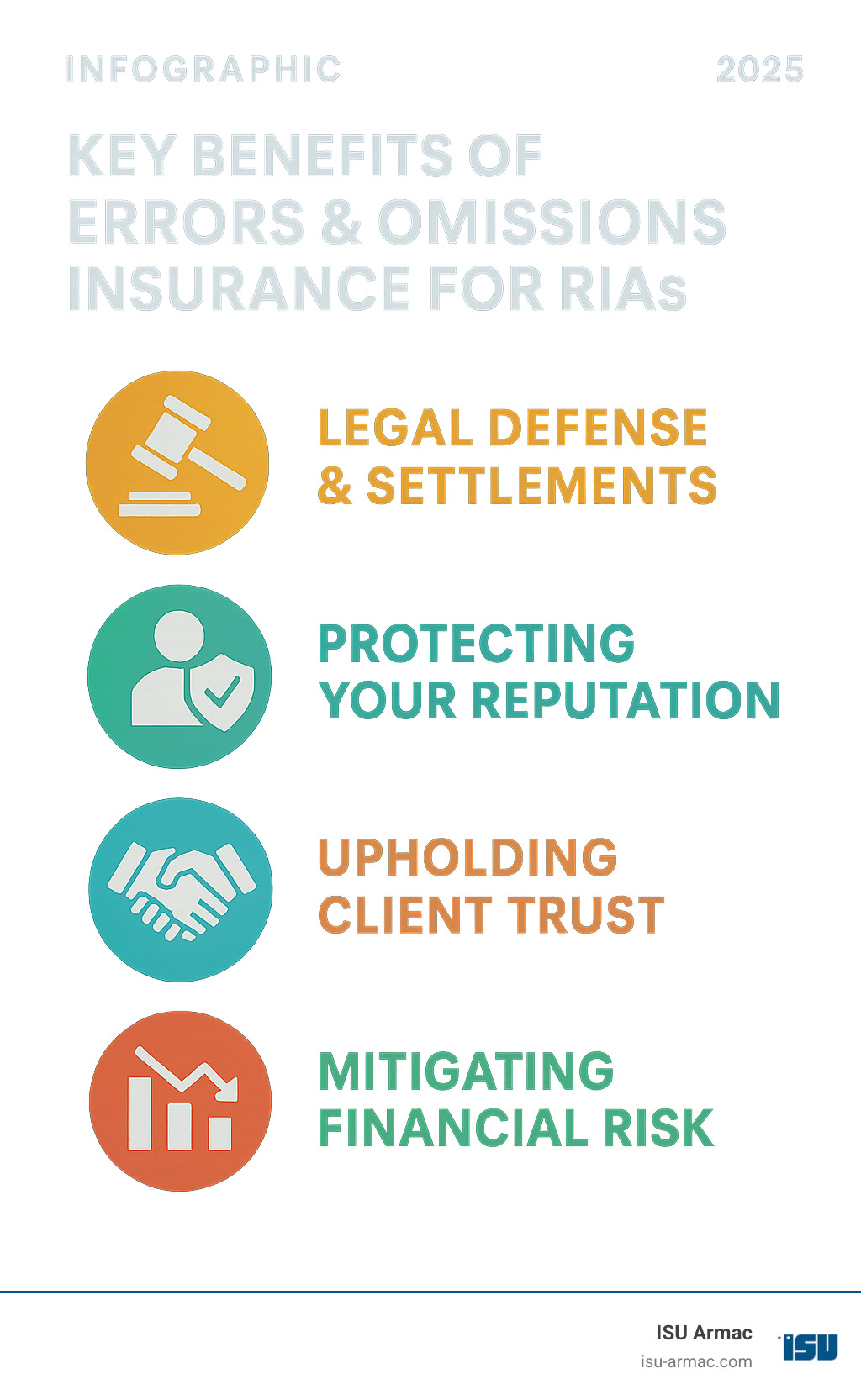
At its fundamental level, E&O insurance is a safety net for service-based businesses. If a client alleges that you made a mistake—such as missing a deadline, providing inaccurate data, or failing to deliver on a contract—and that mistake caused them financial harm, they may pursue legal action. E&O insurance helps cover the costs of legal defense, settlements, and judgments.
The "truth" often misunderstood by small business owners is that even if you have done nothing wrong, the cost of proving your innocence in court can be enough to bankrupt a firm. In 2026, the litigation landscape is increasingly complex, with cyber-related professional errors and AI-generated content mistakes becoming common grounds for lawsuits. E&O policies serve as an essential defensive tool that keeps your business operational while legal disputes are settled.
The Scope of Coverage: What It Protects and What It Excludes
E&O insurance is not a catch-all policy. Understanding its boundaries is critical to avoiding coverage gaps.
What it generally covers:
- Negligence: Claims that you failed to exercise the standard of care expected in your profession.
- Errors and Omissions: Genuine mistakes in reports, designs, or professional advice.
- Breach of Contract: Claims that you failed to deliver the services outlined in a signed agreement.
- Defamation or Misrepresentation: In some instances, policies extend to claims involving unintentional libel or slander committed during professional practice.
What it typically excludes:
- Bodily Injury or Property Damage: These fall under General Liability (GL) policies.
- Criminal Acts: Intentional fraud, illegal activities, or dishonest acts are almost universally excluded.
- Employee-Related Claims: Issues such as wrongful termination or harassment require Employment Practices Liability Insurance (EPLI).
- Prior Acts: If a mistake occurred before your policy started, it likely will not be covered unless you purchased a "retroactive date" endorsement.
Claims-Made vs. Occurrence Policies
One of the most important technical distinctions in professional liability is the difference between a claims-made policy and an occurrence policy. Most E&O insurance is written on a claims-made basis.
- Claims-Made Policy: This requires the policy to be active both when the alleged error occurred and when the claim is actually filed against you. If you cancel your policy and a client sues you a year later for work performed while you were insured, you may have no coverage unless you purchase "tail coverage."
- Occurrence Policy: This covers you for any error that happened during the policy period, regardless of when the claim is filed. While rarer in the E&O market, they provide more long-term certainty but are generally more expensive.
Comparative Overview of Business Insurance Types
To ensure you have adequate protection, it is vital to understand how E&O sits alongside other essential insurance products.
| Insurance Type | Primary Purpose | Trigger Event |
|---|---|---|
| Errors & Omissions | Professional negligence | Financial loss caused by services |
| General Liability | Bodily injury & property damage | Physical accident or injury |
| Cyber Liability | Data breaches & system hacks | Digital theft or network failure |
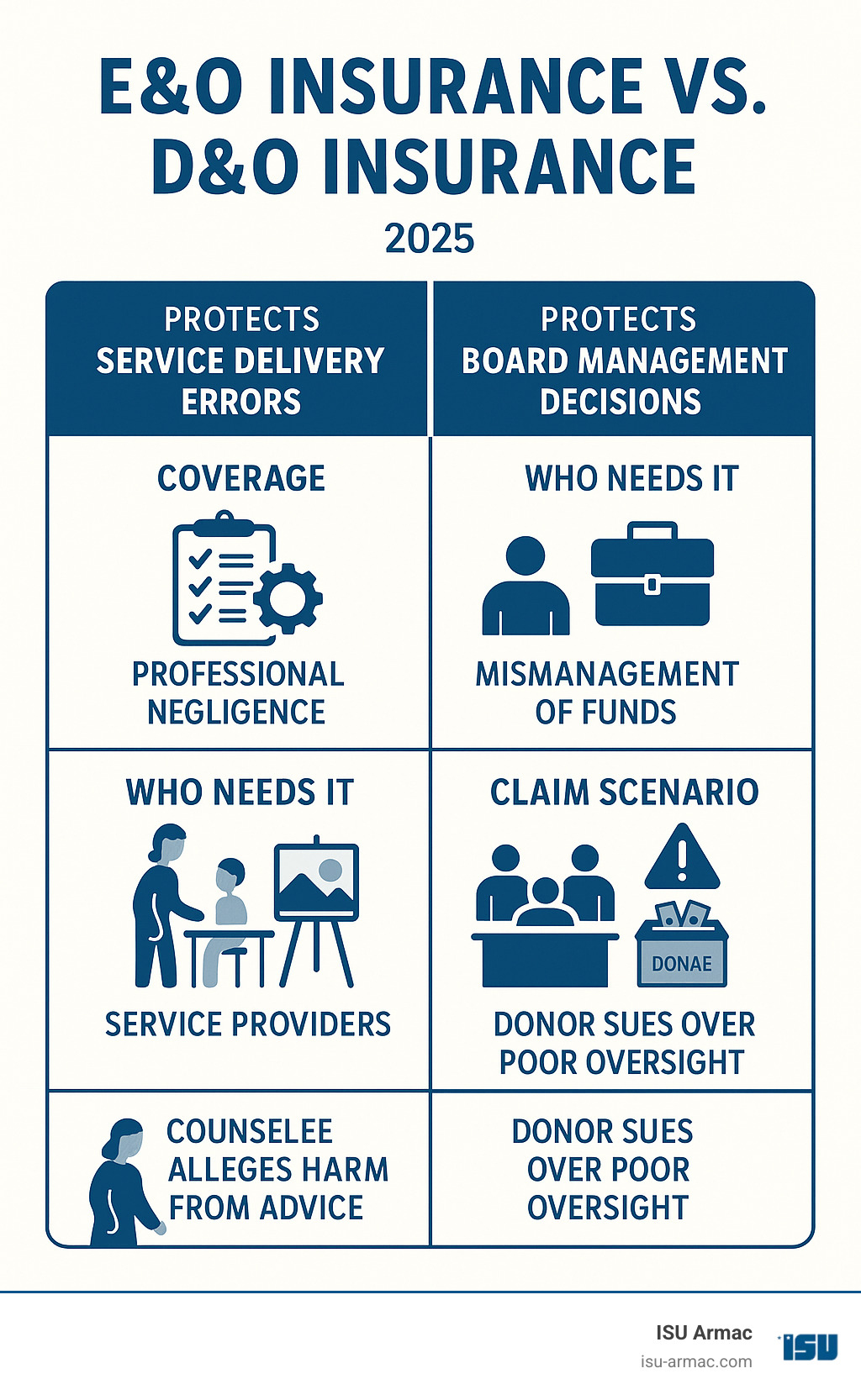
| Directors & Officers | Management decisions | Lawsuits against board/executives |
Strategic Implementation: When to Buy and How Much
Many professionals believe they only need E&O insurance once they reach a certain revenue threshold. However, the requirement is often dictated by your clients, not your size. Large corporate clients or government contracts typically mandate E&O coverage as a prerequisite for doing business.
Factors influencing your costs in 2026:
- Industry Risk: A software developer or a financial consultant carries higher liability risks than a graphic designer, which leads to higher premiums.
- Claims History: Past claims indicate a higher likelihood of future issues, which insurance underwriters penalize.
- Policy Limits: The maximum amount an insurer will pay per claim and in aggregate annually. Choosing too low a limit can leave your business exposed to catastrophic litigation costs.
- Retention (Deductible): The amount you pay out-of-pocket before the insurer covers the remaining costs. Higher deductibles can lower your annual premiums but increase your immediate financial risk during a dispute.
Common Pitfalls and Troubleshooting
The most common mistake business owners make regarding E&O insurance is failing to report a potential claim early. If you become aware of a mistake that could lead to a client complaint, notify your insurer immediately. Waiting until the client formally threatens legal action can jeopardize your coverage, as policies usually require timely notification of "circumstances" that could lead to a claim.
Furthermore, ensure that your "Retroactive Date" is properly managed. If you switch insurance providers, your new policy must honor the retroactive date from your original policy to avoid a gap in coverage. Failing to bridge this gap effectively leaves you vulnerable for any historical work performed.
Frequently Asked Questions
Is E&O insurance legally required? In most jurisdictions, E&O is not legally mandated for all businesses. However, many industries—such as real estate, law, and medicine—require professional liability coverage as a condition of licensing or contract fulfillment.
Does E&O cover cyber breaches? Standard E&O policies do not cover cyber events like ransomware or data theft. While some policies offer "silent cyber" coverage or endorsements, a dedicated Cyber Liability policy is usually necessary to adequately protect against digital threats.
Can I stop paying premiums once I retire? If you have a claims-made policy, stopping premiums effectively ends your coverage. You should purchase "tail coverage" or an Extended Reporting Period (ERP) to protect against claims filed after your retirement for work performed while you were active.
How is the "Standard of Care" defined? The standard of care is generally defined as the level of skill and competence that a reasonably prudent professional in your field would exhibit under similar circumstances. In court, this is often established through expert testimony.
Does E&O cover sub-contractors? Typically, you are responsible for the work of your sub-contractors unless your policy specifically includes language extending coverage to them. Always review your policy declarations page to see if "independent contractors" are listed as insureds.
Next Steps for Your Business
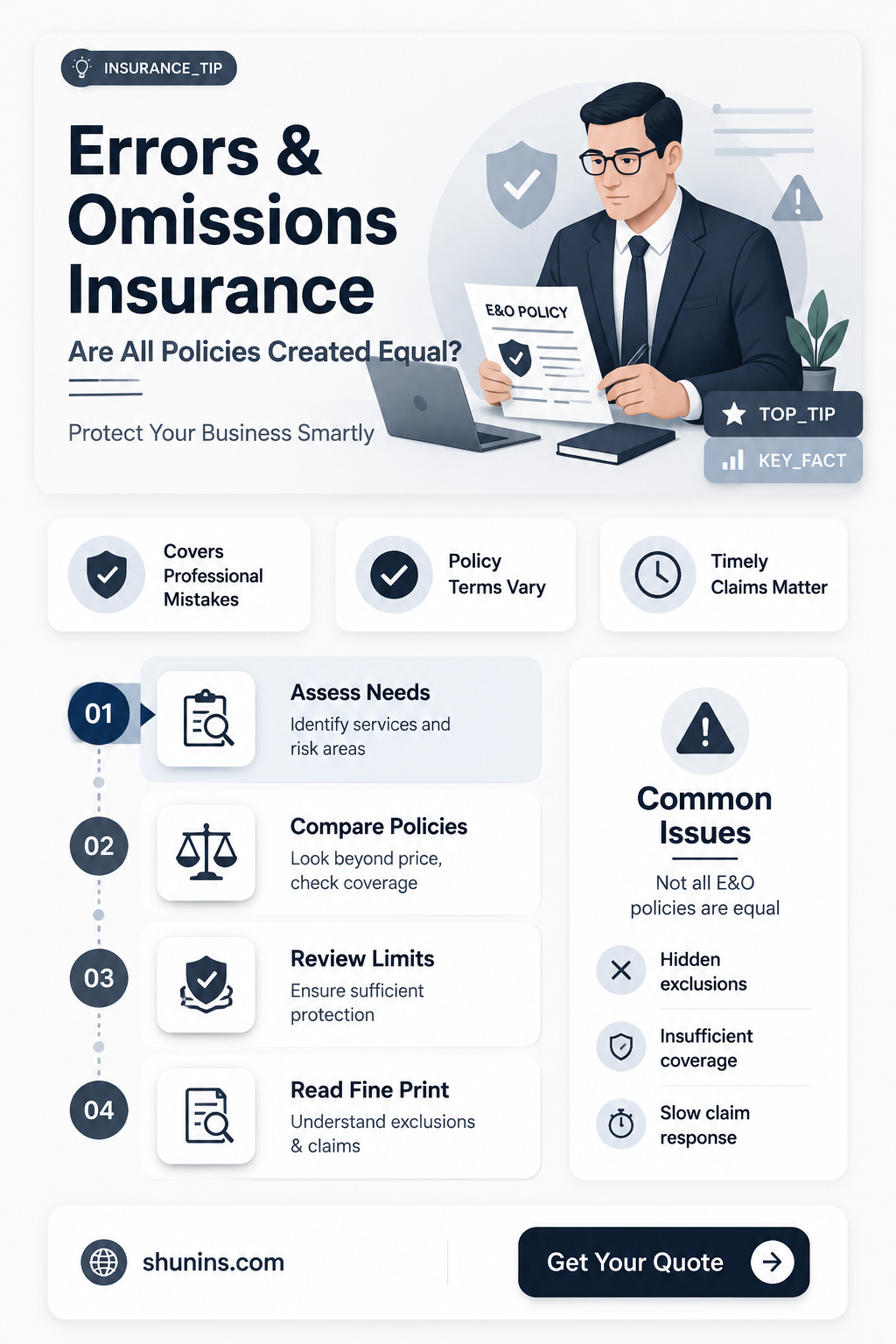
To assess your current standing, start by reviewing your existing contracts to see if they mandate specific insurance limits. Next, perform a risk audit: identify which professional activities carry the highest risk of financial error and ensure those are clearly defined in your policy. If your business has grown or pivoted its service offerings in 2026, consult with an insurance broker to ensure your current E&O coverage remains aligned with your modern risk profile. Do not wait for a lawsuit to discover the limitations of your policy; proactive verification is the only way to ensure true protection.
Image Gallery