Understanding What a Pending Debit Card Transaction Means for Your Balance
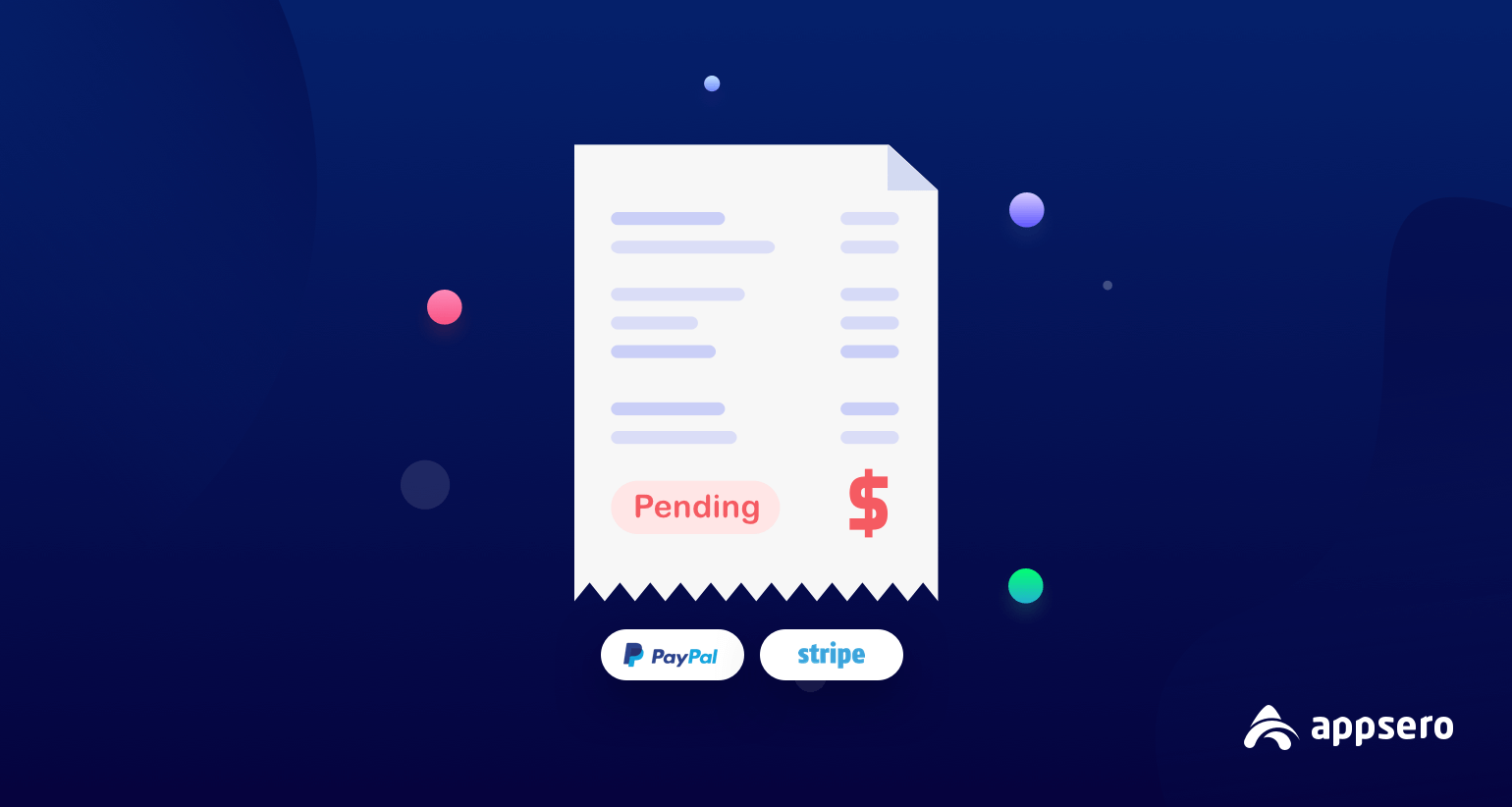
A pending debit card transaction represents a temporary hold placed on your account funds by a merchant to verify that your account is active and has sufficient balance. While these funds have not yet been permanently withdrawn, they a...
A pending debit card transaction represents a temporary hold placed on your account funds by a merchant to verify that your account is active and has sufficient balance. While these funds have not yet been permanently withdrawn, they are deducted from your "available balance," effectively preventing you from spending that money twice until the transaction fully settles.
Contents
The Mechanics of the Pending Status
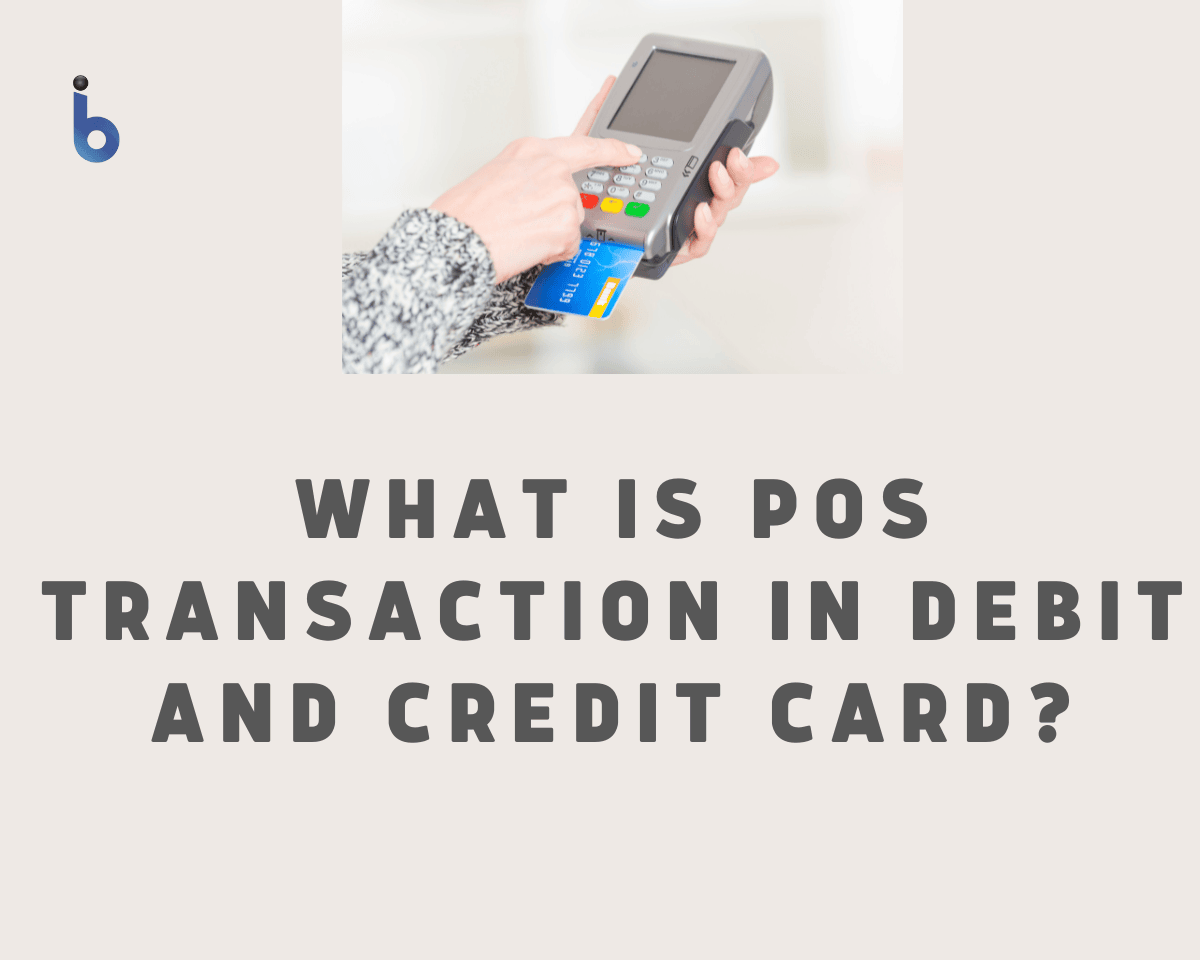
When you use your debit card at a point-of-sale terminal, online store, or automated kiosk, the payment network does not transfer cash instantly. Instead, a multi-stage process occurs to ensure security and fund availability.
First, the merchant sends an authorization request to your bank. This request acts as a digital inquiry: "Does this account have the funds to cover this specific amount?" If your balance meets the requirement, your bank places a "memo post" or "authorization hold" on that amount.
This hold is the origin of the "pending" status you see on your digital banking dashboard. The bank reserves these funds to ensure that when the merchant finally submits the request for the actual transfer of money (a process known as "settlement"), the capital is guaranteed to be there. During this window, your "current balance" (the total amount in your account) may not change, but your "available balance" will decrease by the amount of the hold.
Why Available Balance Differs from Current Balance
It is critical for account holders to understand the distinction between their current balance and their available balance. These two figures often cause confusion, especially when an account holder assumes they have more money to spend than they actually do.
- Current Balance: This is the total amount of money actually in your account, including funds that have fully settled, but excluding any pending debits. It represents the "book" total of your account at the last close of business.
- Available Balance: This is the current balance minus any pending authorizations, holds, or restricted funds. This is the figure that dictates whether a future purchase will be approved or declined.
When you see a pending transaction, your bank has already accounted for that outgoing money in your available balance. If you attempt to initiate a transaction that exceeds this available amount, you risk an overdraft fee or a declined transaction, even if your current balance appears high enough to cover the expense.
Common Scenarios That Influence Pending Holds
Not all pending transactions represent simple retail purchases. Several industries use authorization holds in ways that can significantly tie up your funds for longer periods.
Travel and Hospitality
Hotels and car rental agencies frequently place "pre-authorization" holds on debit cards. These are not charges for your final bill but rather security deposits to cover potential damages or incidentals. These holds can be substantial—often several hundred dollars—and they remain in your pending status until the final bill is settled or the hold expires, which can sometimes take five to seven business days after the service concludes.
Automated Fuel Dispensers
When you swipe your debit card at a gas pump, the merchant often sends a small "test" authorization (sometimes as low as $1.00) to check if the card is valid. Once you begin fueling, the system may place a much larger hold—typically ranging from $50 to $150—to ensure you can pay for a full tank. Once the pump stops, the exact amount is reconciled, but it may take hours or days for the original large hold to be replaced by the specific cost of your fuel.
Restaurant and Tipping
Restaurants often authorize your card for the initial bill amount before you add a tip. When you write a tip on the receipt later, the transaction moves from pending to settled, and the total amount is updated. During the interim period, the pending amount reflects only the pre-tip price, which can create a temporary discrepancy in your records.
Comparison of Transaction Stages
| Transaction Stage | Impact on Available Balance | Settled Status |
|---|---|---|
| Authorization | Immediate reduction | Pending |
| Merchant Batching | Held until settlement | Processing |
| Final Settlement | Permanent deduction | Posted |
| Reversal/Expiry | Hold released, funds restored | Canceled |
Troubleshooting and Managing Pending Transactions
If you notice a pending transaction that seems incorrect, such as a duplicate hold or an amount that seems excessive, there are specific steps you should take.
First, verify the merchant. Sometimes, a pending transaction appears under a parent company’s name rather than the specific storefront where you shopped. Check your digital receipts or email confirmations to see if the merchant name matches the transaction descriptor.
Second, understand that you generally cannot dispute a "pending" transaction. Banks typically require a transaction to move into a "posted" or "settled" status before they can initiate a formal investigation. If you suspect fraud, contact your bank immediately to secure your card, but understand that the transaction may need to settle before the chargeback process can be completed.
If you are dealing with an unusually long hold—for instance, a rental car deposit that has not cleared ten days after the vehicle was returned—call your financial institution. They can contact the merchant’s acquiring bank to request a release of the hold. Providing your transaction reference number or a copy of your receipt can expedite this process.
The Role of Regulatory Guidelines
In the United States, regulations such as the Electronic Fund Transfer Act (Regulation E) protect consumers against unauthorized transfers, but they do not specifically mandate how fast a merchant must settle a transaction. Banks follow industry standards set by card networks like Visa, Mastercard, and Discover. These networks dictate how long a merchant can hold an authorization.
For standard retail, this is typically three business days. For travel-related merchants, the window is often longer due to the nature of their business. If a merchant fails to settle the transaction within these network-defined windows, the hold will automatically fall off, and the funds will return to your available balance. This does not mean you are absolved of the debt; the merchant may still submit the charge later, and if they do, the funds will be deducted from your account at that time.
Frequently Asked Questions
What happens if a pending transaction never settles? If a merchant fails to finalize the transaction, the pending hold will expire after a set period, typically three to seven business days. The reserved funds will be released back into your available balance. Note that the merchant still has the right to collect the funds later if they have a legitimate claim to them.
Can I stop a pending transaction from posting? Generally, you cannot stop a legitimate pending transaction because the authorization has already been granted at the point of sale. If the transaction is fraudulent, contact your bank immediately to block the card, which may prevent future charges, though it may not stop the pending item from clearing if it was already authorized.
Why is my available balance lower than my current balance? This indicates you have pending debits or authorization holds on your account. These funds are "reserved" to ensure they are available when the merchant completes the final payment processing.
Do pending transactions earn interest? In most cases, money held in a pending state is still technically in your account and continues to earn interest until the final settlement occurs. However, you cannot access or withdraw these funds, effectively rendering them unavailable for your immediate use.
How do I differentiate between a real charge and a temporary hold? Look for the transaction date and status. Temporary holds, such as those from gas stations or hotels, often show as "Pending" for a fixed number of days and then disappear or are replaced by the final amount. Real charges stay in the "Pending" list until they move to your "Posted" transaction history.
Final Steps to Maintain Account Health
To avoid unexpected overdrafts, monitor your available balance rather than your current balance daily. Set up mobile banking alerts to notify you when your balance drops below a specific threshold. If you frequent establishments that place large temporary holds—such as rental agencies or gas stations—keep a "buffer" of extra cash in your account to ensure that these holds do not push your available balance into the negative, which could otherwise trigger unnecessary fees or cause essential payments, like utility bills, to bounce.
Image Gallery