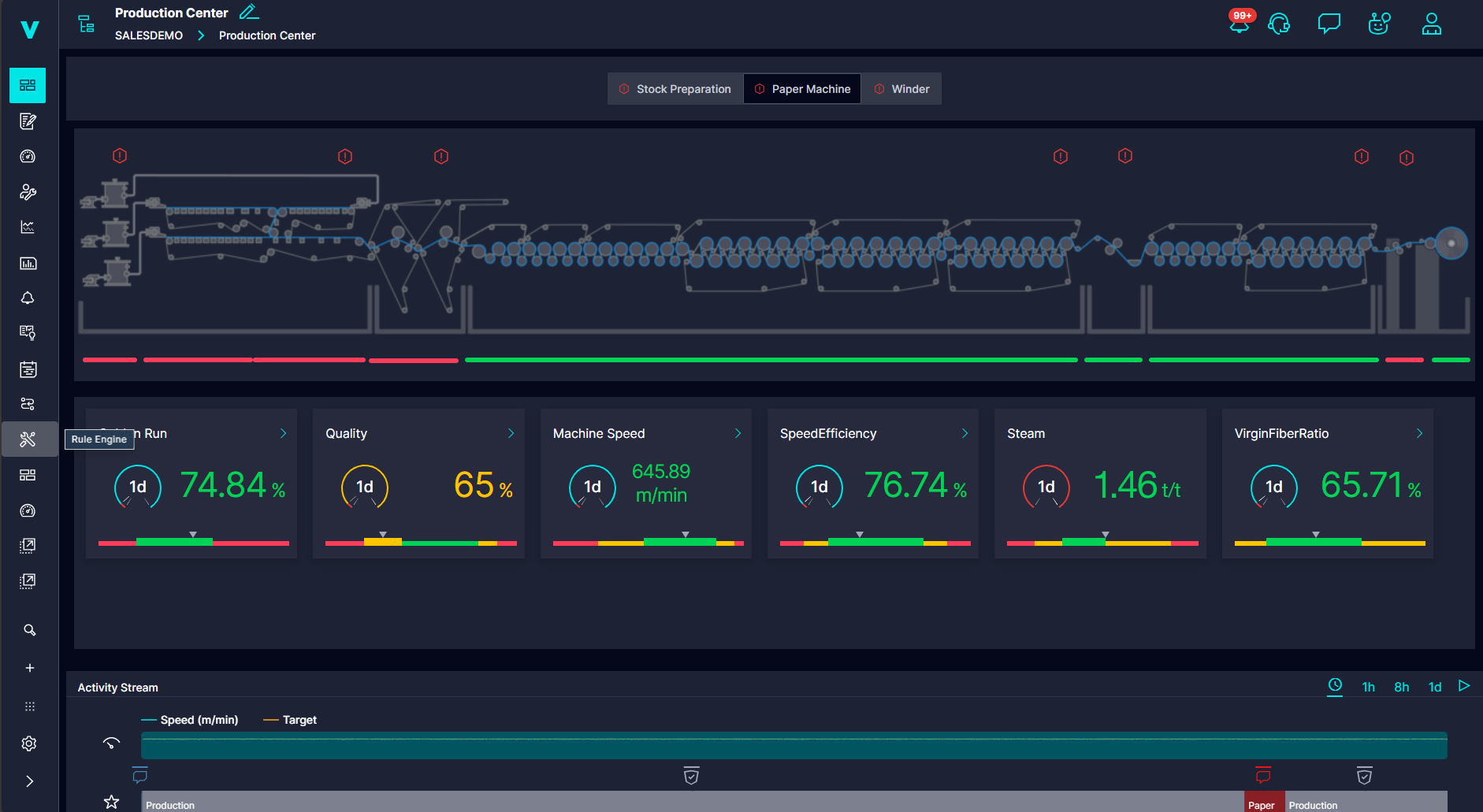
A Comprehensive Overview of Production Control Systems
A production control system is a centralized framework used by manufacturing organizations to manage, coordinate, and optimize the flow of materials, labor, and machine capacity to meet production schedules efficiently. By integrating...
A production control system is a centralized framework used by manufacturing organizations to manage, coordinate, and optimize the flow of materials, labor, and machine capacity to meet production schedules efficiently. By integrating real-time data with long-term planning, these systems ensure that resources are allocated effectively to fulfill customer demand while minimizing waste, reducing inventory carrying costs, and maintaining consistent quality standards throughout the manufacturing lifecycle.
Contents
The Core Objectives of Production Control
At its fundamental level, a production control system serves as the nervous system of a manufacturing operation. It exists to reconcile the gap between what a customer orders and what a factory is physically capable of producing at any given moment. To achieve this, the system focuses on four primary operational pillars:
1. Capacity Management
A system must accurately account for the limitations of machinery, personnel, and facilities. By calculating the maximum throughput potential, the system prevents bottlenecks and avoids over-promising on delivery dates. Effective capacity management ensures that machines are neither underutilized nor pushed beyond their mechanical limits, which can lead to premature failure.
2. Schedule Optimization
Production control involves translating sales forecasts and specific customer orders into actionable daily or hourly schedules. This process—often referred to as scheduling—prioritizes jobs based on due dates, material availability, and sequence requirements to ensure smooth transitions between production runs.
3. Inventory and Material Flow
A primary function of any robust control system is the management of Work-in-Progress (WIP) and raw material inventory. By synchronizing the arrival of raw components with the immediate start of production, the system facilitates Just-in-Time (JIT) methodologies, thereby reducing the capital tied up in dormant stock.
4. Quality and Performance Monitoring
Modern systems do not merely direct work; they monitor results. Through continuous feedback loops, the system captures data on defect rates, machine downtime, and cycle times. This data is essential for ongoing improvement cycles and root-cause analysis when production targets are missed.
Essential Components of an Integrated System
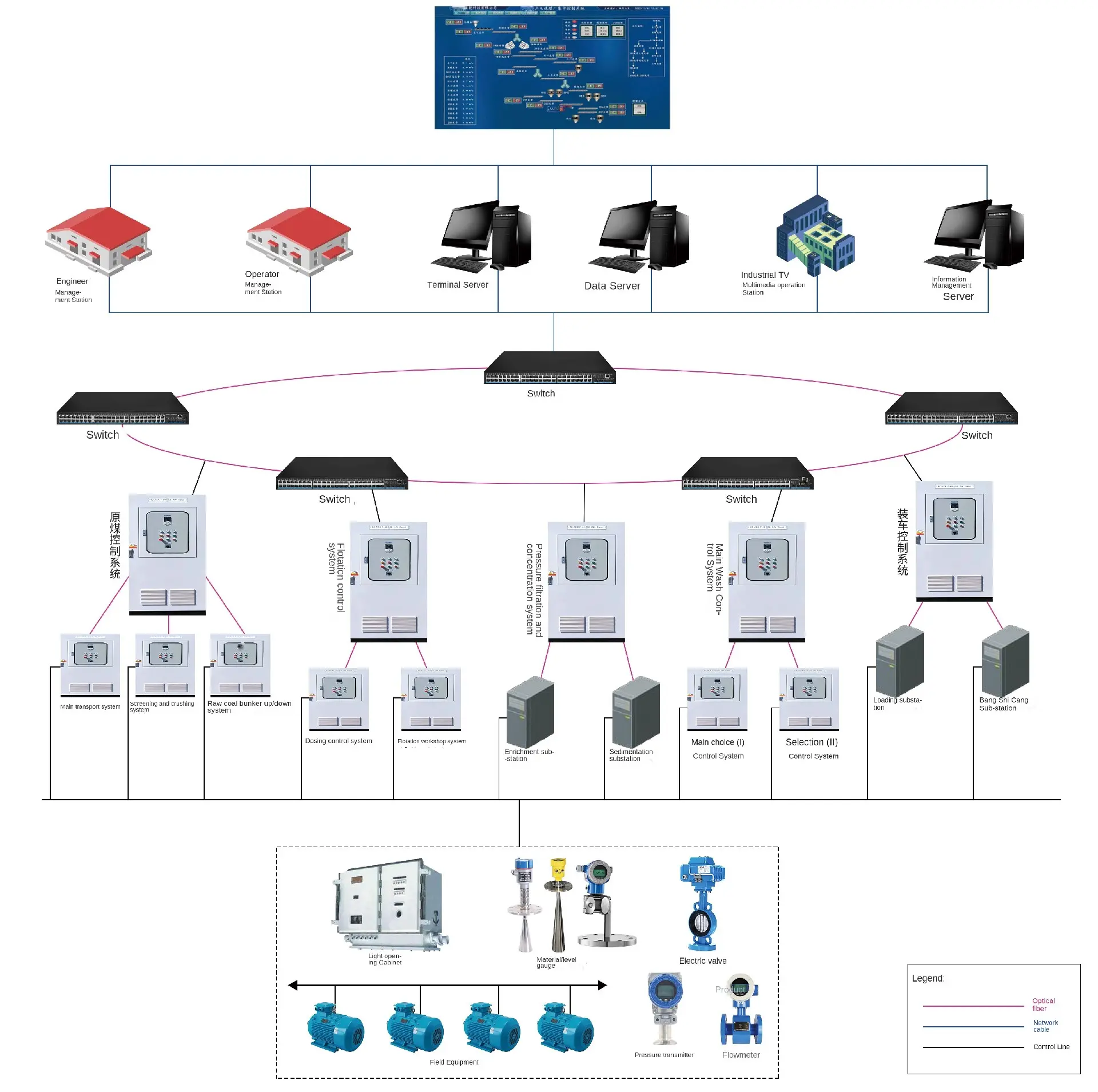
A functional production control system is typically composed of several modular layers that communicate to provide a holistic view of the factory floor.
- Production Planning: The top-level strategic component where aggregate demand is matched against aggregate capacity. This usually involves Master Production Scheduling (MPS).
- Routing: The definition of the exact path a product takes through the facility. It specifies which machines or stations are required, the sequence of operations, and the time allocated for each.
- Dispatching: The execution phase where orders are released to the shop floor. Dispatching converts the theoretical plan into actual work orders for specific operators or automated equipment.
- Progress Tracking: The real-time collection of status updates. As tasks are completed, the system updates the inventory levels and the overall schedule status, allowing for rapid replanning if disruptions occur.
Comparison of Production Control Methodologies
Manufacturing environments vary significantly, and the chosen control system must align with the specific production strategy. The following table compares common methodologies:
| Method | Best Use Case | Primary Benefit | Main Limitation |
|---|---|---|---|
| Push System | High-volume, standardized goods | Maximizes machine utilization | Risk of high inventory buildup |
| Pull System | Lean manufacturing, custom orders | Reduces WIP and waste | Vulnerable to supply chain shocks |
| Hybrid System | Mixed-model production lines | Balances flexibility and efficiency | High complexity in configuration |
| Flow Production | Continuous process industries | Predictable output and cost | Minimal flexibility for variations |
The Role of Data and Automation in 2026
As of 2026, the reliance on manual production control has diminished significantly in favor of digital ecosystems. Modern production control systems are increasingly integrated with Industrial Internet of Things (IIoT) sensors. These sensors provide the system with raw, high-fidelity data regarding equipment health (predictive maintenance) and precise material consumption.
When a sensor detects a vibration anomaly in a CNC machine, the production control system can automatically pause the dispatching of new tasks to that specific station and reroute existing work to an alternative asset. This level of automated agility is the standard for high-performance facilities, turning production control from a reactive tool into a proactive, autonomous participant in factory management.
Prerequisites for Successful Implementation
Implementing or upgrading a production control system is a significant undertaking that requires more than just software deployment. Organizations must satisfy several operational prerequisites to realize the full value of the system:
- Standardized Data Architecture: If your Bills of Materials (BOM) and routing sheets are inaccurate or inconsistent, the control system will propagate these errors throughout the entire production cycle. Before implementation, every product must have a clean, digital definition.
- Process Maturity: A system cannot fix a broken process; it can only highlight the dysfunction. Ensure that your physical workflow—how parts move and how people interact with equipment—is logically mapped and stable.
- Cross-Functional Alignment: Production control fails if the sales department makes promises the production floor cannot keep, or if the purchasing team buys materials without visibility into the scheduling constraints. Data silos between departments must be eliminated.
- Operator Training: The most advanced system is ineffective if operators do not understand how to input status updates or interpret the dispatching instructions provided by the software.
Common Challenges and Troubleshooting
Even with a well-configured system, organizations often encounter recurring issues that require a disciplined approach to solve.
- The "Bullwhip Effect": This occurs when small fluctuations in customer demand cause larger fluctuations in production scheduling and inventory orders further up the supply chain. If you notice your inventory levels swinging wildly, revisit your planning horizons and demand smoothing parameters.
- Data Latency: If the "system" shows a machine as available, but the floor shows it is broken, your system is failing the test of real-time accuracy. Ensure that reporting happens at the point of action, preferably using automated digital triggers rather than manual data entry.
- System Over-Complexity: Sometimes, excessive granularity in tracking creates more administrative burden than operational benefit. If you are tracking every movement of a low-value part, you may be over-controlling. Simplify the system to focus on "bottleneck" resources where control is most critical.
Frequently Asked Questions
What is the difference between production control and production planning?
Production planning is the high-level activity of determining what, how much, and when to produce over a long-term horizon. Production control is the day-to-day, or hour-to-hour, execution of that plan, ensuring the factory stays on track and managing deviations in real-time.
How does a production control system reduce waste?
By synchronizing production with actual demand, the system eliminates overproduction—the largest category of manufacturing waste. It also minimizes inventory holding costs and prevents parts from sitting idle on the shop floor, which reduces the risk of damage or obsolescence.
Can a small business benefit from a formal production control system?
Yes. While small manufacturers may not need enterprise-level software, they can benefit from digitized scheduling and inventory control. Even basic cloud-based tools can prevent the common small-business trap of losing track of material availability and missing delivery deadlines.
How often should production control systems be audited?
A review of your production control logic should occur at least annually, or whenever there is a significant change in product mix, facility layout, or supply chain volatility. Regular audits ensure that the system parameters still reflect the current reality of the factory floor.
What is the role of the master production schedule (MPS)?
The MPS acts as the central link between the high-level business plan and the shop-floor execution. It defines the specific quantities of each product to be produced in specific time buckets, serving as the "source of truth" that drives all lower-level material and capacity requirements.
Next Actions for Operational Excellence
To improve your current production control environment, start by identifying your most significant bottleneck—the station or process that currently limits your total output. Once identified, dedicate your system’s monitoring capabilities to that specific area. Focus on ensuring that the data regarding the bottleneck is 100% accurate, and build your entire dispatching and scheduling logic around protecting that specific resource’s uptime. By stabilizing the constraint, you will see immediate improvements in throughput and schedule adherence, providing a stable foundation to expand your control system to the rest of the facility.
Image Gallery