Is Group Life Insurance Cheaper Than Individual Life Insurance?
Group life insurance is often more cost-effective than individual policies because employers subsidize premiums and group risk is spread across a large pool of participants. However, "cheaper" does not always equate to "better." While...
Group life insurance is often more cost-effective than individual policies because employers subsidize premiums and group risk is spread across a large pool of participants. However, "cheaper" does not always equate to "better." While group coverage offers convenience and ease of enrollment, individual policies provide higher coverage limits, portability, and protection against rate increases based on age or health status.
Contents
Understanding the Fundamental Differences
To determine which option is right for you, it is essential to understand the structural differences between group and individual life insurance. Group life insurance is typically provided as a fringe benefit by an employer or a professional organization. Because the entity (the employer) is purchasing coverage for a large number of people, the insurer assesses the risk of the group as a whole rather than evaluating each individual participant’s medical history.
Individual life insurance, by contrast, is a contract between you and an insurance company. You apply for this policy independently, and the insurer usually requires a medical underwriting process—which may include a physical examination—to assess your specific risk profile. Your premiums are determined by your age, health, lifestyle, and the amount of coverage you request.
The Cost Dynamics of Group Coverage
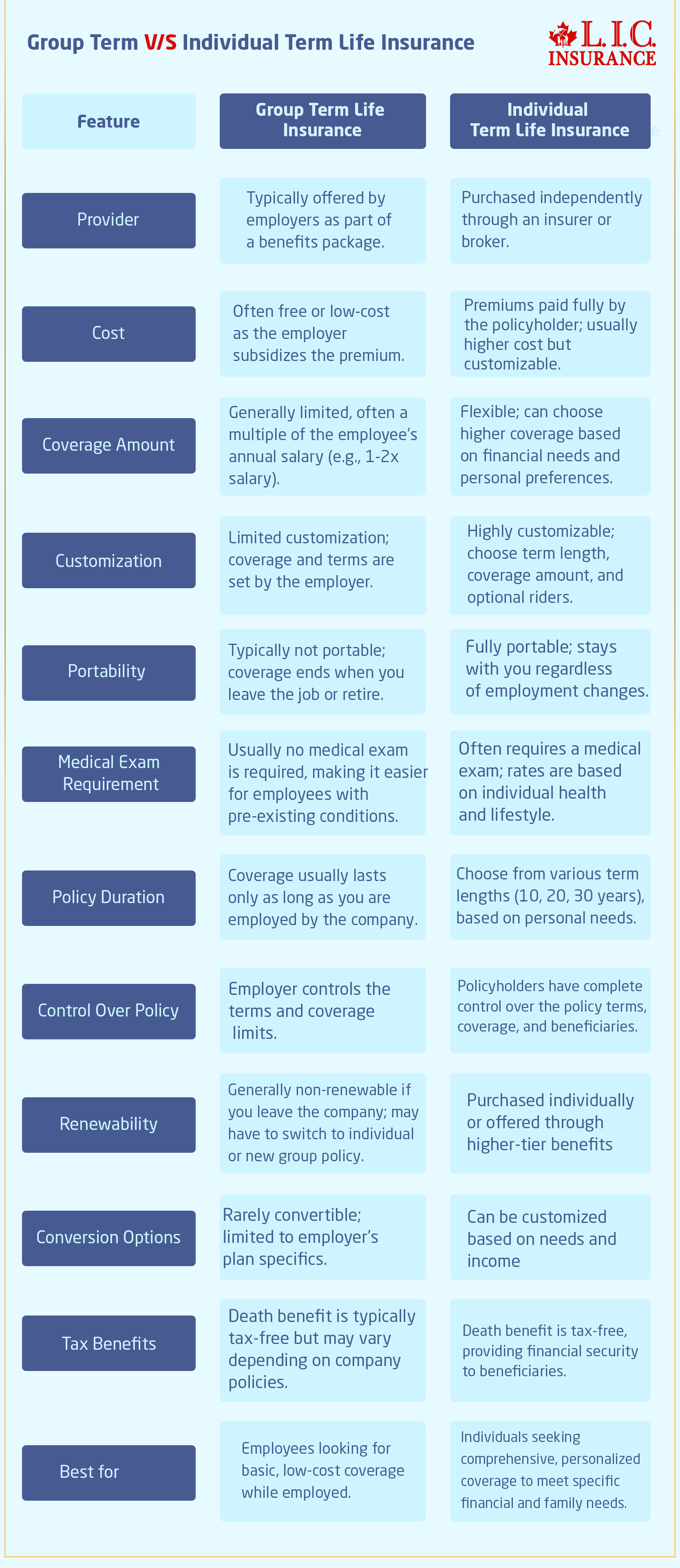
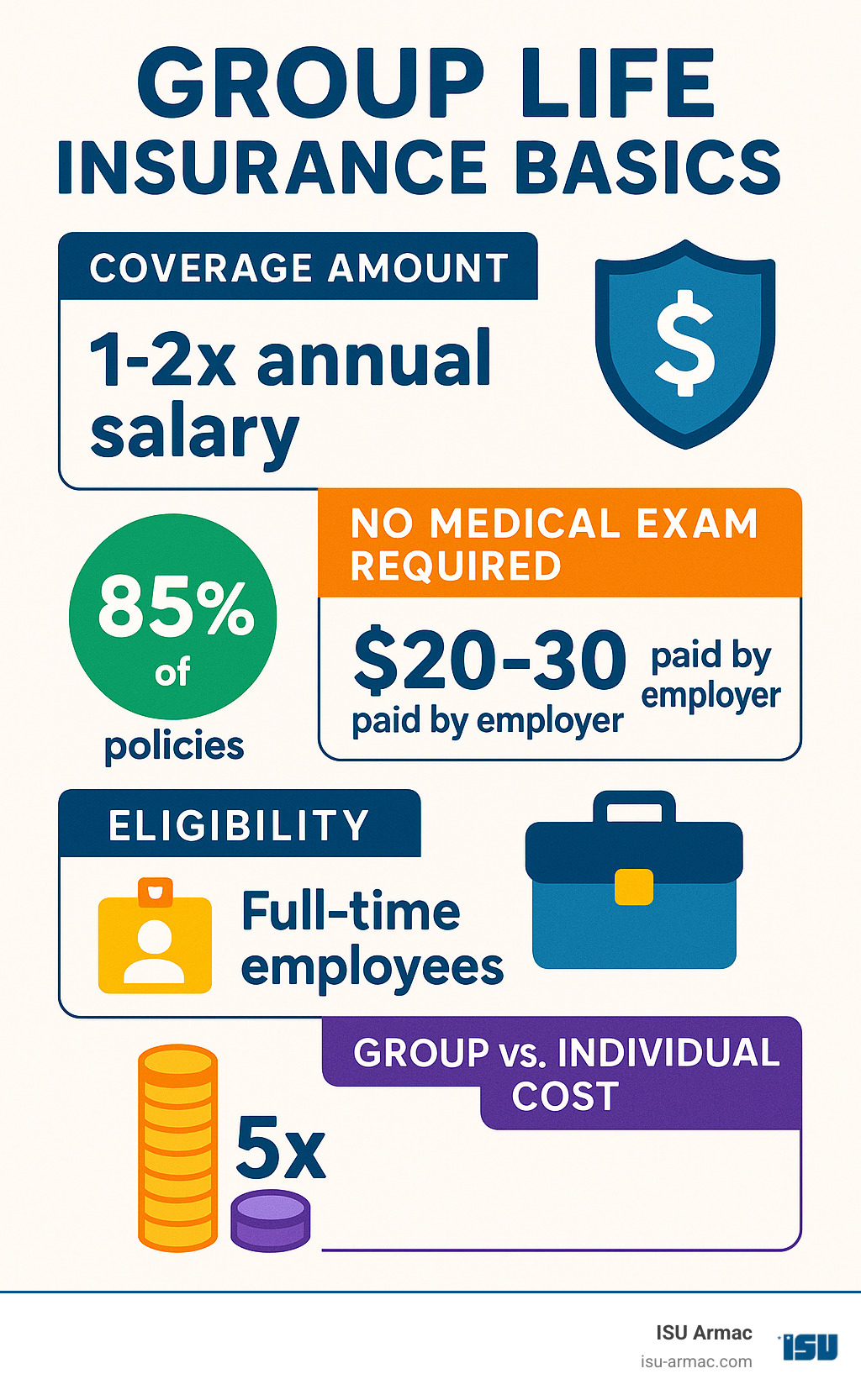
In a group plan, the underwriting is simplified, often resulting in a lower entry price. Many employers pay 100% of the premium for a basic level of coverage, such as one or two times your annual salary. Even when employees contribute to the cost, the group’s collective bargaining power keeps rates low. Since there is no individual medical exam required for the base level of coverage, those with pre-existing conditions often find group insurance significantly more affordable than any individual policy they could purchase on the open market.
The True Cost of Individual Life Insurance
Individual policies often carry a higher price tag initially because you are paying for the full risk assessment and the guaranteed nature of the contract. However, these policies are "level-premium" products, meaning the cost you agree upon today remains the same for the duration of the term. While you might pay more in your 30s or 40s than you would for a group plan, you are effectively "locking in" your health status. If you develop a chronic illness later in life, your individual policy premiums will not increase, whereas group rates often rise as the collective age of the group increases or if the employer renegotiates the contract.
Comparing Key Features and Limitations
When deciding if group insurance is truly the "cheaper" option, you must look beyond the monthly premium and consider the long-term value and stability of the coverage.
| Feature | Group Life Insurance | Individual Life Insurance |
|---|---|---|
| Underwriting | Minimal or none | Full medical underwriting |
| Cost | Usually low/subsidized | Higher; based on specific risk |
| Portability | Generally ends if you leave the job | Moves with you regardless of employment |
| Coverage Amount | Limited (usually salary multiples) | Customizable to your needs |
| Price Stability | Variable (employer can change terms) | Guaranteed level premiums |
Portability and Employment Risks
The most significant limitation of group life insurance is its reliance on your employment status. If you lose your job, resign, or retire, you typically lose your coverage. While some plans offer "conversion" options—allowing you to transition to an individual policy—these are often prohibitively expensive and lack the competitive features of policies you could have secured on your own. Individual life insurance remains in force as long as you pay the premiums, providing a consistent safety net that is not tied to your professional life.
Coverage Adequacy and Financial Planning
Group plans often limit the maximum death benefit to a specific multiple of your salary. For high earners or those with significant debt (such as a mortgage or business loans), this amount may be insufficient to replace income or cover estate taxes. Individual policies allow for precise death benefit amounts, enabling you to build a financial strategy that accounts for inflation, future education costs, and long-term debt obligations.
Strategic Decision-Making: Which One Should You Choose?
Most financial advisors suggest that group life insurance should be viewed as a supplemental benefit rather than the foundation of your financial plan. If your employer offers a subsidized plan, it is usually wise to enroll because the "cost" is negligible compared to the benefit. However, you should not rely on it exclusively.
When Group Coverage Suffices
If you are young, healthy, and early in your career with few dependents and minimal debt, your employer’s group plan may be the only protection you need for the time being. It provides a baseline of security without the administrative burden of managing an individual policy.
When Individual Coverage is Necessary
Individual coverage becomes critical as your financial complexity increases. If you have a family, a home, or significant professional responsibilities, rely on an individual term life insurance policy to ensure that your coverage is not subject to the whims of corporate budget cuts or career transitions. Purchasing an individual policy while you are young and healthy is a strategic move to lock in the lowest possible rates for the next 20 to 30 years.
Frequently Asked Questions
Can I keep my group life insurance if I change jobs? In most cases, no. Group life insurance is tied to your specific employer. If you change jobs, you must enroll in your new employer’s plan. If you are unemployed, you typically lose the coverage unless you exercise a "conversion" option, which usually involves higher premiums.
Does group life insurance require a medical exam? Usually, no. For basic coverage levels, enrollment is often "guaranteed issue," meaning you are covered regardless of your health status. If you opt for supplemental group coverage above the standard amount, the insurer may ask health-related questions or require a medical exam.
Is individual life insurance always more expensive? Not necessarily. While the starting price is often higher, individual policies offer price stability. Over 20 years, an individual policy may actually be more cost-effective than group coverage if the group plan’s premiums escalate significantly or if your employment situation changes, forcing you to buy new, higher-priced insurance later in life.
Should I have both group and individual policies? Many professionals carry both. They use the group policy as an inexpensive "top-up" to their primary protection and maintain a separate, individual term life policy that serves as the foundation of their family’s financial security.
What happens to my insurance if my company is acquired? If your company is acquired, the new employer may modify or cancel the existing benefits package. This is a common risk with group insurance that does not exist with individual policies, which remain under your control regardless of corporate restructuring.
Recommendation for Next Steps
Evaluate your current group life insurance policy by requesting the summary plan description from your human resources department. Note the total death benefit and whether the policy allows for conversion if you leave the company. If the coverage is insufficient to protect your dependents or if you anticipate changing employers within the next few years, obtain quotes for a private term life insurance policy. By securing an individual policy now while you are insurable, you protect yourself against future health changes and ensure that your family’s financial future is independent of your career path.
Image Gallery