Why Arizona Drivers Pay More for Auto Insurance and How to Manage Costs
Arizona drivers often face rising premiums due to a confluence of state-specific geographic, legislative, and demographic factors. Insurance companies determine rates based on regional risk assessments, which currently reflect higher-t...
Arizona drivers often face rising premiums due to a confluence of state-specific geographic, legislative, and demographic factors. Insurance companies determine rates based on regional risk assessments, which currently reflect higher-than-average claim frequencies, rising repair costs for modern vehicle technology, and an increase in population density in major urban corridors like Phoenix and Tucson. While premiums are influenced by national trends, understanding the specific variables impacting Arizona allows policyholders to implement targeted strategies to reduce their financial burden.
Contents
The Landscape of Arizona Auto Insurance in 2026
The cost of auto insurance in Arizona is not arbitrary; it is the result of actuarial mathematics designed to project the likelihood and severity of future losses. Insurance carriers operating in the state must file their rate structures with the Arizona Department of Insurance and Financial Institutions (DIFI). These filings account for several state-specific stressors that contribute to higher premiums.
Traffic Congestion and Urban Density
As Arizona continues to experience rapid population growth, the number of vehicles on the road has increased significantly. High-density areas such as the Phoenix metropolitan region report higher instances of minor fender-benders and traffic accidents. Because insurance is a pool of shared risk, drivers in these urban centers typically pay higher premiums than those in rural areas, where accident frequency is lower.
The Cost of Advanced Vehicle Technology
Modern vehicles are equipped with sophisticated Advanced Driver Assistance Systems (ADAS), including sensors, cameras, and lidar systems integrated into bumpers, mirrors, and windshields. In the event of a collision, these components are significantly more expensive to repair or calibrate than traditional automotive parts. As repair shops in Arizona invest in the specialized equipment and training necessary to service these vehicles, those costs are passed down to the consumer through higher premiums.
Legal and Legislative Factors
Arizona maintains specific requirements for minimum liability coverage, governed by state statute. While these minimums provide a baseline, they often prove insufficient in the event of a severe accident involving luxury vehicles or significant medical bills. Furthermore, the state’s comparative negligence laws and the legal environment surrounding auto insurance claims impact how insurers calculate the risk of litigation and high-value settlements, which are eventually baked into the rate tables for all policyholders.
Key Factors That Influence Your Personal Premium
While statewide averages provide context, individual premiums are highly personalized. Your specific rate is a reflection of your unique risk profile as analyzed by an insurer's algorithm.
- Driving Record: This is arguably the most significant factor. Multiple moving violations, at-fault accidents, or a history of DUIs will signal to an insurer that you are a high-risk driver, leading to substantial premium increases.
- Vehicle Make and Model: Certain vehicles are statistically more likely to be stolen or involve expensive repairs. High-performance cars or models with specialized parts often fall into higher insurance rating groups.
- Credit-Based Insurance Scores: In Arizona, insurers are permitted to use credit-based insurance scores to help determine premiums. Statistically, individuals with higher credit scores are often viewed as lower risk, which can lead to more favorable pricing.
- Annual Mileage: The more time you spend on the road, the higher your statistical probability of being involved in an accident. If your annual mileage is low, you may qualify for "low-mileage" discounts.
- Coverage Limits: Opting for the state-required minimum coverage is the cheapest path forward, but it carries significant financial risk. Increasing your coverage limit provides better protection but naturally raises the policy premium.
Comparison of Coverage Options and Strategy
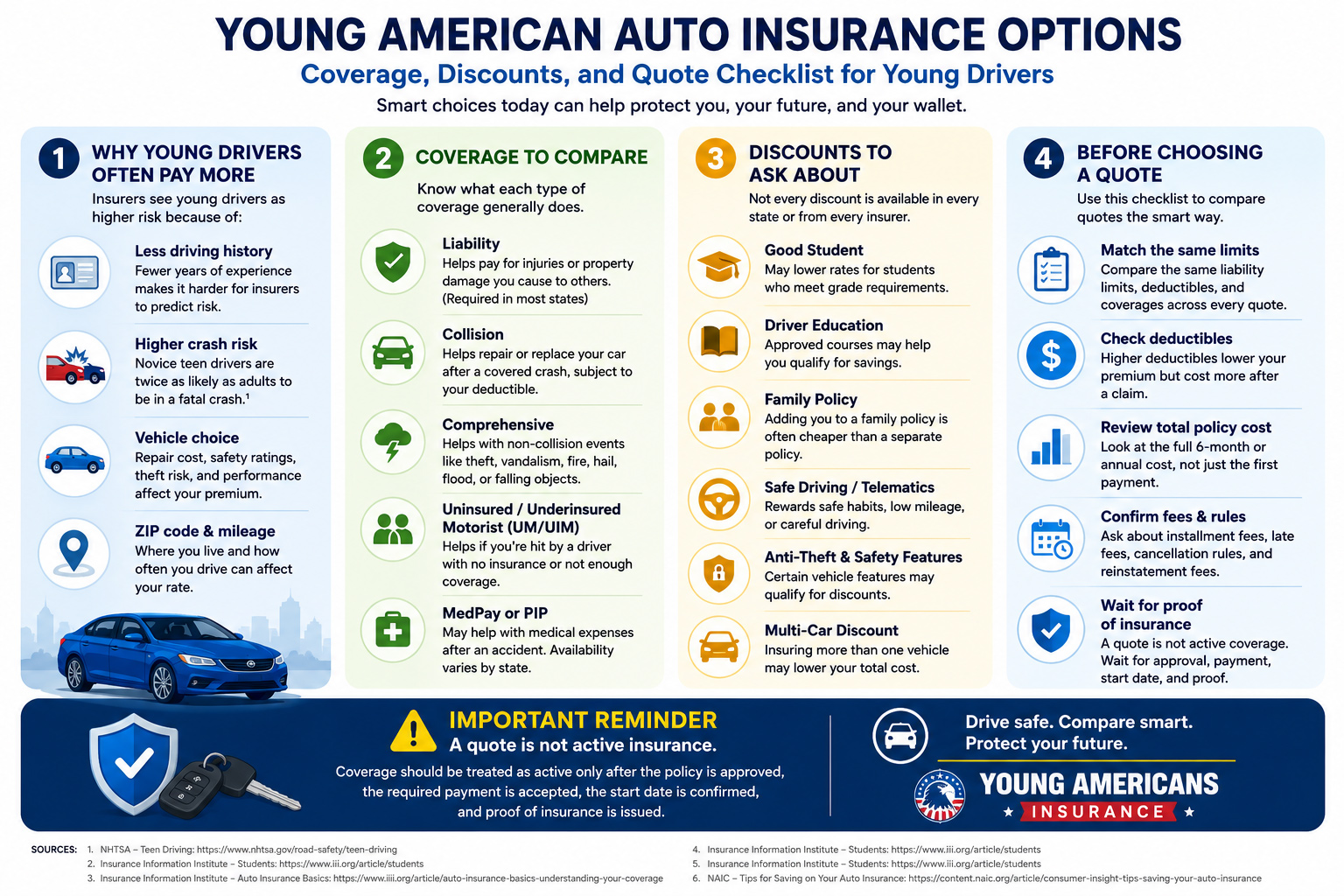
When evaluating whether you are paying too much, it is essential to compare your current policy against potential alternatives. Not all coverage is created equal, and shifting priorities can often yield savings without compromising necessary protection.
| Coverage Type | Purpose | Cost Impact | Recommendation |
|---|---|---|---|
| Liability Only | Covers damage to others | Low | High risk; avoid unless the car is of little value |
| Full Coverage | Liability + Comp/Collision | High | Recommended for newer or financed vehicles |
| Higher Deductible | Out-of-pocket at time of loss | Lowers premium | Best for those with an emergency savings fund |
| Bundling | Combining Auto with Home/Renters | Significant Discount | Often provides the best overall value |
Practical Steps to Lower Your Arizona Auto Insurance Costs
If you determine that your premiums are unsustainable, you do not have to accept them as a fixed expense. Proactive management of your policy can lead to immediate and long-term savings.
Conduct an Annual Policy Audit
Insurance needs change as your life changes. If you have paid off your vehicle, you might consider dropping collision coverage if the car’s market value is low. If you have moved to a safer neighborhood, ensure your zip code is updated, as location is a primary factor in risk calculation.
Leverage Telematics Programs
Many major insurers now offer usage-based insurance (UBI) programs. These involve installing a device in your vehicle or using a smartphone app to monitor your driving habits—specifically hard braking, acceleration, and time of day. Safe drivers can often earn discounts of 10% to 30% by demonstrating responsible behavior behind the wheel.
Review Your Deductibles
Raising your deductible—the amount you pay out-of-pocket before insurance kicks in—is one of the fastest ways to lower your monthly premium. If you have a solid emergency fund, moving from a $500 deductible to a $1,000 or $1,500 deductible can significantly reduce your policy cost. Only choose this path if you are certain you can cover the deductible amount in the event of an accident.
Shop the Market
Loyalty to an insurance company rarely pays dividends. It is advisable to shop for quotes every two to three years. Insurance carriers change their underwriting guidelines frequently to capture or shed certain types of risk; a company that was expensive two years ago might be competitive today. Always obtain quotes from at least three different providers to ensure you are receiving a fair market rate.
Frequently Asked Questions
Is it mandatory to carry the state-required minimum in Arizona? Yes. Arizona law requires all drivers to maintain minimum liability coverage, which consists of $25,000 for bodily injury per person, $50,000 for bodily injury per accident, and $15,000 for property damage. Failure to maintain this insurance can result in the suspension of your vehicle registration.
How does my credit score affect my auto insurance rate? In Arizona, insurers use a credit-based insurance score to predict the likelihood of a claim. While it is not the only factor, a lower score is often correlated with higher premiums. You can improve this over time by maintaining a consistent history of on-time bill payments and managing credit utilization.
Are there discounts specifically for Arizona residents? Most national insurers offer standard discounts, such as multi-car discounts, safe driver discounts, and loyalty discounts. Some may offer specific breaks for defensive driving courses, which are widely available through authorized driving schools across the state.
Will my rate go up after one accident? Typically, yes. Most insurers will apply an "accident surcharge" to your policy upon renewal. However, many companies offer "accident forgiveness" as an optional endorsement. If you have this on your policy, your rates may not increase after your first at-fault accident.
What is the best way to get an accurate quote? To get the most accurate quote, have your current declaration page available. This ensures that the agent or the online tool is comparing "apples to apples" regarding your current coverage limits, deductibles, and existing endorsements.
Final Recommendation
To address the concern of high costs, start by validating your current coverage against your actual financial needs. If you are over-insured for the value of your vehicle, adjust your deductibles or coverage limits. Simultaneously, solicit quotes from at least three reputable carriers to ensure your rate remains competitive within the Arizona market. Finally, explore telematics programs if you are a low-risk driver, as these offer the most direct path to reducing premiums based on your personal performance rather than generic regional statistics.
Image Gallery