Top 24 Life Insurance Companies by Premium: A Market Overview
Selecting a life insurance provider involves analyzing financial strength, policy variety, and market presence. In the United States, the life insurance industry is measured primarily by direct written premiums—the total amount of mone...
Selecting a life insurance provider involves analyzing financial strength, policy variety, and market presence. In the United States, the life insurance industry is measured primarily by direct written premiums—the total amount of money collected by insurance companies for policies in force. As of the most recent annual reporting cycle, these top-tier firms hold the largest market shares, reflecting their capacity to underwrite risks and provide long-term financial security for policyholders.
Contents
The life insurance market in 2026 remains highly concentrated among a few dozen major carriers that dominate the landscape through diverse product offerings, including term, whole, universal, and variable life insurance. For consumers, identifying these companies is the first step in assessing where to obtain quotes, as market leaders often provide competitive underwriting standards, sophisticated digital policy management platforms, and a higher degree of stability for long-term death benefit payouts.
Understanding Market Share by Direct Written Premiums
When analysts rank the "top" life insurance companies, they almost exclusively rely on data from the National Association of Insurance Commissioners (NAIC). Direct written premiums serve as the industry standard metric for size because they represent the actual volume of business a company is underwriting. Unlike total assets or revenue, premiums directly correlate to the number of policyholders an insurer serves and the active risk they manage.
High premium volume typically indicates that a company has a robust sales distribution network, likely encompassing captive agents, independent brokers, and increasingly, direct-to-consumer digital channels. While market size does not automatically guarantee that a specific company offers the cheapest rates or the best customer service for your unique health profile, it does confirm the entity's systemic importance and its ability to pay out claims over extended periods, which is critical for permanent life insurance products.
The Top 24 Life Insurance Carriers
The following table summarizes the key players in the U.S. life insurance market based on historical and current market dominance in direct premiums. These organizations represent the "major" carriers that consistently maintain high financial strength ratings from agencies such as AM Best, Moody’s, and S&P.
| Rank | Company Name | Primary Market Focus |
|---|---|---|
| 1 | Northwestern Mutual | Individual Permanent / Whole Life |
| 2 | MetLife | Group / Corporate Benefits |
| 3 | New York Life | Mutual Company / Whole Life |
| 4 | Lincoln Financial Group | Variable / Universal Life |
| 5 | Prudential Financial | Term / Universal Life |
| 6 | MassMutual | Whole Life / Retirement Income |
| 7 | Equitable Financial | Variable Life / Annuities |
| 8 | Pacific Life | Universal Life / Index Products |
| 9 | Transamerica | Term / Simplified Issue |
| 10 | John Hancock | Term / Universal Life |
| 11 | Guardian Life | Whole Life / Disability |
| 12 | Principal Financial | Group / Term Life |
| 13 | AIG (Corebridge Financial) | Term / Universal Life |
| 14 | Banner Life (Legal & General) | Term Life Specialists |
| 15 | Global Atlantic | Annuities / Life Hybrid |
| 16 | Thrivent Financial | Fraternal Society / Whole Life |
| 17 | Symetra | Universal Life / Term |
| 18 | Nationwide | Diversified Insurance |
| 19 | Protective Life | Term / Universal Life |
| 20 | American Family Life (Aflac) | Supplemental / Life |
| 21 | Mutual of Omaha | Term / Whole Life |
| 22 | Primerica | Term Life Focus |
| 23 | Securian Financial | Universal / Term |
| 24 | Fidelity & Guaranty Life | Fixed Indexed Life |
Note: Rankings are based on industry-standard premium reporting aggregates. Market positions may shift slightly due to internal business unit restructuring or large-scale block acquisitions.
Evaluating Financial Strength and Stability
When choosing among these top companies, market share by premium should be weighed alongside financial ratings. Because life insurance is a contract that may last for 30 to 50 years, the company must be able to meet its financial obligations in the distant future.
AM Best Ratings
AM Best provides an "A++" to "D" scale. For life insurance, consumers generally seek carriers with an "A-" (Excellent) or higher rating. These ratings reflect an insurer's ability to pay claims, debt obligations, and operate under adverse economic conditions.
Policyholder Surplus
This represents the excess of assets over liabilities. A larger surplus acts as a "cushion" during economic downturns. Mutual companies, such as Northwestern Mutual, New York Life, and MassMutual, often emphasize their policyholder surplus as a key differentiator, as they are owned by policyholders rather than public shareholders.
The Role of Product Specialization
Not every top 24 carrier is suitable for every buyer. The industry is divided into distinct specializations:
- The "Big Three" Mutuals: Northwestern Mutual, New York Life, and MassMutual focus heavily on permanent, whole-life insurance with dividend-paying potential. These are often chosen for estate planning and wealth transfer purposes.
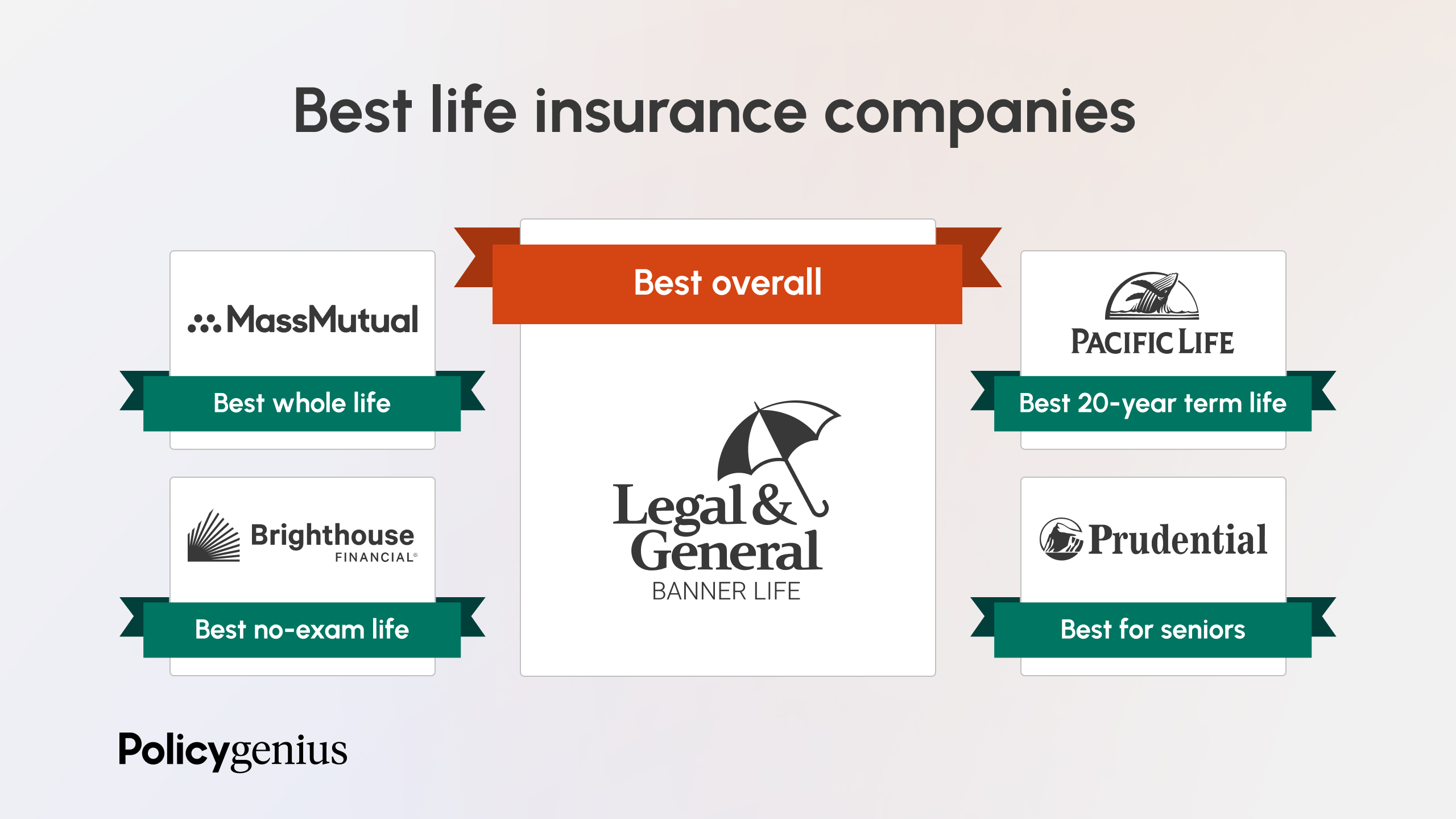
- The Term Specialists: Carriers like Banner Life (Legal & General) often lead in the term insurance space. They provide highly competitive pricing for 10-, 20-, and 30-year term policies, which are ideal for families looking for high coverage at a low cost during peak financial years.
- The Variable and Universal Experts: Lincoln Financial and Equitable excel in variable and universal life products that offer investment components. These policies are more complex and carry market risk, making them suitable for those who prioritize cash value growth alongside a death benefit.
- Group Carriers: Companies like MetLife and Principal dominate the workplace insurance market. If you are obtaining life insurance through your employer, there is a high probability your coverage is underwritten by one of these major entities.
Practical Steps to Select Your Provider
- Define Your Coverage Goal: Determine if you need temporary income protection (Term) or permanent protection for estate planning (Whole/Universal).
- Request Quotes from Multiple Tiers: Compare quotes from at least three of the top carriers. Pricing can vary by hundreds of dollars annually based on the insurer's specific actuarial tables.
- Check Medical Underwriting Preferences: Some carriers are more "liberal" toward specific health conditions (e.g., controlled diabetes or high blood pressure). An independent broker can identify which of the top 24 carriers is most likely to offer you the best rate based on your medical history.
- Verify Licensing: Ensure the company is licensed to issue policies in your specific state of residence.
Frequently Asked Questions
Why does premium volume matter when picking a life insurance company?
Premium volume acts as a proxy for market scale. Larger companies generally have more diverse risk pools, which can help stabilize their pricing models. Furthermore, the sheer volume of claims processed by these companies means they often have highly refined, efficient claims-handling departments.
Is the largest company always the best choice?
Not necessarily. While the largest companies offer significant stability, a smaller regional or specialized carrier might offer better rates for your specific demographic or health condition. Always balance financial ratings with the specific policy quote you receive.
Does the year 2026 affect my life insurance rates?
Yes. Insurance rates are heavily influenced by the interest rate environment and mortality expectations. In 2026, many carriers have adjusted their pricing to account for updated mortality data and the current cost of capital. Premiums are generally fixed once you lock in a policy, meaning the age and health status you have when you apply are more impactful than the year of purchase.
Can I buy insurance directly from these top companies?
Many of the top 24 companies have shifted toward hybrid models. While you can visit their websites for basic information or to contact an agent, most complex life insurance products require the assistance of a licensed financial representative to ensure the policy design aligns with your financial needs.
What happens if my insurance company is acquired?
It is relatively common for large insurance companies to acquire blocks of business from others. If your carrier is bought by another major entity, your policy's original terms, premiums, and benefits remain legally binding. The new owner is required to honor the contract in full, providing a level of continuity even through corporate transitions.
Recommendation for Next Actions
To move forward, start by identifying your specific insurance need—whether it is income replacement, debt coverage, or permanent estate protection. Once identified, consult a licensed independent insurance broker who has access to multiple carriers from the top 24 list. Ask them to run a comparative illustration that highlights premiums, cash value projections (if applicable), and financial strength ratings. Focusing on companies with at least an "A" rating from major credit agencies ensures you are balancing competitive cost with long-term reliability.
Image Gallery