How to Understand Life Insurance Quotes in Canfield: A Comprehensive Guide
Understanding life insurance quotes in Canfield, Ohio, requires balancing local regulatory knowledge, personal financial goals, and the specific underwriting criteria used by insurers in the Mahoning County region. By analyzing the bre...
Understanding life insurance quotes in Canfield, Ohio, requires balancing local regulatory knowledge, personal financial goals, and the specific underwriting criteria used by insurers in the Mahoning County region. By analyzing the breakdown of premium costs, policy types, and coverage limits, residents can translate complex insurance jargon into a clear, actionable plan for long-term financial security.
Contents
The Anatomy of a Life Insurance Quote
When you request a quote for life insurance in Canfield, you are essentially asking an insurance carrier to estimate the cost of transferring your financial risk to them. A quote is not a final contract; it is a preliminary offer based on the information you provide at that moment.
To understand these numbers, you must recognize the primary components that drive the quote:
- Death Benefit: This is the face value of the policy—the amount your beneficiaries will receive upon your passing.
- Premium: The payment you make, usually monthly or annually, to keep the policy active.
- Term vs. Permanent Structure: A quote will specify if the policy is "Term" (coverage for a set number of years, such as 10, 20, or 30) or "Permanent" (coverage for your entire life, often including a cash-value component).
- Underwriting Class: This is the most significant variable. Quotes are often presented based on an assumed risk profile (e.g., "Preferred Plus" or "Standard"). If the insurer’s medical review reveals health issues not accounted for during the quoting phase, your final premium may increase significantly.
Navigating Ohio Insurance Regulations
Residents of Canfield are protected by regulations overseen by the Ohio Department of Insurance. When evaluating quotes, it is important to confirm that the insurance carrier is licensed to conduct business within the state. You can verify a company’s status through the Ohio Department of Insurance website.
Furthermore, Ohio law provides a "free-look period." This is a mandatory timeframe, usually 10 to 30 days after you receive your policy, during which you can review the document in detail and cancel for a full refund of your premiums if the policy does not match the expectations set by your initial quote. Understanding this protection is vital, as it allows you to scrutinize the fine print of the legal contract before becoming fully committed.
Comparing Term and Permanent Insurance Quotes
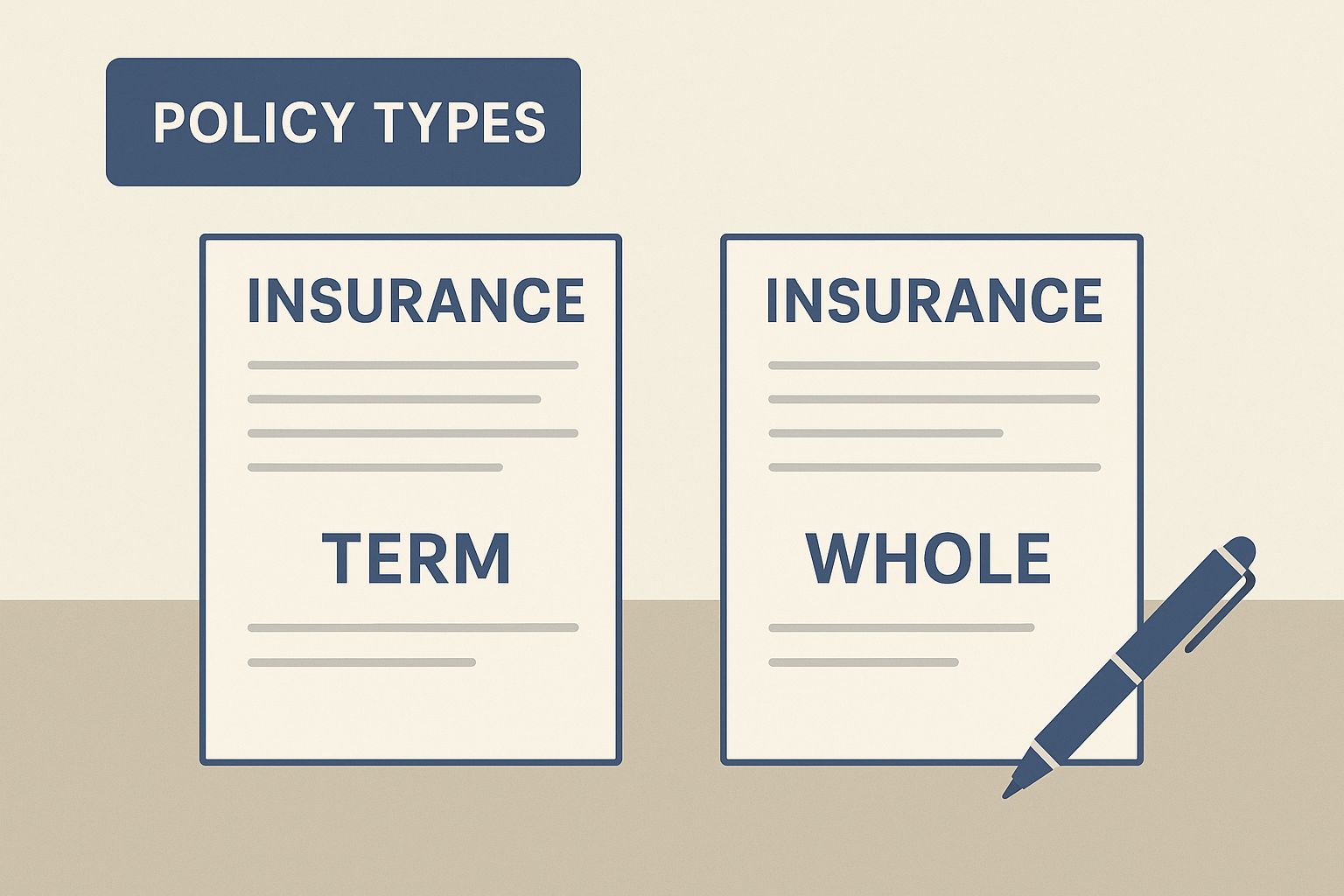
One of the most common points of confusion for individuals in Canfield is distinguishing between the affordability of term life insurance and the complexity of permanent life insurance. The table below illustrates the core differences you will encounter when reviewing quotes for these two categories.
| Feature | Term Life Insurance | Permanent Life Insurance |
|---|---|---|
| Duration | Fixed period (e.g., 20 years) | Lifetime coverage |
| Cost | Generally lower upfront | Significantly higher premiums |
| Cash Value | None | Potential for tax-deferred growth |
| Purpose | Income replacement for families | Estate planning and legacy |
| Complexity | Straightforward | Often involves investment-linked variables |
Critical Factors Influencing Your Quote in Canfield
Insurers use actuarial data to determine your risk of mortality. Even within a specific zip code like 44406, individual factors take precedence. When you receive a quote, verify how these factors were weighted:
- Age and Gender: Younger applicants generally receive lower quotes. Gender also plays a role, as statistical life expectancy data often results in different premium tiers for men and women.
- Medical History: Carriers will review your health records. Chronic conditions, family history, and even height-to-weight ratios are converted into "debit" or "credit" points that shift you from a "Preferred" rate to a "Substandard" (rated) rate.
- Occupation and Lifestyle: If your work or hobbies involve high-risk activities—such as certain types of heavy machinery operation or extreme sports—the insurer may add a "flat extra" premium to your quote.
- Tobacco and Nicotine Use: In Ohio, life insurance quotes differentiate sharply between smokers and non-smokers. If you are currently a smoker, expect a significantly higher premium. Some policies may allow for a rate reduction if you quit for a specified period and provide medical verification.
How to Verify and Troubleshoot Quotes
If you receive a quote that seems unusually high, it may be due to a misunderstanding of your risk profile by the automated system. Before accepting a quote, consider these verification steps:
- Review for Errors: Did you accurately report your medical history, including prescription medications? A single oversight regarding a daily medication can lead to an automated "Standard" rating rather than "Preferred."
- Request an Explanation of Rating: If the insurer quotes you a rate higher than expected, ask for a written explanation. They are required to disclose why you have been placed in a specific risk category.
- Compare Apples to Apples: When gathering quotes from multiple providers, ensure the death benefit and term length are identical. Comparing a $500,000 20-year term policy to a $250,000 permanent policy will provide misleading data.
Frequently Asked Questions
Does living in Canfield affect my life insurance rates? Generally, no. Life insurance rates are determined more by individual health and lifestyle factors than by your specific city. While insurers consider regional state regulations, your premiums are primarily tied to your personal actuarial profile.
Can I change my life insurance policy after I purchase it? It depends on the policy type. Term policies are generally rigid, whereas permanent policies may allow for adjustments to the death benefit or premium payment schedules. Always consult the policy’s "provisions" section before signing.
What happens if I stop paying my premiums? In most cases, your coverage will lapse. For term policies, this means you lose all benefits immediately. For permanent policies with cash value, the insurer might use that accumulated value to cover the premium for a short time, but this will eventually drain the policy if payments are not resumed.
Are life insurance benefits taxable? Generally, the death benefit received by your beneficiaries is income-tax-free under current federal law. However, if the policy is held as an asset in a large estate, it may be subject to estate tax rules. Consult a tax professional for guidance on your specific financial situation.
How often should I review my life insurance needs? You should review your coverage every 3 to 5 years, or whenever you experience a major life event—such as marriage, the birth of a child, the purchase of a home in Canfield, or a significant change in your career.
Next Steps for Canfield Residents
The most effective way to finalize your understanding of life insurance quotes is to prepare a "needs assessment" before engaging with agents or online platforms. Calculate your total financial obligations, including mortgage balances, children’s education expenses, and outstanding debts. With this number in mind, treat the life insurance quote as a tool to cover that gap.
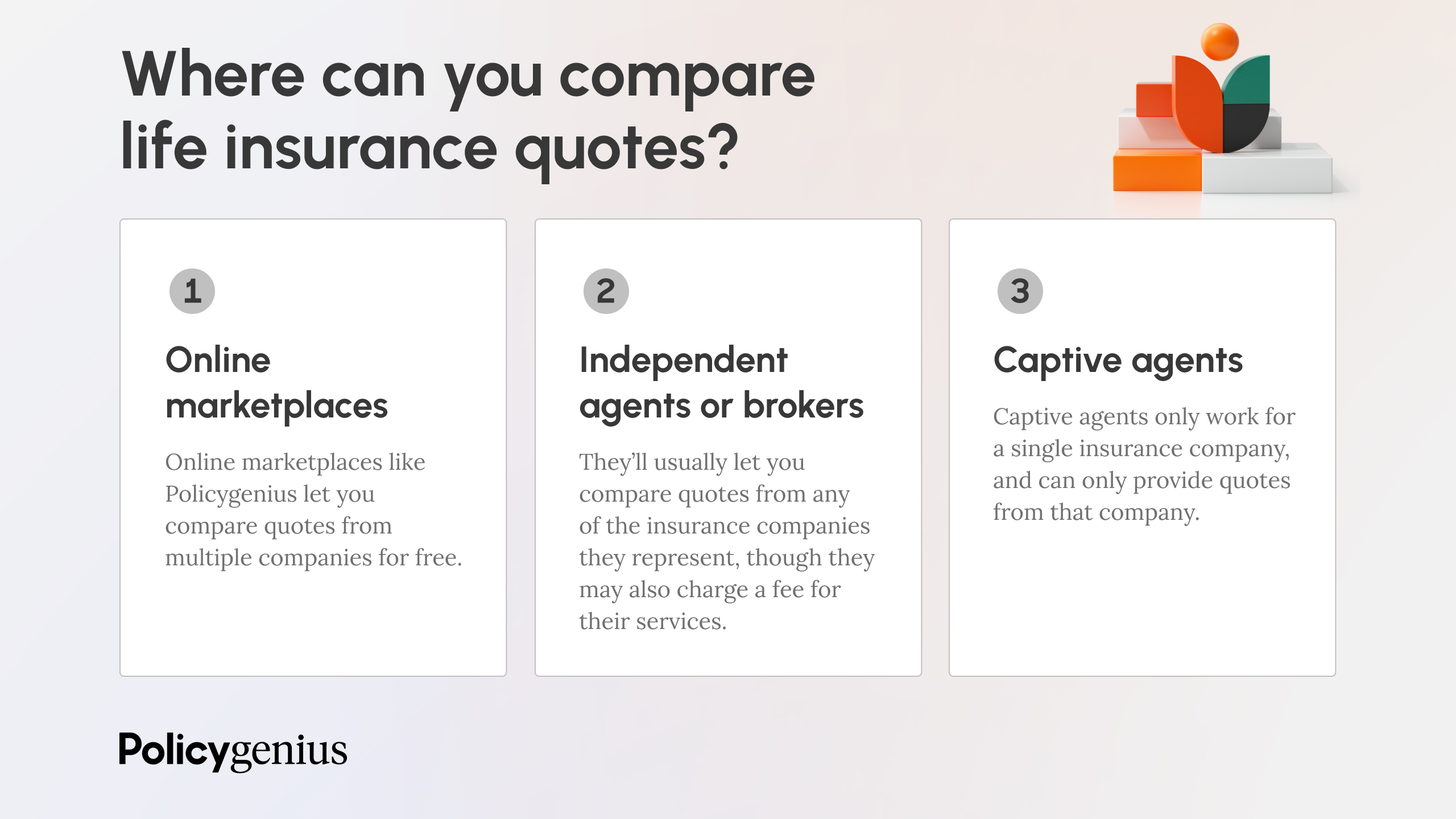
If you are unsure about the legitimacy or the fine print of a quote, consider meeting with a local, independent insurance broker. An independent agent is not tied to a single carrier and can provide a broader range of options, helping you interpret the quotes side-by-side to ensure the coverage you purchase is both sufficient and affordable for your household’s unique needs.
Image Gallery