The Purpose of Credit: A Practical Overview
Credit functions primarily as a financial mechanism that allows individuals and businesses to access capital, goods, or services immediately while deferring payment to a future date, backed by trust and an assessment of creditworthines...
Credit functions primarily as a financial mechanism that allows individuals and businesses to access capital, goods, or services immediately while deferring payment to a future date, backed by trust and an assessment of creditworthiness. Understanding its purpose requires looking beyond simple debt to see how it shapes modern economic mobility, asset accumulation, and risk management.
Contents
Defining Credit and Its Core Economic Function
At its most fundamental level, credit is a contractual agreement in which a borrower receives something of value—typically money, services, or physical assets—and agrees to repay the lender at a later date, usually with interest. Unlike barter systems or pure cash transactions, credit decouples the timing of a purchase from the availability of liquid funds. This mechanism acts as the lifeblood of modern market economies, facilitating transactions that would otherwise be impossible due to temporary cash flow constraints.
The economic function of credit extends far beyond consumer convenience. On a macro level, credit expands the money supply and stimulates economic growth by enabling large-scale investments in infrastructure, corporate expansion, and housing. When banks and financial institutions extend credit, they allocate capital from entities with a surplus of savings to those with productive uses for that capital. On a micro level, credit provides individuals with a bridge between current income and lifetime earning potential, enabling them to invest in human capital through education, secure housing, and acquire durable goods that enhance their standard of living.
Furthermore, credit serves as a metric of economic trust. Lenders do not extend credit blindly; they evaluate a borrower's credit history, income stability, and existing debt obligations to determine the risk of default. This evaluation process creates a structured environment where financial reliability is quantified, rewarded, and utilized to reduce transaction costs across the financial system.
The Primary Purposes of Credit for Individuals
For the average consumer, credit serves several distinct and practical purposes that influence nearly every stage of the financial lifecycle. Rather than existing merely as a tool for impulse buying, credit is strategically deployed to manage cash flow, build long-term wealth, and navigate unexpected financial emergencies.
Financing Major Life Assets
The most significant practical application of credit for individuals involves financing high-cost assets that cannot reasonably be purchased with accumulated cash savings alone.
- Real Estate: Mortgages allow individuals to purchase residential properties, turning what would otherwise be decades of rental payments into equity accumulation and wealth preservation.
- Higher Education: Student loans provide upfront capital for professional training and university degrees, which historically correlate with higher lifetime earning potential.
- Transportation: Auto loans enable consumers to secure reliable transportation necessary for employment and daily mobility.
Cash Flow Management and Convenience
Beyond large capital investments, credit instruments such as credit cards and lines of credit provide essential day-to-day utility. They smooth out income and expense mismatches, allowing households to purchase groceries, pay utility bills, and manage recurring expenses even if a paycheck is delayed. Additionally, credit cards offer robust consumer protections, fraud liability limits, and rewards programs that cash transactions cannot replicate, provided balances are paid in full each month to avoid interest charges.
Safety Nets and Emergency Liquidity
An established line of credit acts as a financial buffer against unexpected shocks, such as medical emergencies, urgent home repairs, or sudden job loss. While emergency savings funds remain the ideal first line of defense, accessible credit lines prevent individuals from having to liquidate long-term investments prematurely or turn to predatory, high-interest lenders during a crisis.
How Credit Scoring and Creditworthiness Work
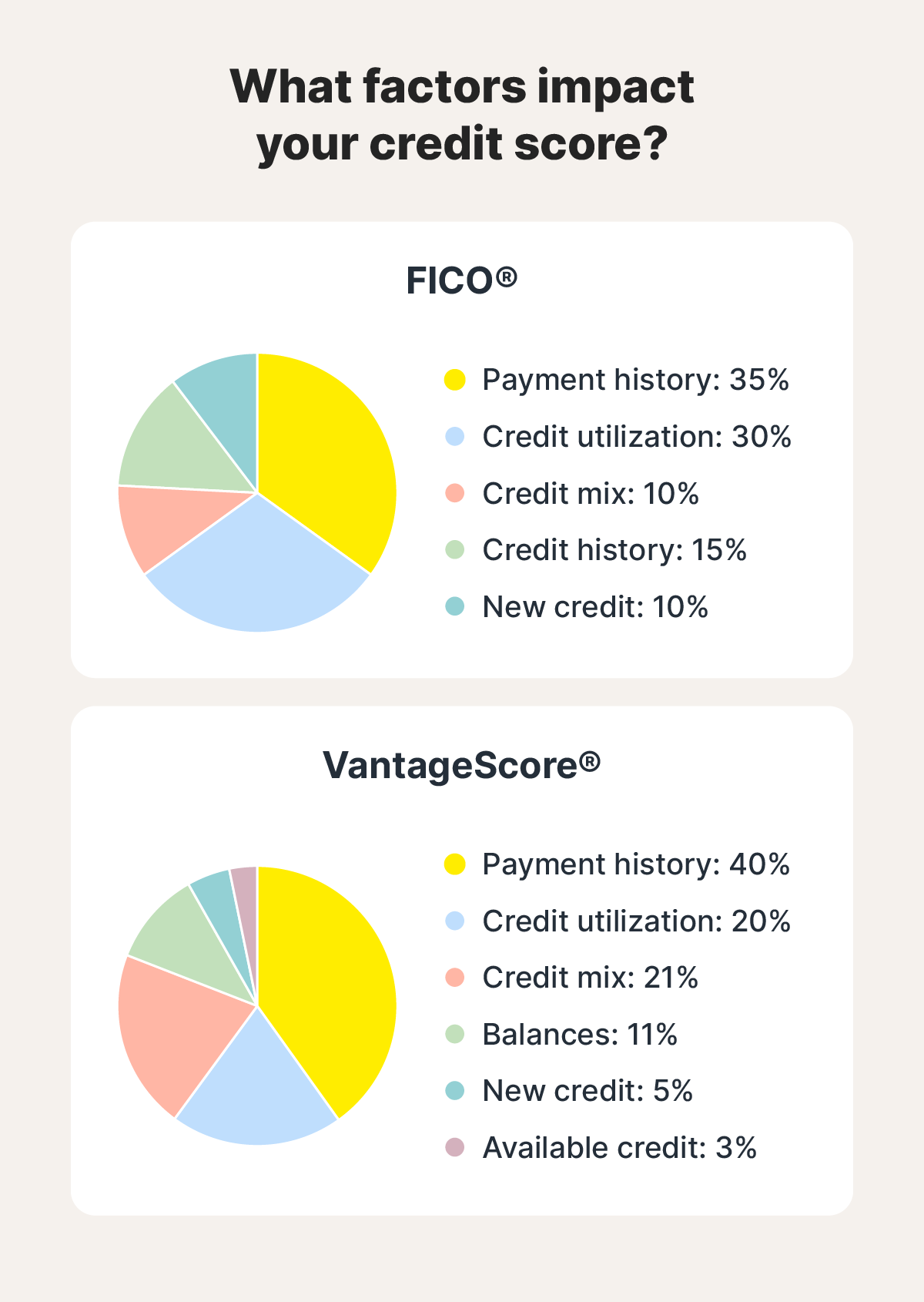
To fulfill its purpose effectively, the credit market relies on standardized systems to evaluate risk. Credit scoring models, such as those maintained by FICO or VantageScore, synthesize a consumer's credit history into a numerical value that lenders use to predict the likelihood of default.
- Consumer Financial Activity
- Credit Bureaus (Equifax, Experian, TransUnion)
- Scoring Models (FICO / VantageScore)
- Lender Decision & Pricing (Interest Rates / Approval)
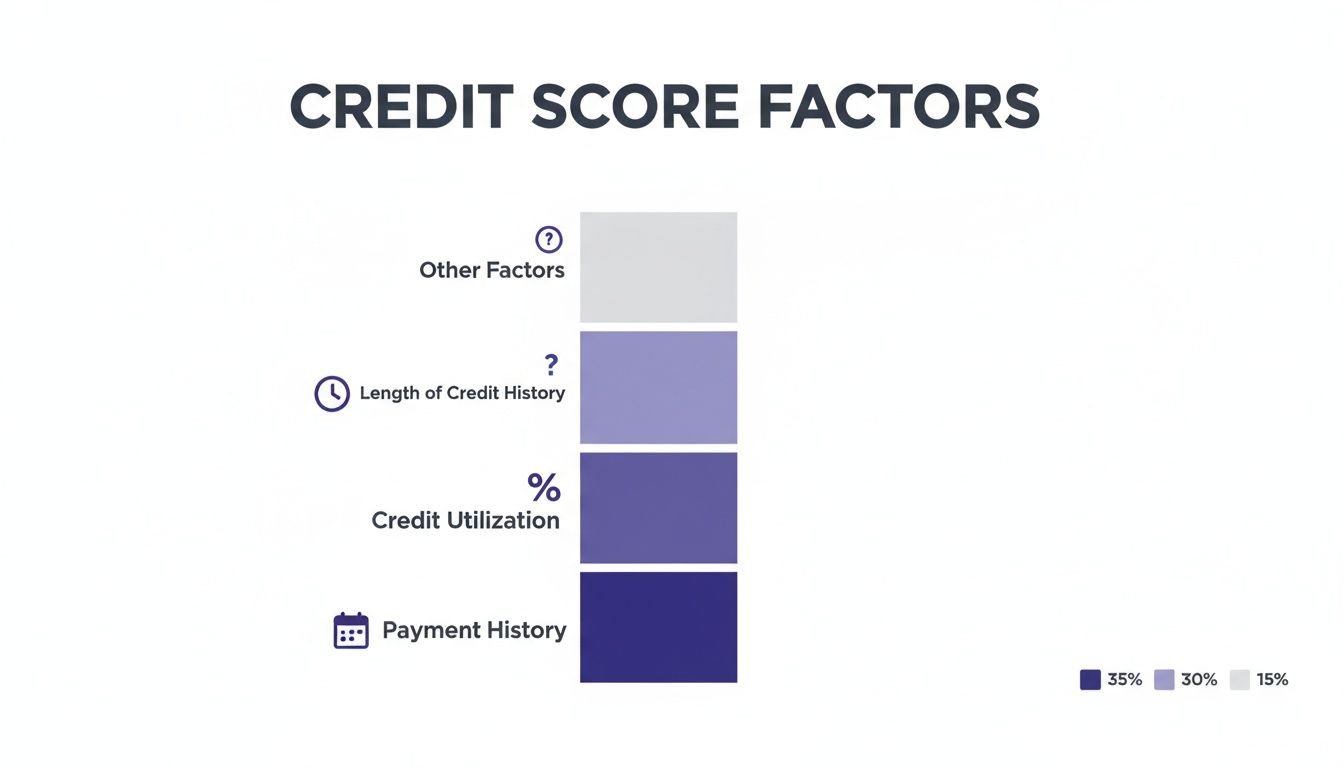
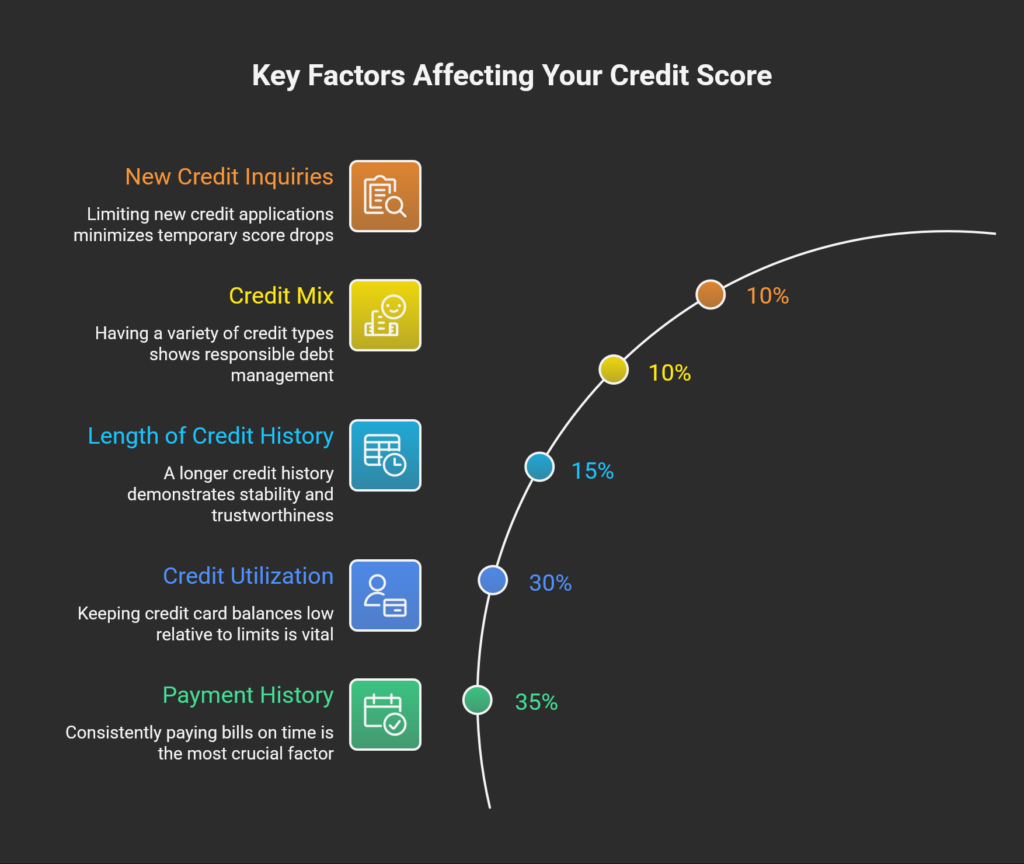
A strong credit score is built upon several foundational pillars:
- Payment History: The record of on-time or delinquent payments across all credit accounts, typically carrying the heaviest weight in scoring algorithms.
- Credit Utilization Ratio: The amount of revolving credit currently being used compared to the total available credit limits, where lower ratios signal prudent financial management.
- Length of Credit History: The average age of open accounts, as well as the age of the oldest account, demonstrating long-term experience with debt management.
- Credit Mix: The variety of credit types an individual manages, such as installment loans, revolving lines, and mortgages.
- New Credit Inquiries: The frequency of hard inquiries generated when applying for new loans or credit cards, which can temporarily lower scores if clustered in a short timeframe.
Maintaining favorable metrics within these categories directly influences an individual's financial leverage. Higher credit scores unlock lower interest rates, higher borrowing limits, and preferential terms, drastically reducing the total cost of borrowing over a lifetime.
Comparing Credit Types: Revolving vs. Installment
Not all credit serves the same purpose. Financial institutions structure credit into distinct categories designed for different borrowing needs, repayment terms, and risk profiles. Understanding the differences between these types helps consumers select the appropriate financial instrument for their specific objectives.
| Feature | Revolving Credit | Installment Credit |
|---|---|---|
| Structure | Open-ended line of credit with a variable limit. | Closed-end loan with a fixed principal amount. |
| Repayment | Flexible monthly payments based on balance owed; can be paid in full or carried over. | Fixed monthly payments over a predetermined amortization schedule. |
| Interest Rate | Typically variable APR; compounds if balances are carried. | Usually fixed APR for the life of the loan. |
| Common Examples | Credit cards, home equity lines of credit (HELOCs). | Mortgages, auto loans, personal loans, student loans. |
| Primary Purpose | Day-to-day spending, cash flow management, short-term liquidity. | Purchasing high-value, durable assets with long life spans. |
Revolving credit requires active management to avoid high-interest debt traps, whereas installment credit enforces a disciplined payoff structure through regular, predictable installments. Both types, when used responsibly, contribute positively to a borrower's credit profile by demonstrating diverse debt management capabilities.
Strategic Advantages and Inherent Risks of Credit
While credit is an indispensable tool for economic participation, it carries dual-edged characteristics. Utilizing credit effectively requires a clear-eyed assessment of both its benefits and its potential hazards.
The Advantages
- Leverage: Allows individuals and businesses to generate returns that exceed the cost of borrowing (e.g., buying a home that appreciates in value or expanding a profitable business).
- Consumer Protection: Modern credit cards often include built-in warranties, purchase protection, and zero-liability fraud policies governed by federal frameworks like the Truth in Lending Act.
- Financial Flexibility: Empowers consumers to seize time-sensitive opportunities or weather unexpected financial downturns without devastating liquidity shocks.
The Risks and Pitfalls
- Cost of Borrowing: Interest charges and fees can dramatically inflate the actual cost of goods and services if balances are not managed correctly.
- Compounding Debt Cycles: Mismanagement of revolving credit can lead to runaway debt balances where minimum payments barely cover mounting interest charges.
- Reputational and Legal Damage: Defaults, foreclosures, and bankruptcies leave severe marks on credit reports, restricting future access to housing, employment opportunities, insurance rates, and affordable financing for years.
Practical Steps to Build and Maintain Healthy Credit
Establishing and preserving a healthy credit profile is a deliberate, ongoing process. Whether starting from scratch or repairing past missteps, specific actions yield sustainable improvements in creditworthiness.
- Monitor Credit Reports Regularly: Review reports from major bureaus—Equifax, Experian, and TransUnion—at least annually to identify and dispute reporting errors or signs of identity theft. Under federal law, consumers can access free weekly reports through official channels like AnnualCreditReport.com.
- Automate Payments: Set up automatic minimum payments or full-balance drafts to ensure payments are never late, eliminating the risk of accidental delinquencies that severely harm credit scores.
- Keep Utilization Low: Aim to keep revolving credit utilization below 30% of total available limits, and ideally below 10% for optimal scoring performance.
- Be Selective with New Inquiries: Avoid applying for numerous credit cards or loans simultaneously, as multiple hard inquiries signal financial distress to lenders.
- Maintain Long-Standing Accounts: Keep older accounts open, even if they are rarely used, to preserve the average age of credit history and overall available credit limits.
Navigating the credit landscape requires balancing access with discipline. By treating credit as a calculated financial instrument rather than free money, consumers can leverage its purpose to build stability, acquire assets, and achieve long-term financial security.
Frequently Asked Questions
What is the primary purpose of a credit score?
A credit score provides lenders with a standardized, numerical prediction of a borrower's credit risk. It allows financial institutions to quickly assess the likelihood that a borrower will repay a loan on time, which in turn determines loan approval odds and sets the applicable interest rate.
How does credit differ from debt?
Credit is the institutional arrangement or borrowing capacity granted by a lender, whereas debt is the actual financial obligation or money owed resulting from utilizing that credit. Credit represents the potential to borrow, while debt represents the realized liability.
Can having no credit be as harmful as having bad credit?
Yes. Having an invisible or "thin" credit file means lenders have no historical data to evaluate risk. Consequently, individuals with no credit history often face loan denials, higher security deposits for utilities and rentals, or steep interest rates when attempting to secure financing.
How long do negative marks stay on a credit report?
Most negative marks, including late payments, collection accounts, and settled debts, remain on a credit report for up to seven years under regulatory guidelines such as the Fair Credit Reporting Act. Chapter 7 bankruptcy filings can remain on a report for up to ten years.
Does checking your own credit score lower it?
No. Checking your own credit score or pulling your own credit report generates a "soft inquiry," which has zero impact on your credit score. Only "hard inquiries," which occur when a lender reviews your credit report in response to a formal application for credit, can temporarily affect your score.
Image Gallery