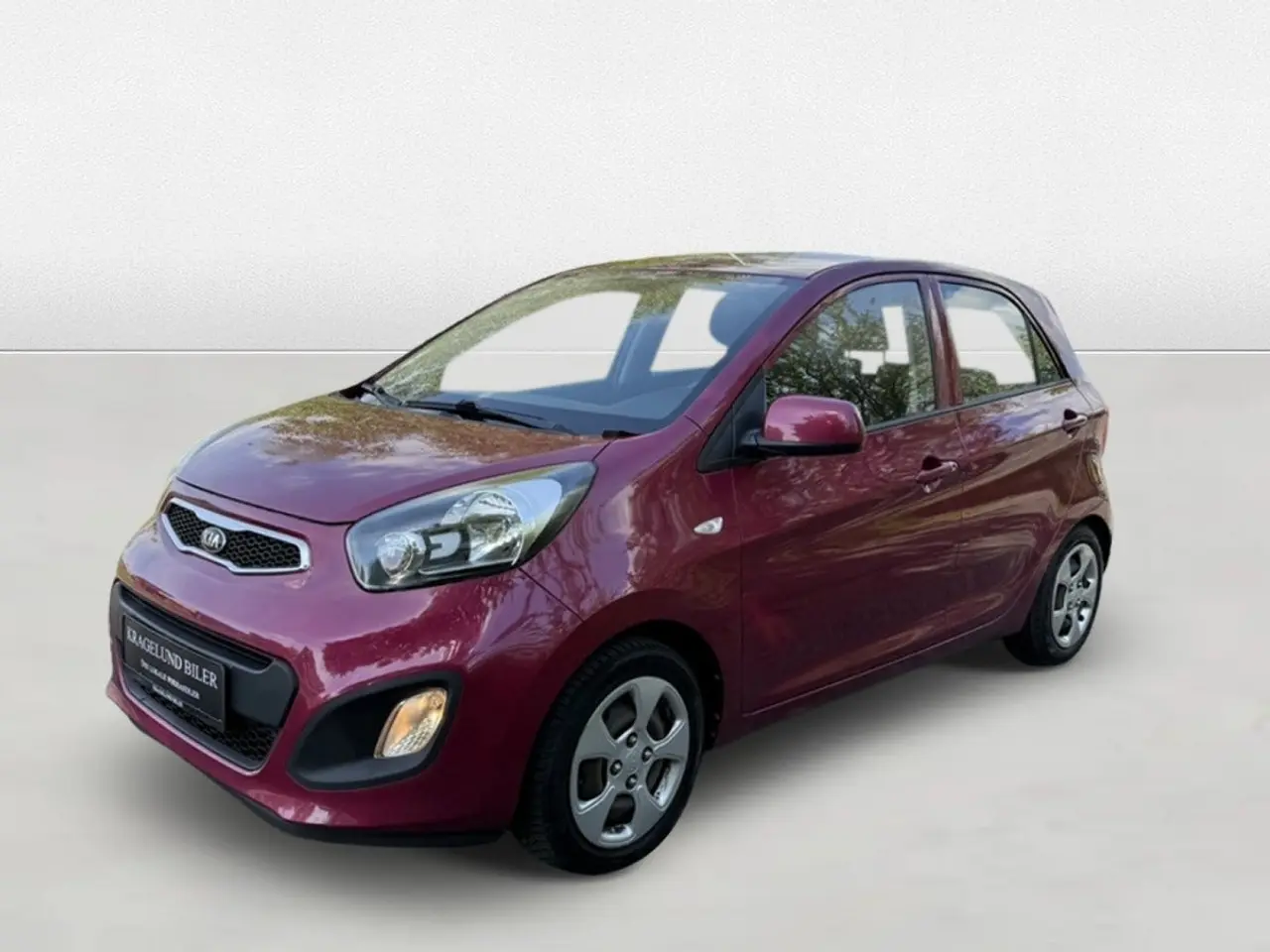
How the Active Eco Kia Soul Works
The Active Eco system in the Kia Soul functions as an integrated powertrain management tool designed to optimize fuel economy by modifying throttle response, transmission shift points, and climate control parameters to encourage smooth...
The Active Eco system in the Kia Soul functions as an integrated powertrain management tool designed to optimize fuel economy by modifying throttle response, transmission shift points, and climate control parameters to encourage smoother, more efficient driving habits.
Contents
Modern compact urban vehicles face the constant challenge of balancing everyday drivability with stringent efficiency expectations. Among the technological interventions developed by manufacturers to meet these demands, driver-selectable efficiency modes have become a staple. In the context of the Kia Soul—a boxy, versatile front-wheel-drive hatchback—maximizing efficiency often requires managing aerodynamic drag and powertrain loads. The "Active Eco" system represents Kia's approach to smoothing out driver inputs and reducing parasitic engine loads without requiring specialized hybrid or electric hardware on internal combustion models.
Understanding how this technology functions requires looking beneath the sheet metal to examine the mechanical, electrical, and software interactions that take place when a driver presses the Eco button. This review breaks down the operational mechanics, system components, real-world impacts, and management strategies associated with the Active Eco system in the Kia Soul.
Core Mechanics: What Happens When Active Eco Is Engaged
When a driver activates the Active Eco mode via the dashboard button, the vehicle's electronic control unit (ECU) shifts its operational philosophy from performance-oriented responsiveness to resource conservation. The fundamental goal is to dampen sudden changes in fuel delivery and engine load, which are primary contributors to poor fuel economy in stop-and-go driving environments.
The system does not alter the physical engine displacement or mechanical compression ratio; rather, it remaps software parameters across multiple vehicle subsystems. By altering how the powertrain interprets throttle pedal input, the system prevents aggressive acceleration spikes that waste fuel. Even if the driver presses the accelerator pedal down quickly, the ECU limits the opening rate of the electronic throttle body, smoothing out the torque curve and forcing a more gradual acceleration profile.
Furthermore, on models equipped with automatic transmissions, the Active Eco system alters shift mapping. The transmission is programmed to upshift earlier in the rev range to keep engine speeds lower, and it delays downshifts to prevent unnecessary high-rpm operation. This keeps the engine operating within its most thermally and mechanically efficient band, reducing internal friction and pumping losses.
Key Subsystems Controlled by Active Eco
The Active Eco system is not limited to engine fueling; it acts as a centralized coordinator for several auxiliary vehicle systems that draw power from the drivetrain.
1. Electronic Throttle Control (ETC)
The primary interface between the driver and the engine is the drive-by-wire throttle. In standard driving modes, a direct correlation exists between pedal position and throttle plate opening. When Active Eco is engaged, the ECU introduces an intentional translation curve. Initial pedal travel yields a much smaller throttle opening, requiring a deeper press to achieve the same acceleration as in normal mode. This dampening effect eliminates accidental surges caused by uneven foot pressure on rough roads.
2. Transmission Shift Mapping
Automatic and Dual-Clutch Transmissions (DCT) managed by Active Eco undergo a complete schedule revision. The transmission control unit (TCU) prioritizes higher gears at lower vehicle speeds. When climbing mild inclines or accelerating from a stop, the transmission resists dropping down a gear, relying instead on the engine's low-end torque. This reduces mechanical wear on gearsets and minimizes fuel consumption associated with high-rev acceleration phases.
3. Climate Control System Management
Cabin heating and cooling place a significant parasitic load on the engine via the air conditioning compressor and alternator. When Active Eco is active, the HVAC system enters a power-saving mode. It reduces the blower fan intensity gradient, limits compressor duty cycles, and optimizes fresh air recirculation. This reduces the mechanical drag exerted on the accessory drive belt by the A/C compressor, freeing up engine output specifically for vehicle propulsion.
| System Subcomponent | Normal Mode Operation | Active Eco Mode Operation | Primary Efficiency Benefit |
|---|---|---|---|
| Throttle Response | Linear, direct correlation to pedal travel | Dampened, progressive curve | Eliminates fuel-wasting acceleration spikes |
| Transmission Shifts | Optimized for balanced performance and responsiveness | Upshifts earlier, delays downshifts | Keeps engine operating at lower RPMs |
| Climate Control | Full compressor and blower capacity | Regulated duty cycles and reduced fan intensity | Lowers parasitic load on the accessory drive |
| Torque Delivery | Immediate peak torque availability | Smoothed, gradual torque ramp-up | Reduces fuel consumption during transient loads |
Operational Environment and Driver Interaction
The Active Eco system is designed for active management by the driver based on driving conditions. It features an indicator light on the instrument cluster to confirm engagement. However, the system's effectiveness varies considerably depending on the environment in which the Kia Soul is operated.
In dense urban environments characterized by frequent stops, traffic congestion, and low average speeds, Active Eco delivers its highest utility. By mitigating the tendency to accelerate aggressively away from traffic lights, it smooths out the drive cycle and captures minor efficiency gains over hundreds of stop-and-go cycles.
Conversely, highway driving yields different behavioral characteristics. Once a vehicle reaches cruising speed on a flat highway, the electronic throttle curve and transmission shift points have minimal impact because the throttle is held relatively steady. In these steady-state conditions, the primary contribution of Active Eco comes from reduced accessory loads, such as the climate control optimization.
Drivers frequently note that the vehicle feels less responsive or "sluggish" while Active Eco is engaged. This is an intentional engineering compromise. The reduced throttle sensitivity forces the driver to consciously adapt their driving style, encouraging anticipation of traffic flow rather than reactive driving.
Fuel Economy Impact and Real-World Expectations
While EPA fuel economy ratings for vehicles like the Kia Soul are derived from standardized testing cycles (which may or may not heavily utilize eco modes), real-world efficiency gains depend heavily on individual driving habits.
The Active Eco system does not create energy or fundamentally alter the thermal efficiency of the internal combustion engine. Instead, it acts as a mechanical governor for human behavior and accessory power draw. Drivers who already maintain smooth, progressive acceleration habits—often referred to as practicing "hypermiling" techniques—will see minimal differences in fuel economy whether Active Eco is turned on or off. The vehicle's software is simply replicating what a disciplined driver is already doing with their right foot.
However, for drivers with heavy-footed acceleration habits, Active Eco provides a noticeable buffer. By physically restricting sudden fuel injection spikes during rapid throttle applications, it prevents fuel wastage. Real-world testing across various model years of the Kia Soul generally indicates efficiency improvements ranging from 2% to 5% in mixed driving conditions, provided the driver allows the system to govern acceleration rather than overriding it by constantly flooring the pedal to compensate for the dampened throttle response.
Potential Limitations and Common Driver Frustrations
Despite its utility as a fuel-saving tool, Active Eco has operational limitations that lead some drivers to switch the feature off during specific driving scenarios.
- Reduced Passing Power: Because the throttle response is dampened, executing quick passing maneuvers on two-lane highways requires deeper pedal depression and more forethought. Drivers accustomed to immediate throttle bite may find the initial hesitation counterintuitive when quick acceleration is required for safety.
- Hilly Terrain Performance: When driving up steep inclines or mountainous roads, Active Eco can make the vehicle feel underpowered as it attempts to hold a higher gear to save fuel. This can lead to engine lugging or excessive transmission gear hunting if the ECU struggles to maintain speed without downshifting.
- Climate Control Comfort: In extreme summer heat or freezing winter conditions, the power-saving modifications applied to the HVAC system can result in slower cabin temperature stabilization. Drivers prioritizing immediate climate comfort over marginal fuel savings frequently disable the feature during extreme weather events.
Comparison: Active Eco vs. Standard Driving Modes
To fully appreciate the role of Active Eco, it helps to compare its operating parameters against the standard, unmitigated driving mode found in traditional internal combustion Kia Soul models.
- [Standard Mode]
- Direct Throttle Mapping (Linear response)
- Performance-Biased Shift Points (Holds gears longer for acceleration)
- Unrestricted HVAC Operation (Full compressor and fan output)
- [Active Eco Mode]
- Dampened Throttle Mapping (Progressive, smoothed response)
- Efficiency-Biased Shift Points (Early upshifts, delayed downshifts)
- Regulated HVAC Operation (Optimized duty cycles and fan limits)
The primary differentiator is the removal of the direct correlation between input and output in Active Eco mode. While Standard mode prioritizes driver engagement and immediate throttle reflex, Active Eco interposes electronic logic designed to suppress transient inefficiencies.
Frequently Asked Questions
Does leaving Active Eco on all the time damage the engine?
No. Active Eco does not subject the engine to abnormal mechanical stress, excessive heat, or unverified operating pressures. In fact, by encouraging lower operating revolutions per minute (RPMs) and smoother acceleration profiles, it can theoretically reduce wear on internal engine components and transmission gearsets over time.
Can Active Eco be left permanently engaged?
Yes. The vehicle’s computer system retains the Active Eco status depending on the specific model year configuration, or it can be easily toggled on and off via the dashboard switch. Many drivers leave it engaged indefinitely for daily commuting, turning it off only when towing, driving up steep grades, or requiring rapid acceleration in heavy traffic.
Why does my Kia Soul feel sluggish when Active Eco is turned on?
The sluggish sensation is an intentional design feature. By remapping the electronic throttle control, the system requires a deeper press of the accelerator pedal to achieve the same acceleration rate as Standard mode. This deliberate dampening prevents sudden surges in fuel consumption during erratic or heavy-footed driving inputs.
Does Active Eco affect the steering or braking systems?
No. The Active Eco system focuses exclusively on powertrain management (throttle and transmission) and accessory load regulation (climate control). It does not alter the electronic power steering assist weight, steering ratio, or hydraulic/regenerative braking performance.
How much fuel does Active Eco actually save?
Real-world fuel savings typically range between 2% and 5%, depending heavily on the driver's underlying habits. If a driver constantly overrides the system by pressing past the eco-throttle resistance point, the actual fuel savings will approach zero.
Summary and Practical Next Actions
The Active Eco system in the Kia Soul is a practical, software-driven tool for drivers seeking to minimize fuel consumption during daily commutes and urban driving cycles. By smoothing out throttle inputs, optimizing transmission shift schedules, and reducing parasitic accessory loads, it bridges the gap between driver behavior and mechanical efficiency.
To determine whether Active Eco suits your driving routine, try engaging the system for a full tank of fuel during your standard weekly commute. Monitor your fuel consumption metrics and assess whether the trade-off in initial throttle responsiveness is acceptable for your driving style. If you frequently drive in hilly terrain or require rapid acceleration for highway merging, consider utilizing Active Eco selectively in stop-and-go traffic while disabling it during high-demand driving scenarios.
Image Gallery