Understanding the Zapruder Meaning in Language and Cultural Lexicon
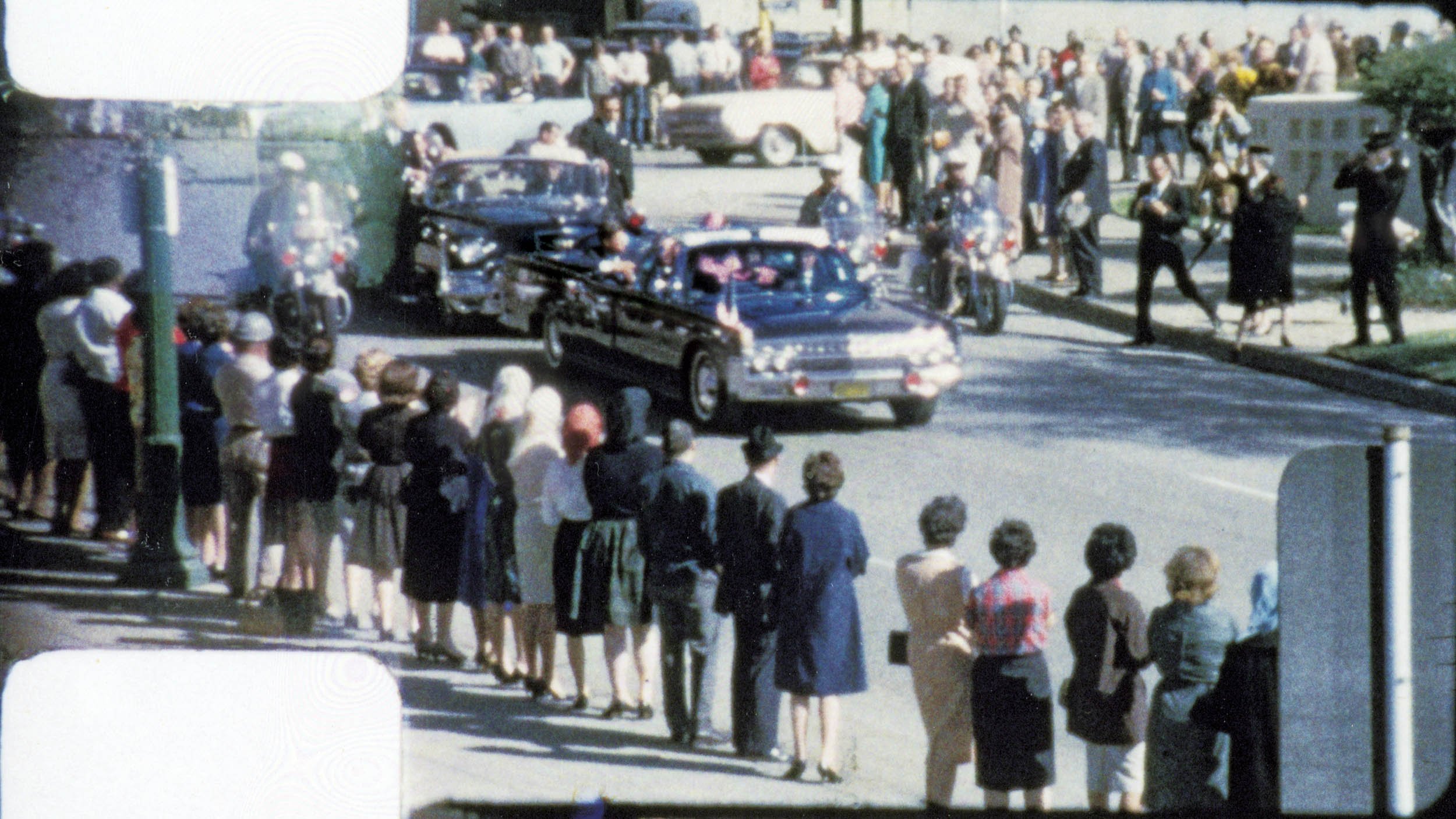
The "Zapruder" label functions as a cultural metonym referring to the 26.6 seconds of 8mm film captured by Abraham Zapruder on November 22, 1963, in Dealey Plaza, Dallas. In language, it serves as a linguistic marker for visual evidenc...
The "Zapruder" label functions as a cultural metonym referring to the 26.6 seconds of 8mm film captured by Abraham Zapruder on November 22, 1963, in Dealey Plaza, Dallas. In language, it serves as a linguistic marker for visual evidence, intense scrutiny, and the intersection of objective observation with subjective interpretation within public discourse.
Contents
The Origin of the Zapruder Entity
To understand the meaning of "Zapruder" in contemporary language, one must first recognize its origin. Abraham Zapruder, a clothing manufacturer, stood on a concrete pedestal known as the "Grassy Knoll" to film President John F. Kennedy’s motorcade. The resulting home movie, designated as "Exhibit 885" by the Warren Commission, became the most scrutinized piece of film in history.
In linguistic terms, "Zapruder" has evolved from a surname into a shorthand for a specific type of epistemological crisis. It represents a situation where a visual record is so detailed and raw that it resists a single, authoritative reading, leading to competing narratives. When a commentator or analyst uses the term, they are rarely discussing the technical specifications of the 8mm Bell & Howell camera used that day; rather, they are evoking the concept of hyper-analysis—the practice of examining a source document to such a granular degree that its meaning becomes contested.
The "Zapruder Effect" in Modern Discourse
The term has permeated various fields, including legal theory, political science, and media studies. The "Zapruder effect" describes the phenomenon where the ubiquity of high-definition recording technology, combined with the human desire to find patterns, leads to the infinite re-interpretation of visual data.
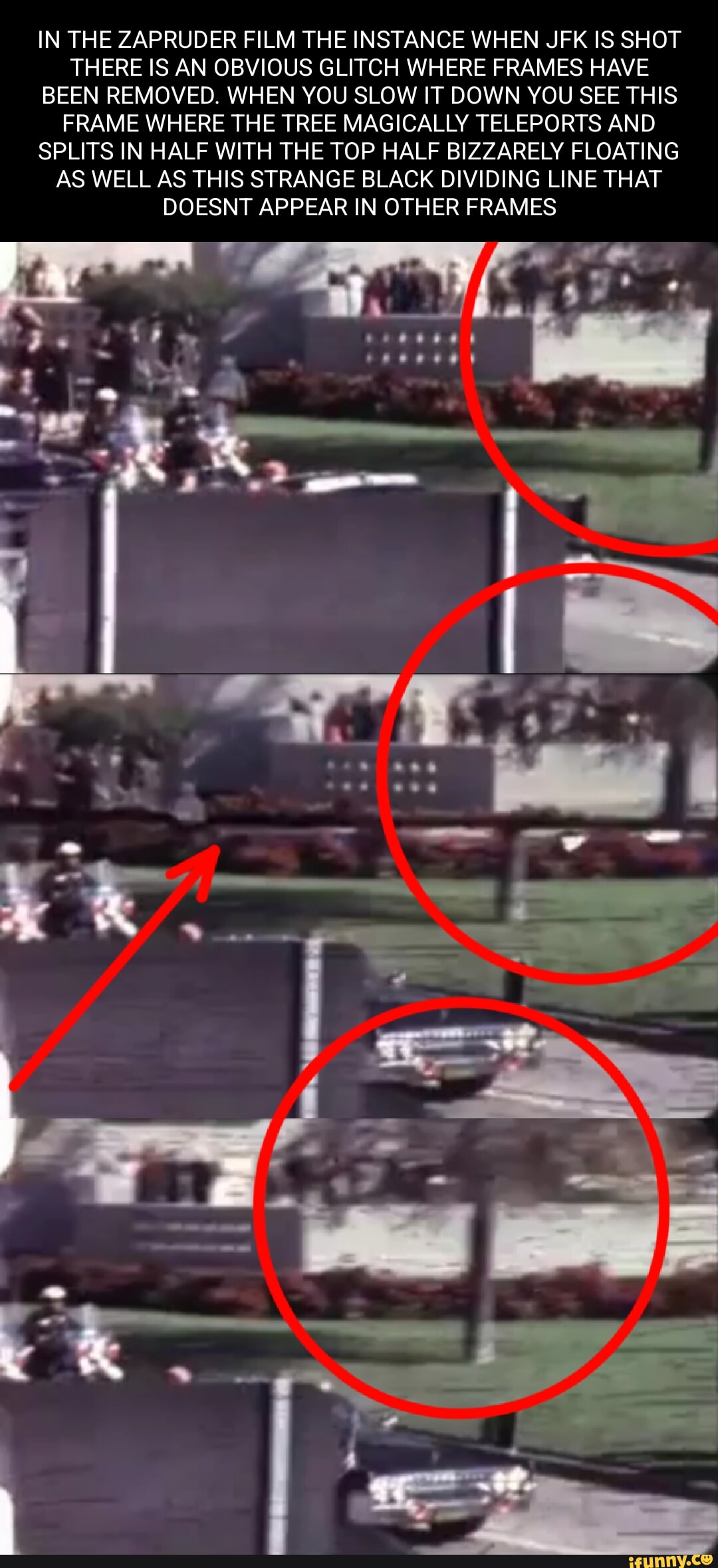
In journalism and digital media, the term is often applied to any event where "frame-by-frame" analysis is required to settle a debate. It suggests a high-stakes environment where the truth is believed to be "hiding in plain sight" within the frames of a recording. The linguistic utility of the word lies in its ability to quickly categorize a complex, visual-evidence-heavy controversy without needing a lengthy explanation of why the evidence is being disputed.
Semantic Shifts and Linguistic Usage
When someone refers to a "Zapruder-like analysis," they are communicating several specific ideas simultaneously:
- Granularity: The analysis is focused on the smallest possible time increments (frames).
- Ambiguity: Despite the visual clarity of the medium, the underlying reality or motive remains obscured.
- Skepticism: There is a baseline assumption that the "obvious" interpretation of the visual record is insufficient or potentially deceptive.
This usage is distinct from standard forensic analysis. While forensic analysis implies a scientific standard of verification, invoking the "Zapruder" label carries a subtle layer of cultural weight—it implies that the viewer is participating in a ritual of looking that is as much about the viewer's bias as it is about the film's content.
Comparative Framework: Analyzing Visual Evidence
The following table illustrates how the term "Zapruder" functions differently when compared to other forms of investigative terminology.
| Term | Primary Context | Linguistic Implication | Level of Subjectivity |
|---|---|---|---|
| Zapruder | Public discourse / Theory | Intense, frame-level scrutiny of contested media | Very High |
| Forensics | Legal / Technical | Systematic, objective evidence processing | Low |
| Surveillance | Security / Operations | Routine monitoring for situational awareness | Moderate |
| Review | Performance / Media | Qualitative assessment of content | Low to Moderate |
Technical Challenges in Visual Interpretation
The linguistic meaning of "Zapruder" is inextricably linked to the limitations of the media itself. Because the original film was shot on 8mm Kodachrome II film, it possesses a specific aesthetic quality that has been digitized, restored, and analyzed countless times over the last six decades.
The "meaning" of the film in language often ignores the technical reality that 8mm film at 18 frames per second (fps) is inherently limited in resolution. When people use the term to describe modern 4K or 8K video, they are using it as a metaphor for the pursuit of clarity in a digital age. They are acknowledging that even with perfect resolution, the "truth" of an event may remain elusive because human perception is limited by the context in which the observer views the footage.
The Role of Context in Interpretation
One cannot discuss the meaning of Zapruder without addressing the role of the "Zapruder Film" as a primary source. In 2026, researchers and historians continue to emphasize that the film’s significance is rooted in its status as a piece of history that forced the American public to become amateur investigators.
Language evolves through usage, and the use of "Zapruder" now serves as a cautionary tale in linguistics. It warns that in the presence of overwhelming visual evidence, human language often fails to provide a consensus. Instead, we use the term to describe the breakdown of consensus. If an event is described as a "Zapruder moment," the speaker is signaling that they expect disagreement, factionalization, and a deep-dive investigation by non-experts.
Frequently Asked Questions
Why is the term Zapruder used to describe intense scrutiny? It is used because the 1963 film established the archetype of the "citizen detective." Because the public had access to the footage, it created a massive, decentralized effort to interpret the visual data, which is now the hallmark of modern investigative culture.
Does the term have a negative connotation? It can be neutral, referring simply to deep analysis, or negative, implying "conspiratorial" or "obsessive" behavior. The context determines the nuance; for example, in legal media, it might describe a rigorous motion, while in political punditry, it might mock a baseless theory.
Is the "Zapruder" label limited to video evidence? Generally, it is reserved for visual or auditory media that allows for frame-by-frame or granular inspection. It is rarely applied to textual evidence or purely forensic physical evidence like ballistics.
How does the year 2026 affect the interpretation of this term? By 2026, the term has become a shorthand for the challenges of "post-truth" environments. With advancements in AI-generated media, the "Zapruder" standard—the belief that the camera cannot lie—is being tested, making the term even more relevant as a marker for questioning the authenticity of visual media.
Next Steps for Researchers
If you are encountering this term in academic or journalistic writing, evaluate the intent of the author. Ask yourself if they are using the term to advocate for a deeper look at the facts, or if they are using it to dismiss a counter-argument as overly obsessive or conspiratorial. Recognizing the "Zapruder" label for what it is—a metaphor for the complexity of interpretation—will help you navigate the underlying argument more effectively.
To further explore this topic, consider consulting the official archives of the National Archives and Records Administration regarding the conservation of the original film, which provides the technical baseline for why this particular document remains the standard for visual evidence in the English language.
Image Gallery