Why the Lumberyard Game Engine Is No Longer Viable
Amazon Lumberyard is no longer a viable choice for modern game development because Amazon shifted its focus, restructured its support, and ultimately deprecated the proprietary framework in favor of Open 3D Engine (O3DE). Built upon a...
Amazon Lumberyard is no longer a viable choice for modern game development because Amazon shifted its focus, restructured its support, and ultimately deprecated the proprietary framework in favor of Open 3D Engine (O3DE). Built upon a heavily modified version of Crytek’s CryEngine, Lumberyard struggled with an aging core architecture, high integration friction with Amazon Web Services (AWS), and intense competition from mature alternatives like Unreal Engine and Unity, leading to its effective obsolescence in the industry.
Contents
The Origins and Ambitions of Amazon Lumberyard
When Amazon launched Lumberyard in 2016, the industry viewed the move as a major play to capture the game development market. By offering a AAA-capable engine for free—with no royalties or subscription fees—Amazon aimed to solve a primary economic hurdle for studios. The core strategy relied on deep integration with Amazon Web Services and Twitch, anticipating that developers would offset engine costs by hosting multiplayer servers and backend infrastructure on AWS.
However, the engine carried significant technical baggage from its start. Derived from CryEngine, Lumberyard inherited a complex codebase that was notoriously difficult to master. While it promised high-fidelity graphics and robust physics via the NVIDIA PhysX integration, modifying the underlying systems required specialized engineering talent. Many independent developers and mid-sized studios found the learning curve too steep, especially when compared to competing tools with more accessible documentation and modular workflows.
Architectural Bottlenecks and Legacy Code
A primary technical driver behind Lumberyard’s lack of viability is its architectural debt. CryEngine was originally designed for linear, single-player first-person shooter experiences, most notably demonstrated by the Crysis series. Adapting this legacy architecture for modern, large-scale, connected multiplayer experiences required extensive engineering work.
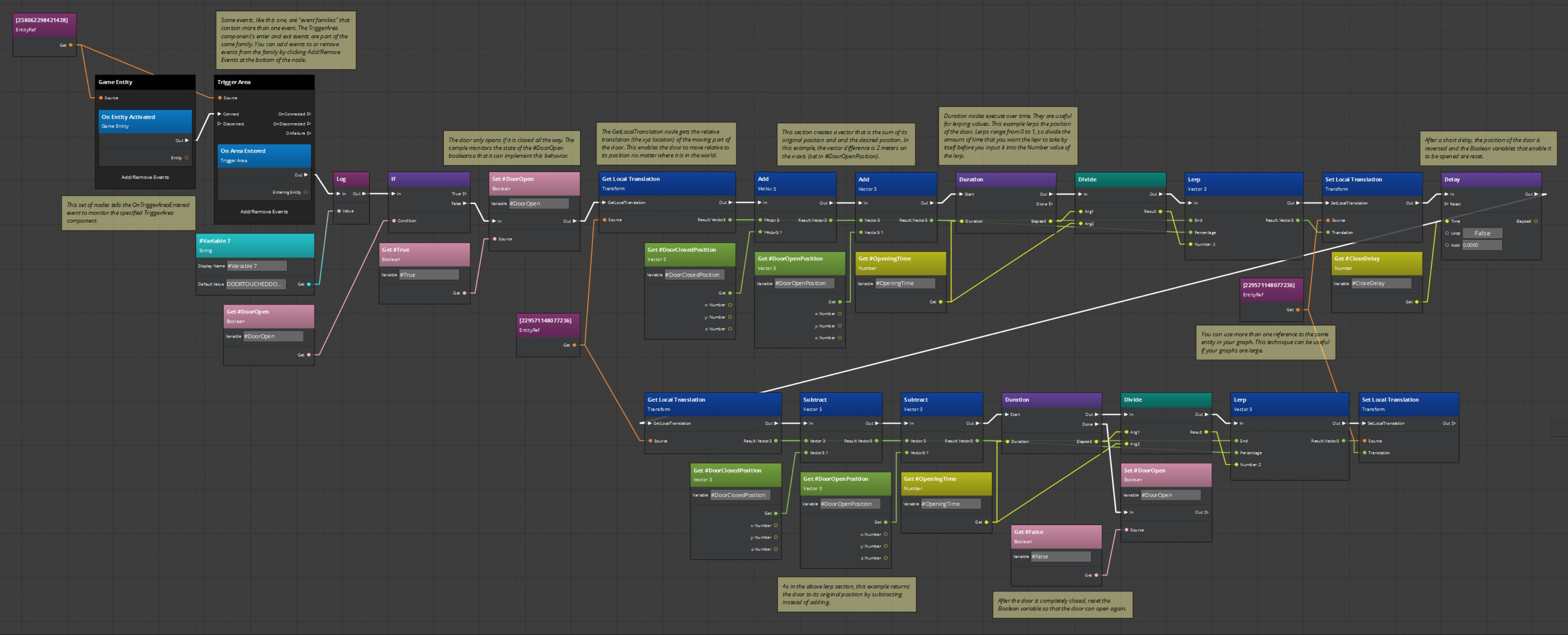
Furthermore, Lumberyard’s component entity system and asset pipeline underwent multiple revisions during its active development lifecycle. Developers frequently encountered bugs, unstable builds, and performance bottlenecks when attempting to scale projects. As modern hardware introduced real-time ray tracing, complex mesh shaders, and advanced procedural generation techniques, keeping Lumberyard’s legacy codebase up to date proved resource-intensive for both Amazon and external developers.
The AWS Lock-In and Economic Miscalculation
The foundational economic model of Lumberyard centered on cloud integration. Amazon expected that providing a free engine would drive massive adoption of AWS GameLift, Amazon DynamoDB, and other cloud services. In practice, this monetization strategy created friction for development teams.
Studios often preferred flexibility in choosing server infrastructure, database providers, and matchmaking services based on pricing and technical requirements. Forcing or heavily incentivizing a proprietary pipeline tied tightly to AWS discouraged teams that wanted platform-agnostic development. Additionally, indie studios and smaller teams rarely operated at a scale that made AWS multiplayer hosting economically sensible during early prototyping phases, rendering the engine's core financial pitch unappealing.
Shift to Open 3D Engine (O3DE) and Obsolescence
The definitive turning point for Lumberyard occurred in July 2021, when Amazon Web Services, in collaboration with the Linux Foundation, announced the creation of the Open 3D Engine (O3DE). O3DE was built using Lumberyard’s remaining source code as its foundation, but it transitioned the project into a fully open-source, Apache 2.0-licensed framework managed by the Open 3D Foundation.
With the launch of O3DE, Amazon effectively abandoned the Lumberyard brand and its proprietary ecosystem. Studios utilizing Lumberyard faced a stark reality: continued support, security patches, and feature updates for Lumberyard ceased, forcing teams either to migrate their codebases to O3DE or transition to alternative engines entirely. Because O3DE introduced major architectural shifts—including a modular gem system and a rewritten build pipeline—migrating an existing Lumberyard project was rarely a simple drop-in upgrade.
Comparative Viability: Lumberyard vs. Modern Alternatives
To understand why studios moved away from Lumberyard, it helps to examine how it compares to dominant industry standards across key engineering and business criteria.
| Feature / Criteria | Amazon Lumberyard (Historical) | Unreal Engine | Unity | Open 3D Engine (O3DE) |
|---|---|---|---|---|
| Licensing Model | Free (Proprietary / Discontinued) | Royalty-based (5% after $1M) | Seat-based / Runtime fee model | Open Source (Apache 2.0) |
| Primary Architecture | Modified CryEngine | C++ / Blueprints visual scripting | C# / Modular component system | Modular C++ / Python integration |
| Current Support Status | Deprecated / Discontinued | Actively maintained & updated | Actively maintained & updated | Community-driven & Foundation backed |
| Cloud Integration | Native AWS integration | Platform agnostic | Platform agnostic | Modular (AWS and others supported) |
| Market Adoption | Extremely low / Legacy only | Industry standard for AAA | Dominant in mobile & indie | Growing open-source community |
Common Mistakes When Evaluating Legacy Game Engines
Developers researching legacy engines often fall into traps that can derail production timelines. Recognizing these pitfalls prevents wasted engineering hours:
- Assuming Free Means Cost-Effective: While Lumberyard carried no upfront licensing fees or royalties, the engineering overhead required to maintain a deprecated codebase and resolve missing documentation far outweighed the savings of a commercial license.
- Overlooking Community Ecosystems: Engines like Unity and Unreal Engine boast massive communities, extensive asset stores, and thousands of third-party tutorials. Lumberyard’s niche user base meant developers were often left solving complex engine bugs entirely on their own.
- Ignoring Long-Term Support (LTS): Adopting an unmaintained engine exposes a project to security vulnerabilities, compiler incompatibility issues with newer operating systems, and broken dependencies.
Frequently Asked Questions
Can I still download and use Amazon Lumberyard for new games?
While legacy installation files may still exist in archived forums or third-party repositories, Lumberyard is no longer supported, patched, or maintained by Amazon. Developing a new commercial title on Lumberyard introduces severe technical risks, including incompatibility with modern graphics APIs and operating systems.
Is Open 3D Engine (O3DE) just a renamed version of Lumberyard?
No. While O3DE originated from Amazon’s donation of the Lumberyard codebase to the Linux Foundation, it has undergone significant architectural restructuring. O3DE features a modular gem-based system, a decoupled build pipeline, and an open-source governance model distinct from Amazon’s proprietary product.
What should studios use instead of Lumberyard?
Most teams migrating away from Lumberyard transition to Unreal Engine for high-fidelity 3D and AAA projects, or Unity for rapid prototyping, cross-platform deployment, and mobile development. Godot is also increasingly adopted for lightweight 2D and 3D projects seeking an open-source workflow.
What happened to games that were built using Lumberyard?
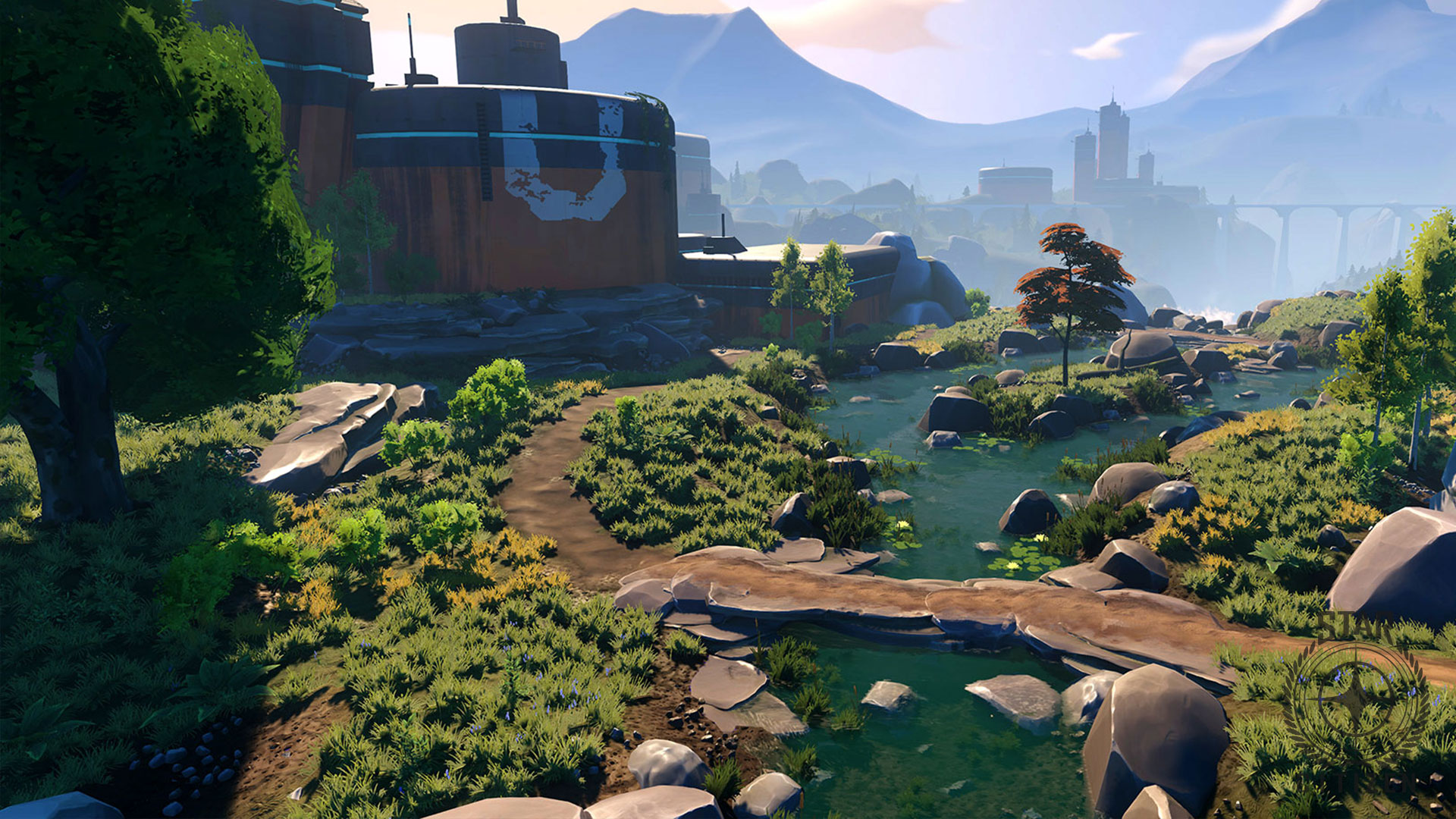
Games that entered deep production or launched using Lumberyard, such as Star Citizen (which uses a heavily modified fork of CryEngine/Lumberyard known as Star Engine), operate on bespoke, heavily customized codebases maintained internally by their respective studios rather than relying on standard Amazon support.
Final Recommendation
For any active or upcoming game development project, Amazon Lumberyard should be entirely avoided. Teams evaluating engine options should focus on actively supported ecosystems like Unreal Engine, Unity, Godot, or O3DE depending on their programming language preferences, target platforms, and budget constraints. Attempting to build upon a deprecated, unsupported framework guarantees severe technical debt and operational risk.
Image Gallery