Understanding Air Conditioner Age: How to Determine Your HVAC System’s Age and Life Expectancy
Knowing the age of your air conditioner is essential for planning future maintenance, anticipating replacement costs, and deciding whether to repair or replace a failing unit. Most central air conditioning systems have a predictable se...
Knowing the age of your air conditioner is essential for planning future maintenance, anticipating replacement costs, and deciding whether to repair or replace a failing unit. Most central air conditioning systems have a predictable service life, and understanding how old your equipment is allows you to evaluate its efficiency, safety, and reliability before it stops working entirely.
Contents
Why Knowing Your Air Conditioner's Age Matters
Air conditioning systems are major household investments that operate under demanding conditions. As units age, their mechanical components wear down, electrical parts degrade, and overall energy efficiency declines. Understanding the exact age of your system helps homeowners make informed decisions about routine servicing versus capital expenditures for a replacement.
When a cooling system reaches the latter stages of its operational lifespan, repair costs can quickly outweigh the value of the equipment. Furthermore, older systems often use outdated refrigerants, such as R-22 (commonly known as Freon), which are expensive to service and regulated due to environmental phase-outs. By determining the age of your air conditioner, you can proactively budget for a new installation rather than facing an emergency replacement during a peak summer heatwave. Knowing this timeline also aids in verifying warranty coverage, as many manufacturer parts warranties expire after five to ten years.
Typical Lifespan of Central Air Conditioners
Most residential central air conditioning units are designed to last between 10 and 15 years, though this timeframe can vary significantly based on several environmental and operational factors. Systems located in coastal regions with high humidity and salt air, for instance, may experience accelerated corrosion of coils and electrical panels, reducing their lifespan to 8 to 12 years. Conversely, units installed in milder climates with diligent, professional maintenance can occasionally function reliably for up to 18 or 20 years.
Heat pumps, which provide both heating and cooling by reversing the refrigeration cycle, often run year-round and therefore experience heavier wear and tear than cooling-only systems. As a result, heat pumps generally have a slightly shorter average lifespan of 10 to 14 years. Regular usage patterns, proper sizing for the home's square footage, and the frequency of air filter replacements all play critical roles in determining whether a system reaches the upper limit of its expected longevity.
How to Find Your Air Conditioner’s Age
The most accurate and direct method for determining the age of an air conditioner is by inspecting the data plate, also known as the rating sticker, located on the outside compressor unit. This metal or plastic plate contains vital manufacturing details, including the brand name, model number, serial number, and electrical specifications.
Locating and Reading the Data Plate
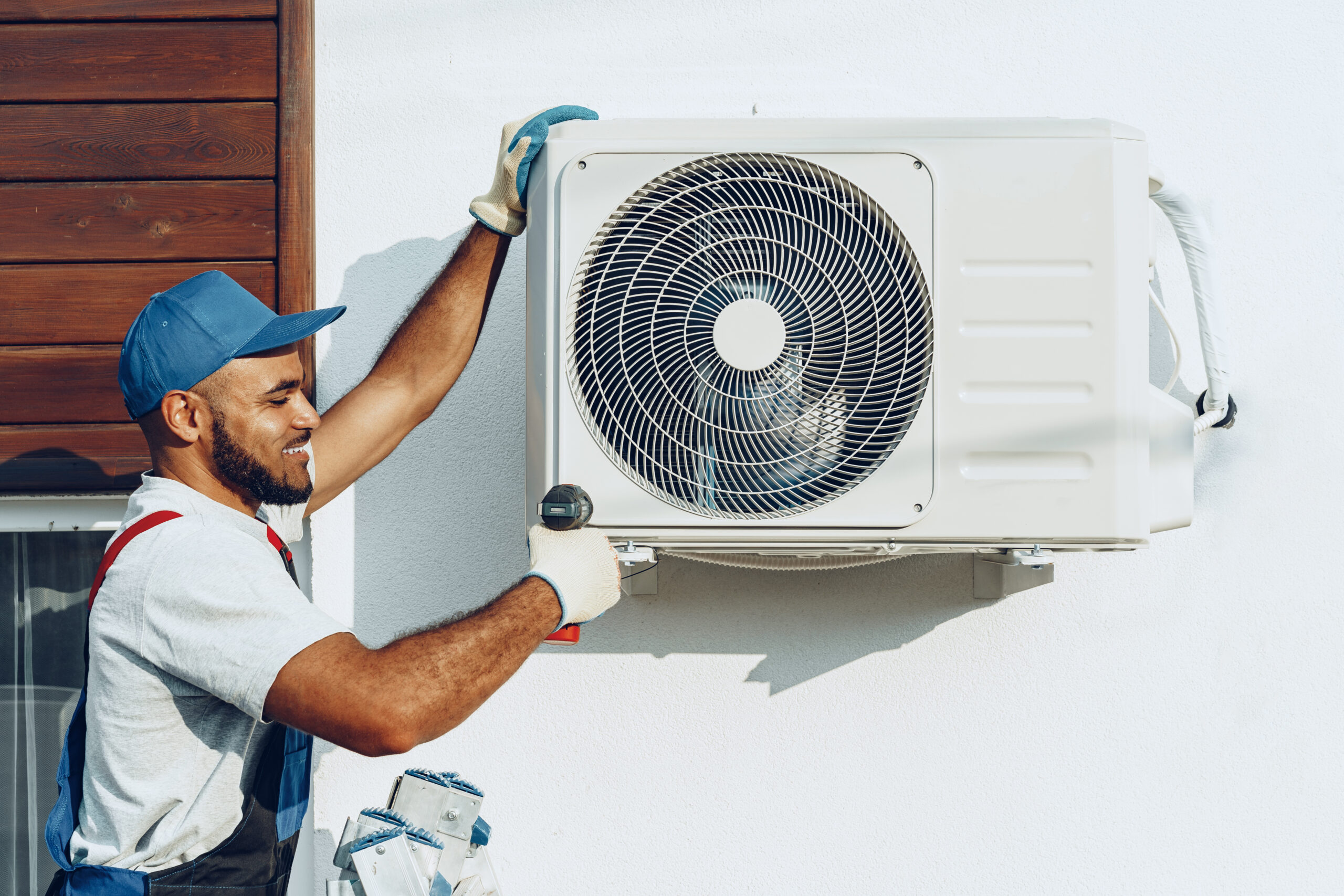
Walk outside to the condenser unit and look for a weather-resistant plate affixed to the exterior housing, usually near the electrical service panel. Manufacturers print key data on this sticker to assist technicians with repairs and parts ordering.
- Model Number: This string of letters and numbers identifies the exact series, tonnage, and efficiency rating of the equipment.
- Serial Number: This unique identifier contains the manufacturing date code, though the format varies significantly by brand.
- Manufactured Date: Some straightforward manufacturers print the exact month and year of production directly on the label.
Decoding the Serial Number
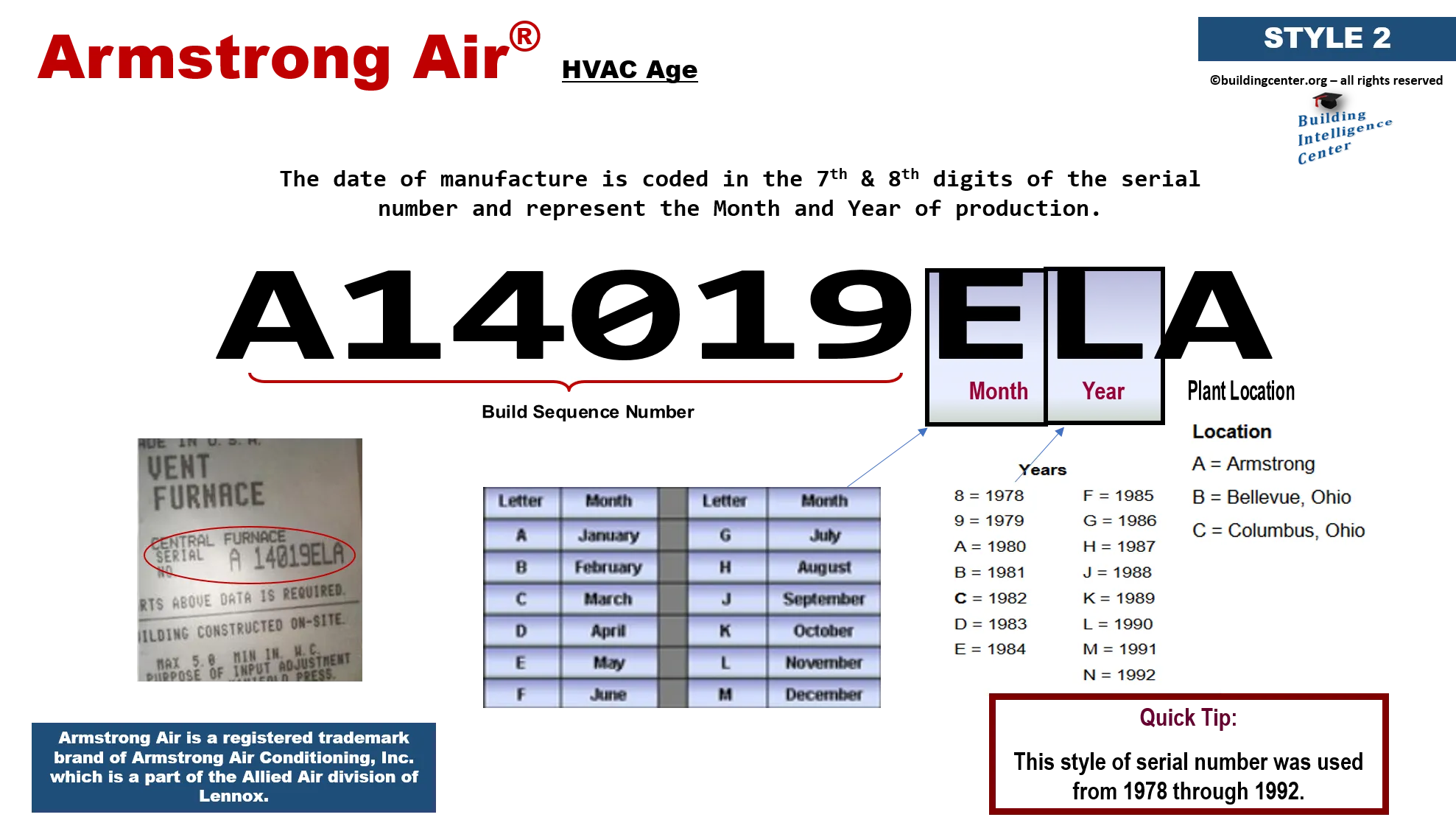
If the manufacture date is not explicitly written on the data plate, you will need to decode the serial number. Because every manufacturer uses a different coding system, there is no universal formula for reading an HVAC serial number.
- Carrier, Bryant, and Payne: These brands typically use a four-letter followed by a four-number sequence (e.g., 0410E12345). The first four digits often represent the week and year of manufacture (e.g., 0410 would mean the 4th week of 2010).
- Trane and American Standard: Older units often start with a letter indicating the year (e.g., J = 1999, K = 2000, L = 2001), followed by numbers for the week. Newer units often use a 10-digit serial number where the first two digits represent the year.
- Lennox: Lennox serial numbers frequently follow a letter-number format where the first letter indicates the month of production and the second letter indicates the year, or where the first four numbers represent the year and month (YYMM).
- Rheem and Ruud: These brands commonly use a 10- or 11-digit serial number where the first two or four digits denote the month and year of manufacture.
If you cannot decode the serial number using brand-specific guides, you can note the model and serial numbers and contact the manufacturer's customer service line or consult HVAC reference directories online.
| Manufacturer Brand | Common Serial Number Format | Decoding Method Example |
|---|---|---|
| Carrier / Bryant | Letter/Number Sequence | First 4 digits usually represent week and year (e.g., 1214 = 12th week of 2014). |
| Trane / American Standard | Alpha-Numeric Code | First letter or first 2 digits often designate the manufacturing year. |
| Lennox | Year/Month or Letter Code | First 4 digits commonly represent year and month (YYMM format). |
| Rheem / Ruud | 10-11 Digit Sequence | First 2 digits or letters correspond to the month and year of production. |
Signs Your Aging AC Needs Replacement
Age alone is not the sole indicator for replacing an air conditioning system, but combined with performance issues, it provides a clear picture of equipment health. Recognizing the warning signs of a declining unit helps prevent sudden breakdowns.
Rising Energy Bills
As mechanical components age, compressors lose efficiency, coils become fouled, and motors draw more electrical current to produce the same cooling output. If your monthly utility bills increase significantly compared to previous summers under similar weather conditions and usage patterns, your air conditioner may be losing its functional capacity.
Frequent Repairs and High Costs
A single minor repair, such as replacing a standard run capacitor or a blown fuse, is a normal part of HVAC ownership. However, if your system requires repeated service calls within a single season—or if you face a major repair involving the compressor or evaporator coil—investing those funds into a new, efficient system is usually more cost-effective.
Inconsistent Cooling and Humidity Issues
An aging air conditioner often struggles to maintain uniform temperatures throughout a home. You might notice certain rooms feel overly warm while others are cool, or the system runs continuously without making the indoor environment comfortable. Additionally, older units lose their moisture-removal capabilities, leaving indoor air feeling damp and sticky.
Strange Noises and Odors
Grinding, squealing, or screeching sounds indicate failing motor bearings or internal mechanical stress. Battering or banging noises often mean internal components have loosened. Furthermore, musty or burning odors point to mold growth within the ductwork or electrical insulation burning out inside the handler.
Repair vs. Replacement Considerations
Deciding whether to fix an older air conditioner or replace it entirely involves evaluating both immediate repair costs and long-term operating expenses. HVAC professionals often use the "Rule of 5,000" to help homeowners evaluate their options: multiply the age of the equipment by the estimated cost of the repair. If the resulting figure exceeds $5,000, replacement is generally the recommended financial path.
| Factor | Repairing the AC | Replacing the AC |
|---|---|---|
| Upfront Cost | Lower immediate out-of-pocket expense. | Higher capital investment for new equipment. |
| Energy Efficiency | Efficiency remains at historical or degraded levels. | Modern high-SEER2 units reduce monthly utility costs. |
| Reliability | Older components remain susceptible to future failures. | Backed by comprehensive manufacturer warranties. |
| Environmental Impact | May rely on phased-out refrigerants like R-22. | Uses modern, environmentally compliant refrigerants (e.g., R-410A or newer). |
Frequently Asked Questions
Where can I find the model and serial number if the sticker is faded?
If the outdoor unit's data plate has faded or peeled away, check the indoor air handler or furnace cabinet. Manufacturers often duplicate the equipment rating sticker indoors. If neither sticker is legible, an HVAC technician can look up the system specifications using internal component part numbers.
Does regular maintenance extend an air conditioner's life?
Yes. Annual professional tune-ups, routine coil cleanings, and monthly air filter replacements reduce mechanical strain, maintain optimal refrigerant levels, and prevent premature compressor failure, often adding several years to the system's operational life.
How does the SEER2 rating affect an older system's value?
Older systems typically feature lower SEER (Seasonal Energy Efficiency Ratio) ratings, sometimes as low as 8 to 10 SEER. Modern systems must meet updated SEER2 efficiency standards, meaning a new replacement unit uses significantly less electricity to deliver the same amount of cooling, lowering monthly utility bills.
Can I add modern refrigerant to an old air conditioner?
If your old air conditioner uses R-22 refrigerant, you cannot legally or practically refill it with modern alternatives like R-410A without entirely replacing the system components. R-22 production and importation ended due to environmental regulations, making supplies scarce and expensive.
What should I do if my system is over 15 years old and working fine?
If your system is past its average lifespan but continues to cool effectively and efficiently, you do not need to replace it immediately. However, you should budget for a future replacement, schedule regular professional inspections, and monitor its performance closely for signs of decline.
Next Steps for Homeowners
Once you determine the age of your air conditioner, evaluate its operational history and current performance against the benchmarks outlined above. If your system is approaching or has exceeded its expected lifespan, schedule a maintenance inspection with a licensed HVAC contractor to assess its current condition. Planning ahead gives you the opportunity to research high-efficiency replacement options, explore available tax credits or rebates, and install a new system on your own schedule rather than during an emergency breakdown.
Image Gallery