Comprehensive Guide to Chateau Miraval Winery: History, Ownership, and Rosé Production
Chateau Miraval is a celebrated wine estate located in the village of Correns, in the heart of Provence, France, globally recognized for its critically acclaimed organic rosé wines and its high-profile association with Hollywood figure...
Chateau Miraval is a celebrated wine estate located in the village of Correns, in the heart of Provence, France, globally recognized for its critically acclaimed organic rosé wines and its high-profile association with Hollywood figures Brad Pitt and Angelina Jolie. Spanning over 500 hectares of rolling hills, olive groves, and organic vineyards, the property combines centuries of agricultural heritage with world-class winemaking partnerships, most notably with the renowned Perrin family of Château de Beaucastel.
Contents
Introduction to Chateau Miraval Winery
Chateau Miraval winery represents a fascinating intersection of Old World winemaking traditions, celebrity culture, and modern agricultural sustainability. Situated in the Var department of southeastern France, the estate produces several tiers of wine, led by its flagship Miraval Rosé, alongside white and red selections under the Côtes de Provence and Vin de Pays de Le Var appellations. While global media attention often focuses on its celebrity origins, the technical reality of the winery is rooted in rigorous organic farming, limestone-rich terroir, and precise viticultural execution that predates its modern fame by decades. Understanding Chateau Miraval requires looking beyond the headlines to examine its geography, production methods, ownership evolution, and place within the broader landscape of Provence wine culture.
Geographic Terroir and Viticultural Environment
The physical setting of Chateau Miraval is a primary driver of its wine style, characterized by a unique microclimate and geological composition that sets it apart from lower-lying coastal vineyards in Provence.
Altitude and Climate
Located in an isolated valley shaped like a natural amphitheater, the vineyards of Miraval sit at an average altitude of 350 meters (approximately 1,150 feet) above sea level. This elevated positioning is crucial for Provence winemaking. Higher altitudes experience significant diurnal temperature variation, meaning warm, sun-drenched days are followed by cool nights. This temperature swing slows the ripening process, allowing grapes to develop complex aromatic profiles while preserving essential natural acidity, which prevents the resulting wines from becoming flabby or overly alcoholic.
Soil Composition
The estate's soils are predominantly composed of clay and chalk (limestone), interspersed with ancient marine fossils and rocky debris. Limestone soils are prized in viticulture because they offer excellent drainage while retaining just enough moisture to sustain the vines during dry Mediterranean summers. Furthermore, limestone imparts a distinct mineral freshness and structural backbone to the wines, particularly defining the crisp, clean finish characteristic of high-end Provence rosés.
Historical Evolution of the Estate
Long before modern celebrity ownership, the Miraval domain possessed a rich and storied history tied to both French commerce and cultural expression.
Early Origins and Monastic Roots
The history of human activity on the site dates back to pre-Roman times, as evidenced by ancient remnants found on the property. In the 13th century, the estate served as a monastic property for a local religious order. Centuries later, in 1850, the current château building was constructed in a romantic, Provençal style surrounded by 13 fountains, water sources, and ancient olive trees.
The Jazz Era and Recording Studio
In the 20th century, Miraval transitioned into a cultural hub. In 1977, French jazz pianist Jacques Loussier acquired the estate and built a state-of-the-art recording studio on the grounds, named Studio Miraval. Throughout the 1970s, 1980s, and 1990s, legendary musicians and rock bands—including Pink Floyd, AC/DC, Sting, The Cure, and Sade—traveled to the estate to record albums. Pink Floyd notably recorded parts of their iconic 1979 album The Wall at the studio.
Modern Era, Ownership, and the Perrin Partnership
The contemporary era of Chateau Miraval began in earnest when American actors Brad Pitt and Angelina Jolie leased the property in 2008 and subsequently purchased it in 2011, later maintaining co-ownership amid subsequent legal proceedings. Recognizing the need for deep technical expertise to elevate the estate's commercial winemaking, the owners partnered in 2012 with the Perrin family, proprietors of the legendary Rhône Valley estate Château de Beaucastel.
The Perrin family brought generations of biodynamic and organic farming experience to Miraval. Under their direction, the vineyards were converted entirely to certified organic agriculture, prohibiting synthetic fertilizers, herbicides, and pesticides. The partnership merged Hollywood visibility with generational winemaking pedigree, instantly catapulting Miraval Rosé into global prominence upon the release of its inaugural 2012 vintage, which famously earned critical acclaim from major wine publications.
Core Wine Portfolio and Production Methods
Chateau Miraval produces a curated selection of wines designed to reflect the unique climate and terroir of the Var region.
| Wine Name | Primary Grape Varieties | Style & Vinification | Flavor Profile & Characteristics |
|---|---|---|---|
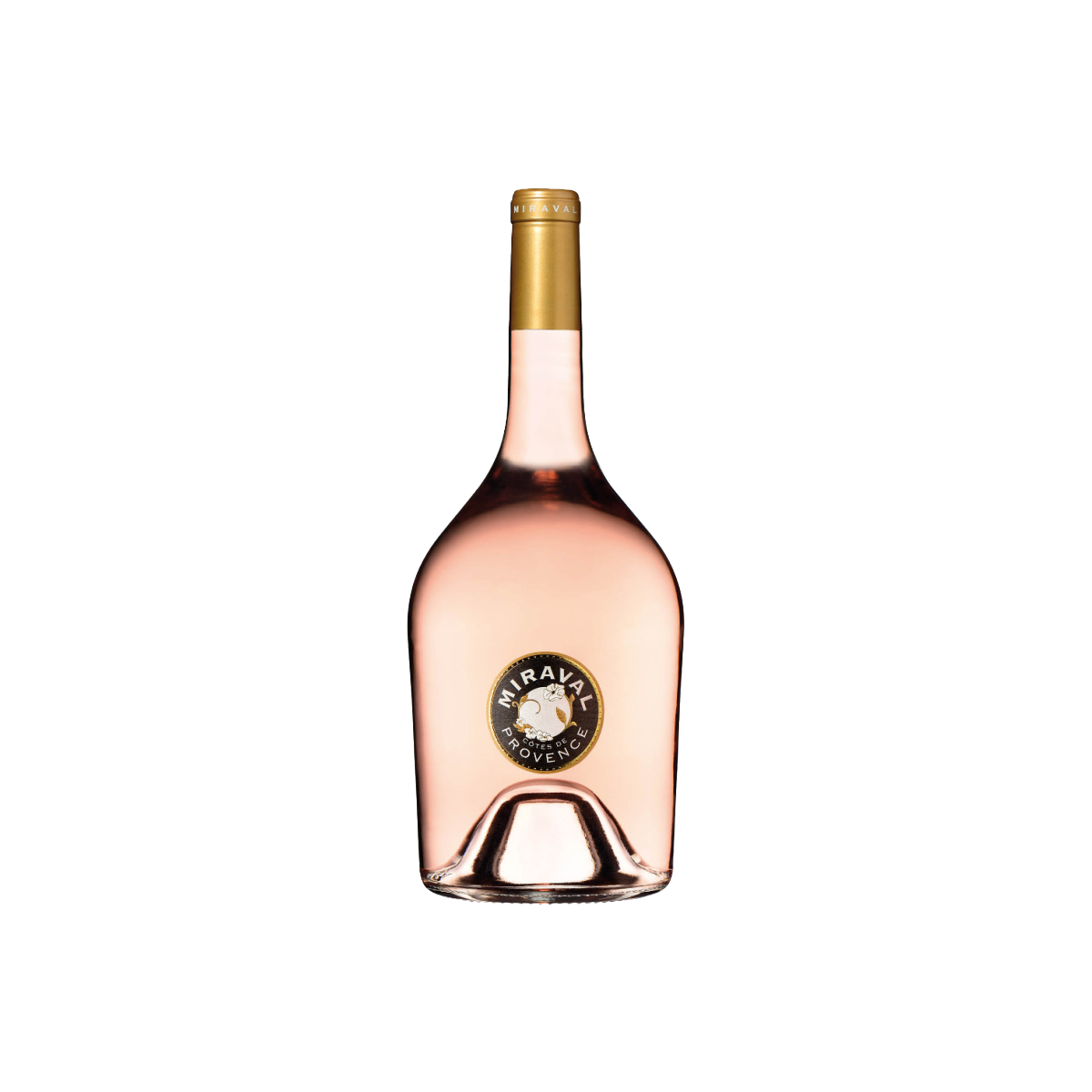
| Miraval Rosé | Cinsault, Grenache, Syrah, Rolle (Vermentino) | Direct press for pale color; temperature-controlled stainless steel fermentation with a small portion aged in oak barrels. | Pale pink hue; aromas of fresh red berries, white blossoms, and citrus; crisp acidity with a mineral finish. |
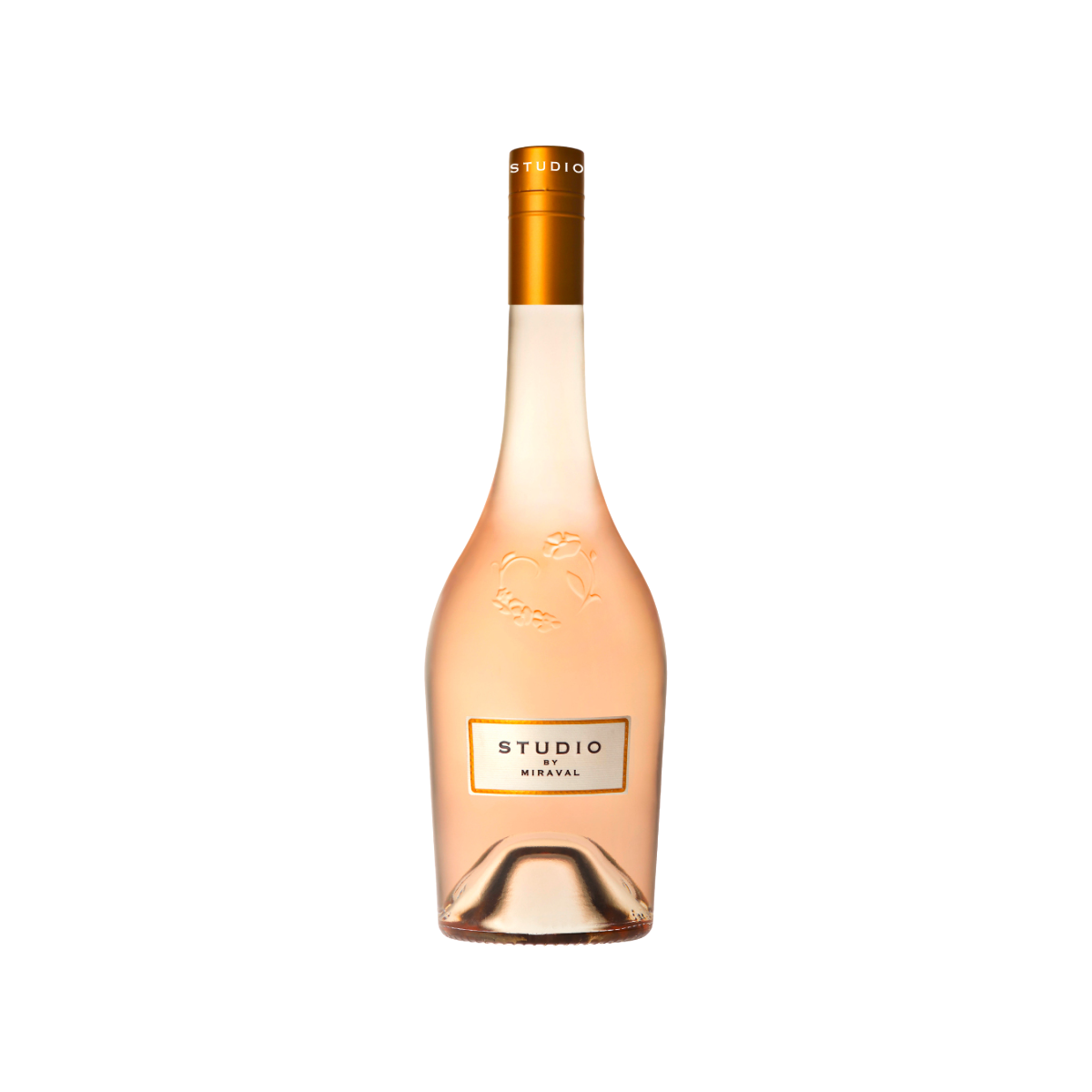
| Studio by Miraval | Cinsault, Grenache, Rolle, Tibouren | Fresh, accessible styling designed for casual enjoyment and immediate consumption. | Vibrant citrus notes, pink grapefruit, and white peach; lively, zesty profile. |
| Miraval Blanc | 100% Rolle (Vermentino) | Fermented and aged in a combination of stainless steel tanks and oak barrels with bâtonnage (lees stirring). | Rich texture; aromas of white stone fruit, acacia flowers, and subtle spice; balanced by vibrant freshness. |
| Muse de Miraval | Grenache, Rolle | Premium, limited-production cuvée aged in concrete ovoids and French oak barrels. | Complex, structured, and age-worthy; intense red fruit, dried herbs, and profound mineral depth. |
Winemaking Techniques
The production of Provence rosé requires absolute precision to achieve the signature pale salmon color and delicate aromatic profile. At Miraval, harvesting takes place exclusively in the cool early morning hours to prevent oxidation and preserve the fresh fruit characters of the grapes.
Depending on the varietal, winemakers utilize either direct pressing or short maceration techniques. A distinctive element of Miraval's winemaking is the inclusion of a small percentage of wine aged in French oak barrels (known as pièces), which adds subtle texture, roundness, and complexity without overpowering the wine's inherent fruit-forward purity.
Sustainability and Environmental Stewardship
Environmental responsibility forms the cornerstone of daily operations at Chateau Miraval. The estate operates under strict organic certification guidelines.
- Biodiversity Conservation: The property includes expansive forests, wild scrubland (garrigue), and hundreds of olive trees, creating a balanced ecosystem that naturally controls pest populations and supports native pollinators.
- Water Management: Given the arid nature of the Mediterranean climate, water conservation is paramount. Modern drip-irrigation systems are used sparingly and efficiently to sustain young vines during drought periods.
- Soil Health: Cover crops are planted between vineyard rows to prevent soil erosion, fix natural nitrogen into the earth, and encourage beneficial microbial activity underground.
Frequently Asked Questions
Can visitors tour or stay at Chateau Miraval?
Chateau Miraval is a private working estate. Unlike commercial wineries with open tasting rooms, the property is generally closed to the general public to protect the privacy of its residents and maintain uninterrupted agricultural operations. Public access is limited to purchasing and enjoying its wines globally.
Who makes the wine at Chateau Miraval?
While the estate is co-owned, the viticultural and winemaking operations are managed by the Perrin family, renowned Rhône Valley vignerons who oversee everything from vineyard management to bottling and global distribution.
What grape varieties are used in Miraval Rosé?
Miraval Rosé is a classic Provence blend primarily composed of Cinsault, Grenache, and Syrah, complemented by a splash of Rolle (also known as Vermentino), which contributes aromatic complexity and freshness.
Is Chateau Miraval wine certified organic?
Yes. The vineyards are farmed organically, utilizing natural composts, avoiding synthetic chemicals, and maintaining strict ecological standards certified by relevant European and French agricultural authorities.
Where can I purchase Chateau Miraval wines?
Miraval wines enjoy widespread international distribution. They can be purchased through fine wine merchants, specialty online retailers, high-end supermarkets, and restaurant wine lists across North America, Europe, Asia, and beyond.
Practical Recommendations for Collectors and Consumers
When purchasing or serving Chateau Miraval wines, proper storage and serving protocols ensure the best tasting experience. Rosé wines from Provence are crafted for freshness and vibrancy rather than long-term cellaring; standard vintages should ideally be enjoyed within one to two years of release while their fruit notes remain bright.
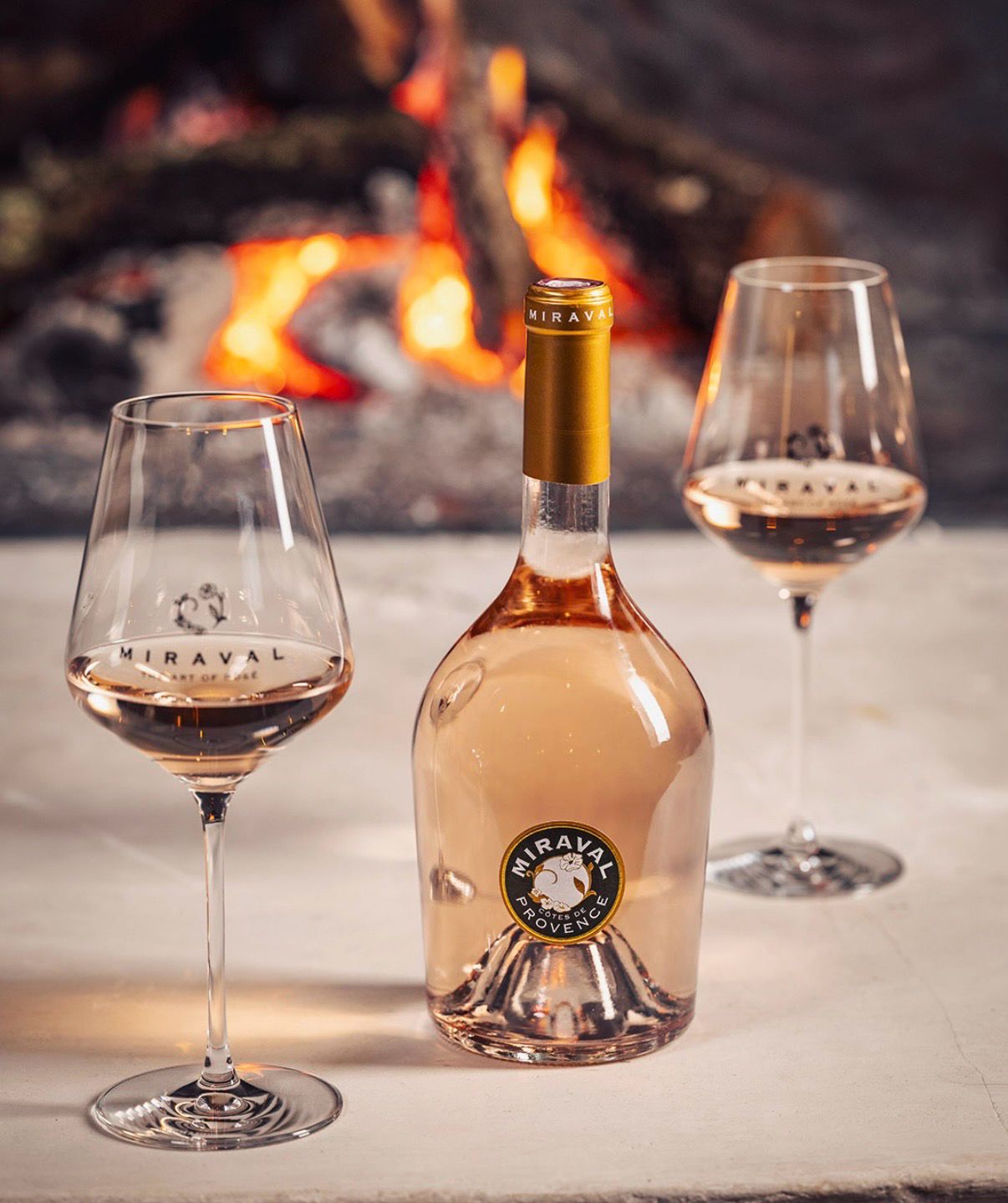
Serve Miraval Rosé well-chilled, between 8°C and 10°C (46°F to 50°F), using a standard white wine glass to concentrate the delicate aromas. It pairs exceptionally well with Mediterranean cuisine, grilled fish, shellfish, goat cheese, and light summer salads. For collectors interested in the estate's high-end expressions, such as Muse de Miraval, storing bottles in a temperature-controlled cellar will allow the wine's complex structure to evolve gracefully over several years.
Image Gallery