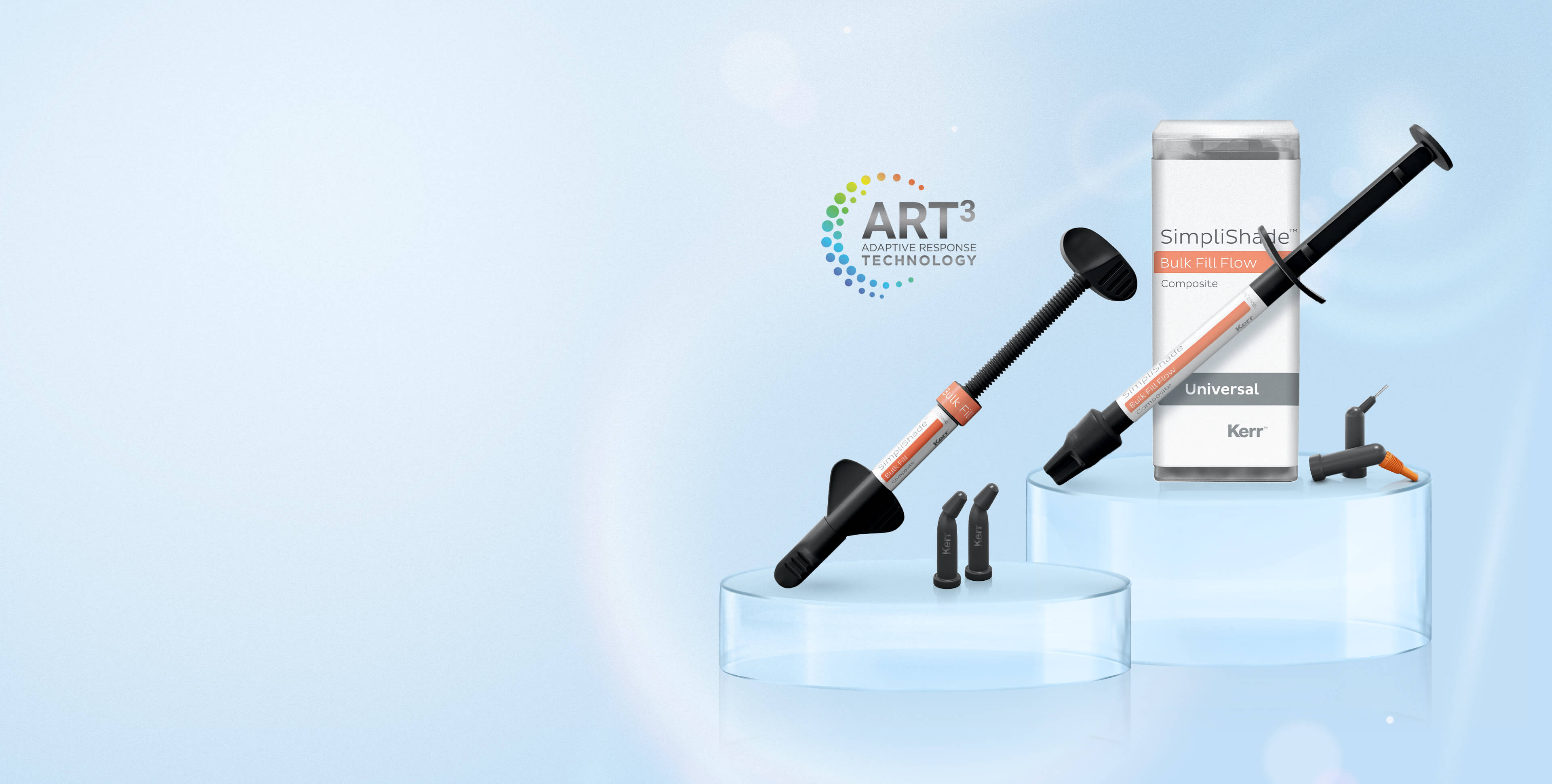
Navigating the Dental Heritage and Evolution of Kerr Corporation
Kerr Corporation holds a foundational place in the modern dental industry, bridging over a century of clinical innovation, material science advancements, and clinician-focused product development. From its early origins in the late 19t...
Kerr Corporation holds a foundational place in the modern dental industry, bridging over a century of clinical innovation, material science advancements, and clinician-focused product development. From its early origins in the late 19th century to its modern positioning under global parent organizations, the company has shaped how restorative, endodontic, and rotary dental procedures are executed globally.
Contents
The Origins and Historical Foundation of Kerr Corporation
The history of Kerr Corporation dates back to the late 19th century when Detroit dental supply entrepreneur Robert W. Kerr established the Detroit Dental Manufacturing Company in 1891. Initially, the venture focused on manufacturing impression waxes, modeling compounds, and specialized hand instruments that clinicians desperately needed for predictable restorative outcomes.
During this foundational era, dental materials lacked standardization. Practitioners often had to mix their own compounds or rely on inconsistent formulations. Robert Kerr recognized that clinical precision depended on material reliability. By introducing standardized manufacturing processes for impression materials and casting waxes, the company quickly gained a reputation among dental practitioners across North America.
In 1939, the company officially changed its name to the Kerr Dental Manufacturing Company to better reflect its expanding product portfolio and growing international footprint. Throughout the mid-20th century, Kerr shifted from basic waxes and instruments toward advanced restorative chemistries, including acrylics, composite resins, and specialized cements. This evolution laid the groundwork for modern adhesive dentistry.
Key Product Innovations That Shaped Restorative Dentistry
Kerr’s historical trajectory is defined by several breakthrough product lines that altered clinical protocols. The company consistently collaborated with academic researchers and practicing clinicians to transform laboratory discoveries into commercial products that met daily operatory demands.
The Evolution of Composite Resins and Adhesives
As amalgam restorations faced increasing aesthetic and environmental scrutiny, the dental industry transitioned toward tooth-colored restorative materials. Kerr played a central role in this transition by introducing pioneering composite resin systems.
- Herculite: Introduced decades ago, Herculite set a benchmark for microhybrid composite restorative materials, offering a balance of mechanical strength and polish retention that made it a staple in anterior and posterior restorations.
- OptiBond: The OptiBond family of bonding agents revolutionized resin adhesion. By introducing a true structural bond through optimized primer-adhesive chemistry, OptiBond simplified hybrid layer creation and reduced postoperative sensitivity.
- SonicFill: Representing a later wave of innovation, SonicFill combined the placement speed of bulk-fill materials with the adaptation capabilities of low-viscosity resins, utilizing sonic activation to reduce placement time.
Rotary Instruments and Endodontic Advancements
Beyond restorative materials, Kerr significantly influenced rotary instrumentation and endodontics. The acquisition of specialized manufacturing facilities allowed the company to produce precision burs, files, and obturation materials.
- K-Files and Reamers: Standardized endodontic hand instruments that provided clinicians with predictable tactile feedback during root canal therapy.
- NiTi Rotary Systems: The integration of nickel-titanium alloy technology transformed root canal preparation by allowing files to navigate severely curved root canals with reduced risk of ledging or instrument separation.
| Product Line | Primary Category | Clinical Purpose | Key Innovation |
|---|---|---|---|
| OptiBond | Adhesive Dentistry | Bonding composite resins to tooth structure | Structural adhesive technology with advanced filler load |
| Herculite | Restorative | Direct anterior and posterior fillings | Balanced microhybrid aesthetics and wear resistance |
| SonicFill | Bulk-Fill Restorative | Rapid posterior placements | Sonic energy-activated viscosity reduction |
| K-Files | Endodontics | Root canal cleaning and shaping | Standardized tapers and stainless steel flexibility |
Corporate Evolution and Global Integration
As the dental industry consolidated through the late 20th and early 21st centuries, Kerr Corporation underwent significant structural changes. The company transitioned from a family-owned enterprise to become part of larger corporate umbrellas dedicated to professional healthcare and dental consumables.
Kerr eventually became a flagship brand within the Danaher Corporation's dental platform before moving under Envista Holdings Corporation, which spun off from Danaher to focus exclusively on dental consumables and equipment. This corporate alignment allowed Kerr to leverage global distribution networks, shared research and development facilities, and advanced manufacturing standards.
Despite these corporate reorganizations, the Kerr brand maintained its core focus on clinical education and product reliability. The company established extensive continuing education programs, partnering with key opinion leaders and dental schools to ensure practitioners understood the chemical and mechanical properties of modern restorative materials.
Contemporary Standing and Future Outlook
In the contemporary dental landscape, Kerr operates as a multifaceted provider of consumables, equipment, and infection prevention products. While material science has shifted toward digital dentistry, 3D printing resins, and CAD/CAM blocks, traditional restorative materials remain vital to daily general practice.
Kerr continues to address modern clinical challenges, such as reducing polymerization shrinkage in composites, simplifying adhesive protocols to minimize technique sensitivity, and supporting minimally invasive dentistry. By emphasizing clinician feedback and evidence-based material science, the organization preserves its heritage while adapting to the digital operatory environment of the 2020s.
Frequently Asked Questions
Who founded Kerr Corporation and when?
Kerr Corporation was founded in 1891 by Robert W. Kerr in Detroit, Michigan, originally under the name Detroit Dental Manufacturing Company before rebranding to reflect its expanding product scope.
What are some of Kerr’s most notable historical product contributions?
Kerr is widely recognized for developing foundational dental materials, including the OptiBond adhesive family, Herculite composite systems, SonicFill bulk-fill technology, and standardized endodontic hand and rotary files.
Is Kerr Corporation still an independent company?
No. Kerr is currently part of the global portfolio of dental brands managed under Envista Holdings Corporation, having previously operated under the Danaher Corporation umbrella.
How did Kerr impact the development of adhesive dentistry?
Kerr introduced advanced primers and bonding agents that bridged the gap between hydrophobic restorative resins and hydrophilic tooth structures, significantly improving restoration longevity and reducing marginal leakage.
Where can clinicians access technical documentation and safety data for Kerr products?
Clinicians and laboratory technicians can access safety data sheets (SDS), instructions for use, and clinical protocols directly through the official Kerr Dental website or authorized regional distributors.
Next Actions for Dental Professionals
For clinicians looking to integrate Kerr materials into their practices, the most effective next step is to evaluate specific procedural needs—such as adhesive protocols or bulk-fill placement workflows—and request evaluation kits or technical support from authorized dental suppliers. Reviewing manufacturer-provided clinical guides ensures proper handling and optimal longevity for direct and indirect restorations.
Image Gallery