Navigating Real Estate Agent Fees in NYC: What Buyers, Sellers, and Renters Need to Know
Real estate agent fees in New York City vary widely depending on whether you are buying, selling, or renting a property. Typically, seller agents charge a commission of 5% to 6% of the purchase price, buyer broker agreements outline di...
Real estate agent fees in New York City vary widely depending on whether you are buying, selling, or renting a property. Typically, seller agents charge a commission of 5% to 6% of the purchase price, buyer broker agreements outline distinct compensation structures, and rental broker fees can equal up to 15% of the annual rent, historically paid by the tenant unless negotiated otherwise or altered by evolving legislative frameworks.
Contents
Navigating the New York City real estate market requires an understanding of how compensation works for licensed brokers and salespersons. Unlike many suburban markets where transaction costs follow a standard template, NYC's high-density cooperative, condominium, and rental markets introduce complex legal, financial, and contractual obligations. Whether you are listing a co-op in Manhattan, purchasing a townhouse in Brooklyn, or renting an apartment in Queens, understanding how agent fees are structured prevents unexpected expenses and helps you budget accurately for your move.
The Structure of Seller-Paid Commissions in NYC Sales
When selling a residential property in New York City, the seller is typically responsible for paying the total commission fee for both their listing agent and the buyer's agent. This fee is almost universally structured as a percentage of the final gross sales price.
Standard Commission Rates
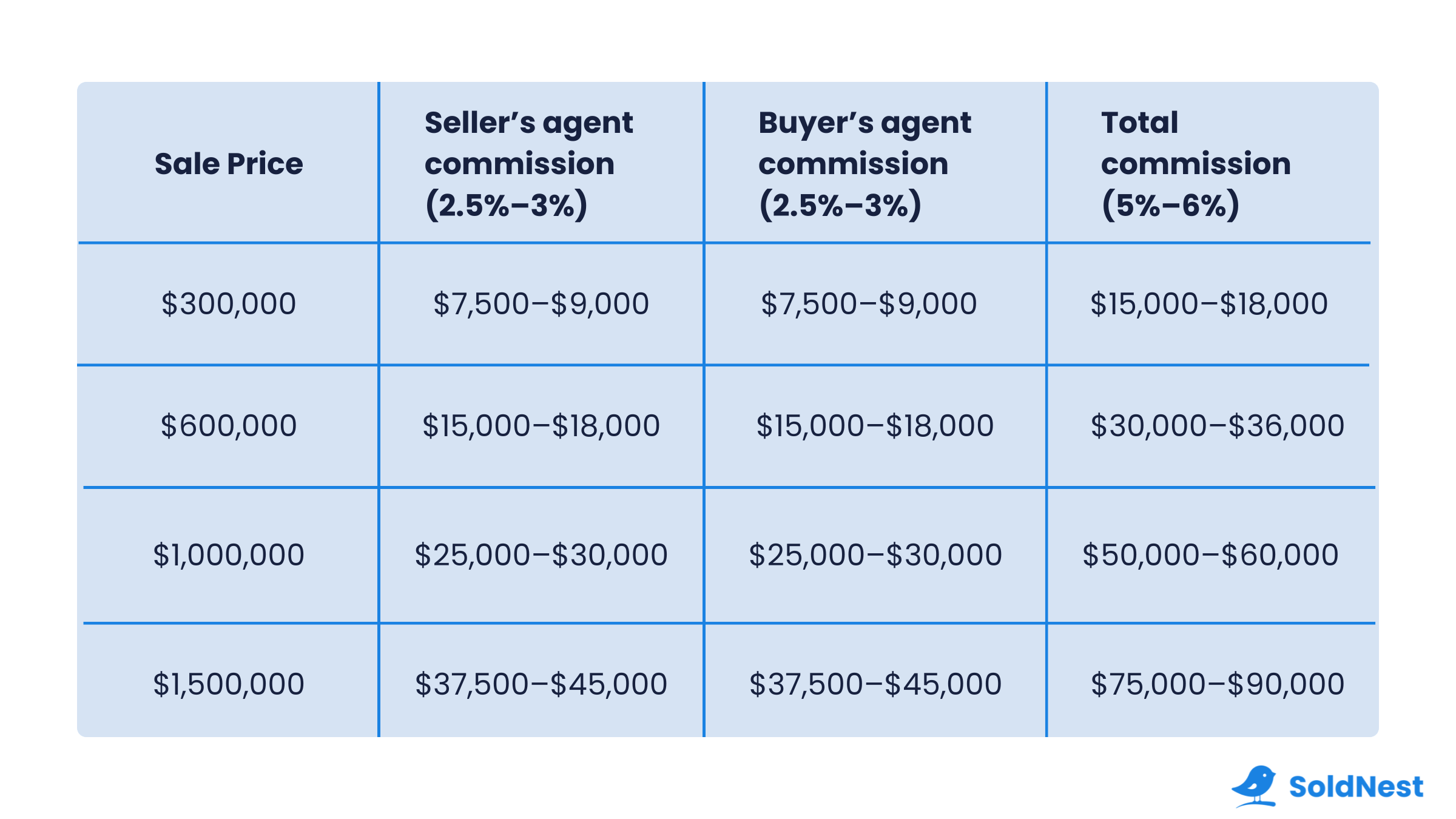
Historically and currently, the standard total commission rate in NYC hovers between 5% and 6% for co-ops and condos, though luxury properties or lower-priced listings may see variations. This total percentage is split evenly—often 2.5% to 3% to the listing brokerage (the listing agent's firm) and 2.5% to 3% to the cooperating brokerage (the buyer's agent's firm).
For example, on a $1,500,000 apartment sale with a 6% total commission, the total fee amounts to $90,000. This sum is deducted directly from the seller's proceeds at closing via the settlement statement prepared by the closing attorney or title company.
What the Commission Covers
Sellers often wonder what services justify these substantial sums. A full-service NYC real estate agent provides a comprehensive suite of professional services designed to maximize net proceeds:
- Comparative Market Analysis (CMA): Evaluating recent comparable sales, active inventory, and expired listings within the specific neighborhood and building type (co-op vs. condo).
- Marketing and Staging: Coordinating professional photography, floor plan drafting, 3D virtual tours, targeted digital advertising, and high-end print collateral.
- Co-op/Condo Package Preparation: Assembling financial disclosures, reference letters, and corporate application materials required by building boards.
- Negotiation and Transaction Management: Vying for the highest price, vetting prospective buyers' financial capabilities, and coordinating with real estate attorneys through contract execution and closing.
Buyer Broker Compensation and Representation Agreements
The landscape of buyer representation changed significantly following nationwide industry settlements enacted in 2024, altering how buyer agents in New York City outline and collect their compensation.
Exclusive Buyer Brokerage Agreements
Buyers working with an agent to purchase a co-op, condo, or townhouse now routinely sign exclusive buyer broker agreements before touring properties. These legally binding contracts define the scope of representation, geographic focus, and exact compensation terms.
While sellers have traditionally offered a cooperating commission split through the Real Estate Board of New York (REBNY) Listing Service or direct negotiation, buyers must be prepared to negotiate or directly cover their agent's fee if the seller's offering is insufficient or zero.
Out-of-Pocket Considerations for Buyers
If a listing explicitly states that no buyer broker commission is offered by the seller, the buyer must either:
- Pay their agent directly out-of-pocket based on the agreed-upon percentage (e.g., 2% to 3% of the purchase price).
- Negotiate a credit or inclusion within the purchase offer, though this can make an offer less competitive in multiple-bid scenarios.
- Represent themselves, bypassing buyer agent representation entirely (though this carries inherent risks, particularly in navigating complex NYC co-op board requirements).
Rental Broker Fees in New York City
Renting an apartment in New York City involves unique fee structures that have long distinguished the local market from the rest of the United States. Tenants navigating the rental market encounter two primary classifications: "no-fee" apartments and "broker-fee" apartments.
Tenant-Paid Broker Fees
Historically, apartments listed through third-party brokerages required the incoming tenant to pay a broker fee ranging from 10% to 15% of the total annual rent.
- The Math: On an apartment renting for $4,000 per month ($48,000 annually), a 15% broker fee equals $7,200 due at lease signing, alongside the first month's rent and security deposit.
- Justification: Agents representing landlords or listing exclusive rental units conduct open houses, vet applicant credit scores and income ratios (typically requiring the guarantor or tenant to earn 40x the monthly rent), and manage lease execution.
No-Fee Apartments and Landlord Concessions
In a "no-fee" listing, the landlord absorbs the cost of the leasing agent or utilizes an in-house leasing team. While advantageous for upfront cash flow, tenants should understand that no-fee apartments often feature slightly higher base rents, as landlords bake the marketing or agent acquisition cost into the long-term pricing strategy.
Summary of NYC Real Estate Agent Fee Structures
| Transaction Type | Typical Fee Range | Responsible Party | Common Payment Timing |
|---|---|---|---|
| Co-op/Condo Sale | 5% to 6% of purchase price | Seller (splits between listing and buyer agents) | At closing (deducted from proceeds) |
| Buyer Representation | 2% to 3% of purchase price (or flat fee) | Buyer (unless covered by seller commission offer) | At closing or per agreement terms |
| Rental Apartment | 10% to 15% of annual rent (or 1 month) | Tenant (in broker-fee units) | At lease signing |
| Rental Listing (No-Fee) | Paid by landlord | Landlord | Per private landlord-agent contract |
Negotiation Strategies for Real Estate Fees
Real estate commissions in New York City are negotiable by law. There is no legally mandated or fixed rate, and consumers can successfully negotiate terms under specific market conditions.
Factors Influencing Fee Flexibility
- Property Value and Liquidity: High-value luxury properties ($5M+) or highly liquid, easy-to-sell apartments in prime Manhattan or Brooklyn neighborhoods often attract aggressive commission discounting from competing brokerages willing to accept 4% or lower total splits.
- Dual Agency and Designated Sales: If the same agent or brokerage represents both the buyer and the seller (where legal and disclosed), dual agency arrangements may allow for a reduced total commission structure.
- Exclusive Right to Sell vs. Open Listings: Granting an agent an exclusive right to sell provides them with the security of compensation, making them more amenable to a tiered or reduced commission structure if the property sells quickly.
Legal and Regulatory Framework in New York
Real estate transactions in New York are heavily regulated by the New York Department of State (DOS) and governed by strict agency disclosure laws.
Mandatory Agency Disclosure
Licensed real estate salespersons and brokers in New York must present a written New York State Agency Disclosure Form at the first substantive contact. This document clarifies whether the agent represents the seller, the buyer, or acts as a dual agent, ensuring transparency regarding fiduciary duties and loyalty.
Licensing and Escrow Protection
Agents must maintain active licenses issued by the DOS. Furthermore, client funds—such as rental deposits, earnest money, or down payments—must be held in designated escrow accounts managed in accordance with state banking and real estate regulations, protecting consumers from commingling of funds.
Frequently Asked Questions
Are real estate agent commissions in NYC fixed by law?
No. Real estate commissions are entirely negotiable between the client and the brokerage. Any claim that a standard rate is legally required violates antitrust laws. Rates fluctuate based on market competition, property type, and the scope of services provided.
Can a buyer deduct real estate agent fees from their taxes?
Generally, no. For residential property buyers, agent fees and broker commissions cannot be deducted directly from income taxes. Instead, these transaction costs are added to the cost basis of the property, which can reduce capital gains taxes when the property is eventually sold.
Who pays the closing attorney in an NYC real estate transaction?
Both buyers and sellers retain their own independent real estate attorneys in NYC. Each party is responsible for paying their respective legal fees, which are separate from real estate agent commissions and typically billed as a flat fee or hourly rate.
What happens to the broker fee if a rental application is denied?
If a tenant pays a broker fee or good-faith deposit and the landlord rejects the application, the broker and landlord are generally required to return the funds promptly, provided no binding lease has been executed and no willful misrepresentation occurred on the application. Specific terms should always be verified in writing prior to transferring funds.
How do co-op boards view agent commissions during a sale?
Co-op boards are primarily concerned with the financial stability of the prospective buyer and the integrity of the building's asset values. While boards do not directly dictate agent commissions, they carefully review the buyer's debt-to-income ratio and post-closing liquidity to ensure that paying any out-of-pocket buyer broker fees does not jeopardize the buyer's ability to maintain monthly maintenance payments.
Conclusion and Next Actions
Navigating real estate agent fees in New York City requires careful review of your transaction type, market conditions, and contractual obligations. Whether you are preparing to list a property as a seller, sign an exclusive buyer representation agreement, or secure a rental apartment, transparency is your best safeguard. Before signing any contract or committing funds, request a written breakdown of estimated fees, verify agent licensing credentials with the New York Department of State, and consult with a qualified real estate attorney to ensure your financial interests are fully protected.
Image Gallery