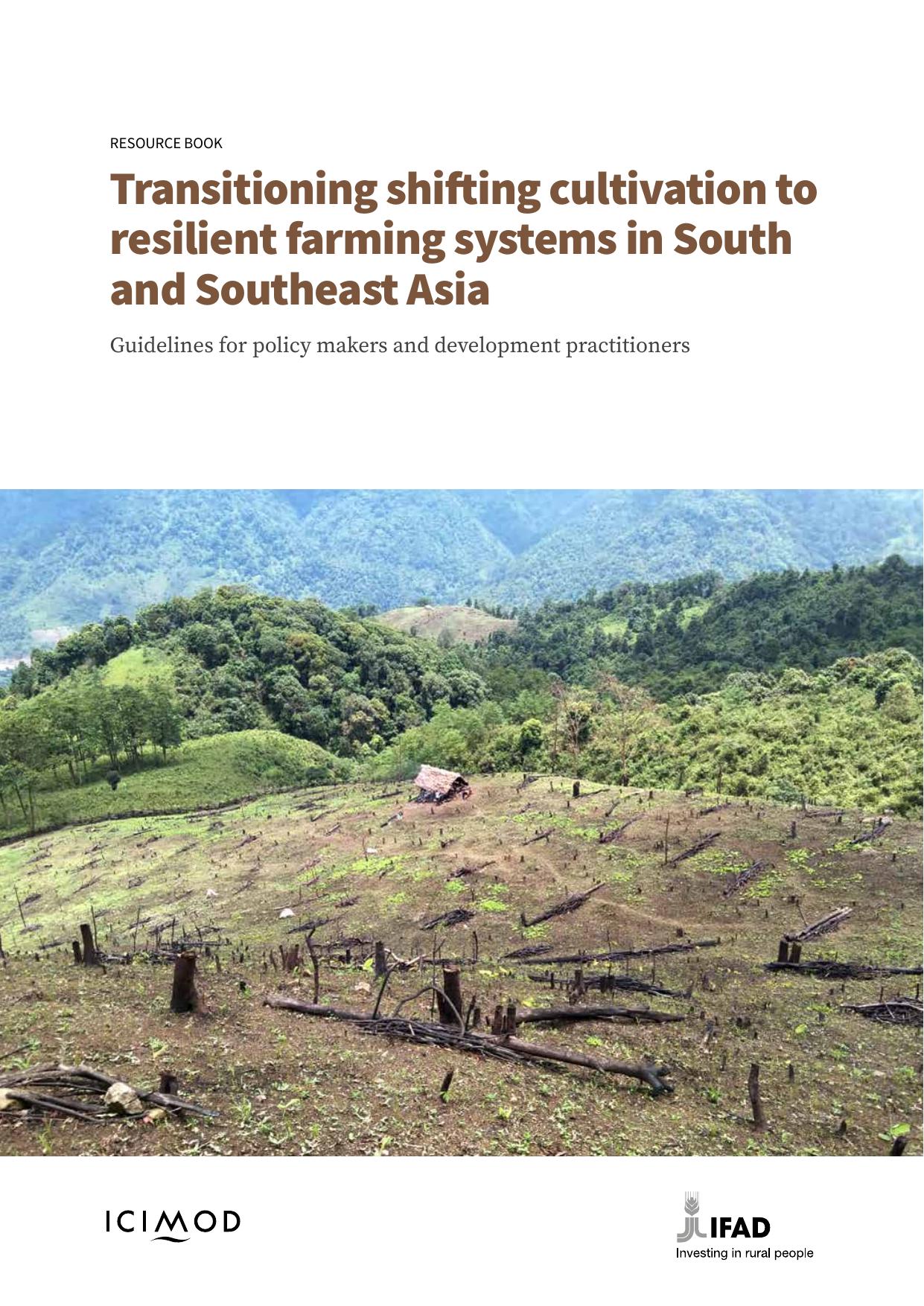
Shifting Cultivation: Definition, Geographic Distribution, and Agronomic Dynamics
Shifting cultivation is an agricultural system in which plots of land are cultivated temporarily and then abandoned, allowing the soil to naturally regenerate through fallow periods while farmers move to new clearing areas. This practi...
Shifting cultivation is an agricultural system in which plots of land are cultivated temporarily and then abandoned, allowing the soil to naturally regenerate through fallow periods while farmers move to new clearing areas. This practice, primarily occurring in tropical regions, relies on manual labor and ecological succession to maintain long-term soil fertility and suppress weeds.
Contents
Defining the Mechanics of Shifting Cultivation
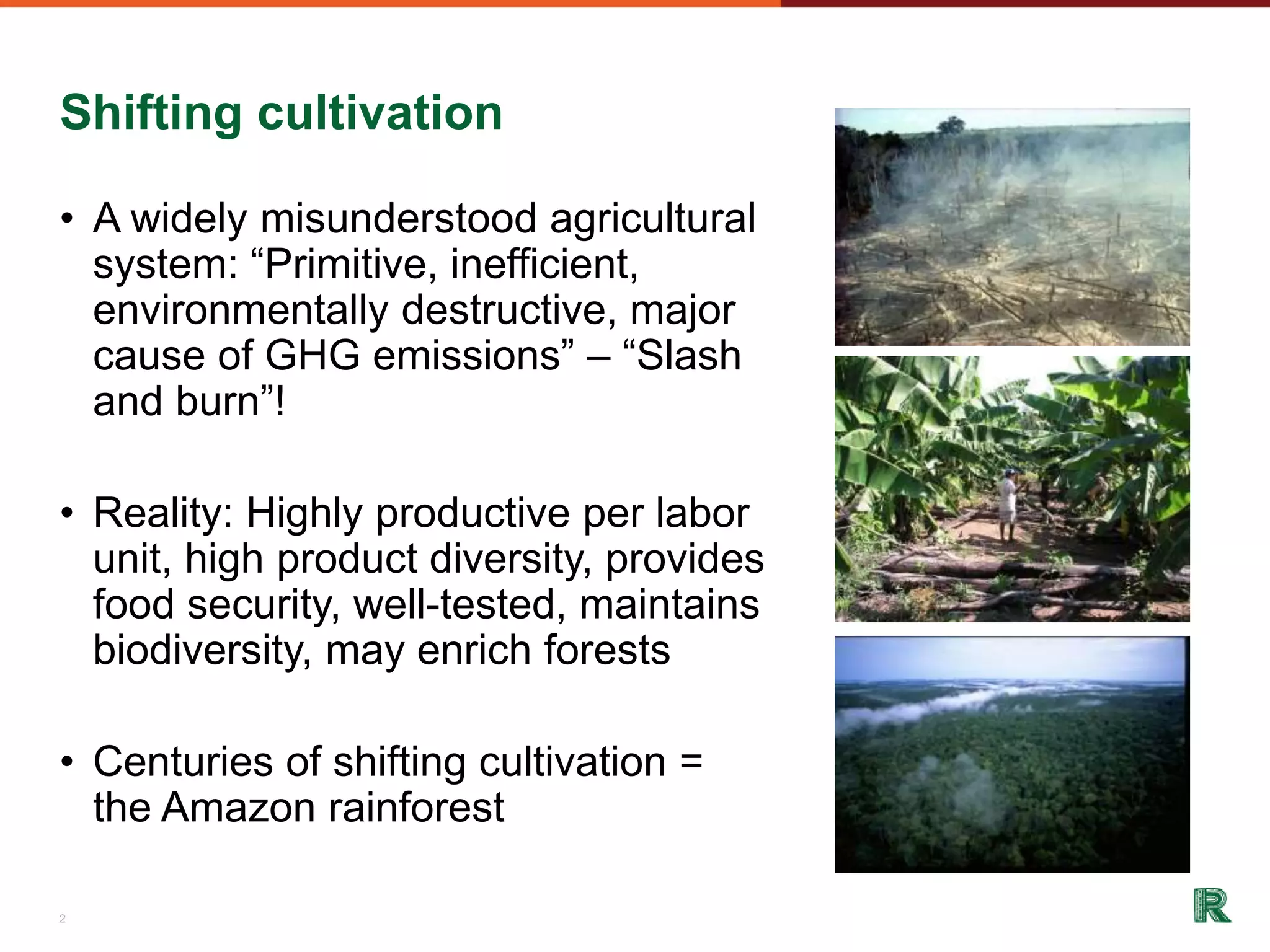
Shifting cultivation, often referred to as "slash-and-burn" or "swidden" agriculture, is a cycle-based land-use strategy. Unlike intensive sedentary farming that relies on chemical fertilizers or mechanized monocropping, this system functions by mimicking the dynamics of natural forest regeneration.
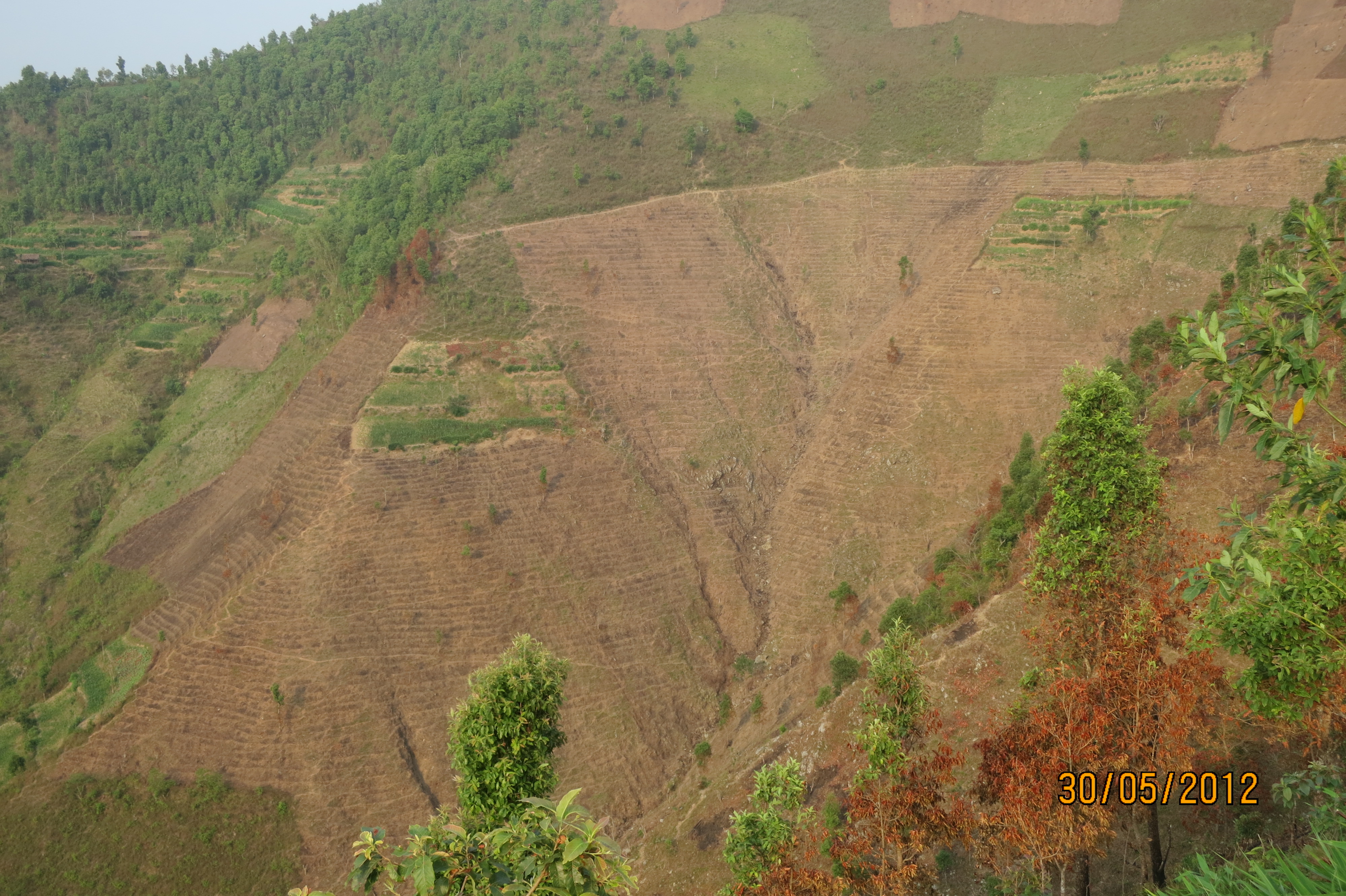
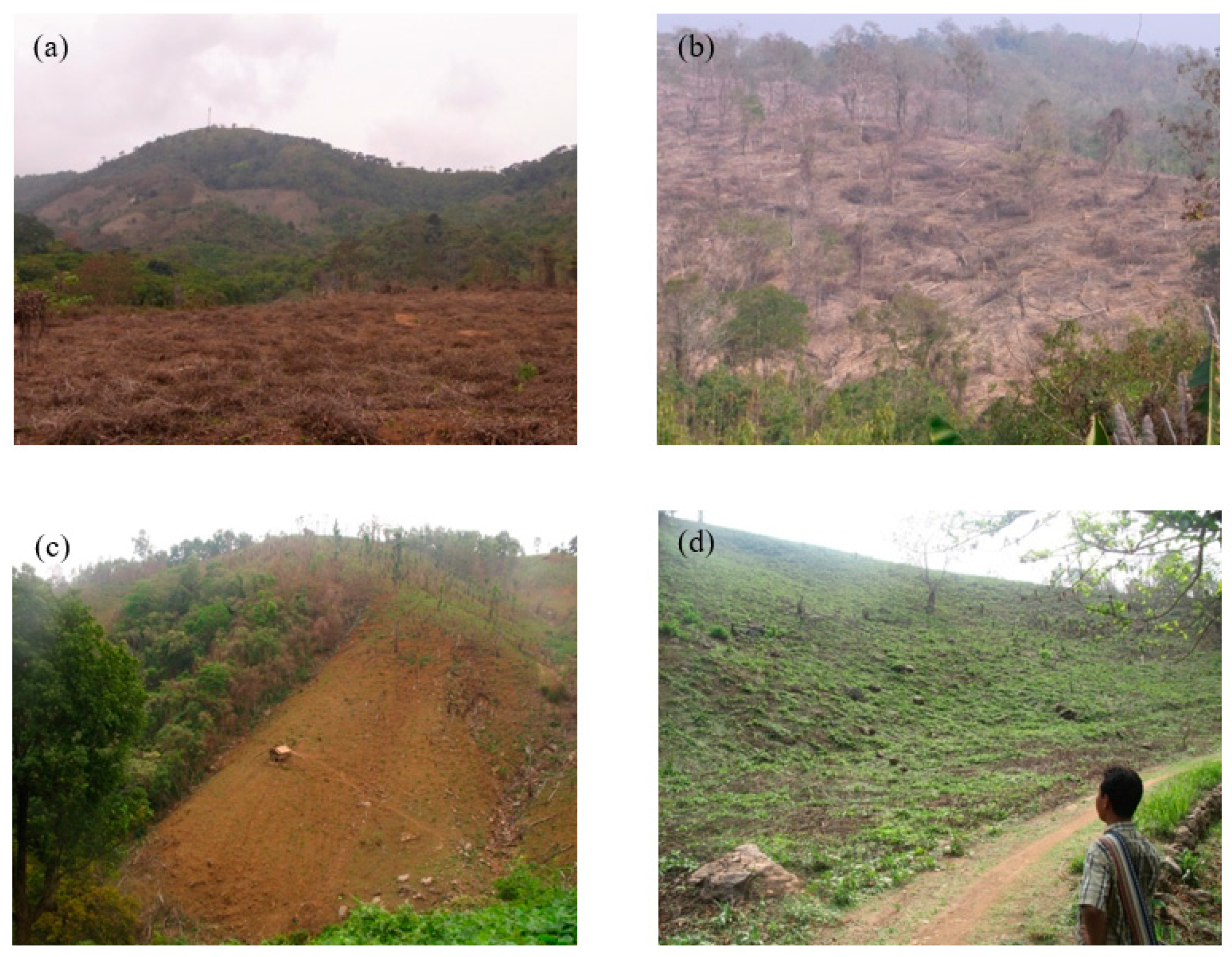
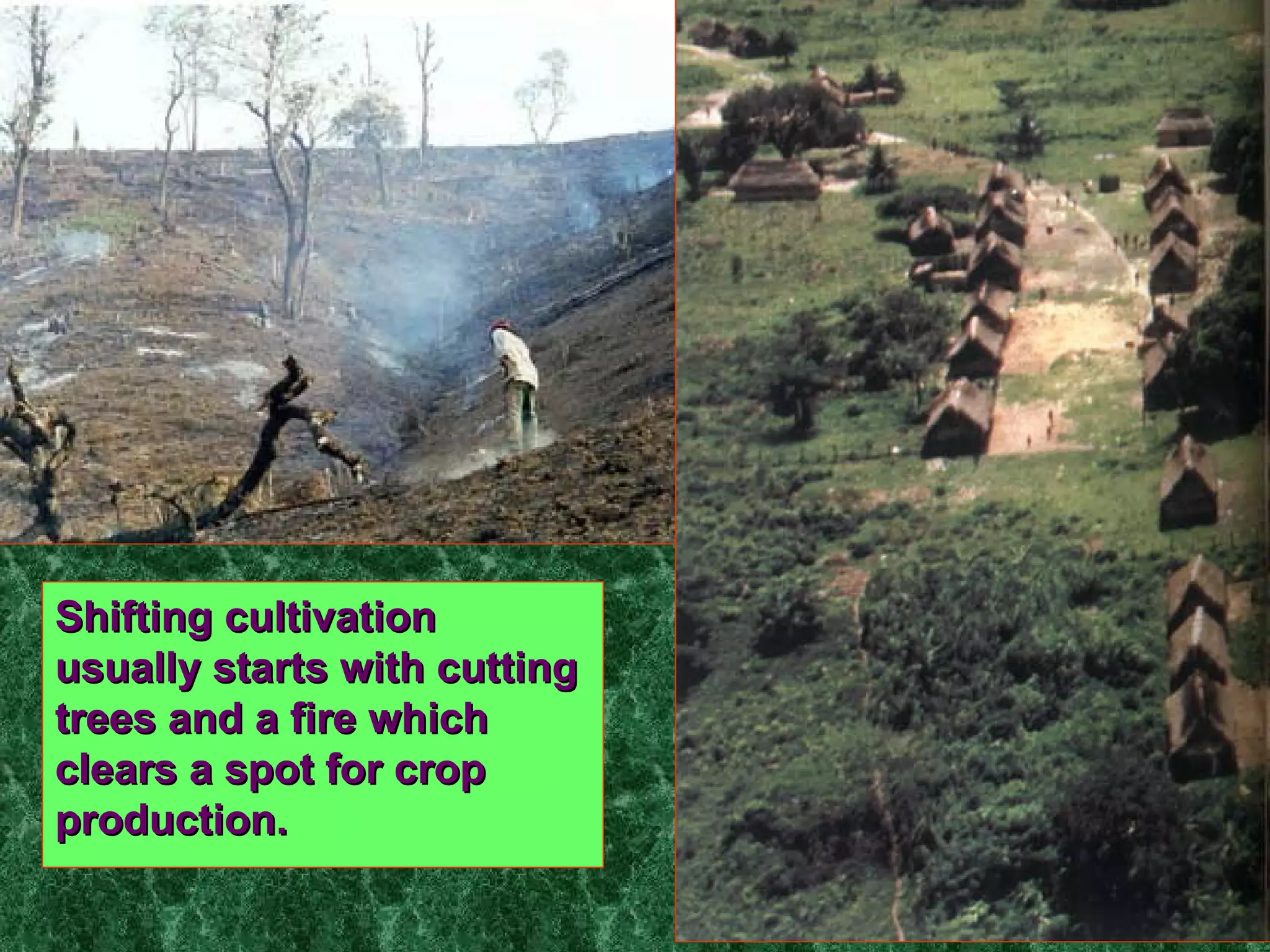
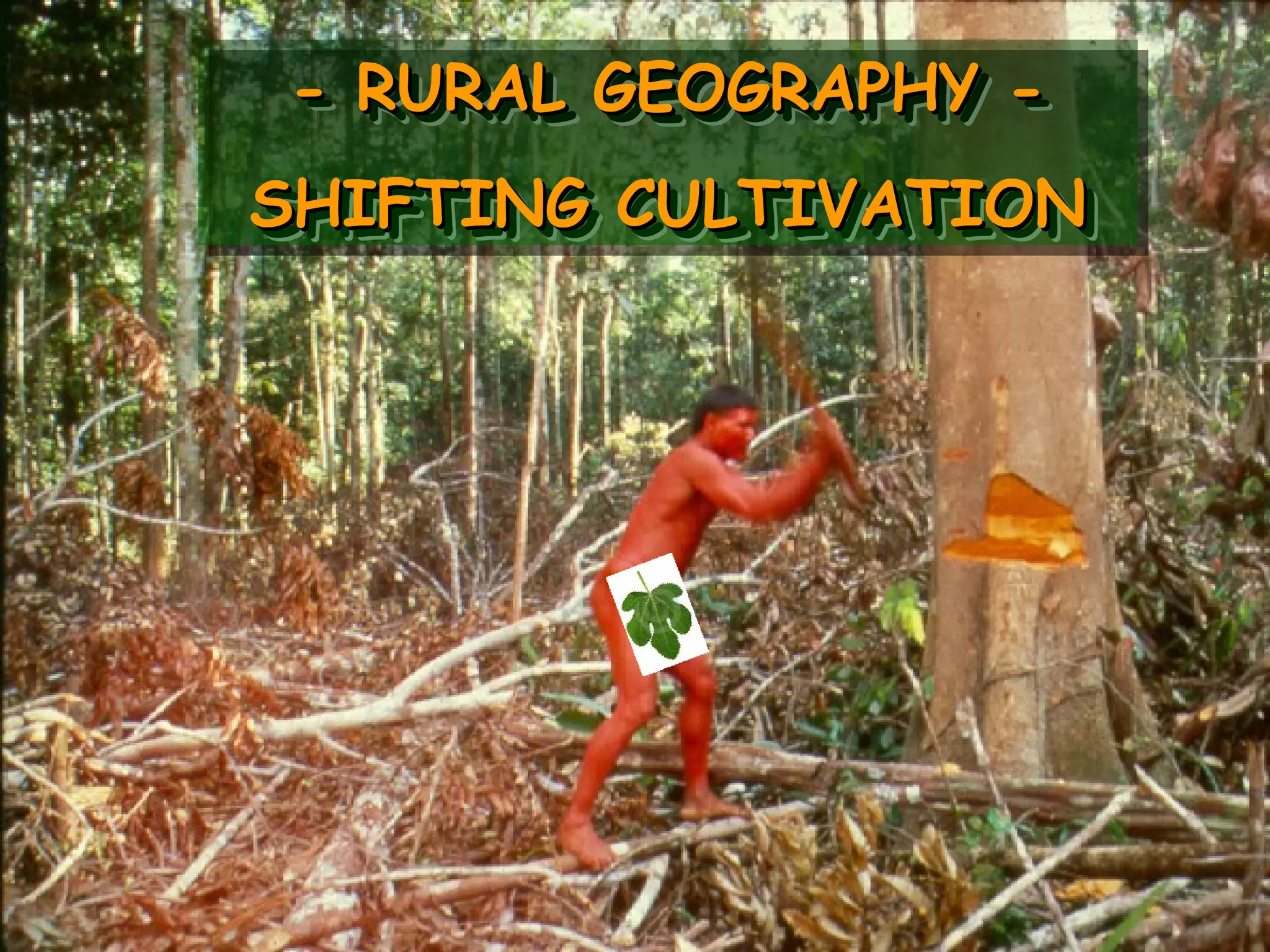
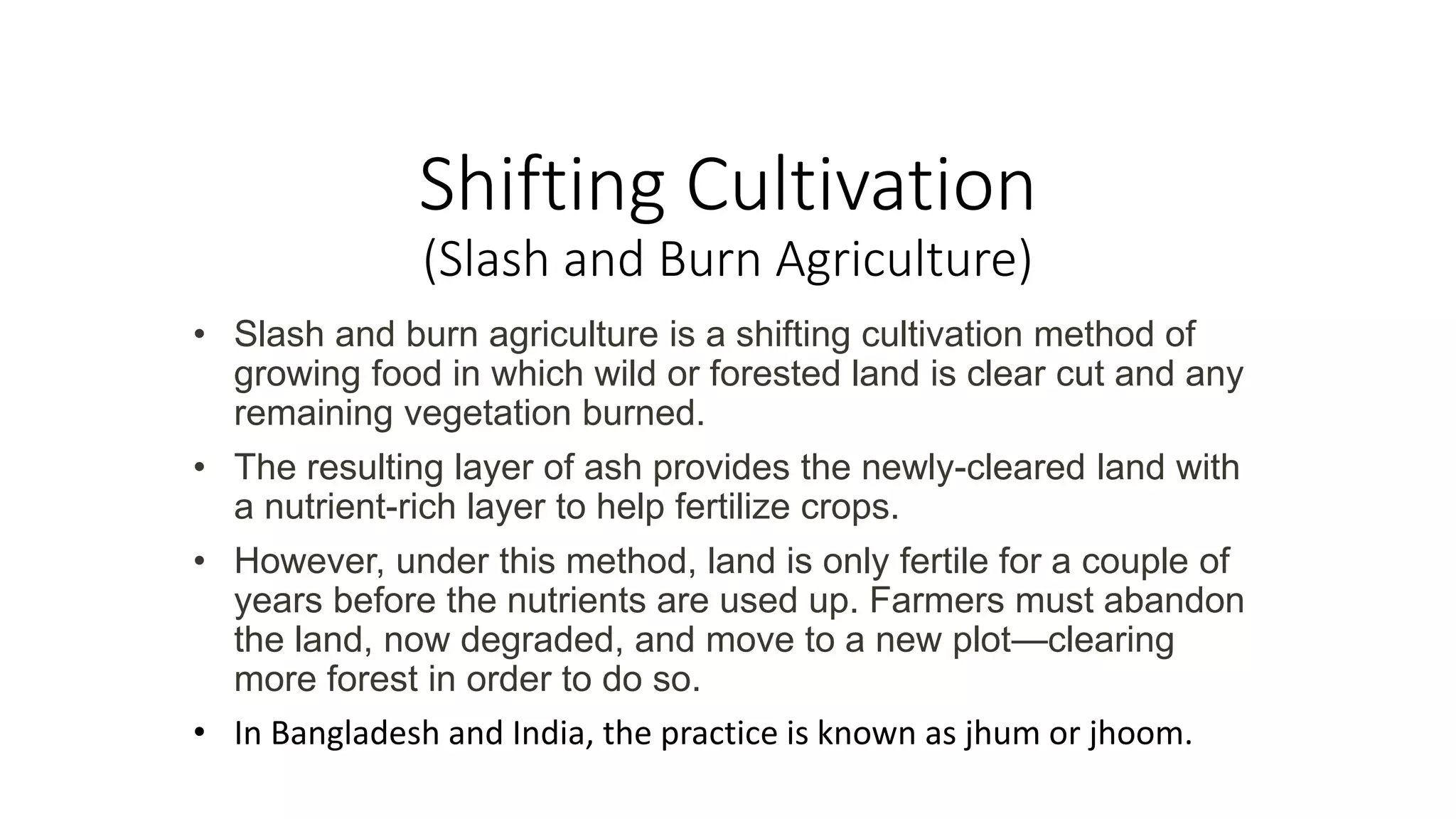
The cycle begins with the selection of a forest patch. Farmers clear the vegetation—usually through cutting and controlled burning. The ash generated from the burning process provides a necessary, albeit transient, infusion of nutrients such as potassium, calcium, and magnesium into the topsoil. Following this, crops are planted, often in a polycultural arrangement that mimics the structural complexity of a forest ecosystem.
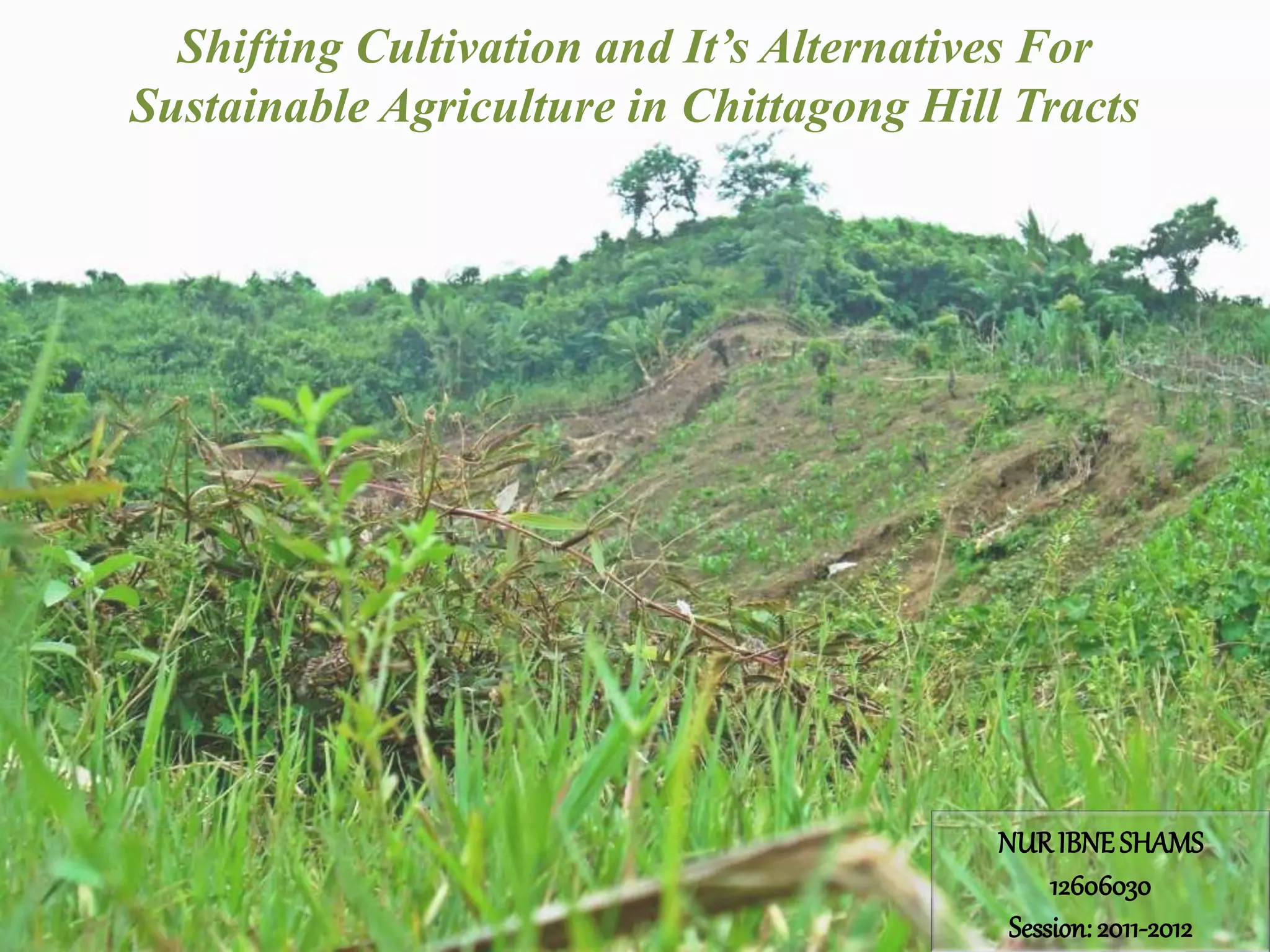
As nutrient levels decline and weed competition increases, the yield begins to drop. Rather than attempting to force productivity through chemical inputs, the farmers shift their agricultural activities to a different plot. The original area is left to lie fallow. During this fallow period, secondary forest growth occurs, which plays a critical role in restoring organic matter, stabilizing soil structure, and replenishing nitrogen-fixing bacteria. The duration of the fallow period is the most important factor in the sustainability of the system; if the rotation is too short, the ecosystem cannot recover, leading to soil degradation.
Geographic Distribution and Climatic Context
Shifting cultivation is predominantly found in the humid tropics and subtropics. Its distribution is heavily dictated by climate, topography, and population density.
Tropical Rainforest Zones
The most extensive practice of shifting cultivation occurs within the tropical belt, specifically:
- The Amazon Basin: Indigenous communities continue to manage forest patches using traditional swidden techniques, focusing on diverse crop assemblages including manioc, plantains, and various tubers.
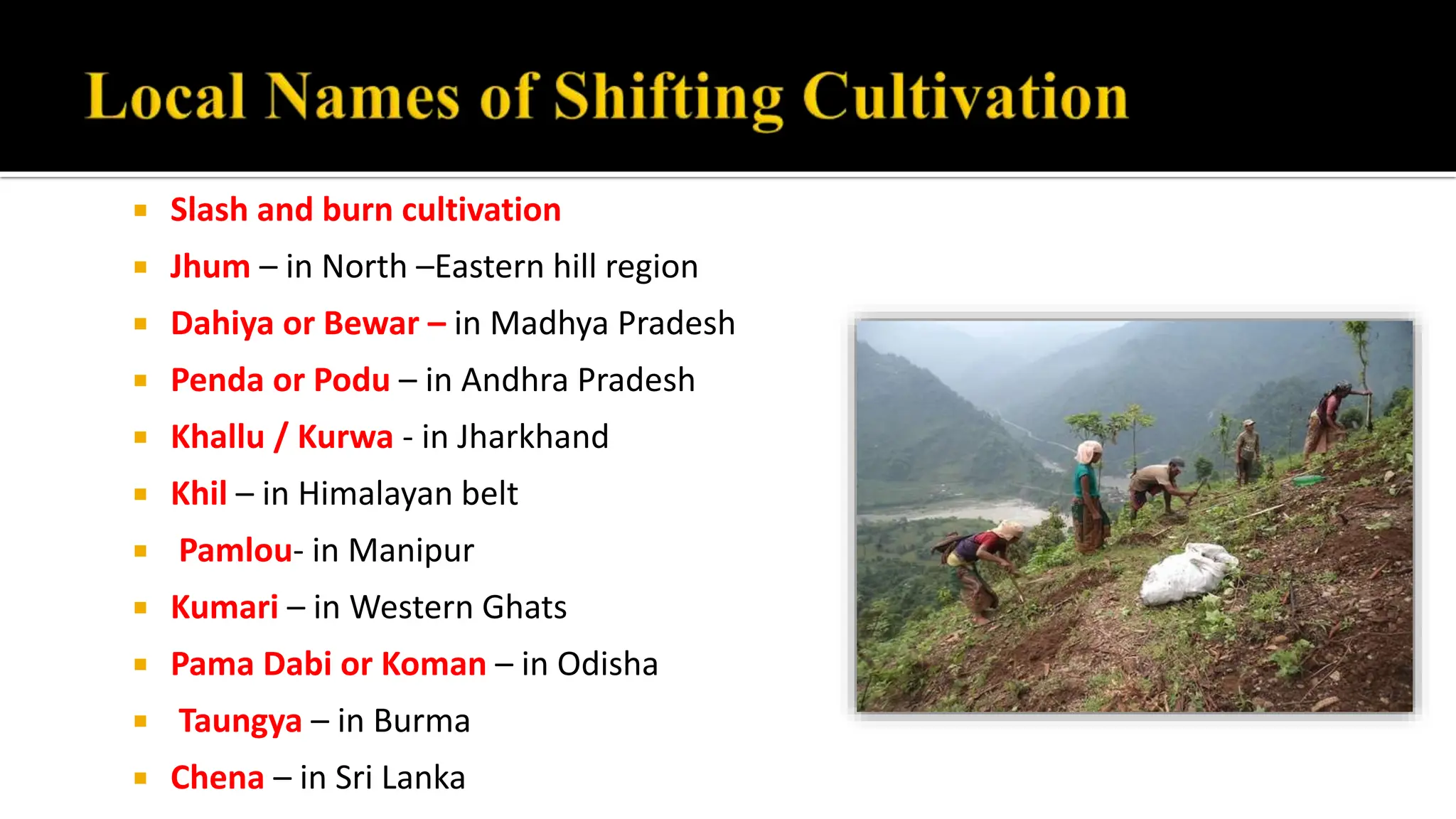
- Southeast Asia: In countries such as Laos, Indonesia, and the Philippines, swidden agriculture is practiced in upland and mountainous regions where sedentary wet-rice cultivation is geographically constrained by topography.
- Sub-Saharan Africa: The Congo Basin and parts of West Africa utilize shifting cultivation as a primary subsistence strategy. In these regions, the system is adapted to handle acidic, nutrient-poor oxisols and ultisols that characterize the equatorial forest zone.
Climatic Requirements
The system is most effective in environments with high rainfall and temperatures that promote rapid biomass accumulation. In drier environments, the pace of vegetative regeneration is significantly slower, making the fallow cycle inefficient. Furthermore, the practice is more prevalent in regions with undulating or steep terrain where intensive, mechanized agriculture would result in catastrophic soil erosion.
Comparative Analysis of Agricultural Systems
The following table outlines the fundamental differences between shifting cultivation and modern sedentary agriculture.
| Feature | Shifting Cultivation | Sedentary Agriculture |
|---|---|---|
| Input Reliance | Minimal (Manual/Ash) | High (Chemical/Mechanical) |
| Soil Management | Fallow-based regeneration | Synthetic fertilizers/Cover crops |
| Diversity | High (Polyculture/Intercropping) | Low (Monoculture) |
| Labor Source | Human/Animal power | Mechanical/Automated |
| Land Tenure | Often communal/Customary | Private property/Formal deeds |
Prerequisites and Operational Requirements
For shifting cultivation to remain a viable, non-destructive strategy, several conditions must be met:
- Low Population Density: The system requires a high land-to-person ratio. If the population increases, the pressure to shorten the fallow period grows, eventually breaking the cycle of nutrient replenishment.
- Access to Large Land Reserves: Farmers must have access to sufficient secondary forest to cycle through plots over an extended timeframe, often spanning 10 to 20 years per cycle.
- Knowledge of Local Ecology: Practitioners must possess deep knowledge of plant succession, soil types, and seasonal weather patterns to determine when to clear and when to leave a plot.
- Community Land Tenure: Because the land is moved across periodically, formal individual titles are often incompatible with the practice, necessitating communal or traditional land management structures.
Challenges and Sustainability in the 21st Century
As of 2026, shifting cultivation faces significant scrutiny due to its association with deforestation and carbon emissions. When the fallow cycle is strictly adhered to, the system is considered carbon-neutral because the vegetation regrown during the fallow period sequester the carbon released during the initial clearing. However, global market pressures have led to "short-cycle" farming, where land is cleared before the forest has fully regenerated.
This shortening of the fallow period is the primary driver of ecological damage. When land is not allowed to recover, soil erosion accelerates, biodiversity diminishes, and the land may eventually become degraded to the point of turning into grasslands or barren scrub, which are far less productive than the original forest cover.
Frequently Asked Questions
Why is shifting cultivation sometimes called "slash-and-burn"? The term refers to the method of land clearing. Vegetation is cut (slashed) and then burned to clear the ground and provide an immediate, natural fertilizer boost to the soil.
Is shifting cultivation always harmful to the environment? Not inherently. When practiced with long fallow periods, it is a sustainable method of subsistence. It becomes harmful only when external pressures force farmers to return to plots too frequently, preventing ecological recovery.
How does shifting cultivation differ from nomadic pastoralism? Shifting cultivation involves moving the site of agricultural production for crop growth, whereas nomadic pastoralism involves the seasonal movement of livestock to follow grazing lands.
Why don't shifting cultivators just use fertilizers to stay on one plot? In many regions where this is practiced, farmers lack access to capital, infrastructure, and markets for fertilizers. Additionally, many tropical soils are highly acidic and prone to leaching, making simple chemical inputs less effective than organic matter provided by forest regrowth.
What is the role of the fallow period? The fallow period is the restorative phase. It allows deep-rooted trees to pull nutrients from subsoil layers, provides leaf litter that turns into humus, and breaks the life cycle of agricultural pests.
Recommendations for Future Land Management
To balance the necessity of food security with environmental health, policymakers should focus on supporting agroforestry models. Agroforestry integrates trees and shrubs into crop systems, providing many of the benefits of a natural forest while allowing for a more sedentary lifestyle. Encouraging the use of fast-growing nitrogen-fixing legumes during fallow periods can also assist in speeding up the recovery of soil fertility, effectively shortening the required rest period without compromising long-term environmental integrity.
Image Gallery