The Drunk Raccoon Liquor Store Story: Fact Check, Wildlife Science, and Business Lessons
In December 2017, a wild raccoon gained international fame after breaking into a Virginia Department of Alcoholic Beverage Control (ABC) store in Ashland, Virginia. The animal fell through ceiling tiles, knocked over several bottles of...
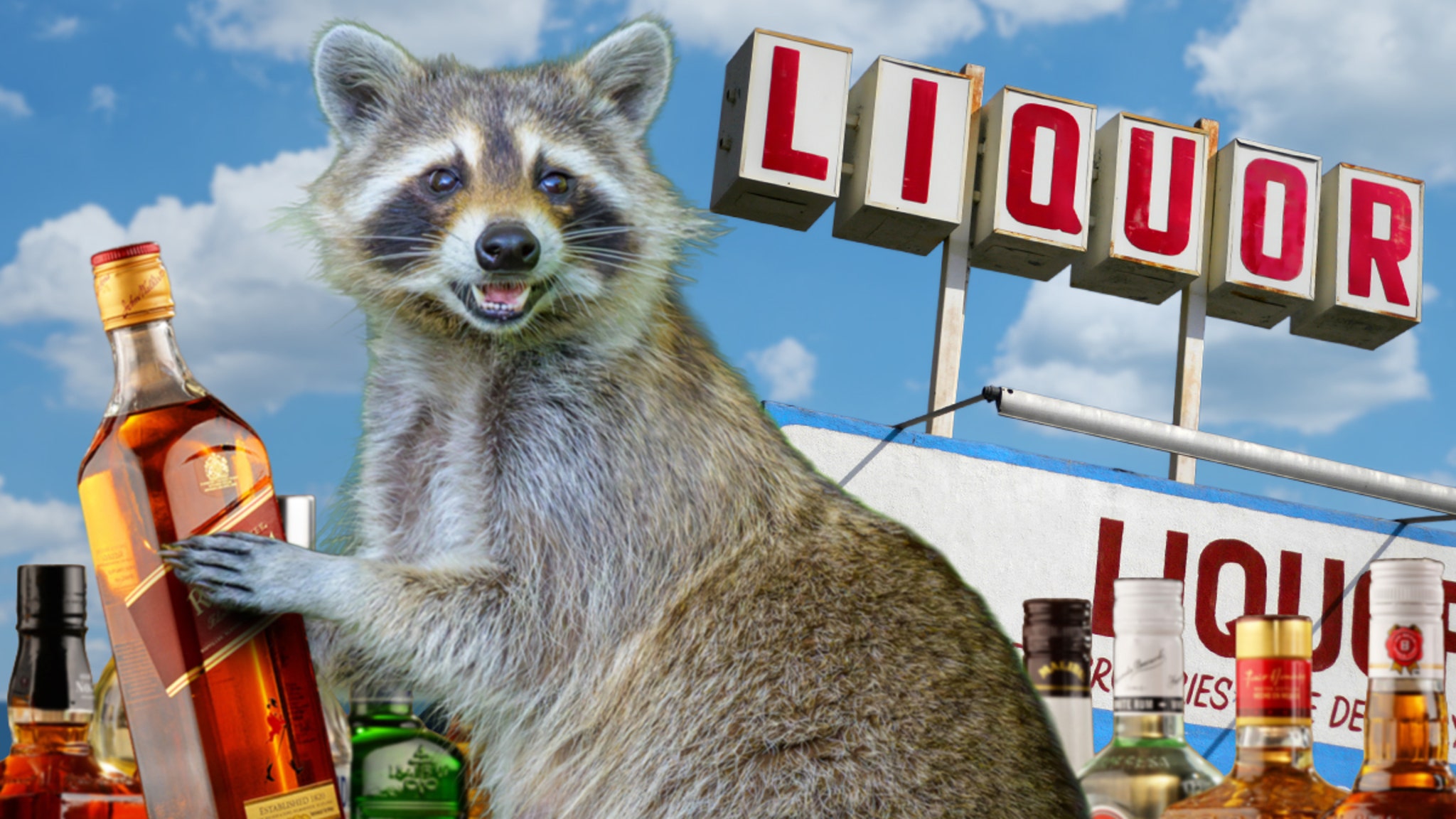
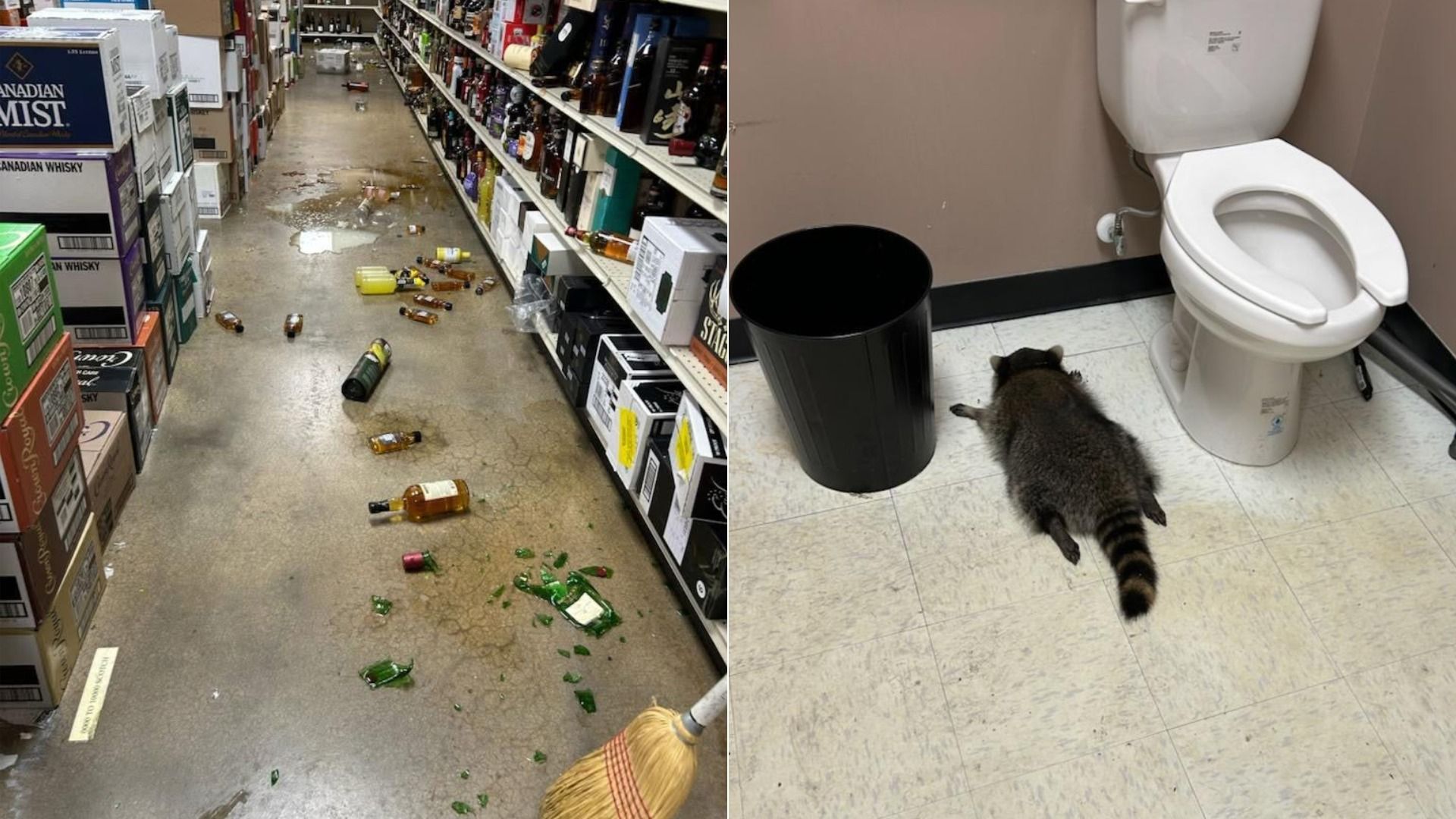
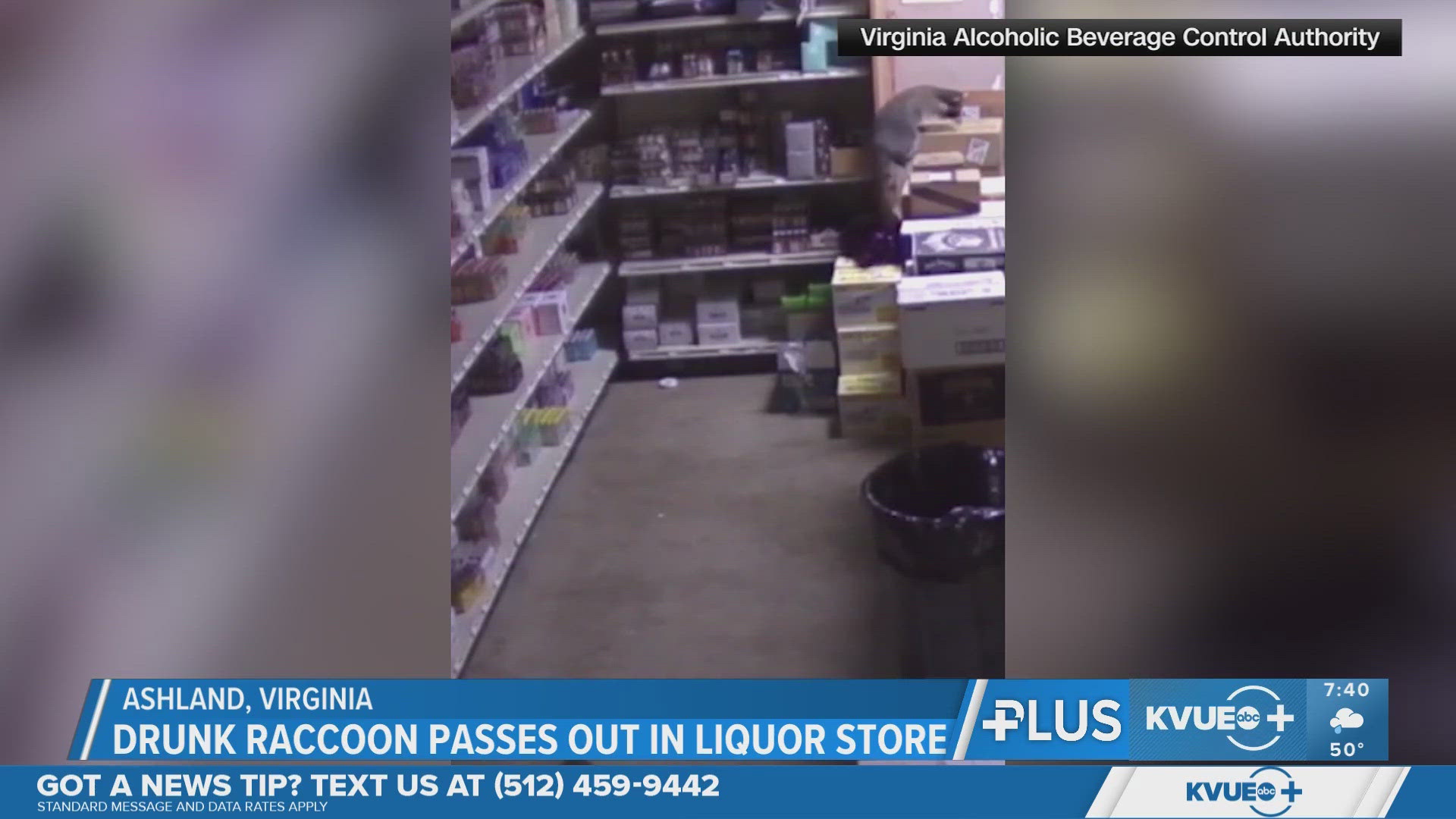
In December 2017, a wild raccoon gained international fame after breaking into a Virginia Department of Alcoholic Beverage Control (ABC) store in Ashland, Virginia. The animal fell through ceiling tiles, knocked over several bottles of liquor, drank spilled Scotch, and passed out drunk. Local animal control officers safely retrieved the raccoon, monitored its recovery, and released it back into the forest.
Contents
The Ashland, Virginia ABC Store Incident: What Really Happened
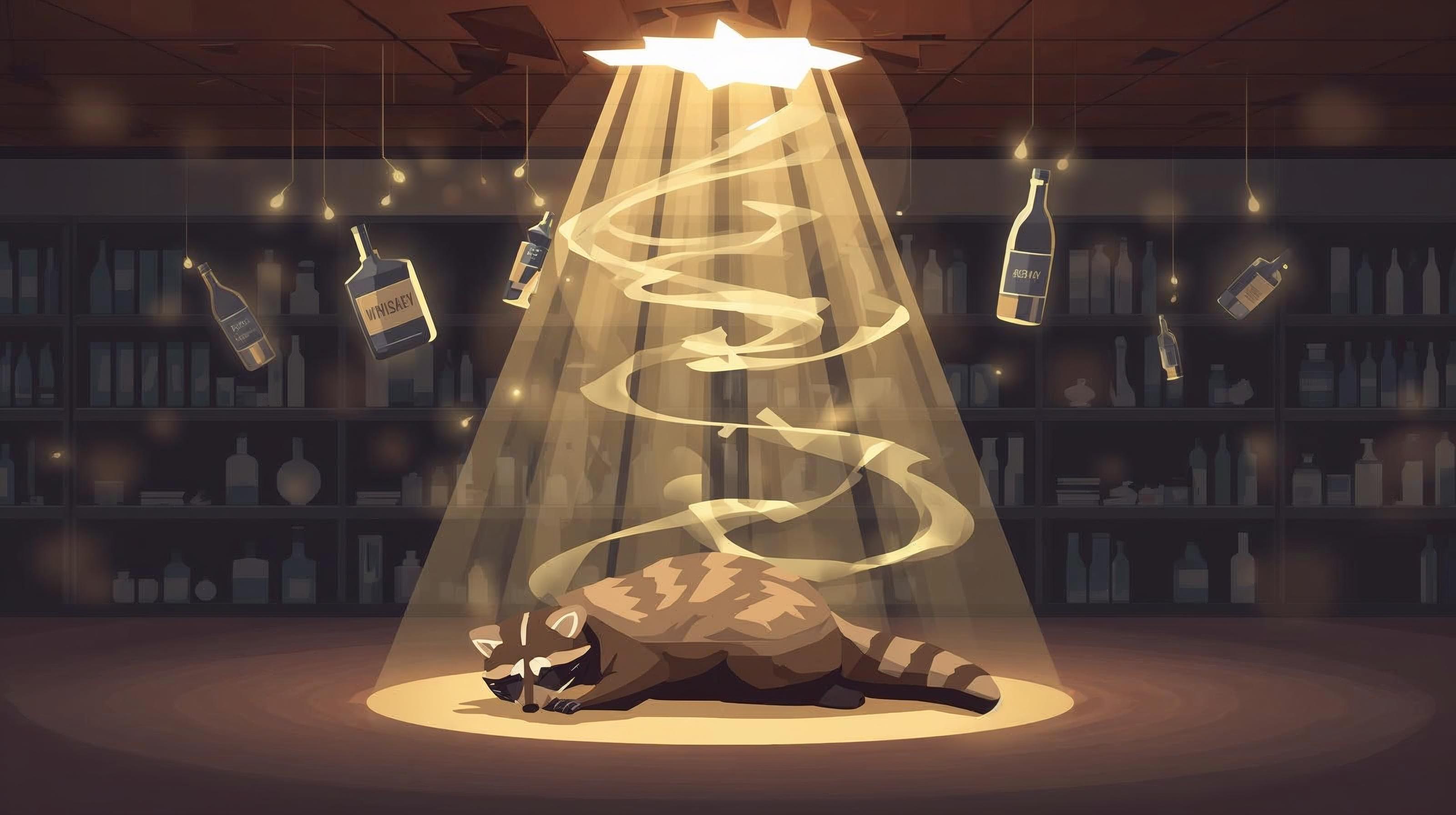
The event took place in early December 2017 at an ABC retail branch located in Ashland, Hanover County, Virginia. Store employees arriving for their shift discovered a scene of moderate destruction inside the commercial space: broken glass, spilled liquid along the aisles, damaged overhead ceiling tiles, and a thoroughly incapacitated raccoon lying on the floor in an intoxicated state.
Investigative findings by store management and local law enforcement revealed that the raccoon had gained entry to the building through an upper exterior roof breach or utility access point. Once inside the ceiling plenum, the animal crawled across the suspended grid ceiling until the lightweight ceiling tile collapsed under its weight.
- Roof/Utility Breach
- Ceiling Plenum Access
- Tile Structural Failure
- Retail Floor Fall
- Liquid Consumption
After falling onto the sales floor, the raccoon encountered shattered bottles of high-proof alcohol—specifically Bourbon and Scotch whiskey. Attracted by the strong scent and sweetness inherent in aged distilled spirits, the raccoon lapped up the liquid pooled on the flooring.
The Response by Hanover County Animal Control
Recognizing that the animal was disoriented, uncoordinated, and incapable of escaping on its own, store staff alerted Hanover County Animal Control. Officer Samantha Martin responded to the call. Upon arrival, Officer Martin confirmed that the raccoon exhibited textbook signs of acute alcohol intoxication, including lethargy, loss of motor control, sluggish reflexes, and an inability to maintain balance.
Rather than euthanizing the animal or treating it as a standard pest infestation, the animal control unit executed a humane intervention protocol:
- Safe Capture: The animal was placed in a secure transport cage using minimal physical restraint to prevent injury or stress.
- Medical Assessment: Responders verified that the raccoon suffered no fractures, cuts from broken glass, or acute structural injuries from the fall.
- Detoxification Period: The raccoon was transferred to an animal control holding facility where it was supplied with clean water and kept in a quiet, dark environment to recover.
- Rabies Screening Evaluation: Because raccoons are primary rabies vector species in Virginia, officers closely observed the animal to ensure its neurological symptoms were caused purely by ethanol consumption rather than viral encephalitis.
- Wild Release: After roughly 48 hours of observation, once the raccoon fully regained motor coordination, appetite, and natural fear of humans, it was released into a safe wooded habitat nearby.
Veterinary Physiology: How Alcohol Affects Raccoons
Understanding why a wild raccoon would ingest liquor—and how its body processes ethanol—requires an examination of mammalian metabolic pathways and foraging behaviors.
Why Raccoons Seek Out Fermented and Alcohol-Bearing Liquids
Raccoons (Procyon lotor) are highly adaptable omnivores equipped with sensitive tactile paws and an acute sense of smell. In nature, their diet includes overripe fruits, berries, and vegetation that undergo natural yeast fermentation, producing trace amounts of ethanol. Consequently, raccoons possess a high olfactory tolerance for alcoholic vapors and often associate the aromatic esters of distilled grains with dense caloric rewards.
When faced with spilled liquor in a retail setting, the high sugar content and intense aroma of barrel-aged spirits attract the animal. Unlike humans, wild animals lack evolutionary mechanisms or behavioral inhibitions to limit consumption based on toxicity thresholds, leading them to consume dangerous quantities in short periods.
Metabolic Impact and Toxicity Hazards
The metabolic pathway of ethanol in raccoons mirrors that of other mammals, but their small body mass (typically 8 to 20 pounds) dramatically amplifies the physiological impact.
- Rapid Absorption: Ethanol is rapidly absorbed through the gastric lining into the bloodstream, bypassing slow digestive processes.
- Hepatic Processing: The liver processes alcohol via alcohol dehydrogenase (ADH) enzymes, converting ethanol to acetaldehyde and subsequently to acetate. Because a raccoon's body mass is a fraction of a human's, a few ounces of 40% ABV liquor can push blood alcohol concentration (BAC) to severe toxicity levels.
- Central Nervous System Depression: Alcohol acts as a gamma-aminobutyric acid (GABA) agonist and NMDA receptor antagonist, causing ataxia (loss of voluntary coordination), hypothermia, respiratory depression, and severe dehydration.
- Risk of Aspiration and Dehydration: Intoxicated wildlife face severe mortality risks not just from alcohol poisoning, but from secondary dangers such as vomiting while unconscious (leading to aspiration pneumonia) or acute dehydration.
Notable Intoxicated Wildlife Incidents: A Comparative Analysis
The Ashland liquor store raccoon is part of a broader pattern of urban wildlife encountering human-manufactured alcohol or fermenting food sources.
| Year | Location | Subject / Animal | Alcohol Source | Primary Cause | Outcome |
|---|---|---|---|---|---|
| 2017 | Ashland, Virginia, USA | North American Raccoon | Retail Scotch / Whiskey | Store roof entry & dropped ceiling collapse | Captured by Animal Control, detoxed, released to wild. |
| 2019 | Erfurt, Thuringia, Germany | Wild Raccoon | Discarded Mulled Wine (Glühwein) | Littering at public Christmas market | Captured by local authorities; euthanized under EU invasive species regulations. |
| 2011 | Gothenburg, Sweden | Moose (Alces alces) | Fermented apples in orchard | Seasonal foraging on rotting fallen fruit | Rescued by emergency services after getting stuck in a tree; sobered up independently. |
| 2018 | Gilbert, Minnesota, USA | Migratory Birds (Robins/Waxwings) | Fermented berries | Early freeze causing premature berry fermentation | Temporarily disoriented flight paths; recovered naturally as fruit metabolized. |
| 2021 | Milton, West Virginia, USA | Raccoons (Multiple) | Fermented crabapples | Suburban landscape fruit decomposition | Captured by Milton Police Department under suspicion of rabies; confirmed drunk and released. |
Commercial Property Security: Preventing Wildlife Intrusion
The 2017 Ashland incident highlighted serious vulnerabilities in commercial building envelopes, particularly for businesses holding inventory that attracts pests or urban wildlife. Liquor stores, grocery markets, and food distribution centers face distinct structural risks.
Points of Entry for Urban Raccoons
Raccoons possess remarkable dexterity and strong limbs capable of tearing through weakened building materials. Common commercial vulnerability points include:
- Roof Soffits and Fascia Boards: Wooden structural elements softened by moisture rot allow raccoons to pull away panels and enter attic voids.
- HVAC and Exhaust Vents: Unscreened or inadequately covered roof louvers provide direct access into HVAC ductwork and drop-ceiling plenums.
- Utility Penetrations: Unsealed gaps around electrical conduit, refrigeration pipes, or plumbing stacks running through exterior walls.
- Loading Docks and Overhead Doors: Worn rubber weather seals or doors left propped open during delivery cycles allow immediate ground-level entry.
Mitigation Strategies for Retail Operations
Commercial property managers can minimize wildlife intrusion risks by enforcing strict structural maintenance and pest control standards:
- Quarterly Envelope Audits: Inspect rooflines, flashing, vent covers, and exterior masonry for gaps exceeding 0.5 inches.
- Installation of Heavy-Gauge Hardware Cloth: Cover all functional ventilation openings with welded wire mesh (1/4-inch or 1/2-inch steel mesh) anchored into structural framing.
- Suspended Ceiling Maintenance: Ensure drop-ceiling grids are structurally anchored and missing tiles are replaced immediately. A drop ceiling should never be relied upon as a barrier to pest movement.
- Immediate Spill Cleanup and Secure Waste: Promptly neutralize and clean liquid spills containing high sugar or alcohol content using enzymatic cleaners to destroy scent trails. Store exterior trash and recycling in heavy-duty, latching steel dumpsters.
Commercial Risk Mitigation Workflow:
- Quarterly Roof Audits
- Install Hardware Cloth
- Seal Utility Penetrations
- Enforce Enzymatic Spill Cleanup
Legal and Public Safety Protocols for Intoxicated Wildlife
When urban wildlife exhibits erratic or disoriented behavior, public safety agencies and citizens must follow strict protocols to distinguish between chemical intoxication and lethal zoonotic diseases like rabies.
Distinguishing Intoxication from Rabies
Because raccoons are high-risk rabies vectors across eastern North America, an animal acting "drunk" in daylight hours creates an immediate public health concern.
Visible Symptoms Comparison:
Intoxication: Lethargy, stumbling, loss of balance, slow reflexes, sleepiness.
Rabies (Furious/Dumb): Excessive aggression or extreme tameness, profuse foaming at mouth, self-mutilation, paralysis.
Attitudinal Signs: An intoxicated animal is typically lethargic, uncoordinated, and eager to sleep or hide. A rabid animal may display either hyper-aggression (furious rabies) or complete unresponsiveness combined with facial paralysis and unprovoked vocalization (dumb rabies).
Physical Discharges: Excessive salivation, foaming at the mouth, or discharge from the eyes and nose are hallmark signs of rabies or canine distemper, whereas an intoxicated animal generally lacks hyper-salivation unless severely dehydrated.
Time Course: Symptoms of intoxication dissipate within 12 to 36 hours under supportive care, whereas rabies symptoms deteriorate rapidly, leading to death.
Operational Protocols for Property Owners
If a wild animal breaches a commercial or residential space:
- Do Not Attempt Direct Handling: Raccoons possess sharp teeth and powerful jaws. Intoxicated or frightened animals can bite unpredictably, triggering mandatory rabies testing (which requires euthanizing the animal to examine brain tissue).
- Isolate the Area: Evacuate employees or customers from the immediate zone, close internal doors, and secure external exits to prevent the animal from migrating into inaccessible wall cavities.
- Contact Licensed Responders: Call municipal animal control, a licensed wildlife rehabilitation specialist, or a certified commercial wildlife control operator (NWCO).
- Document for Insurance and Compliance: In commercial retail settings, document inventory loss and structural damage immediately for commercial property insurance claims and health department reporting.
Frequently Asked Questions
Can raccoons actually get drunk from drinking human alcohol?
Yes. Raccoons are mammals with central nervous systems and liver metabolic pathways similar to humans. Because of their small body weight, ingesting even small amounts of high-proof alcohol (such as 40% ABV spirits) rapidly raises their blood alcohol concentration, producing intoxication, loss of motor control, and potential alcohol poisoning.
What happened to the raccoon from the Virginia liquor store story?
After being captured by Hanover County Animal Control, the raccoon was held in a secure facility for observation. Officers provided water and a quiet space for it to sober up. Once it fully recovered its balance and showed no signs of illness or injury, it was safely released back into a nearby forest.
Is alcohol toxic or fatal to wild raccoons?
Yes, alcohol can be fatal. Beyond direct alcohol poisoning—which can cause respiratory failure or cardiac arrest—intoxicated wild animals face high risks of hypothermia, choking on vomit, predation by larger animals, or fatal injuries from falling or walking into traffic.
How do raccoons manage to break into commercial buildings?
Raccoons use their powerful front paws and sharp claws to tear open rot-weakened roof soffits, pull off loose vent covers, or squeeze through unsealed utility penetrations. Once inside an attic or roof cavity, they often move through suspended drop ceilings, which can collapse under their weight.
What should a business owner do if wildlife damages retail inventory?
The business owner should immediately isolate the area, contact local animal control or licensed wildlife removal professionals, document damaged goods with photos and video, clean any residue using commercial sanitizers, and file a claim with their commercial property insurer if losses exceed the policy deductible.
Recommended Next Actions
If you manage a retail establishment, warehouse, or residential property exposed to urban wildlife, implement these preventive steps:
- Schedule an Exterior Building Envelope Inspection: Inspect all rooflines, soffits, and exhaust vents for structural weakness or unsealed gaps.
- Review Waste Management Standards: Secure all exterior dumpsters with rigid, locking lids to eliminate food attractants near your facility.
- Save Local Emergency Contacts: Maintain direct phone numbers for local animal control and certified wildlife control services in your facility's operational emergency manual.
EDITORIAL CATEGORY METADATA:
Image Gallery