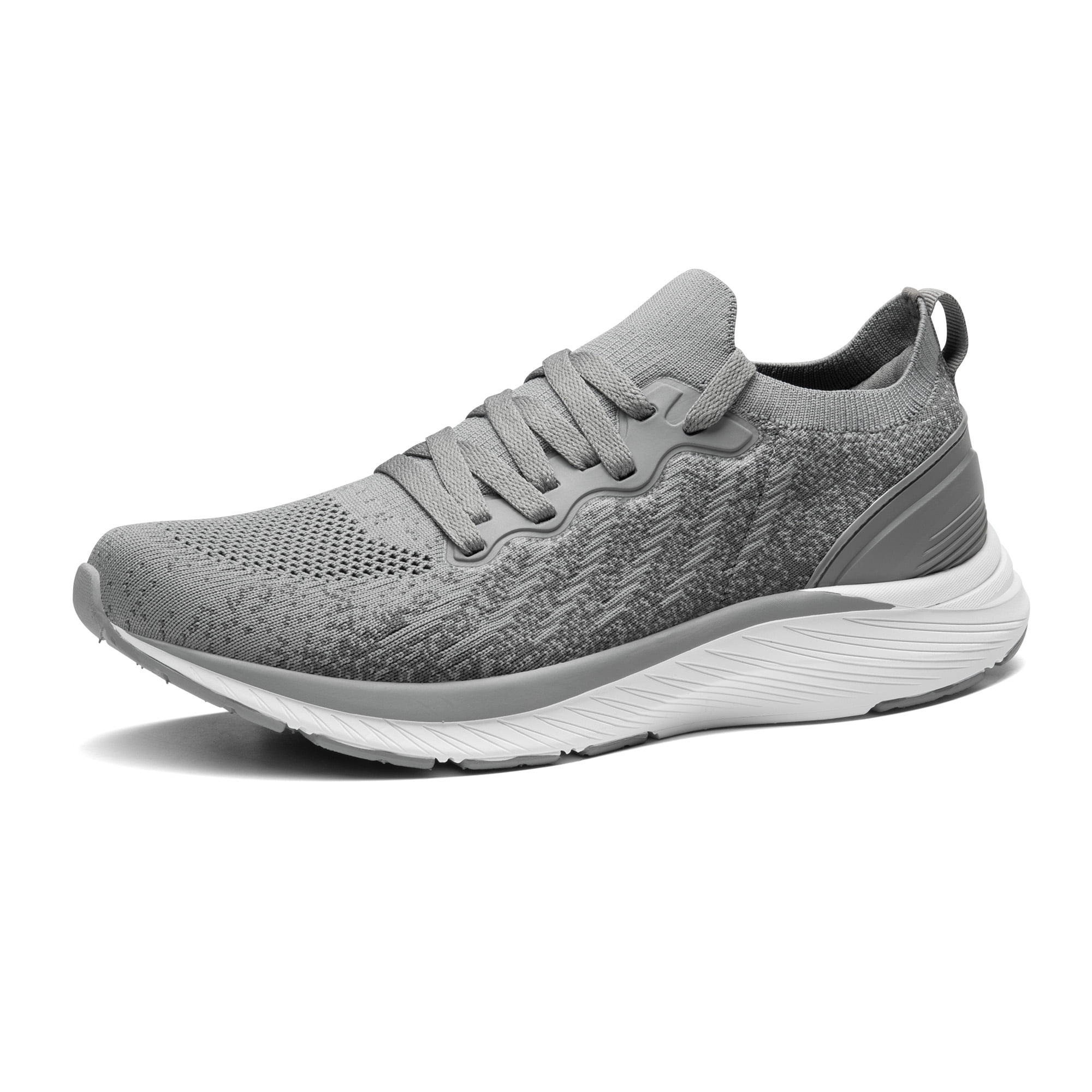
Best Exercise Shoes for Men: The 2026 Guide to Performance and Support
Choosing the best exercise shoes for men requires matching specific footwear engineering to your primary movement patterns. For high-intensity interval training (HIIT), versatile cross-trainers like the Reebok Nano series offer lateral...
Choosing the best exercise shoes for men requires matching specific footwear engineering to your primary movement patterns. For high-intensity interval training (HIIT), versatile cross-trainers like the Reebok Nano series offer lateral stability, while dedicated running shoes from brands like Brooks or Hoka provide the impact absorption necessary for long-distance cardio. Selecting the right pair involves balancing cushioning, heel-to-toe drop, and outsole grip to prevent injury and maximize athletic output.
Contents
Understanding the Importance of Activity-Specific Footwear
The transition from a "one-pair-fits-all" mentality to activity-specific footwear is essential for long-term joint health and performance optimization. In 2026, footwear technology has evolved to address the minute differences in how the male foot strikes the ground during different modalities. A shoe designed for the linear motion of running lacks the reinforced sidewalls required for the lateral shuffles of a tennis match or a CrossFit WOD (Workout of the Day).
Using a running shoe for heavy weightlifting can be dangerous; the compressed air or soft foam in the heel creates an unstable base, increasing the risk of ankle rolls or improper force distribution through the posterior chain. Conversely, lifting shoes or flat-soled trainers lack the energy return and shock attenuation needed to protect the knees and lower back during a three-mile run. By identifying your primary exercise style—whether it is powerlifting, distance running, or metabolic conditioning—you can select a shoe engineered to support those specific physiological demands.
Biomechanics and Foot Type: Finding Your Foundation
Before selecting a brand or model, you must understand your foot's biomechanics. Most men fall into one of three categories based on their arch height and how their foot rolls inward upon impact.
Neutral Pronation
Neutral runners have a medium arch. The foot lands on the outside of the heel and rolls inward slightly to absorb shock. Men with neutral pronation can wear a wide variety of shoes but generally perform best in "neutral" trainers that offer a balance of cushioning and light support without intrusive stability posts.
Overpronation (Flat Feet)
Overpronation occurs when the arch collapses excessively, causing the foot to roll too far inward. This puts strain on the big toe and second toe, often leading to shin splints or plantar fasciitis. Stability or "motion control" shoes are designed for this profile. These shoes feature a denser foam (often called a medial post) on the inside of the arch to prevent the foot from collapsing.
Supination (High Arches)
Supination, or underpronation, is when the foot does not roll inward enough. The impact is concentrated on the outer edge of the foot. Men with high arches require "neutral cushioned" shoes. Because high arches are naturally rigid and poor at absorbing shock, extra midsole foam—particularly in the forefoot and heel—is necessary to dissipate the force of each stride.
Top Categories for Men’s Exercise Shoes in 2026
To help narrow down the search, we have categorized the leading models based on the most common workout structures.
1. Best for Cross-Training and HIIT
Cross-training shoes are the "Swiss Army knives" of the gym. They are designed to handle short bursts of running, jumping, and moderate weightlifting.
- Reebok Nano X Series: Known for its wide toe box, the Nano allows for natural toe splay, which is vital for balance during squats or lunges. The 2026 iterations continue to use a "Lift and Run" chassis that firms up under heavy loads but remains flexible during sprints.
- Nike Metcon Series: This is the gold standard for stability. The Metcon features a low, flat, and wide heel that creates a stable base for explosive lifts. The rubber wrap-around on the midfoot is specifically designed for rope climbs, providing grip and protecting the shoe from friction.
2. Best for Weightlifting and Powerlifting
For those focusing on the "Big Three" (squat, bench, deadpool), stability and force transfer are the priorities.
- Adidas Adipower / Nike Romaleos: These are technical lifting shoes with a raised, non-compressible heel. This elevation improves ankle mobility, allowing the lifter to sit deeper into a squat while keeping the chest upright.
- Zero-Drop Trainers: Many lifters prefer "barefoot style" or zero-drop shoes like those from Vivobarefoot or TYR. These keep the foot flat on the ground, maximizing the surface area for force production and strengthening the intrinsic muscles of the foot.
3. Best for Running and Cardio
Running shoes are categorized by their "stack height" (the amount of foam between the foot and the ground) and "drop" (the height difference between the heel and the toe).
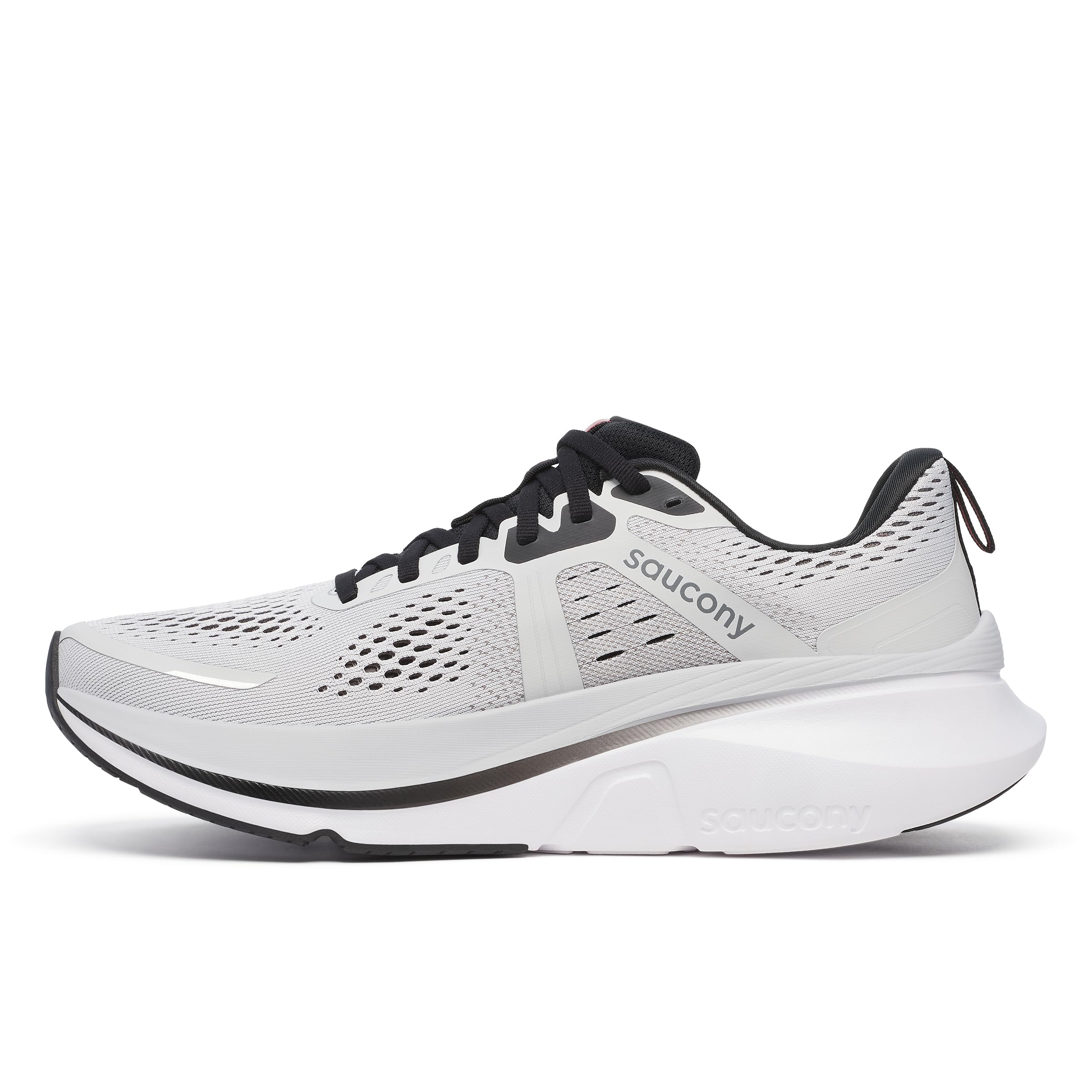
- Daily Trainers (e.g., Brooks Ghost, Saucony Ride): These are durable workhorses designed for 300–500 miles of use. They offer a standard 8mm to 12mm drop, which is ideal for heel strikers.
- Maximalist Shoes (e.g., Hoka Bondi, New Balance Fresh Foam More): For men seeking maximum joint protection, these shoes use oversized midsoles to provide a "cloud-like" feel. They are excellent for recovery runs or individuals with a history of stress fractures.
Comparison of Leading Exercise Shoe Models
The following table compares the specifications of top-performing models in 2026 to help you decide which fits your routine.
| Model | Primary Use | Support Type | Key Feature | Best For |
|---|---|---|---|---|
| Nike Metcon 11 | Cross-Training | Firm/Stable | Hyperlift heel plate | CrossFit, Heavy Lifting |
| Reebok Nano X6 | HIIT/Agility | Versatile | Floatride Energy Foam | Bootcamps, Sprints |
| Brooks Ghost 17 | Road Running | Neutral | DNA Loft v3 Cushioning | Daily Cardio, 5K-Half Marathon |
| Hoka Bondi 9 | Recovery Run | Maximalist | Early-stage Meta-Rocker | High Impact Protection |
| ASICS Kayano 32 | Running | Stability | 4D Guidance System | Overpronators, Flat Feet |
| NOBULL Trainer | Functional Fitness | Minimalist | SuperFabric Upper | Durability, Minimalist Feel |
Technical Materials: What Makes a Shoe Last?
When evaluating the "best" shoe, the quality of construction determines the value over time. In 2026, manufacturers have moved toward sustainable yet high-performance materials.
Midsole Compounds
The midsole is the most important part of the shoe. Most exercise shoes use EVA (Ethylene Vinyl Acetate), but premium models now utilize PEBAX or TPU (Thermoplastic Polyurethane). PEBAX is lighter and offers higher energy return (the "bounce" feel), whereas TPU is more durable and does not lose its cushioning properties in cold weather.
Upper Construction
Look for engineered mesh or knit uppers. Engineered mesh provides zones of breathability over the toes and structural support around the midfoot. For high-intensity training, reinforced uppers like Nike’s Flyknit or NOBULL’s SuperFabric are essential to prevent the foot from sliding over the edge of the sole during lateral cuts.
Outsole Rubber
The outsole must provide traction without adding excessive weight. Vibram outsoles are the industry standard for outdoor and trail exercise due to their grip. For indoor gym use, a "sticky" rubber compound or a gum sole provides the necessary friction for sled pushes and lateral bounds.
How to Properly Fit Your Exercise Shoes
Even the highest-rated shoe will cause injury if the fit is incorrect. Men often make the mistake of buying exercise shoes in the same size as their dress shoes. However, feet swell during physical activity due to increased blood flow.
- The Rule of Thumb: There should be approximately half an inch (about the width of your thumb) of space between your longest toe and the end of the shoe.
- Width Check: Your foot should feel secure but not pinched. If you feel pressure on the pinky toe or the base of the big toe, you likely need a "Wide" (2E or 4E) version of the shoe.
- Heel Lock: Your heel should stay firmly in place. If it slips when you walk or jump, you may need to use a "heel lock" lacing technique or size down.
- Shop Late: Always try on shoes in the afternoon or evening when your feet are at their largest.
Maintenance and Replacement Cycles
To maintain the integrity of your exercise shoes, they should be rotated. If you exercise every day, the foam in your shoes needs approximately 24 to 48 hours to fully decompress after a workout. Rotating between two pairs can extend the lifespan of both by up to 50%.
Most high-quality exercise shoes last between 300 and 500 miles of running, or roughly 6 to 9 months of consistent gym use. Signs that you need a replacement include:
- Visible smoothing of the outsole tread.
- Creasing in the midsole foam that does not disappear when the shoe is off.
- Persistent foot or knee pain that was not present before.
- The "tilt test": Place the shoe on a flat surface; if it leans to one side, the internal support structure has collapsed.
Frequently Asked Questions
Can I use running shoes for weightlifting?
While you can use them for light lifting, it is not recommended for heavy squats, deadlifts, or overhead presses. Running shoes are designed to compress to absorb impact, which creates an unstable surface for heavy loads. This instability can lead to poor form and potential injury.
What is "heel-to-toe drop" and why does it matter?
Heel-to-toe drop is the difference in height between the heel and the forefoot. A high drop (10mm+) is traditional for running and encourages a heel strike. A low drop (0mm to 4mm) encourages a midfoot or forefoot strike and is often preferred for functional fitness and natural movement.
Do I really need different shoes for HIIT and running?
If you perform both activities frequently, yes. HIIT involves lateral (side-to-side) movements that require reinforced sidewalls. Running shoes are built for forward (linear) motion and lack the lateral stability to keep your ankle safe during agility drills.
How often should I replace my gym shoes?
For most men exercising 3–4 times a week, a high-quality pair should be replaced every 8 to 12 months. If you are a high-mileage runner (over 20 miles per week), you may need new shoes every 4 to 6 months.
Are expensive exercise shoes worth the price?
Generally, yes, up to a point. Higher-priced shoes (typically $130–$160 in 2026) use superior foam compounds that last longer and provide better energy return. However, "super shoes" with carbon fiber plates (costing $250+) are niche products designed for racing and are not necessary for daily exercise.
Final Recommendation
For the average man engaged in a mix of strength training and cardio, a high-quality cross-trainer like the Reebok Nano or Nike Metcon is the most cost-effective and safest investment. However, if your routine is strictly polarized—such as heavy powerlifting or marathon training—investing in a specialized shoe for that discipline is non-negotiable for performance and injury prevention. Always prioritize fit over brand aesthetics; a shoe that matches your arch type and foot width will always outperform the "trendiest" model on the market.
Image Gallery