Life Insurance Policy Death Benefit: How It Works and What Varies
A life insurance policy death benefit is the monetary payout distributed to designated beneficiaries upon the death of the insured individual. While typically tax-free and paid as a lump sum, the final amount, disbursement timing, and...
A life insurance policy death benefit is the monetary payout distributed to designated beneficiaries upon the death of the insured individual. While typically tax-free and paid as a lump sum, the final amount, disbursement timing, and structural options vary based on policy type, optional riders, policy loans, contestability clauses, and chosen payout methods.
Contents
Disclaimer: This article provides general financial and educational information. Insurance laws and tax regulations vary by jurisdiction and personal circumstances. Consult a licensed financial professional or legal expert for guidance tailored to your situation.
Understanding the Core Mechanics of a Life Insurance Death Benefit
At its core, a life insurance policy is a contractual agreement between a policyowner and an insurance carrier. In exchange for regular premium payments, the insurer guarantees a financial payment—the death benefit—to named beneficiaries upon proof of the insured party's death.
Understanding the operational mechanics requires distinguishing key roles within the contract:
- The Policyowner: The individual or entity that owns the contract, holds the authority to make changes, designates beneficiaries, and pays premiums.
- The Insured: The individual whose life is covered by the policy.
- The Beneficiary: The person, trust, or legal entity designated to receive the proceeds. Beneficiaries are categorized as primary (first in line) or contingent (receives proceeds if primary beneficiaries are deceased).
The Standard Claim and Settlement Process
When the insured passes away, the carrier does not automatically issue a check. Beneficiaries must initiate a claim by submitting specific documentation:
- Notice of Claim: The beneficiary notifies the insurance company of the insured's death.
- Proof of Death: The claimant submits an certified copy of the death certificate listing the cause of death.
- Claim Form (Claimant Statement): The beneficiary completes documentation specifying their payout preference and personal tax identification details.
Once received, the insurer verifies the validity of the contract, checks that premiums are paid up to date, confirms beneficiary designations, and determines whether the death falls within any contestable windows or policy exclusions.
Primary Variables That Alter the Death Benefit Amount
Many policyholders assume the headline coverage amount—known as the face value—is always the exact dollar amount paid out. However, the final payout varies depending on several contractual elements.
| Base Face Amount |
|---|
| + Added Riders (e.g., Accidental Death) |
| + Accumulated Cash Value (Option B / Increasing Benefit) |
| - Policy Loans and Accrued Interest |
| - Outstanding Premium Balances |
| - Accelerated Benefits Previously Paid Out |
| Final Claim Payout |
1. Base Policy Type and Structure
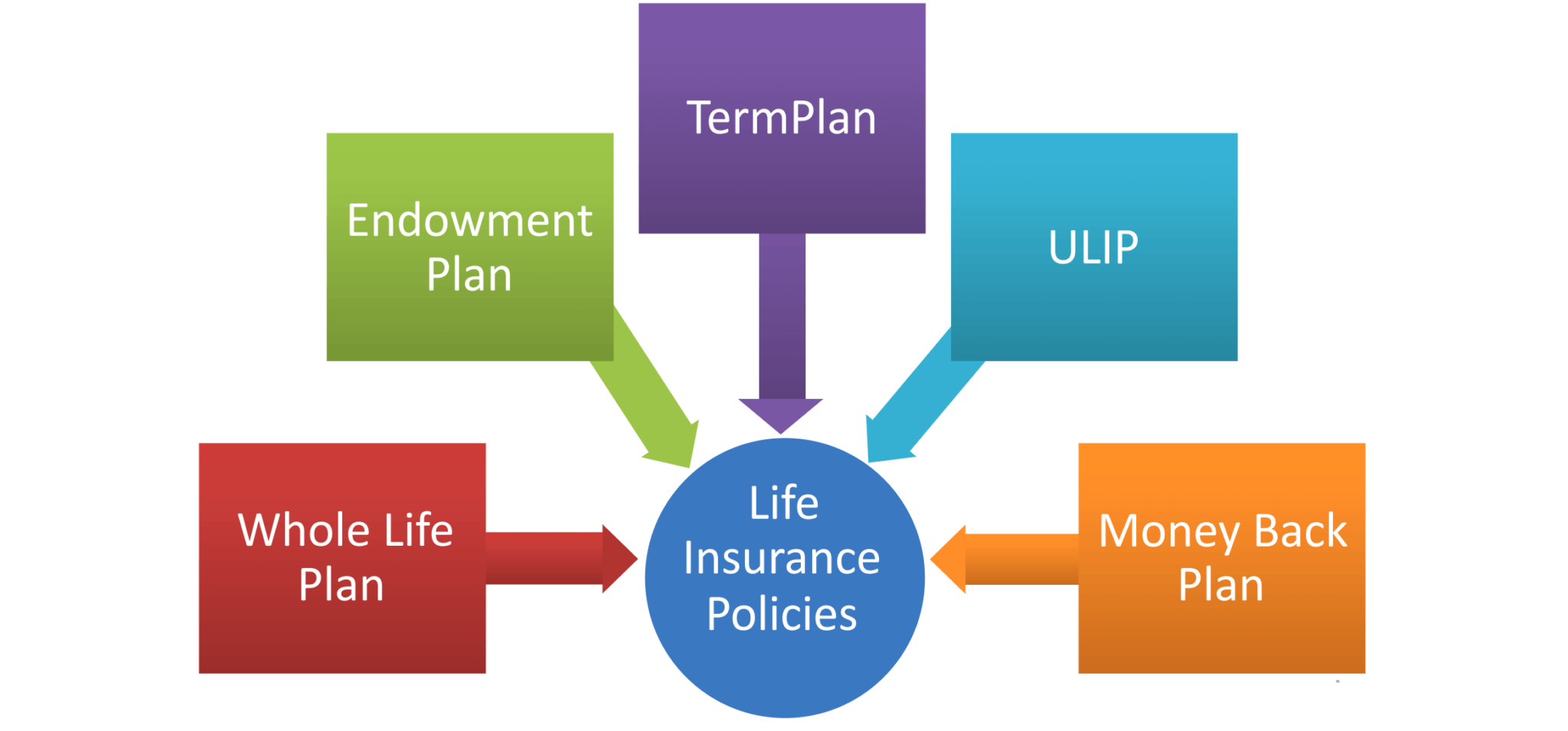
- Term Life Insurance: Provides coverage for a specified duration (such as 10, 20, or 30 years). If the insured dies within the term, the policy pays the standard face amount. If the term expires while the insured is living, no benefit is paid. Some specialized term policies feature a decreasing face value, where the payout steadily declines over time to mirror an amortizing balance like a mortgage.
- Permanent Life Insurance (Whole Life, Universal Life, Variable Life): Offers lifetime coverage as long as required premiums are paid. Permanent insurance builds a cash value account alongside the insurance protection component.
2. Universal Life Death Benefit Options
Universal life insurance policies typically allow policyowners to choose how cash value interacts with the base death benefit:
- Option A (Level Death Benefit): The death benefit remains constant over the life of the policy. As the internal cash value grows, the insurer’s net amount at risk decreases. The beneficiary receives the stated face amount, which includes the cash value rather than adding to it.
- Option B (Increasing Death Benefit): The total death benefit equals the base face amount plus the accumulated cash value. As cash value increases through premiums and investment performance, the total potential payout grows accordingly. Option B generally requires higher cost of insurance (COI) charges over time.
3. Policy Loans and Withdrawals
Permanent life insurance permits policyowners to borrow against or directly withdraw from their cash value. However, unreturned funds directly impact the death benefit:
- Unpaid Loans: If the insured dies with an outstanding policy loan, the carrier subtracts the principal balance plus any accrued interest from the final death benefit payout.
- Partial Surrenders: Direct withdrawals reduce both the cash value and the overall face amount dollar-for-dollar (or by a formula defined in the policy contract).
4. Unpaid Premiums and Grace Periods
If an insured person dies during a policy's grace period—typically a 30- to 31-day window after a missed premium payment—the insurer remains obligated to pay the death benefit. However, the carrier will deduct the overdue premium amount from the net claim proceeds.
Riders That Modify Death Benefit Value and Execution
Policy riders are specialized addenda attached to a base life insurance contract that expand or modify coverage under specific conditions.
Accelerated Death Benefit (ADB) Riders
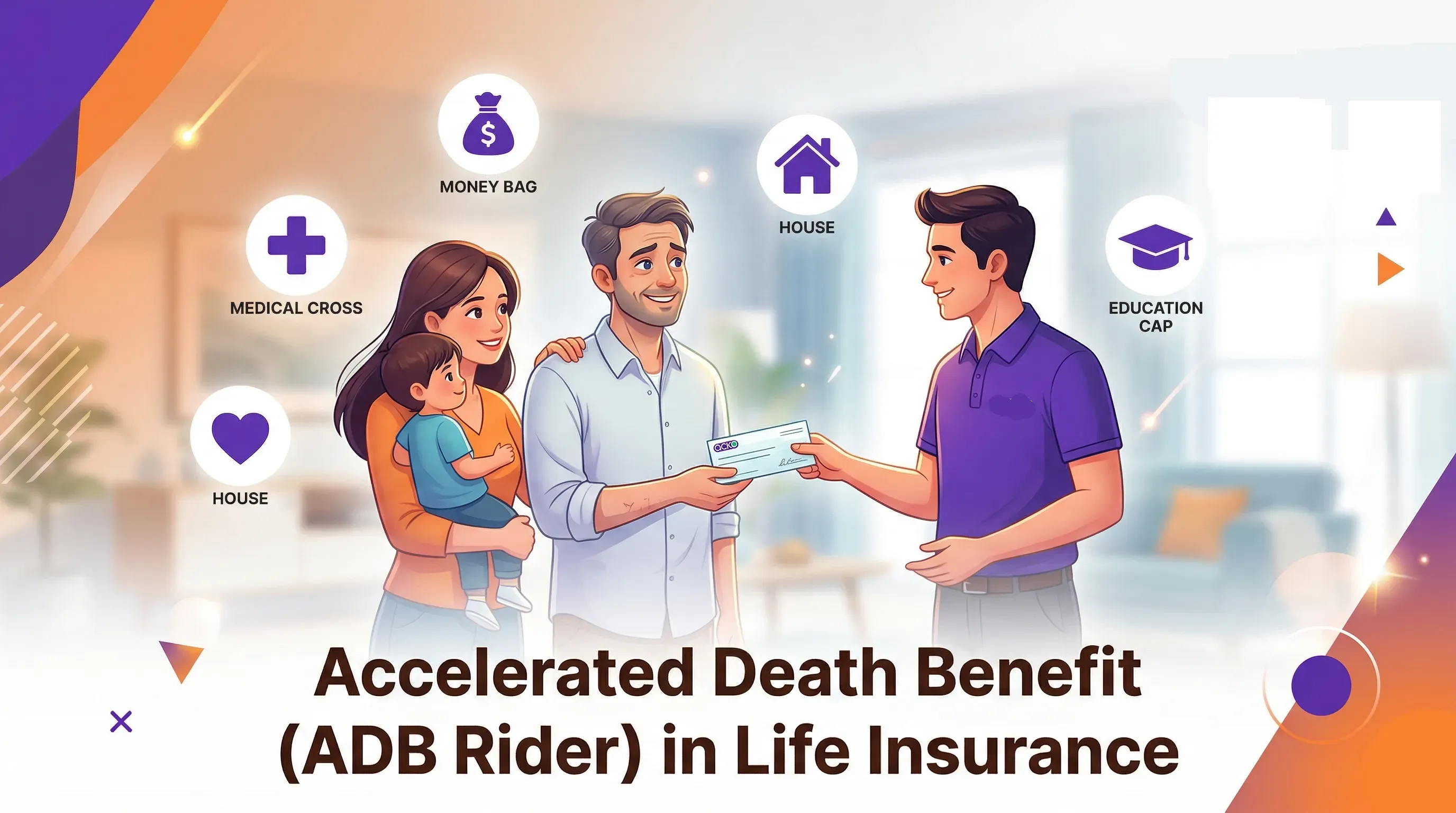
An Accelerated Death Benefit rider allows a policyowner to access a portion of the death benefit prior to death if diagnosed with a qualifying medical condition, such as a terminal illness with a short life expectancy, severe chronic illness, or critical health event.
When a policyowner exercises an ADB clause, the advance payment reduces the remaining face value dollar-for-dollar or via a discounted percentage. The remaining amount continues as the death benefit for the beneficiaries upon the insured's eventual death.
Accidental Death Benefit Rider
Often called a double indemnity rider, this feature pays an additional sum—frequently equal to 100% of the original face value—if the insured dies directly from a covered accident. Deaths resulting from natural causes, illness, or medical complications do not qualify for this bonus payout.
Return of Premium (ROP) Rider
Available on certain term policies, an ROP rider refunds all base premium payments to the policyowner if the insured survives the term duration. If the insured dies during the active term, the policy pays the traditional death benefit face amount instead of returning premiums.
Comparison of Life Insurance Death Benefit Configurations
The table below illustrates how different policy structures, rider activations, and financial balances alter the final net payout derived from a baseline $500,000 policy structure.
| Policy Configuration | Initial Face Amount | Internal Cash Value / Options | Adjustments / Deductions | Net Benefit Paid to Beneficiary |
|---|---|---|---|---|
| Standard Level Term (20-Year) | $500,000 | $0 (N/A) | None | $500,000 |
| Whole Life (Level Death Benefit) | $500,000 | $120,000 Cash Value | Included in Face Amount | $500,000 |
| Universal Life (Option B / Increasing) | $500,000 | $150,000 Cash Value | Added to Base Amount | $650,000 |
| Whole Life with Outstanding Loan | $500,000 | $80,000 Cash Value | -$35,000 Loan & Interest | $465,000 |
| Term Policy with ADB Exercised | $500,000 | $0 (N/A) | -$200,000 Terminal Advance | $300,000 |
| Accidental Death Benefit Rider (Active) | $500,000 | $0 (N/A) | +$500,000 (Accidental Cause) | $1,000,000 |
Contractual Limitations, Exclusions, and Risk Factors
Insurance carriers are legally bound to pay valid claims, but specific contractual exclusions and statutory provisions can lead to claim adjustments, delays, or outright denials.
The Two-Year Contestability Period
Under standard state insurance laws, virtually all individual life insurance contracts include a contestability period spanning the first two years from policy inception.
If the insured dies during this window, the insurance company has the legal right to review the original application details for material misrepresentations. If the applicant omitted significant medical history, hazardous lifestyle activities, or smoking status, the insurer may rescind the policy, deny the death benefit, and return paid premiums to the estate.
The Suicide Clause
Most life insurance contracts include a standard suicide exclusion operating concurrently with the two-year contestability window. If the insured dies by suicide within the initial two years of policy issuance, the insurer typically denies the claim and refunds the accumulated premiums. Once the exclusion period lapses, claims involving suicide are generally paid out under standard terms, provided no application fraud was involved.
Policy Exclusions
Insurers may enforce specific policy exclusions depending on underwriting disclosures and individual risk factors:
- Act of War / Military Exclusions: Rare in civilian contracts, but sometimes included during active wartime deployments.
- Aviation Exclusions: Applies to non-commercial pilots flying private or experimental aircraft if not specifically covered under special underwriting terms.
- Illegal Acts Exclusion: Denies claims if the insured's death occurs while participating in a felony or illegal activity.
Beneficiary Settlement Options: Choosing Payout Delivery
Beneficiaries often have choices regarding how they receive the death benefit proceeds. Insurers offer several settlement options:
- Lump-Sum Settlement: The traditional method where the entire net benefit is paid in a single check or electronic funds transfer.
- Interest-Only Option: The insurance company retains the principal proceeds and pays interest periodically to the beneficiary. The main benefit amount remains intact and is passed along at a later date or to a secondary beneficiary.
- Fixed-Period Option: The proceeds are paid out in equal installments over a specified duration (e.g., 10 or 20 years), with interest added to remaining balances.
- Fixed-Amount Option: The beneficiary selects a specific dollar amount to receive per month or year until the principal and accumulated interest are exhausted.
- Life Income Option (Annuity Conversion): The death benefit converts into a single-premium immediate annuity, providing guaranteed income for the remainder of the beneficiary’s life.
Tax Implications and Estate Planning Rules
Understanding the tax framework surrounding life insurance proceeds helps preserve wealth and avoid unanticipated tax burdens.
Income Taxation
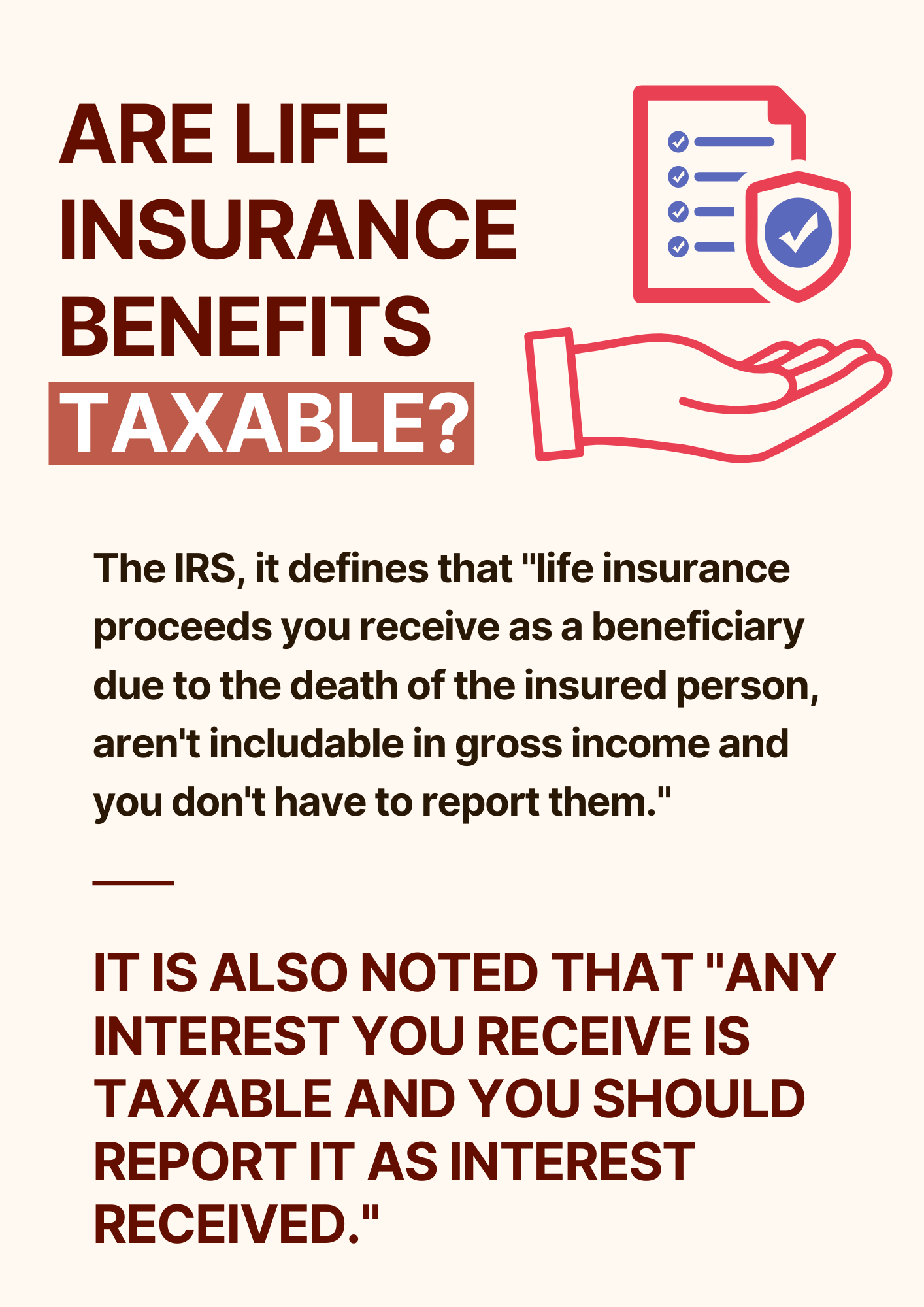
Under U.S. Federal Tax Code (IRC Section 101(a)), life insurance death benefits paid to a beneficiary are generally income-tax-free. Beneficiaries do not report the lump-sum payout as gross income.
However, any interest earned on the proceeds post-death—such as interest accumulated while funds remain with the insurer under an installment or interest-only settlement option—is fully taxable as ordinary income.
Federal Estate Tax and Incidents of Ownership
While death benefits are typically free from income tax, they can be included in the deceased's gross estate for federal estate tax calculations.
If the insured person owned the policy at the time of death (holding what tax law calls incidents of ownership, such as the right to change beneficiaries or borrow against cash value), the full death benefit amount is included in their gross estate valuation. If the total estate exceeds federal exemption thresholds, the benefit may face estate taxation.
To avoid this, high-net-worth individuals frequently utilize an Irrevocable Life Insurance Trust (ILIT). By establishing an ILIT as the owner and beneficiary of the policy, the proceeds remain outside the insured's taxable estate.
- Individual Ownership:
- Insured (Owner)
- Controls Policy
- Benefit Included in Gross Estate
- ILIT Ownership:
- Irrevocable Trust (Owner)
- Holds Policy
- Benefit Excluded from Gross Estate
The Transfer-for-Value Rule
If a life insurance contract is sold or transferred to another party in exchange for valuable consideration, the income-tax-free status of the death benefit may be lost. Under the Transfer-for-Value rule, the beneficiary must pay ordinary income tax on the portion of the death benefit that exceeds the purchase price and subsequent premiums paid, unless specific legal exceptions (such as transfers to a partner or corporate entity) apply.
Frequently Asked Questions
How long does an insurer take to pay out a life insurance death benefit?
Once an insurer receives the required documentation—including the claim form and certified death certificate—uncontested death benefit claims are typically processed and paid within 30 to 60 days. If the claim falls within the two-year contestability period, the timeline may extend while the insurer reviews medical records.
Is a life insurance death benefit subject to income tax?
The core death benefit payout is generally not subject to federal or state income tax. However, any interest that accrues on the payout post-death or income generated through structured installment options must be reported as taxable income.
What happens to the death benefit if an outstanding loan exists on the policy?
Any outstanding policy loan balance, along with accrued interest, is directly deducted from the total face value before the final payout is made to the beneficiaries.
Can a life insurance claim be denied after the contestability period expires?
While rare, a claim can still be denied after the two-year contestability period if the carrier can prove deliberate, fraudulent misrepresentation on the original application, or if the cause of death falls under a permanent policy exclusion (such as active war or felony exclusions). Non-payment of premiums leading to policy lapse will also nullify coverage.
How does a level death benefit differ from an increasing death benefit?
A level death benefit (Option A) maintains a constant payout equal to the policy's initial face amount throughout its duration. An increasing death benefit (Option B) combines the base face amount with the policy's accumulated cash value, resulting in a total payout that grows over time.
Practical Guidance for Policyholders and Beneficiaries
Managing a life insurance policy effectively ensures smooth claim administration when the time comes.
Actions for Policyowners:
- Review Beneficiary Designations: Keep primary and contingent beneficiaries updated after major life events, such as marriage, divorce, or births. Avoid naming minor children directly; instead, establish a trust or legal guardianship framework.
- Monitor Policy Loans: Track accrued interest on permanent policy loans to ensure the balance does not cause the policy to lapse or drastically reduce the intended protection.
- Maintain Detailed Records: Store your policy documents, policy number, carrier contact details, and beneficiary records in a secure location accessible to your executor or designated loved ones.
Actions for Beneficiaries:
- Obtain Certified Death Certificates: Secure multiple certified copies of the death certificate from the vital statistics office or funeral director, as financial institutions and insurers require originals or certified versions.
- Consult Tax Professionals: Speak with a Certified Public Accountant (CPA) or estate attorney before selecting complex settlement options, especially if handling large lump sums or potential estate tax exposures.
Image Gallery