Who Is the Highest Paid Artist in the World?
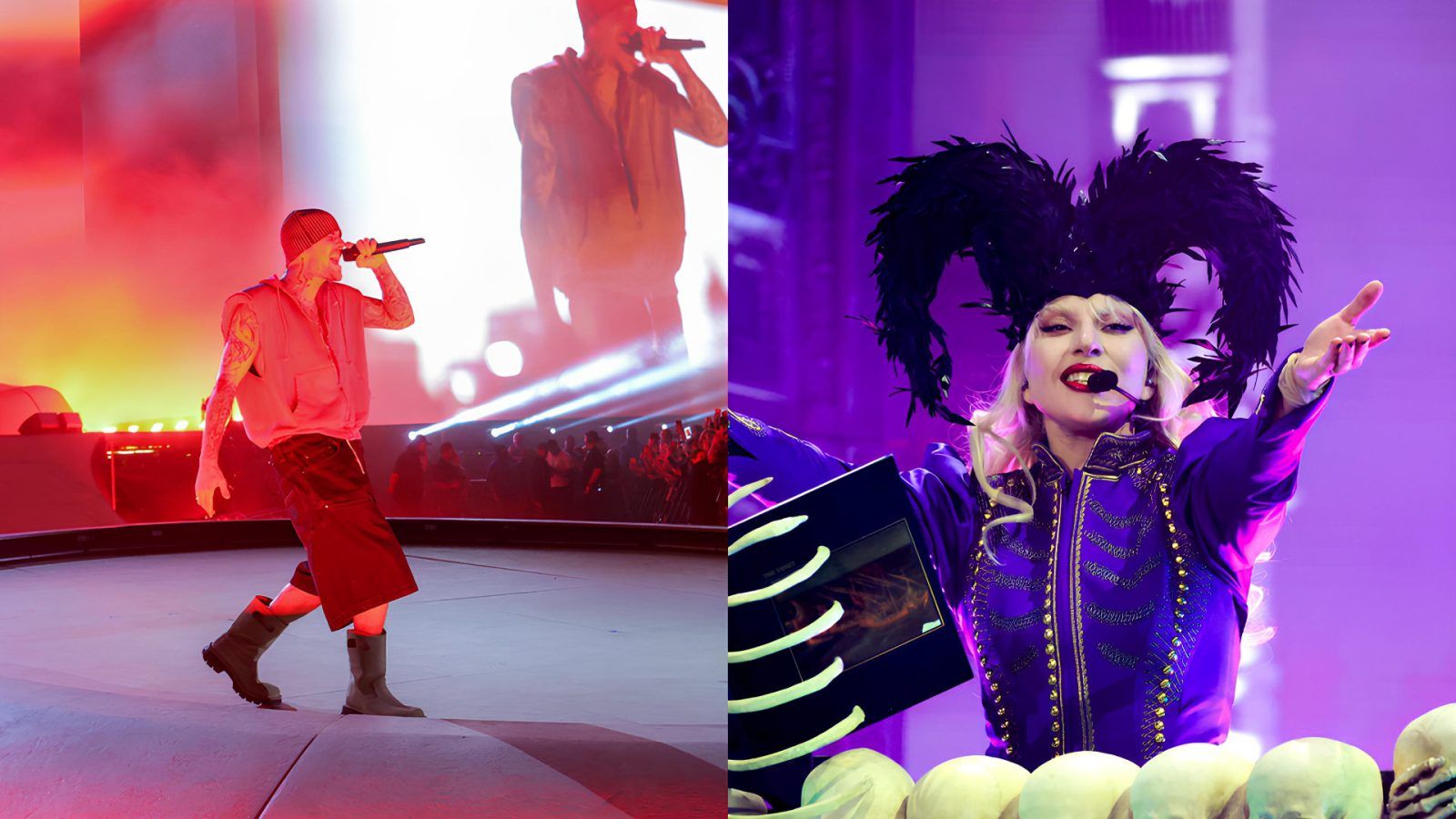
As of 2026, the highest-paid artist in the world is Taylor Swift when considering the broader definition of a musical artist, driven by her record-breaking tours and catalog ownership. In the realm of visual arts, Jeff Koons remains th...
As of 2026, the highest-paid artist in the world is Taylor Swift when considering the broader definition of a musical artist, driven by her record-breaking tours and catalog ownership. In the realm of visual arts, Jeff Koons remains the top-earning living artist, consistently commanding the highest prices for contemporary sculptures at auction and through private sales.
Contents
The definition of the "highest paid artist" often creates a divide between the world of fine art—painters, sculptors, and digital creators—and the world of performing arts and music. While a single painting by a deceased artist like Leonardo da Vinci can sell for hundreds of millions, "highest paid" typically refers to the annual earnings or net worth of living creators. In 2026, this landscape is defined by massive brand ecosystems, intellectual property ownership, and the globalization of the high-end art market.
The Distinction Between Visual Artists and Musical Artists
To understand who holds the title of the highest-paid artist, one must first distinguish between the primary markets they occupy. In the music industry, "payment" is often a combination of touring revenue, streaming royalties, and publishing rights. In the visual arts, income is derived from primary gallery sales, commissions, and occasionally royalties from secondary market sales, although the latter is legally complex depending on the jurisdiction.
Musical Artists: The Billion-Dollar Benchmark
By 2026, the financial scale of musical "artists" has eclipsed traditional visual arts in terms of annual liquidity. Taylor Swift’s ascension to billionaire status was a watershed moment for the industry. Her earnings are not merely from "performing" but from the strategic re-recording of her "Taylor’s Version" albums, which allowed her to claim a higher percentage of the "artist's share" of royalties that usually goes to record labels.
Visual Artists: The Blue-Chip Economy
In the fine art world, the term "highest paid" is often synonymous with "highest auction price." However, an artist is only "paid" when a work sells on the primary market (the first time it is sold, usually through a gallery). When a Jeff Koons sculpture sells for $91 million at Christie's, that money goes to the collector who owned it, not necessarily the artist, unless the artist retained a portion or sold it directly. However, these high auction prices drive up the price of the artist's new works, ensuring they remain the highest earners in the industry.
Top-Earning Visual Artists in 2026
The visual art market is dominated by a few "Blue Chip" names whose works are treated more like financial assets than mere decorations. These artists have built studios that function like corporations, employing dozens of assistants to produce high-value output.
1. Jeff Koons
Jeff Koons remains a titan of the art market. Known for his "Balloon Dog" and "Rabbit" sculptures, Koons bridges the gap between high art and pop culture. His income is bolstered by partnerships with luxury brands and the high demand for his meticulously engineered stainless steel works. In the mid-2020s, Koons expanded further into digital-physical hybrids, selling "Moon Phases" sculptures that include both a physical object on the lunar surface and a corresponding NFT, tapping into the tech-wealth demographic.
2. Damien Hirst
Damien Hirst, the "Enfant Terrible" of the Young British Artists (YBA) movement, remains one of the wealthiest artists alive. Hirst’s business model is unique; he often bypasses traditional gallery systems to sell directly via his own platforms or massive solo auctions. His wealth is distributed across a vast portfolio of real estate and a massive personal art collection, alongside the ongoing sales of his "Spot Paintings" and formaldehyde installations.
3. David Hockney
David Hockney represents the pinnacle of living painters. His work "Portrait of an Artist (Pool with Two Figures)" set records for a living artist at auction. While Hockney is less "commercial" in his branding compared to Koons, the sheer volume and price point of his paintings—and his innovative use of iPad art—keep him at the top of the earnings list.
4. Jasper Johns
As a veteran of the American art scene, Jasper Johns sees his works fetch astronomical prices. While he produces less volume than Hirst or Koons, the "rarity" factor of his iconic flags and maps ensures that any new release or significant auction event results in massive financial movement.
Comparative Earnings and Market Value
The following table compares the estimated financial standing and primary revenue drivers for the top artists globally as of 2026.
| Artist | Primary Category | Estimated Net Worth | Primary Revenue Driver | Notable Record/Work |
|---|---|---|---|---|
| Taylor Swift | Music / Performance | $1.6 Billion | Touring & Catalog Ownership | The Eras Tour |
| Jeff Koons | Sculpture / Pop Art | $500+ Million | Primary Gallery Sales & Brand Licensing | Rabbit ($91.1M) |
| Damien Hirst | Conceptual Art | $380+ Million | Direct Sales & Real Estate | For the Love of God |
| Beeple | Digital / NFT | $50+ Million | High-Value NFT Sales | Everydays: The First 5000 Days |
| David Hockney | Painting | $150+ Million | Blue-Chip Gallery Sales | Portrait of an Artist |
The Mechanics of Artist Wealth: How They Get Paid
The "payment" structure for a world-class artist is significantly more complex than a standard salary or a simple commission. Understanding this structure is key to identifying why certain names consistently top the lists.
Primary vs. Secondary Markets
When an artist like Banksy or KAWS creates a work, they sell it through a gallery or a "drop." This is the Primary Market. The artist typically keeps 50% of the sale price, while the gallery takes the other 50%. However, when that same work is resold years later at an auction house like Sotheby's for ten times the original price, the artist historically received nothing from that increase (the Secondary Market).
In 2026, the "Artist Resale Right" (Droit de Suite) has gained more traction globally, allowing artists in certain jurisdictions (like the EU and UK) to receive a small percentage of secondary sales. This has started to create a "passive income" stream for the world's most famous artists that did not exist in the same way decades ago.
The Role of Megagalleries
Artists like Jeff Koons or Yayoi Kusama are represented by "Megagalleries" such as Gagosian, Hauser & Wirth, or David Zwirner. These institutions act like talent agencies and investment banks combined. They manage the artist’s "market," ensuring that prices do not fluctuate wildly and that works are sold to prestigious museums or collectors who will keep them, rather than "flipping" them for a quick profit. This price stability is what allows these artists to remain the "highest paid" over decades.
Branding and Licensing
Modern high-paid artists are also brand managers. Takashi Murakami, for example, has collaborated with Louis Vuitton and various streetwear brands. These collaborations often pay the artist a flat fee plus royalties, similar to how a professional athlete is paid for an endorsement. This diversifies their income beyond the sale of physical canvases or sculptures.
Digital Art and the NFT Legacy
By 2026, the "NFT craze" of 2021 has matured. While the market for low-quality digital collectibles crashed, it established a permanent infrastructure for digital artists. Beeple (Mike Winkelmann) remains the most prominent figure here. His $69 million sale at Christie's in 2021 established a floor for digital art value.
Digital artists are now "paid" through smart contracts. When a digital artwork is resold, the code automatically sends a percentage of the sale (often 10%) back to the artist’s digital wallet. This technological shift has allowed digital artists to potentially out-earn traditional painters in terms of long-term royalty revenue, even if their initial sale prices are lower.
Factors That Influence Artist Earnings
Several variables determine who reaches the top of the financial pyramid in the art world.
- Scarcity: Artists who produce very few works, like Jasper Johns, see higher prices per unit. Artists who produce more, like Damien Hirst, rely on volume and brand recognition.
- Museum Validation: An artist’s work being acquired by the MoMA or the Tate Modern acts as a "seal of approval" that justifies higher prices to private collectors.
- Global Wealth Trends: The rise of ultra-high-net-worth individuals in Asia and the Middle East has created new demand for "trophy art," driving up the paydays for the world's top 1% of artists.
- Estate Management: For deceased artists, the "highest paid" title often shifts to their foundations. The estates of Picasso, Warhol, and Basquiat generate hundreds of millions annually through licensing and authenticated sales.
Frequently Asked Questions
Who is the highest-paid living visual artist?
As of 2026, Jeff Koons is widely considered the highest-paid living visual artist. His work consistently breaks auction records for living creators, and his primary market sales for new sculptures are among the highest in the industry, often reaching tens of millions of dollars per piece.
Is Taylor Swift considered the highest-paid artist?
If "artist" is defined to include musical performers and songwriters, then Taylor Swift is the highest-paid artist in the world. Her annual earnings from her global tours, streaming royalties, and merchandise have exceeded the annual income of any living visual artist or film actor in recent years.
How do artists like Banksy make money if they are anonymous?
Banksy makes money primarily through the sale of prints and original works via his authenticated body, Pest Control. While his street art is "free" to the public, the high demand for his authenticated studio pieces allows him to command millions of dollars per work, much of which is funneled into his various social and political projects.
Does the artist get money when their painting is sold at an auction?
Generally, no. In the United States, if a collector sells a painting at auction, they keep the proceeds (minus the auction house commission). However, in many European countries, the Artist Resale Right ensures the artist receives a small percentage (usually around 4%) of the sale price, capped at a certain amount.
Who is the richest artist of all time?
In terms of historical inflation-adjusted wealth, Pablo Picasso is often cited as the richest artist of all time. At the time of his death, his estate—including art, property, and cash—was valued in the billions in today's currency. Today, his estate continues to be one of the most lucrative in the world.
Summary and Next Actions
The title of "highest paid artist" is a moving target that depends on whether you value liquid annual income (where Taylor Swift dominates) or asset value and price-per-work (where Jeff Koons and Damien Hirst lead). For those interested in the financial side of the art world, the following steps are recommended:
- Monitor Auction Results: Keep an eye on "The Big Three" auction houses—Sotheby’s, Christie’s, and Phillips—to see which living artists are trending upward.
- Understand the Primary Market: Research galleries like Gagosian to understand how "Blue Chip" artists are marketed and sold before they ever reach an auction house.
- Explore Digital Royalties: If you are a creator, investigate how smart contracts and blockchain technology are being used to secure resale royalties, a key driver of wealth for modern digital artists.
- Diversify Definition: Recognize that the modern "artist" is often a multi-hyphenate, blending fine art, music, fashion, and digital media to maximize earnings.
Image Gallery