What a Colocation Site Provides: Core Infrastructure and Services Explained
A colocation site provides physical floor space, continuous electrical power, enterprise-grade cooling, high-speed network connectivity, and physical security for enterprise-owned server hardware. Instead of constructing an in-house da...
A colocation site provides physical floor space, continuous electrical power, enterprise-grade cooling, high-speed network connectivity, and physical security for enterprise-owned server hardware. Instead of constructing an in-house data center, organizations rent rack space, power, and environmental controls from a specialized facility while retaining complete ownership and control of their servers and storage assets.
Contents
Physical Space Options: Racks, Cabinets, and Private Enclosures
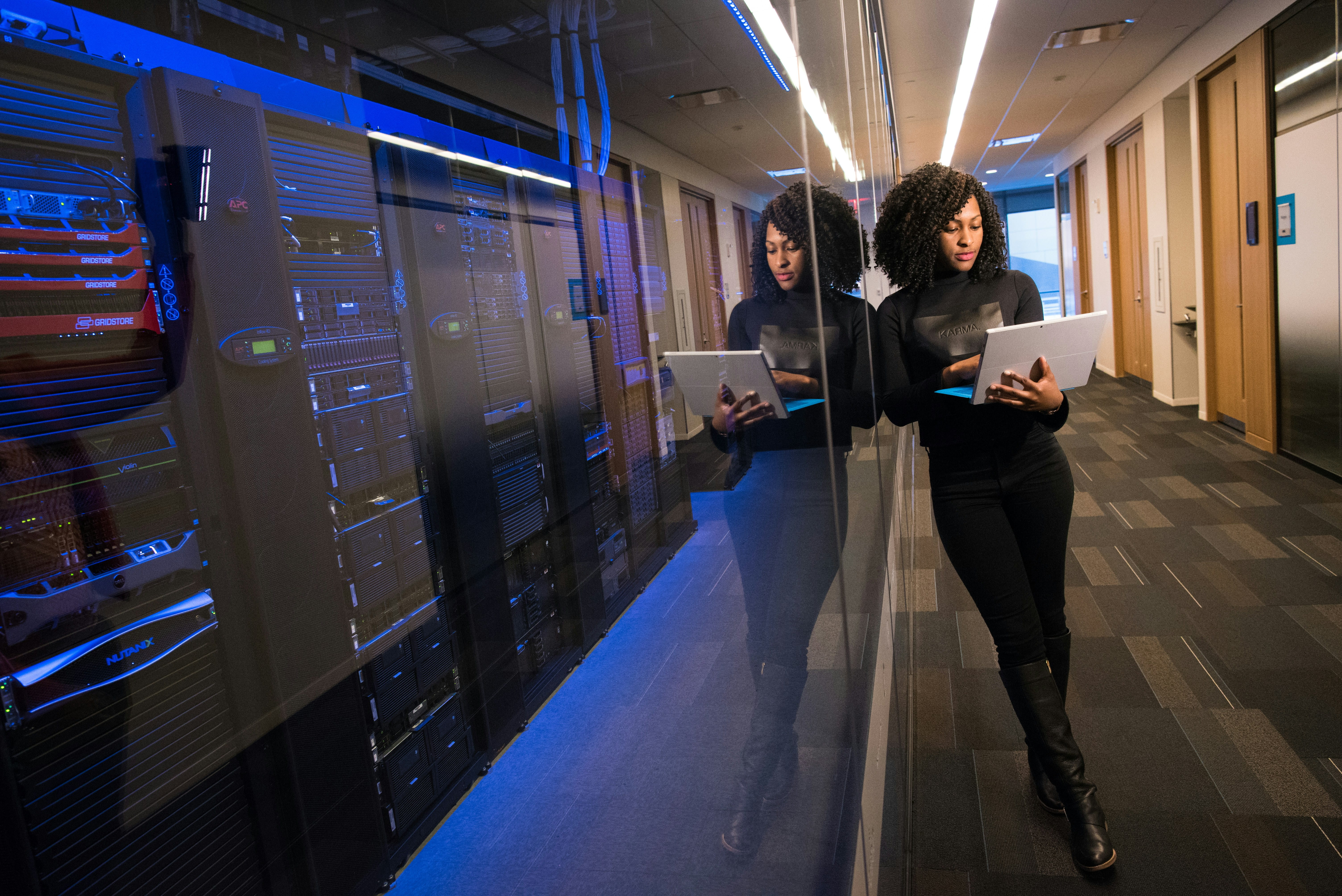
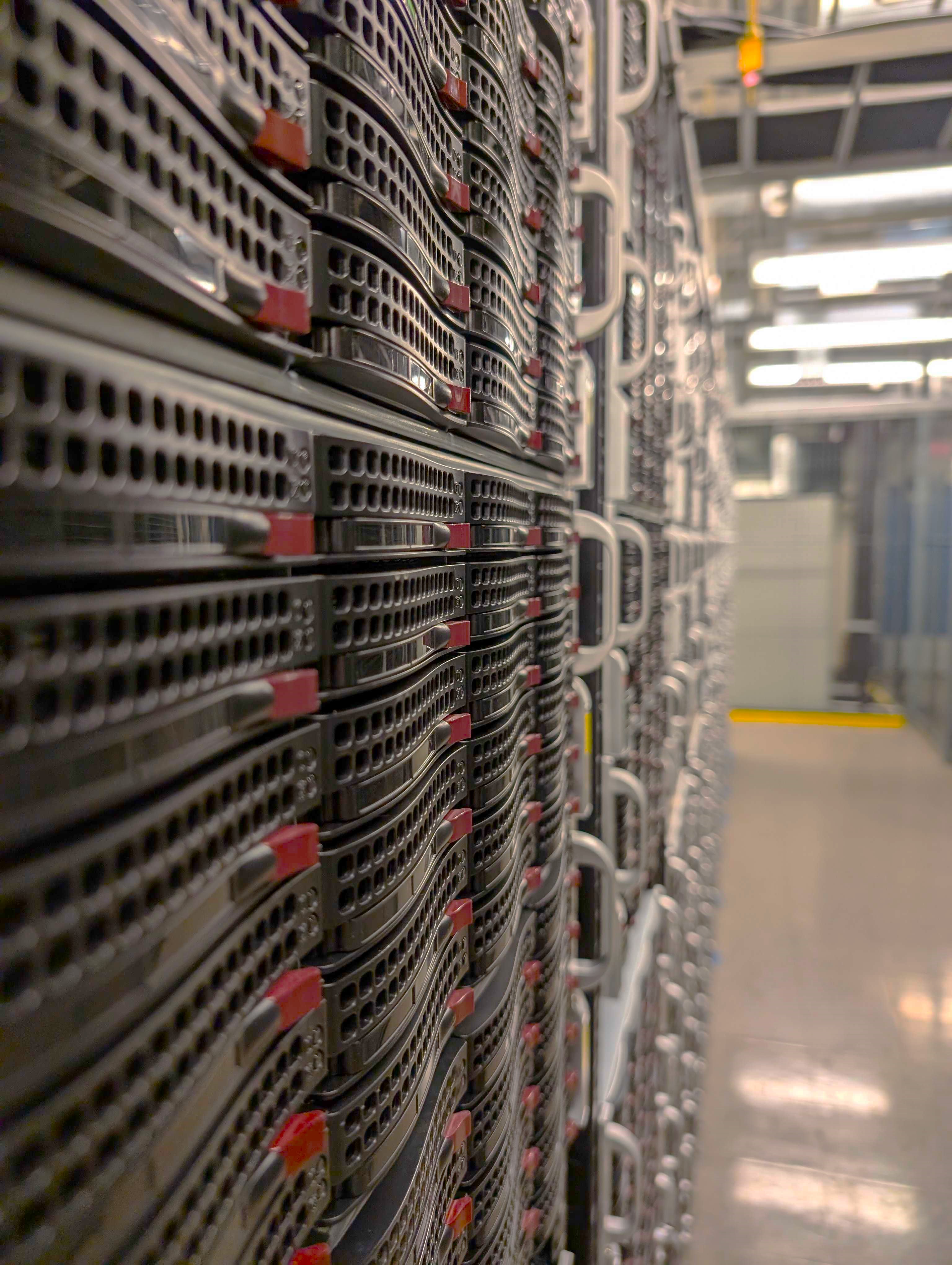
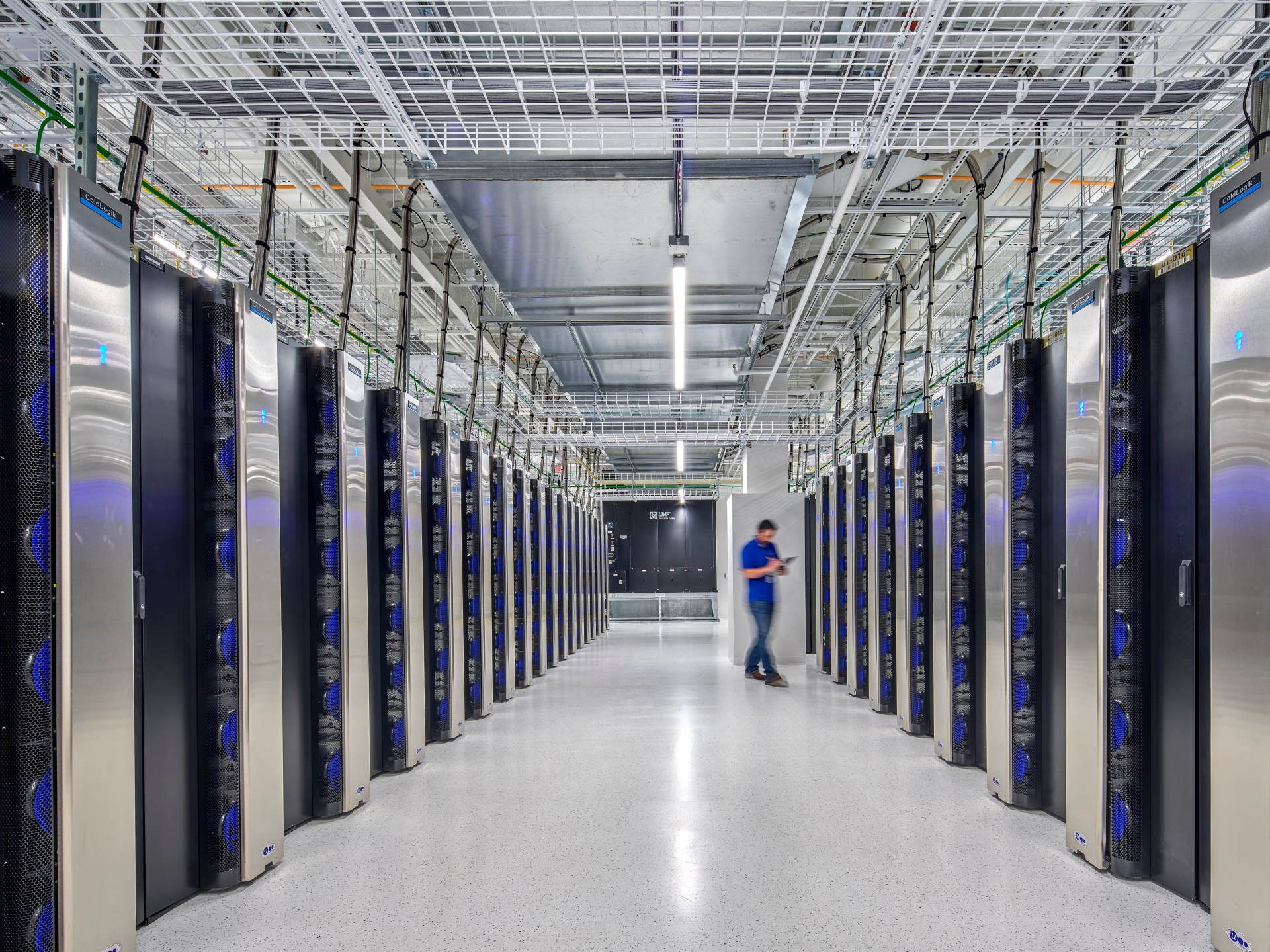
At its foundation, a colocation facility provides secure physical real estate designed specifically for high-density computing equipment. Rather than placing hardware in standard office closets or utility rooms, equipment is housed in engineered spaces optimized for airflow, cabling, and weight distribution.
Colocation providers offer several tiers of physical space depending on tenant requirements:
- Shared Racks / Fractional Cabinets: Small organizations or branch offices can rent partial rack space, measured in rack units (U), typically in increments of 1U, 2U, 4U, or half-cabinets (20U–24U). Shared racks feature locked front and rear compartments to prevent unauthorized access from neighboring hardware.
- Full Dedicated Cabinets: Standard 19-inch server cabinets (ranging from 42U to 48U in height and varying depths up to 1200mm) dedicated entirely to a single customer. These include built-in cable management channels, dual Power Distribution Units (PDUs), and configurable locking doors.
- Private Cages: Floor space enclosed by heavy-gauge mesh wire walls, accessed via biometric locks or keycards. Cages house multiple cabinets (typically 5 to 50+ racks) and allow companies to isolate their footprint within a shared data center hall.
- Private Suites or Custom Data Halls: Dedicated, solid-wall rooms built for large enterprises, financial institutions, or cloud service providers requiring hundreds of racks, dedicated mechanical cooling infrastructure, and independent access control system logging.
Facilities provide reinforced flooring capable of supporting heavy structural loads—typically 250 to 350 pounds per square foot (lbs/sq ft) for raised floors and up to 1,500+ lbs/sq ft for slab-on-grade construction—preventing structural sag under dense server and battery racks.
Electrical Power Infrastructure and Redundancy
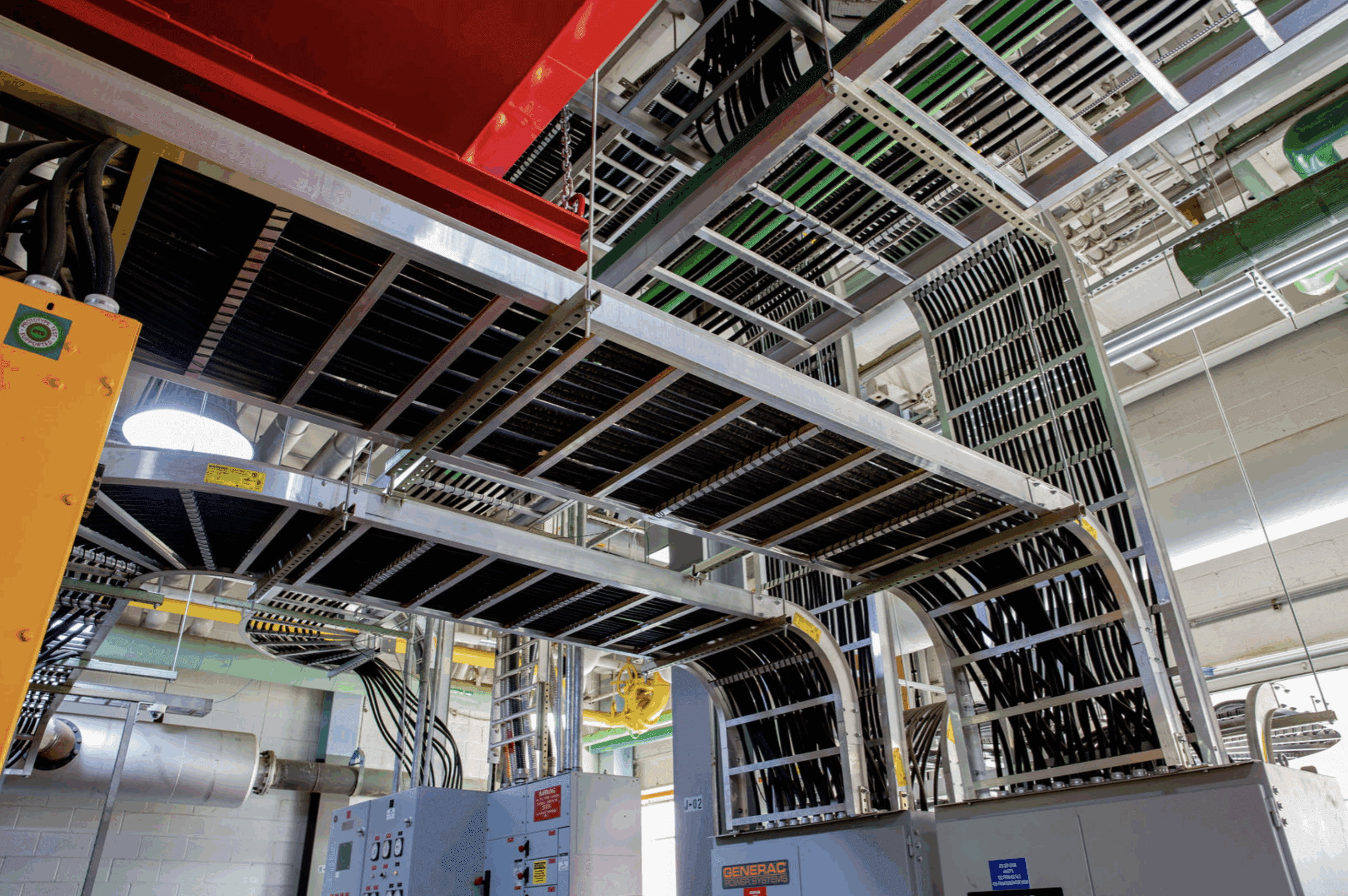
Power delivery is one of the most critical services provided by a colocation site. Facilities secure industrial-grade utility power and engineer multi-tiered backup systems to guarantee uninterrupted electricity to IT workloads.
- Primary Utility Grid
- Uninterruptible Power Supply (UPS) & Battery Banks
- A-Feed Power PDU
- B-Feed Power PDU
- Dual-Corded Server / Hardware
- Uninterruptible Power Supply (UPS) & Battery Banks
- On-Site Diesel Generators & Fuel Reserves (Triggers on utility loss)
Dual-Fed Electrical Paths (A+B Power Feeds)
Colocation facilities distribute power through two independent circuits, known as A-feed and B-feed. Enterprise servers with dual power supplies connect to both feeds simultaneously. If an upstream transformer, circuit breaker, or UPS unit fails on the A-feed, the B-feed continues delivering electricity without interrupting server operation.
Uninterruptible Power Supply (UPS) Systems
Between the electrical grid and the equipment racks sit enterprise UPS systems using lithium-ion or valve-regulated lead-acid (VRLA) battery banks—or flywheel kinetic storage. The UPS filters dirty power (voltage sags, surges, and electrical noise) and provides immediate battery power if utility electricity fails, bridging the gap until generators start.
Diesel Backup Generators
If grid power drops, automated transfer switches (ATS) signal on-site industrial diesel generators to ignite. These generators reach full load capacity within 10 to 30 seconds and can power the data center indefinitely, backed by multi-day fuel storage reserves on-site and priority supply contracts with regional fuel distributors.
Power Density Configuration
Modern colocation sites support varying power densities:
- Standard Density: 4 kW to 8 kW per cabinet (suitable for web servers and enterprise storage).
- High Density: 10 kW to 25 kW per cabinet (suitable for hyper-converged infrastructure and dense virtualization).
- Ultra-High Density: 30 kW to 100+ kW per cabinet (engineered for artificial intelligence, machine learning, and high-performance computing clusters).
Climate Control and Fire Suppression Systems
High-density server arrays generate immense thermal energy. A primary provision of a colocation site is precision environmental conditioning, maintaining strict temperature and humidity ranges to prevent hardware failure and thermal throttling.
Heating, Ventilation, and Air Conditioning (HVAC)
Facilities use Computer Room Air Conditioner (CRAC) or Computer Room Air Handler (CRAH) units to regulate ambient room temperatures. Temperatures are typically maintained between 65°F and 80°F (18°C to 27°C) with relative humidity kept between 40% and 60%, adhering to guidelines established by the American Society of Heating, Refrigerating and Air-Conditioning Engineers (ASHRAE).
Hot Aisle / Cold Aisle Containment
To maximize thermal efficiency, server racks are aligned in rows facing each other. Cold air is delivered into the "cold aisle" at the front of the racks, pulled through the servers by internal chassis fans, and exhausted out the back into the "hot aisle." Physical containment barriers (sliding doors and ceiling panels) prevent cold and hot air streams from mixing, lowering energy consumption and optimizing Power Usage Effectiveness (PUE).
Liquid and Immersion Cooling Solutions
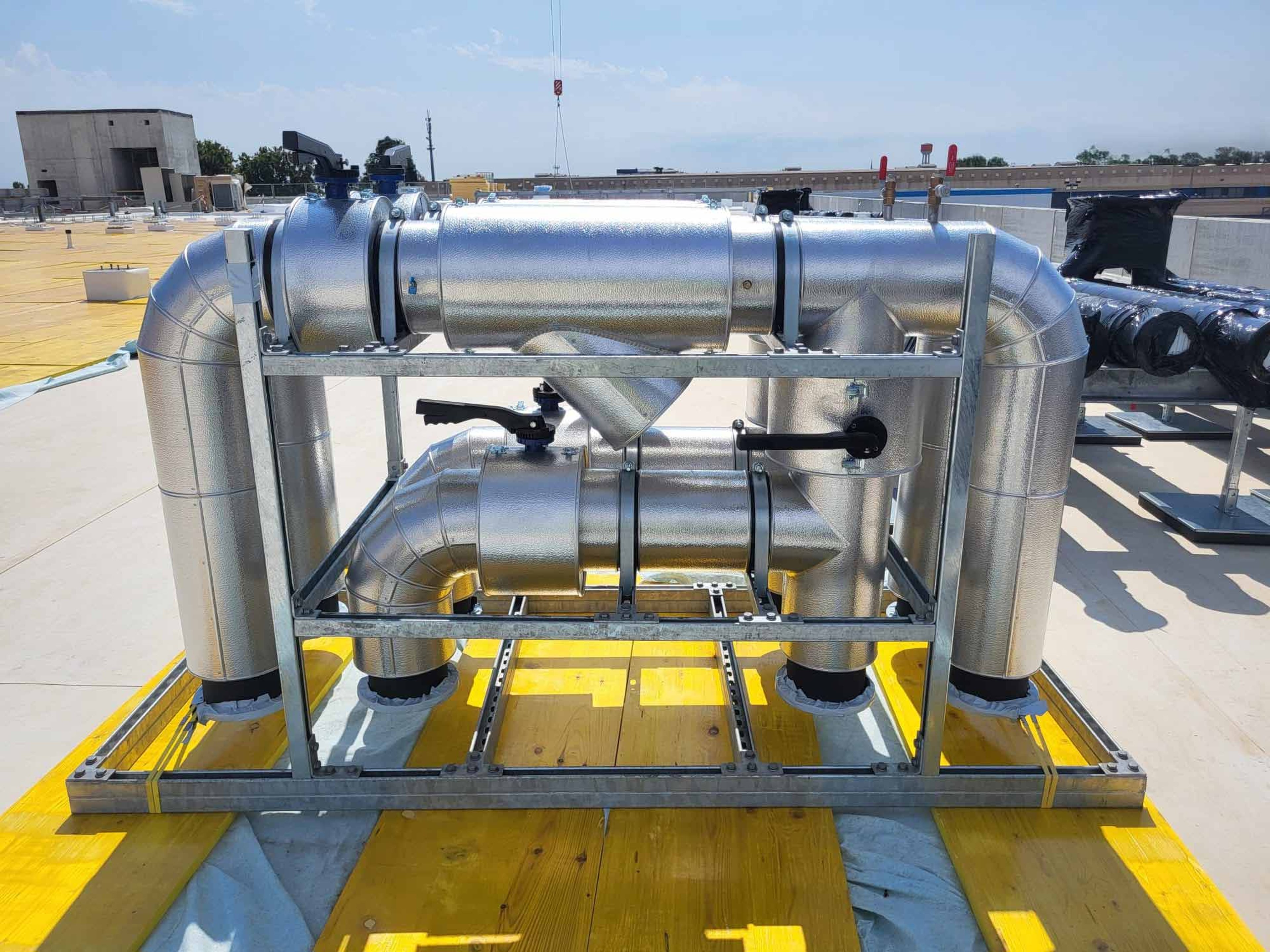
For ultra-high-density deployments where air cooling hits physical limits, modern colocation facilities provide direct-to-chip liquid cooling loops (chilled fluid piped directly to cold plates mounted on CPUs/GPUs) or immersion cooling tanks where hardware is submerged in non-conductive dielectric fluid.
Advanced Fire Protection
Standard water sprinklers can ruin microelectronics. Colocation sites deploy specialized fire safety systems:
- VESDA (Very Early Smoke Detection Apparatus): Continuous air-sampling systems that detect microscopic particles of combustion before visible smoke or flames appear.
- Clean-Agent Fire Suppression: Gaseous chemical agents (such as Novec 1230, FM-200, or inert gas blends like Inergen) that flood an enclosed room to starve a fire of oxygen or interrupt its chemical reaction without damaging electronic circuits or leaving chemical residue.
- Pre-Action Sprinkler Systems: Secondary dry-pipe water systems that fill pipes with water only when multiple sensors trigger, acting as a final safeguard without risk of accidental pipe bursts over equipment.
Network Connectivity and Carrier Neutrality
A key advantage of a colocation facility over a proprietary corporate data center is access to rich telecommunications ecosystems.
- MEET-ME ROOM (Cross-Connect Hub)
- Direct Cloud On-Ramps (AWS, Azure, GCP, OCI)
- Tier 1 Telecom Carriers / ISPs
- Internet Exchange Points (IXPs)
- Customer Cabinet / Cage
Carrier-Neutral Architecture
Most enterprise colocation sites operate on a carrier-neutral model. Rather than forcing clients to use a single Internet Service Provider (ISP), carrier-neutral facilities house connection points for dozens of regional, national, and global telecommunications carriers, such as AT&T, Lumen, Verizon, Cogent, and Zayo.
Meet-Me Rooms (MMRs) and Cross-Connects
The Meet-Me Room (MMR) is the secure internal space within a data center where telecom providers terminate their fiber optic lines. Customers purchase physical connections called cross-connects—single-mode fiber, multi-mode fiber, or copper Category 6 cables—running directly from their cabinet to a chosen carrier's patch panel in the MMR. Cross-connects allow businesses to build low-latency, private, unmetered network links.
Direct Cloud On-Ramps
Colocation facilities frequently act as access points for public cloud networks. Providers host physical dedicated node infrastructure for major hyperscalers, enabling clients to establish private, low-latency bypass connections directly to major platforms:
- AWS Direct Connect
- Microsoft Azure ExpressRoute
- Google Cloud Interconnect
- Oracle Cloud Infrastructure FastConnect
By routing traffic over direct cloud cross-connects rather than the public internet, organizations reduce network latency, improve packet security, and bypass costly cloud internet egress bandwidth charges.
Physical Security and Operational Compliance
Colocation facilities provide physical security controls that are cost-prohibitive for most individual companies to build and staff independently.
Multi-Layered Perimeter Defense
- Property Perimeter: K-rated perimeter fencing, vehicle barriers, security gate checkpoints, and automated license plate recognition.
- Facility Entrance: Single-entry mantraps (enclosed vestibules with interlocking doors that prevent tailgating), 24/7/365 on-site security guards, and mandatory photo identification.
- Data Hall Access: Biometric authentication (fingerprint, iris, or palm-vein scanners) combined with keycard access and PIN codes.
- Rack Access: Keyed locks, combination pads, or smart-card electronic door handles logged by centralized monitoring systems.
Video Surveillance and Log Retention
Continuous high-definition Closed-Circuit Television (CCTV) cameras monitor all perimeter walls, building entrances, data hall aisles, and Meet-Me Rooms. Facilities typically archive security footage for 90 to 360 days to comply with regulatory standards.
Regulatory Compliance Certifications
Colocation facilities undergo independent third-party audits so that enterprise clients can satisfy their own regulatory compliance requirements. Facilities regularly maintain compliance with:
- SOC 1 Type II & SOC 2 Type II: Audits verifying operational controls, security practices, and availability policies.
- ISO/IEC 27001: Global standard for information security management.
- PCI-DSS: Security standards for storing, processing, or transmitting payment card data.
- HIPAA / HITECH: Security controls required for protecting sensitive Healthcare Information (PHI).
- FedRAMP / FISMA: Federal security baselines required for U.S. government agency workloads.
Managed Support: Smart Hands and Service Level Agreements
While colocation relies on a self-managed infrastructure model (clients manage their own operating systems, databases, and application software), facilities provide on-site operational support and performance guarantees.
Smart Hands / Remote Hands
"Smart Hands" refers to on-site data center technicians who perform physical tasks on behalf of the customer. This service eliminates the need for an organization's IT staff to travel to the facility for routine physical maintenance. Smart Hands services typically cover:
- PDU and server power cycling (rebooting hardware).
- Visual inspection of indicator LEDs, server displays, and cable connections.
- Replacing hot-swappable components (hard drives, power supply units, RAM modules).
- Plugging in network cables, labeling fiber patches, and verifying connectivity.
- Receiving unboxing, mounting, and inventorying newly shipped hardware assets.
Service Level Agreements (SLAs) and Uptime Tiers
Colocation sites sign legally binding SLAs promising continuous operational availability. Facilities are commonly classified using the Uptime Institute's Tier Standard System:
- Tier I (Basic Capacity): Single path for power and cooling; non-redundant components; 99.671% expected availability (up to 28.8 hours annual downtime).
- Tier II (Redundant Components): Single path for power and cooling with redundant (N+1) components; 99.741% expected availability (up to 22.0 hours annual downtime).
- Tier III (Concurrently Maintainable): Multiple power and cooling paths, but only one active; redundant components; equipment can be serviced without causing downtime; 99.982% expected availability (up to 1.6 hours annual downtime).
- Tier IV (Fault Tolerant): Multiple active power and cooling paths; fully compartmentalized system; infrastructure automatically tolerates an unexpected fault without impacting load; 99.995% expected availability (up to 26.3 minutes annual downtime).
Infrastructure Comparison Matrix
The following matrix compares common physical hosting configurations available within a colocation site:
| Service Provision | Shared / Fractional Cabinet | Dedicated Cabinet (42U–48U) | Private Cage Enclosure | Private Data Suite |
|---|---|---|---|---|
| Space Allocation | 1U to 20U shared space | Single or multiple 19" racks | Custom caged area (5–50+ racks) | Dedicated enclosed data hall |
| Power Density | 1 kW – 4 kW | 4 kW – 15 kW | 15 kW – 100+ kW | Custom high-density limits |
| Physical Access | Escorted access; locked U-drawers | Direct cabinet key / card access | Biometric or badge cage door | Exclusive keycard / biometric suite access |
| Network Connections | Shared patch panel cross-connects | Dedicated top-of-rack cross-connects | Direct MMR fiber runs & custom topology | Direct MMR dark fiber connection paths |
| Customization | Standard provider layout | Standard cabinet cabling choices | Custom cabinet layouts & hot aisle containment | Fully custom architecture, cooling & controls |
| Target Audience | SMBs, edge nodes, small branch IT | Mid-market enterprises, growing IT applications | Large enterprises, SaaS providers | Hyperscalers, cloud platforms, financial enterprises |
How Pricing and Cost Structures Work
Colocation billing balances fixed recurring operational costs against variable consumption fees. Understanding how providers structure charges helps organizations accurately calculate Total Cost of Ownership (TCO).
- Space Fee (MRC): Monthly Recurring Charge based on cabinet count, partial U-count, or square footage for cages and suites.
- Power Fee: Billed via one of two methods:
- Breakered Circuit / Allocated Power: Flat monthly rate per circuit capacity (e.g., 20A / 208V circuit), regardless of actual usage.
- Metered Power: Base fee for the physical circuit plus direct charge per kilowatt-hour (kWh) consumed, calculated using sub-meters at the rack PDU.
- Cross-Connect Fees: Fixed monthly charge per active physical connection (fiber, copper, coax) terminating in the Meet-Me Room.
- Bandwidth Charges: If buying IP transit directly from the facility, bandwidth is charged as a flat rate or via the 95th Percentile Method (charging based on peak consumption after discarding the top 5% of usage spikes).
- Setup / Non-Recurring Charges (NRC): Upfront implementation fees covering rack installation, circuit drops, initial cross-connect wiring, and cage construction.
Key Differences: Colocation vs. Cloud Hosting vs. Managed Hosting
Selecting the correct hosting deployment depends on how much operational control and capital expenditure an organization intends to manage.
| Layer | Colocation Site | Public Cloud (IaaS) |
|---|---|---|
| Application Code & Data | Customer Manages | Customer Manages |
| Operating System & Hypervisor | Customer Manages | Cloud Provider |
| Physical Server Hardware & Storage | Customer Manages | Cloud Provider |
| Physical Power, Cooling & Space | Provider Manages | Cloud Provider |
- Colocation: You own and manage the physical servers, storage, hypervisors, and operating systems. The colocation provider supplies only the physical facility infrastructure (power, space, cooling, security, and fiber access).
- Managed Hosting: The provider owns the physical server hardware and facilities, leasing specific servers to you. The provider often handles hardware repairs, operating system patches, and system administration.
- Public Cloud (IaaS): Hyperscalers (like AWS, Azure, or GCP) own and manage all physical hardware, data center facilities, virtualization layers, and network fabrics. You rent virtual compute, storage, and networking resources billed on an elastic consumption model.
Frequently Asked Questions
What hardware does a colocation provider supply?
A colocation provider supplies the physical data center environment—including cabinets, power distribution units (PDUs), UPS systems, cooling, security, and facility infrastructure. The customer supplies all enterprise compute hardware, including servers, storage arrays, switches, firewalls, and patch cables.
What is the difference between A-feed and B-feed power?
A-feed and B-feed are two separate, redundant electrical delivery paths inside the data center. Each feed draws power from distinct transformers, UPS systems, and distribution panels. Servers equipped with dual power supplies connect to both feeds simultaneously; if one path loses power, the hardware runs seamlessly on the remaining feed without interruption.
Can I access my equipment at a colocation site at any time?
Yes. Most enterprise colocation facilities grant 24/7/365 physical access to authorized personnel listed on the account's access list. Unscheduled site visits require passing through security checkpoints, presenting government-issued identification, and verifying biometric credentials or access keycards.
What does Power Usage Effectiveness (PUE) mean in colocation?
Power Usage Effectiveness (PUE) is a metric measuring data center energy efficiency. It is calculated by dividing total facility energy consumption by the energy delivered directly to IT computing equipment. A PUE ratio of 1.0 represents perfect efficiency, where 100% of power runs IT devices. Modern, efficient colocation data centers typically achieve PUE scores between 1.15 and 1.35.
What happens if the public power grid fails at a colocation site?
When utility power fails, the facility's Uninterruptible Power Supply (UPS) system immediately takes over the electrical load without interruption. Concurrently, automated transfer switches signal on-site diesel generators to start. Within seconds, generators resume power delivery to both the computing equipment and cooling systems, running until utility power is restored.
Actionable Guidance: Evaluating a Colocation Facility
Selecting a colocation provider requires thorough operational and technical audits. Follow this process when evaluating candidate sites:
- Calculate Power and Space Density Requirements: Determine your total current power draw (in kW) and project growth over a 3-to-5-year lifecycle. Verify whether the facility can support high-density configurations if you plan to introduce dense virtualization or GPU-accelerated servers.
- Conduct a Meet-Me Room Audit: Request a complete list of on-site carriers and direct cloud on-ramps. Ensure your preferred ISPs or low-latency cloud providers maintain active physical points of presence (PoPs) inside the facility's MMR.
- Inspect Infrastructure Redundancy: Confirm the site's design topology matches your business continuity requirements. Inspect battery rooms, generator fuel reserves, SLA terms for generator refueling contracts, and cooling unit redundancies (insisting on N+1 or 2N system architecture).
- Review Compliance Documentation: Request recent copies of the facility's SOC 2 Type II reports, ISO 27001 certificates, and PCI-DSS compliance attestations to confirm their controls satisfy your enterprise regulatory obligations.
- Schedule an On-Site Physical Audit: Inspect the perimeter defenses, mantraps, aisle containment designs, cleanliness of cable trays, and staff responsiveness firsthand before committing to a multi-year service agreement.
Image Gallery